Bedfordshire
Preparing Your Property for Bed Bug Heat Treatment in Bedfordshire
Learn how to prepare a Bedfordshire home or shared property for bed bug heat treatment without moving the problem into other rooms.
27 September 20269 min read
40 years
In the trade
Four decades of hands-on bed bug experience
Fully insured
Every treatment
Comprehensive liability cover on all work
RSPH Level 2
Certificated
Royal Society for Public Health qualified
Key points
- Follow the property-specific preparation plan before moving belongings.
- Explain how bedrooms are used and disclose any recent room changes.
- Keep potentially infested possessions within the agreed treatment plan.
- Arrange clear access and wait for approval before returning.
1. Start with an assessment of the whole property
Preparing for bed bug heat treatment starts with understanding where people sleep, rest and store their belongings. Before clearing cupboards or stripping every bed, speak to the treatment team. Preparation should support the agreed treatment area, not create new routes for bed bugs to move through a Bedfordshire property.
Bedfordshire includes modern developments, traditional houses and busy shared accommodation. These settings can have different layouts, storage arrangements and access restrictions. A bedroom in a compact flat may need a different preparation plan from several occupied rooms in a shared house, even when the visible signs appear similar.
Explain when you first noticed the problem, where you have found suspected bed bugs and which rooms people use overnight. Include sofas used for sleeping, guest bedrooms and any recent changes in sleeping arrangements. Photographs can support the discussion, but they do not replace an assessment of the property.
Bed Bug Heat Solutions UK serves England and Wales, including Bedfordshire. The company brings over 40 years of hands-on pest-control experience, is fully insured and is RSPH Level 2 certificated. That background informs a practical preparation plan based on the property, its occupants and the proposed treatment scope.
2. Understand what the heat-treatment plan involves
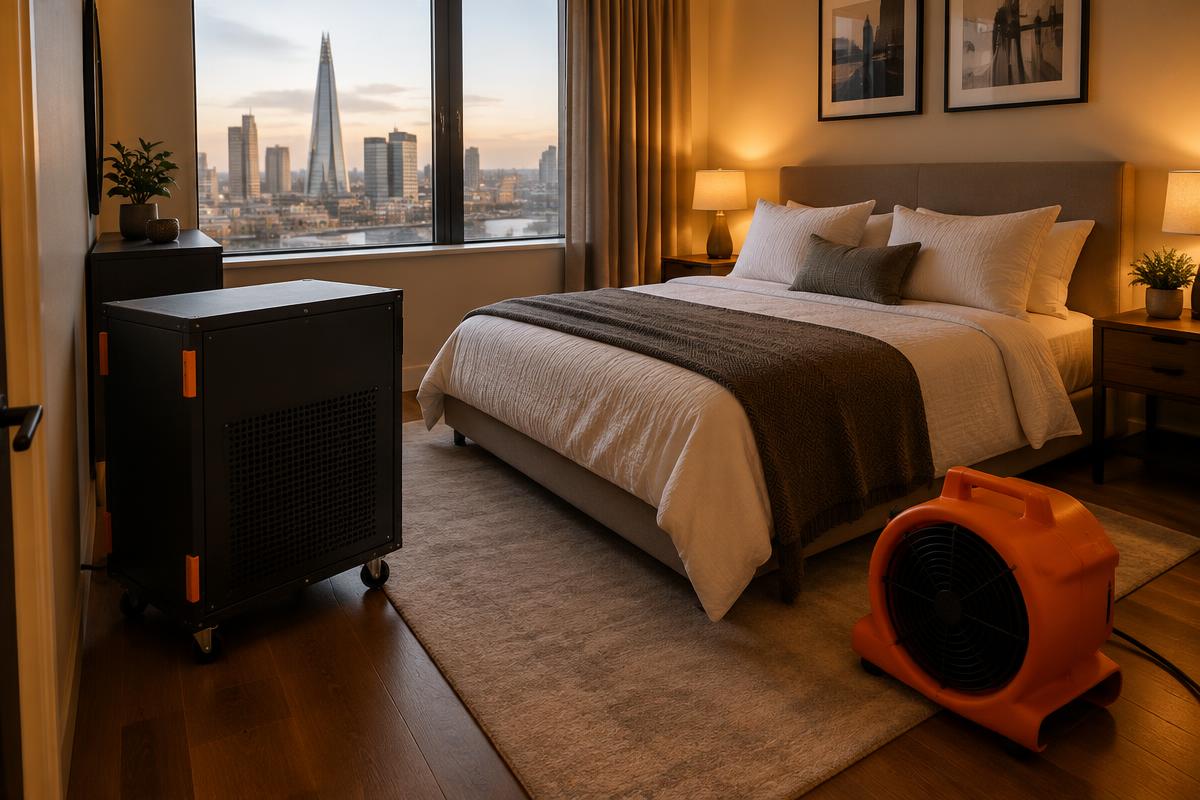
Bed Bug Heat Solutions UK uses controlled industrial heat of 60–65°C across the whole treatment area. The heating period usually lasts 3–6 hours. This is not the same as the total time needed for access, equipment setup, checks and cooling, so avoid making return plans around the heating period alone.
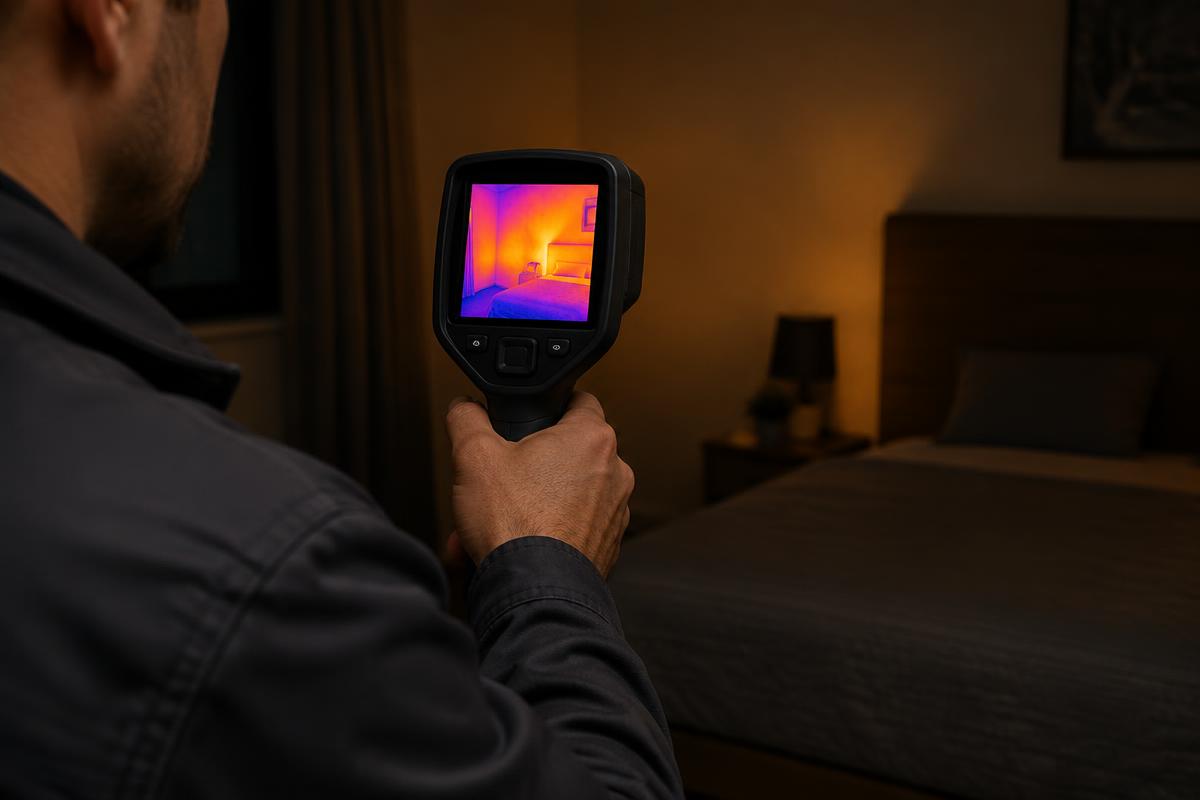
Monitoring uses active live thermal imaging cameras only. These allow the team to assess visible heat patterns as treatment progresses. Preparation still matters because densely packed storage, crowded floor space and unsuitable items can complicate access and heat circulation. Tell the team about these conditions before the treatment visit.
The primary treatment does not rely on harmful chemicals. However, a professional heat treatment still requires careful control, suitable equipment and a clear safety plan. Occupants should not remain inside the treatment area, enter to retrieve possessions or attempt to copy the process with domestic heaters.
Ask the team to confirm exactly which rooms and spaces are included. Whole-treatment-area heating means the agreed area is treated, rather than automatically implying that every part of a building is included. Where signs or occupancy patterns suggest a wider issue, discuss that before completing your preparations.
3. Share a clear room history, especially in shared homes
Room use can be as important as the position of the first reported sighting. If someone has moved from a bedroom to a sofa because of suspected bites, say so. Bed bugs may be carried with bedding, clothing or bags, making an accurate history useful when deciding which spaces need further consideration.
For an HMO or shared home in Bedfordshire, provide a clear room list and any history of occupants moving rooms. Identify occupied bedrooms, empty rooms, shared lounges and storage spaces. Include dates where you know them, but do not guess if the sequence of events is uncertain.
Landlords, managing agents and residents should agree who will coordinate preparation. One named contact can collect room information, pass on instructions and resolve access questions. Individual occupants still need to understand what applies to their possessions, particularly if some people will be away before or during treatment.
Avoid treating one resident's report as proof that the issue is confined to their room. Equally, do not assume every room is affected without assessment. A calm, factual account of sightings, sleeping locations and movement between rooms helps the team consider the appropriate scope without unnecessary disruption.
- Provide a room list with names or numbers that match the property layout.
- Identify where each occupant currently sleeps.
- Record previous bedroom changes and approximate dates where known.
- Mention sofas or other spaces used for sleeping.
- Identify locked rooms and arrange authorised access.
- Nominate one contact to coordinate shared-property preparations.
4. Keep belongings within the agreed treatment plan
A common preparation mistake is to move possessions out of a suspected room to make it look clear. Taking loose bedding, bags or clothes into another bedroom can spread the problem. Do not move potentially affected belongings between rooms or off site unless the treatment team has explained how to manage them.
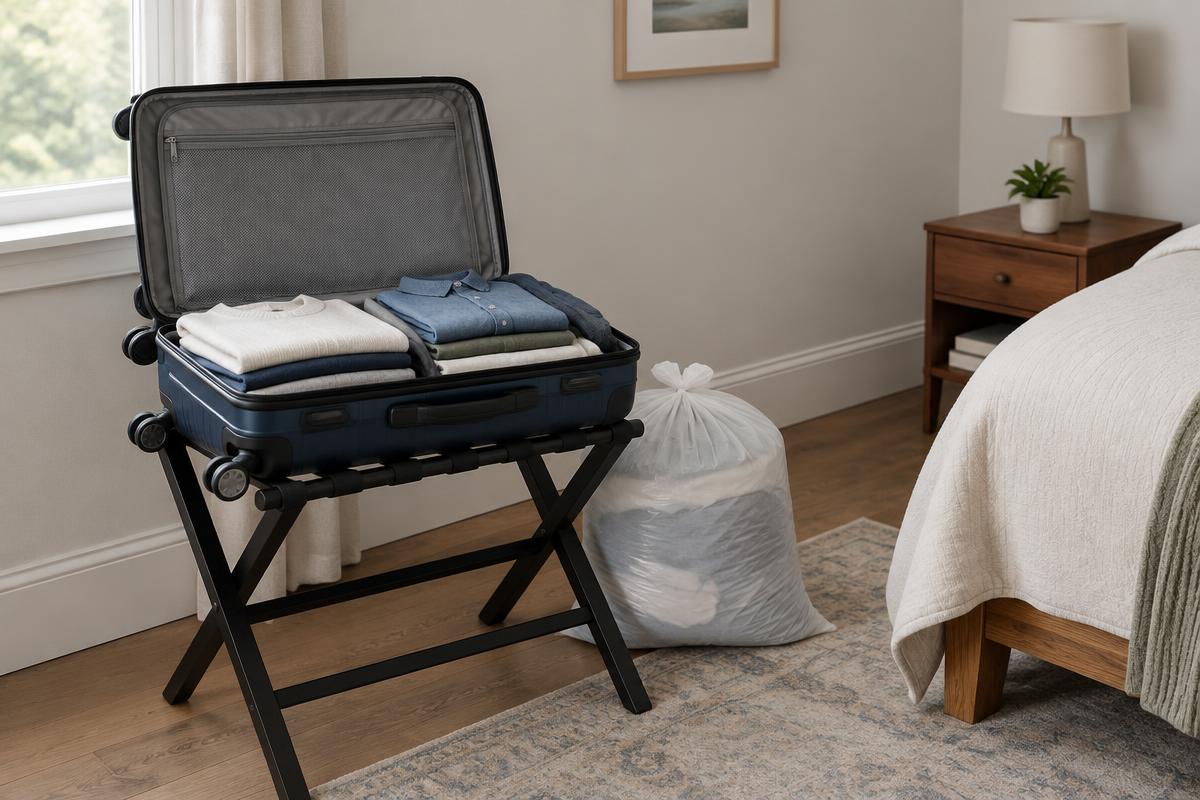
Bagging can help contain items during an agreed transfer, but it is not a treatment in itself. An item left inside a closed bag should not be assumed to receive suitable heat exposure simply because the bag is in a heated room. Follow specific instructions about containers, their contents and their placement.
Do not start throwing away beds, mattresses or furniture without discussing the options. Disposal may not be necessary, and carrying an uncontained item through hallways or communal areas can create additional risk. If disposal is recommended, agree a containment and removal method appropriate to the building and local arrangements.
Think carefully about the belongings you will need while away from the property. Clothes, work bags and overnight items should be included in the preparation discussion rather than collected hurriedly at the door. The aim is to leave with essential items managed as advised, without taking untreated possessions elsewhere.
5. Identify heat-sensitive items before treatment day
Heat-sensitive belongings need an individual review. Rather than relying on a generic removal list, tell the team what is present and follow their written guidance. The suitability of an item can depend on its materials, condition, contents and manufacturer instructions, so there is no safe universal rule for every household object.
Flag medicines, aerosols, pressurised containers, flammable products, candles, cosmetics and temperature-sensitive food. Also mention batteries, electronic devices, musical instruments, artwork, photographs and items held together with heat-sensitive adhesives. Identifying these categories does not automatically mean everything must leave; it means their handling should be agreed before heating begins.
Valuable, fragile or irreplaceable possessions deserve particular attention. A fitted cabinet, inherited instrument or specialist medical device may need advance discussion rather than a decision during setup. If you have product care information, make it available so the team can consider it alongside the treatment requirements.
Any item removed from a potentially affected area also needs consideration as a possible route for bed bugs to travel. Do not simply relocate heat-sensitive possessions to a neighbour's home or an untreated room. Ask how each item should be contained, checked or managed separately, and confirm where it should go.
- Tell the team about medicines and medical equipment.
- Identify aerosols, pressurised containers and flammable products.
- Flag batteries and electronic equipment for handling advice.
- Point out fragile, valuable and irreplaceable possessions.
- Provide manufacturer care information where available.
- Agree how excluded items will be contained and managed.
6. Prepare bedding, clothing and storage as instructed
Bedding and clothing often generate the most preparation questions. Do not assume that every fabric item must be washed before treatment or that every drawer should be emptied. The correct approach depends on the agreed process, the amount of storage and how belongings are arranged within the treatment area.
Ask whether bedding should remain in place, be separated or be contained for another agreed step. Follow the same principle for wardrobes, under-bed storage and drawers. Large, tightly packed bundles can complicate heat exposure, but rearranging them without instructions may scatter contents or move potentially affected items into unsuitable locations.
If laundering is part of the preparation plan, follow the team's advice and the fabric care labels. Contain items during transport, and keep processed items separate from those still awaiting attention. A bag of freshly washed clothing placed back among untreated belongings should not automatically be considered protected from further exposure.
Routine cleaning should also be discussed rather than turned into a last-minute deep clean. If vacuuming is advised, ask how to contain and dispose of collected material and manage the machine afterwards. Avoid applying additional insecticides, powders or household remedies before the visit unless the team has specifically agreed to them.
7. Make access practical without disrupting the contents
The treatment team needs safe access to the agreed rooms and enough working space for equipment. Clear essential routes according to the preparation instructions, concentrating on trip hazards and obstructed doorways. Do not interpret this as a request to empty every room or pile all possessions into a hallway.
Tell the team about narrow stairs, upper-floor rooms, restricted entrances and any building access arrangements. In flats or managed properties, communal doors and agreed loading arrangements may need coordination. Share this information early so that practical access questions do not emerge only when equipment arrives.
Large furniture and crowded storage areas should be discussed in advance. You may be asked to adjust the position of certain items, but avoid dismantling fitted furniture or moving heavy pieces without instructions. Explain if you cannot safely complete a task because of mobility, strength or other practical limitations.
Do not cover, disconnect or interfere with fire alarms, electrical systems or other building safety equipment yourself. Where building systems require consideration, the treatment team should discuss this with the appropriate responsible person. Preparation must preserve safe arrangements for the property rather than create a separate hazard.
- Keep agreed entrances and internal routes clear.
- Explain stairs, access restrictions and loading arrangements.
- Confirm access to every room included in the treatment.
- Tell the team about heavy furniture or crowded storage.
- Arrange help for preparation tasks you cannot safely complete.
- Leave building safety systems alone unless authorised arrangements are made.
8. Plan for everyone to leave safely
Arrange somewhere suitable for all occupants to stay during treatment and until the team confirms that return is safe. The usual 3–6-hour heating period is only one part of the visit. Allow flexibility for setup and cooling rather than committing to an appointment or collection that depends on a precise finish.
Pets, including animals in tanks, cages or enclosures, must be discussed before the visit. Do not assume that a pet can remain in a bathroom or another nearby space. Plants also need consideration. Agree arrangements for animals, their equipment and any other living things within the planned treatment area.
People who rely on regular medication, mobility aids or medical equipment should have an agreed plan for the time away. Raise these needs early so that essential items can be handled appropriately. Nobody should have to re-enter a treatment area to collect something that could have been prepared beforehand.
In shared accommodation, confirm that every resident understands the departure arrangements, including anyone working nights or returning from travel. Keep visitors and contractors informed where relevant. The nominated contact should remain reachable for practical questions, without promising other occupants a return time that has not been confirmed.
9. Complete a final handover before heating begins
A final handover gives the team a chance to check preparation against the agreed plan. Explain any tasks you could not complete and point out anything that has changed since the assessment. A newly reported sighting, extra occupied room or recently moved mattress may be relevant to the treatment approach.
Tell the team about previous pest-control work, including sprays, powders or other products used by residents. Provide product names if you know them, but avoid guessing. This information helps the team understand the conditions they are working with and decide whether any additional preparation or precautions are needed.
Show the team any belongings set aside for special handling, along with spaces that need particular care. Do not hide unfinished preparation by putting everything into sealed containers or an excluded room. An honest explanation makes it easier to resolve the issue than discovering it after the heating process has started.
Once treatment begins, leave equipment and room arrangements under professional control. Do not enter to open a window, move a bag or retrieve a charger. If you remember something important, contact the team through the agreed communication channel and let them decide how to address it safely.
10. Return carefully and follow the aftercare plan
Return only when the treatment team confirms it is safe to do so. Rooms, surfaces and possessions may need time to cool, and aftercare instructions should explain any immediate precautions. Ask questions before the team leaves if you are uncertain about handling belongings, rearranging rooms or resuming normal use.
Keep separately managed items out of general circulation until their agreed checks or treatment steps are complete. Bringing an unresolved bag, suitcase or item of furniture straight back into use can undermine the wider plan. Preparation and aftercare work best when excluded possessions remain accounted for throughout the process.
If you notice possible signs afterwards, record the location and take a clear photograph where practical. Skin reactions alone do not reliably establish whether live bed bugs remain. Report concerns to the team rather than applying new products or moving bedrooms, and follow the advice given for your circumstances.
Bed Bug Heat Solutions UK offers a six-month guarantee on qualifying treatments. Ask what qualifies and what conditions apply, including any preparation or aftercare requirements. For a Bedfordshire property, a useful starting point is an accurate room history, a clear description of the problem and a discussion of the preparation needed.
Useful next steps
Frequently asked questions
Six-month guarantee
Qualifying treatments are covered for six months. Send your details for a free assessment.
More from the blog
How Long Does Bed Bug Heat Treatment Take?
Read the full guide: How Long Does Bed Bug Heat Treatment Take?