Bedfordshire
Spotting Bed Bugs Early in Bedfordshire: A Guide to Heat Treatment
Recognise the early signs of bed bugs in Bedfordshire and understand how a careful assessment helps plan professional heat treatment.
5 November 202610 min read
40 years
In the trade
Four decades of hands-on bed bug experience
Fully insured
Every treatment
Comprehensive liability cover on all work
RSPH Level 2
Certificated
Royal Society for Public Health qualified
Key points
- Look for physical evidence rather than relying on bites alone.
- Avoid moving bedding or changing bedrooms before seeking advice.
- Give a clear room history for shared homes and HMOs.
- Professional assessment helps define the right treatment area.
Why early recognition matters in Bedfordshire homes
A bed bug problem can start quietly, with a small mark on bedding or an unfamiliar insect beside a mattress seam. Recognising those clues early gives you an opportunity to seek advice before belongings and sleeping arrangements change. The aim is not to inspect every possession, but to gather useful evidence without disturbing it unnecessarily.
Bedfordshire includes modern developments, traditional houses and busy shared accommodation. Bed bugs can occur in any of these settings, regardless of how clean or well maintained they are. What matters during an initial assessment is how rooms are used, where people sleep and whether belongings or occupants have moved between rooms.
Early recognition does not always mean the infestation is confined to the first bed where signs appear. Some people notice skin reactions quickly, while others may not react at all. Physical evidence and a clear account of room use provide a more reliable starting point than assumptions based on who has reported bites.
For households in Bedfordshire, a calm response is usually more useful than immediately stripping every bed or throwing furniture away. Record what you have found, leave large items where they are and arrange an assessment. These steps help preserve the information needed to decide which spaces require attention and whether heat treatment is appropriate.
The physical signs worth checking
An adult bed bug is a small, flattened insect, usually brown and roughly the size of an apple seed before feeding. Younger bed bugs are smaller and paler, making them harder to notice. Appearance alone can be misleading, particularly in a blurred photograph, so suspected insects should be checked rather than identified from colour alone.
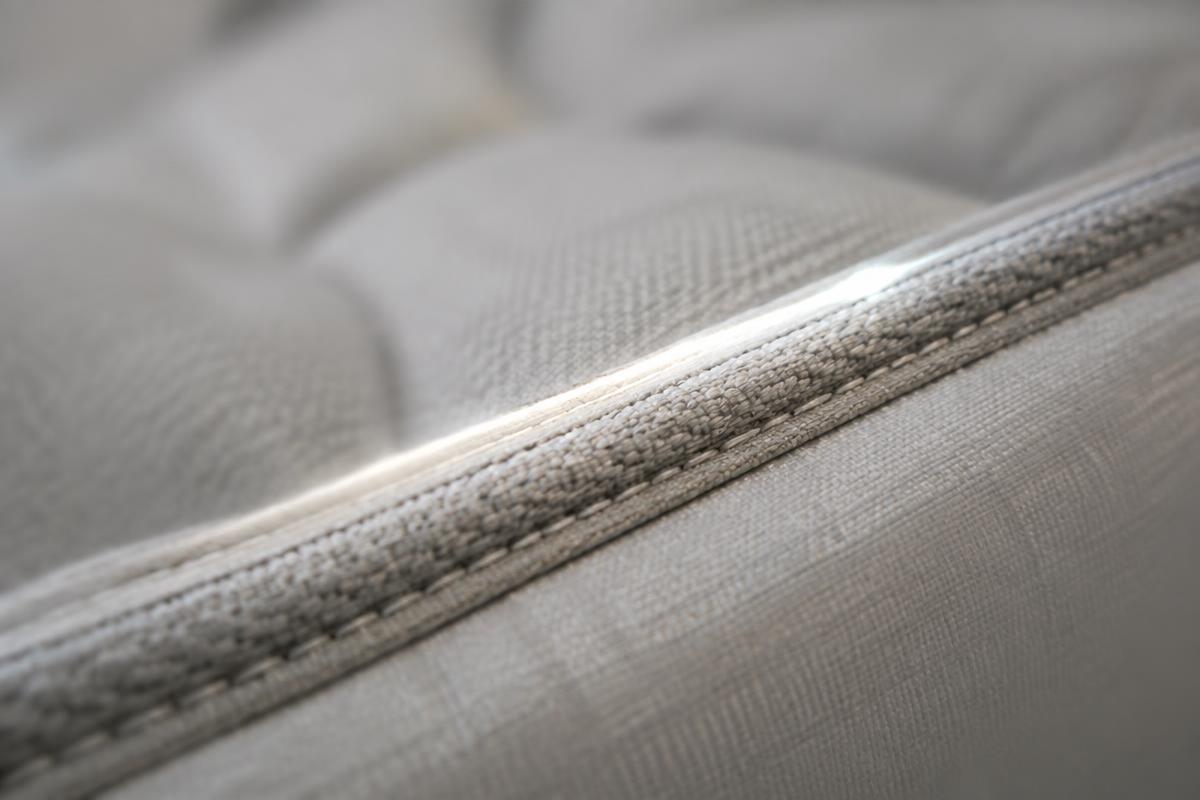
Dark spotting around mattress seams, bed frames or nearby furniture can be a useful clue. Bed bug faecal marks may resemble small ink dots, sometimes concentrated around a hiding place. However, mould, general dirt and marks left by other insects can look similar. Their location and any accompanying evidence are important.
Other possible signs include pale shed skins and tiny whitish eggs tucked into protected gaps. Small blood marks on sheets may also attract attention, but they are not proof of bed bugs on their own. Several compatible signs together are more useful than a single stain with no clear explanation.
If you find an insect, take a clear photograph with an indication of scale if possible. A specimen can be kept in a securely closed transparent container for identification. Avoid carrying loose bedding or furniture through the property to show someone the evidence, as this can create unnecessary opportunities for insects to move.
- Look along accessible mattress seams and piping.
- Check visible bed-frame joints and headboard edges.
- Note dark spotting and its exact location.
- Photograph suspected insects and shed skins clearly.
- Keep a suspected specimen securely contained.
- Record the date and room where each sign appeared.
Why bites alone cannot confirm an infestation
Itchy skin marks are often the reason someone first suspects bed bugs. Unfortunately, bites do not have a unique appearance that reliably identifies the cause. Fleas, other insects and several skin conditions can produce similar symptoms. Even marks appearing in a line or cluster are not sufficient evidence to confirm bed bugs.
Reactions also differ between people sharing the same home or bed. One person may develop noticeable irritation while another shows little or no visible response. This means that a bedroom without reported bites should not automatically be ruled out, especially if occupants have recently moved between sleeping spaces.
The timing of a skin reaction can be confusing too. A mark noticed in the morning does not necessarily establish exactly when or where exposure happened. Keep a simple record of symptoms alongside physical findings, recent travel and changes in sleeping arrangements, rather than using the timing of a rash as the only guide.
If skin symptoms are persistent, worsening or causing concern, seek advice from a pharmacist or GP. Pest identification and medical assessment serve different purposes, and neither should be substituted for the other. While waiting for identification, avoid repeated pesticide applications based solely on unexplained bites, as these may create exposure without addressing the actual cause.
Carrying out a careful first bedroom check
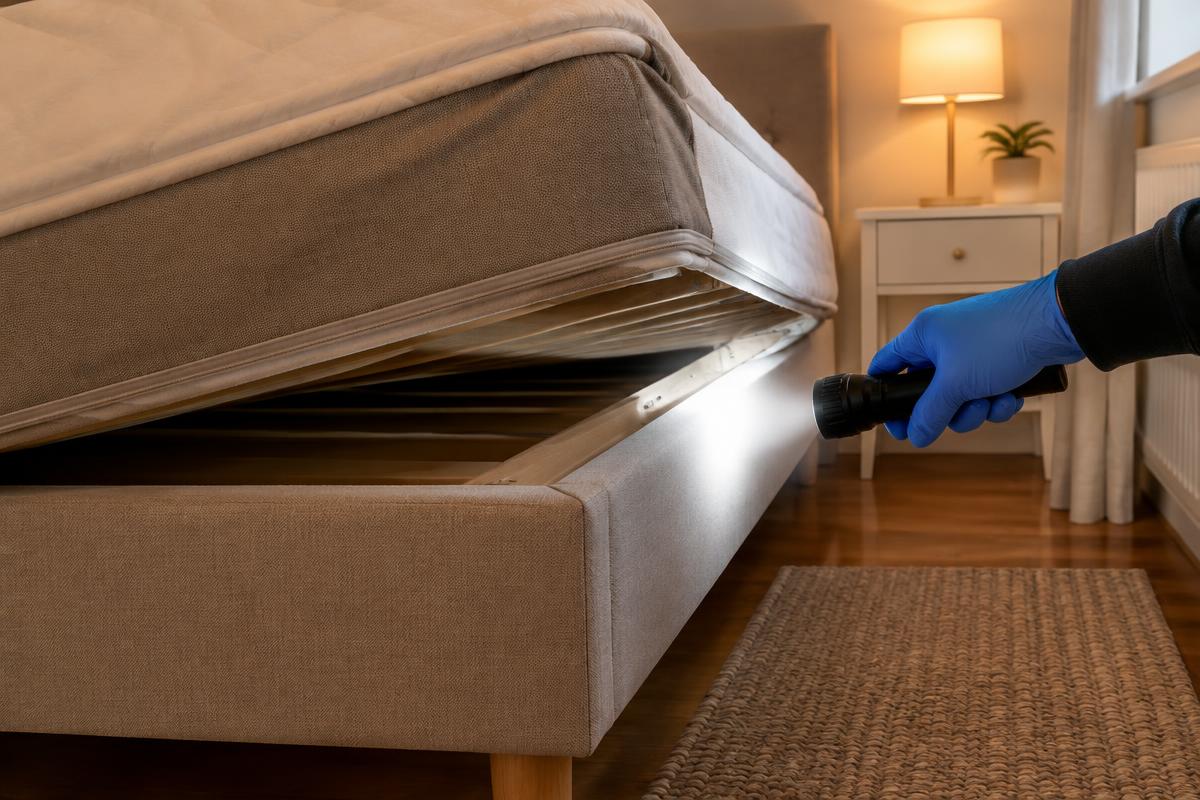
Start with the place where someone regularly sleeps, using a torch and a methodical approach. Examine accessible mattress edges, the bed frame and the area around the headboard. Keep the first inspection limited and manageable. You do not need to dismantle heavy furniture or open structural spaces to collect useful initial evidence.
Pay attention to protected joints and narrow gaps rather than looking only at the centre of the mattress. Bed bugs spend much of their time hidden, often close to a resting person. Nearby bedside furniture and upholstered items may deserve attention, particularly where someone sits or sleeps for long periods.
Do not force apart furniture, lift heavy beds alone or remove electrical fittings to investigate a suspected hiding place. These actions can cause injury or damage without improving identification. Tell the assessor about inaccessible areas so that they can be considered safely as part of a professional inspection and treatment plan.
Record both positive findings and the limits of your check. Saying that you found spotting on one side of a headboard is more helpful than saying the whole room is infested. Equally, finding nothing during a brief visual inspection does not rule bed bugs out, especially when numbers are low or hiding places are difficult to access.
What to do while you arrange an assessment
Once you have found credible signs, try to keep the situation stable until you receive advice. Moving into another bedroom can complicate the assessment and may encourage activity around a new sleeping location. If remaining in the room is difficult because of health or other circumstances, discuss this rather than making unsupported assumptions about the safest alternative.
Avoid taking bedding, clothing or soft furnishings into another room without a clear reason and suitable containment. Items being moved for advised laundering should be bagged before leaving the affected space. The right handling process depends on the item and the planned treatment, so request preparation instructions before starting a large clear-out.
Do not assume that discarding a mattress will resolve the problem. Bed bugs can occupy bed frames, nearby furniture and other sheltered locations. Carrying an uncovered mattress through communal areas may also move insects elsewhere. If disposal is genuinely necessary, ask how to contain and remove the item without creating further difficulties.
It is also sensible to pause improvised treatments. Household heaters and steam applied casually to a few visible areas are not equivalent to a controlled whole-area heat treatment. Tell the company about any sprays, powders or other products already used, including where and when they were applied, so this can inform the assessment.
- Keep a dated record of signs and affected rooms.
- Avoid changing bedrooms without discussing the implications.
- Keep potentially affected belongings in their existing room.
- Ask for instructions before laundering or disposing of items.
- Do not attempt whole-room heating with household appliances.
- Disclose any previous pesticide or other treatment use.
Shared homes and HMOs need a clear room history
In Bedfordshire shared homes and houses in multiple occupation, the first complaint may reveal only part of the picture. A resident may have changed bedrooms, slept temporarily on a sofa or stored luggage elsewhere. These details do not prove spread, but they help identify which spaces need further consideration during the initial assessment.
Provide a clear room list using consistent names or numbers. Include bedrooms, shared lounges and any other spaces used for sleeping, even occasionally. Explain which rooms are occupied, which are vacant and whether beds or upholstered furniture have been moved. Accurate room information is more useful than a general description of the property as affected.
Record any history of occupants moving rooms, with approximate dates where available. There is no need to speculate about who introduced the insects or collect unrelated personal information. The practical purpose is to understand connections between spaces and avoid planning treatment around an incomplete account of how the building has been used.
Tenants, landlords and managing agents should agree who will coordinate access and share preparation instructions. Consistent communication reduces the chance of one room being prepared while another remains inaccessible. Questions about responsibility or payment may need separate discussion, but the evidence-gathering process should remain factual, discreet and focused on the rooms requiring assessment.
- Supply a complete room list with clear room identifiers.
- State current occupancy and any recent changes.
- Describe previous moves between bedrooms.
- Identify sofas or other places used for sleeping.
- Record transfers of beds, mattresses or upholstered furniture.
- Confirm who can coordinate access and resident instructions.
How an assessment shapes the heat-treatment plan
A useful assessment brings together the physical evidence, the layout of the property and its recent use. The objective is to define an appropriate treatment area rather than simply treating the first object where a bug was seen. Suspected activity in adjoining rooms or connected sleeping spaces may require further investigation before the scope is agreed.
Modern flats, traditional houses and shared buildings can present different access and preparation requirements. Furniture layout, storage, room contents and the availability of power all need consideration. Property age alone does not establish the extent of an infestation, and a tidy room can still contain sheltered gaps that are difficult to inspect.
Be ready to explain when signs first appeared, where they were found and whether there has been any previous treatment. Photographs and a short timeline can make this discussion clearer. If you are uncertain about a detail, say so. A cautious account is more useful than an exact-sounding history based on guesses.
The assessment should also allow you to discuss practical concerns, including occupants, pets, sensitive belongings and access restrictions. These details help establish suitable preparation and safe treatment arrangements. A responsible plan explains what area will be treated and what remains uncertain, rather than promising that one visible sign reveals the full extent of the problem.
What professional bed bug heat treatment involves
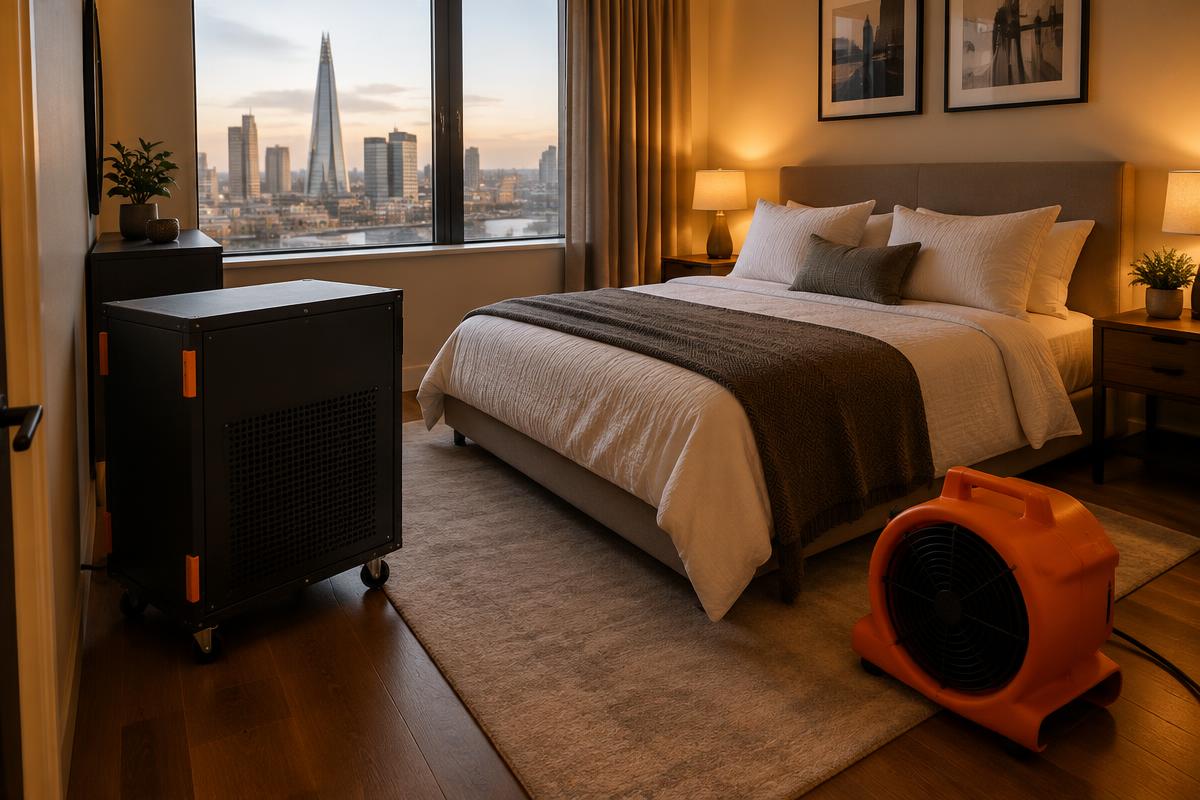
Bed Bug Heat Solutions UK uses controlled industrial heat of 60–65 degrees C across the whole treatment area. This is a planned professional process, not simply warming the air around a bed. Defining the treatment area correctly is therefore an important part of the work, particularly where more than one sleeping space may be involved.
The heating period is usually three to six hours. This describes the heating stage rather than a guaranteed total visit length or a precise time when occupants can return. Preparation, property conditions and the agreed treatment scope affect arrangements, which should be explained before the work takes place.
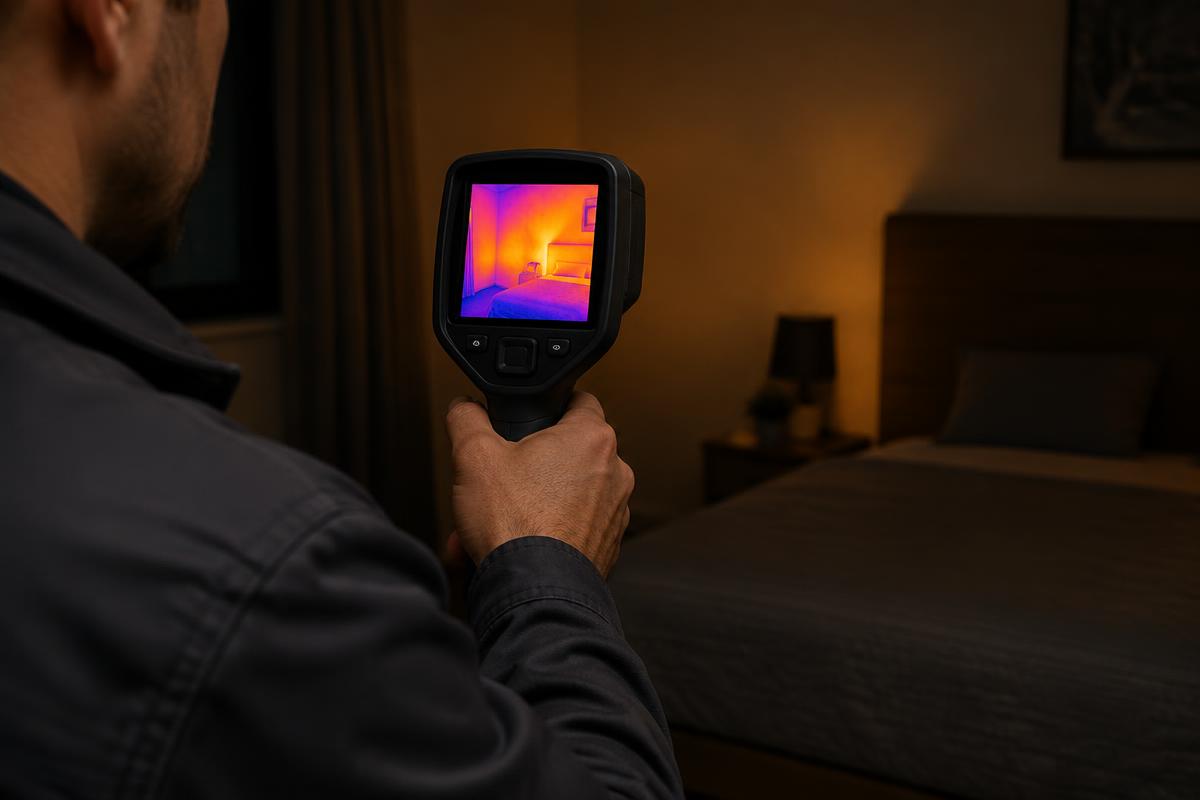
Monitoring uses active live thermal imaging cameras only. These help the team observe surface heat patterns during the controlled process. Thermal imaging is not a way to see individual bed bugs through walls or furniture, so it does not replace inspection, room-use information or careful decisions about the treatment area.
No harmful chemicals are used as the primary treatment. Heat nevertheless requires professional control and preparation because people, pets and certain belongings cannot simply remain in place without consideration. Follow the instructions provided for your property, and do not try to reproduce the process with portable household heaters or other improvised equipment.
Preparing without moving the problem elsewhere
Preparation should follow the treatment plan rather than a generic online checklist. Removing the wrong items can leave potentially affected belongings outside the treatment area, while leaving heat-sensitive possessions without advice can risk damage. Ask for clear instructions and raise any item you are unsure about before the treatment date.
Discuss medicines, aerosols, batteries, delicate materials and any possessions with storage-temperature limits. These are examples to review, not a universal instruction to remove everything in those categories. The team needs to explain how items should be handled, especially when an object might also provide a hiding place for bed bugs.
Make agreed access routes available without transferring loose belongings between bedrooms. If clutter needs organising, follow advice about containment and where items should remain. In shared accommodation, label rooms clearly and ensure each resident has the same version of the preparation instructions, rather than relying on messages passed informally from person to person.
Confirm arrangements for people and pets to be away from the treatment area and wait for permission before returning. Do not judge safety by whether a room feels comfortable at the doorway. The company should provide instructions for re-entry and aftercare, including how to report findings and handle items that were excluded from treatment.
Aftercare and choosing support in Bedfordshire
After treatment, keep any new observations specific. Photograph suspected insects, note the location and date, and distinguish a live insect from an old stain or shed skin. Existing marks do not disappear simply because treatment has taken place, so their continued presence alone does not demonstrate ongoing activity.
Follow the aftercare guidance before bringing stored or excluded belongings back into sleeping areas. Continue sensible checks without repeatedly dismantling furniture or applying additional products on your own. If you find credible fresh evidence, contact the treatment company with your record so that the next step can be based on the findings.
Bed Bug Heat Solutions UK serves Bedfordshire as part of its coverage across England and Wales. The company brings over 40 years of hands-on pest-control experience, is fully insured and holds RSPH Level 2 certification. Qualifying treatments include a six-month guarantee; ask for the eligibility requirements and written terms before booking.
The most useful first step is to share what you have seen and how the property is used. For a family home, that may be a few photographs and a bedroom history. For an HMO, include a room list and occupant movements. Early, accurate information helps turn a worrying discovery into a clear assessment and treatment plan.
Useful next steps
Frequently asked questions
Six-month guarantee
Qualifying treatments are covered for six months. Send your details for a free assessment.
More from the blog
How Long Does Bed Bug Heat Treatment Take?
Read the full guide: How Long Does Bed Bug Heat Treatment Take?