Berkshire
Bed Bug Heat Treatment in Berkshire: A Guide for Landlords, Tenants and Shared Housing
How Berkshire landlords, tenants and shared households can coordinate bed bug heat treatment, prepare safely and reduce the risk of problems spreading.
15 November 20269 min read
40 years
In the trade
Four decades of hands-on bed bug experience
Fully insured
Every treatment
Comprehensive liability cover on all work
RSPH Level 2
Certificated
Royal Society for Public Health qualified
Key points
- Report suspected bed bugs promptly and agree one main contact.
- Shared housing needs coordinated inspection, preparation and access.
- Controlled heat treats the whole agreed treatment area.
- Qualifying treatments include a six-month guarantee.
Why Berkshire rental properties need a coordinated approach
Bed bugs can affect any rented home, regardless of its condition or how carefully it is cleaned. In Berkshire, commuter apartments, family houses, shared accommodation and hotels all present different access and occupancy arrangements. A useful response begins with confirming the problem and bringing the right people into the conversation.
Berkshire’s major business centres and busy accommodation settings often involve frequent arrivals, departures and changes of occupant. Bed bugs can travel in luggage, clothing and second-hand furniture. Their presence does not establish who introduced them, and assumptions about responsibility can delay the practical steps needed to manage an infestation.
For landlords and tenants, the challenge is often organisational as well as technical. Someone needs to arrange an assessment, authorise the work, distribute preparation instructions and make sure the relevant rooms are available. In shared housing, those tasks become harder when residents have different working hours or separate tenancy arrangements.
Bed Bug Heat Solutions UK provides professional bed bug heat treatment across England and Wales, including Berkshire. Our approach uses controlled industrial heat across the whole treatment area, with no harmful chemicals as the primary treatment. Planning the treatment around the building and its occupants is an important part of that service.
Recognising a possible problem and reporting it clearly
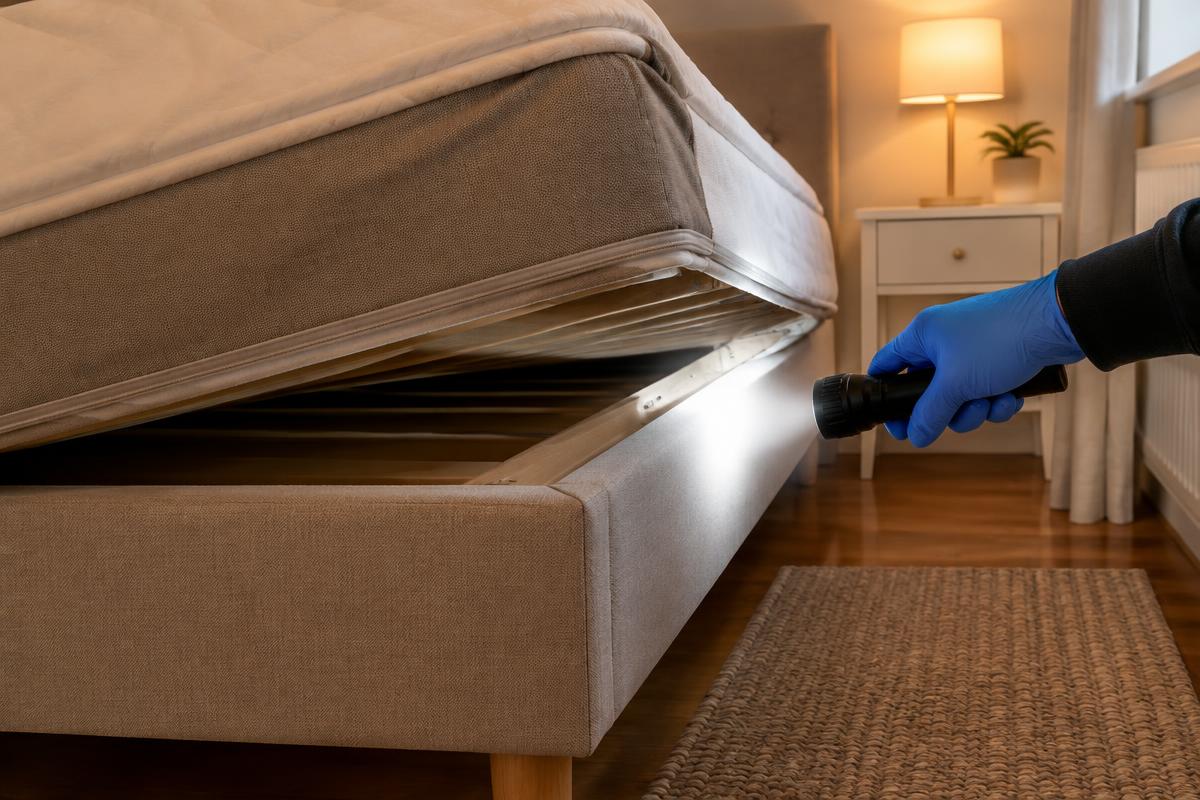
Possible signs include live insects, shed skins and dark spotting around mattress seams, bed frames or nearby furniture. Some people also notice bites after sleeping, but skin reactions alone cannot reliably identify bed bugs. Other insects and unrelated skin conditions can produce similar symptoms, so confirmation matters before treatment is arranged.
Tenants should report suspected activity to the landlord or managing agent in writing, giving the room location and when the signs were first noticed. Clear photographs can help with an initial discussion, although they may not provide a complete picture. If an insect can be safely contained, it may help identification.
Avoid moving mattresses, bedding or furniture into communal corridors or another bedroom while waiting for advice. Moving belongings can transfer insects into areas that were previously unaffected. Sleeping in a different room can also complicate the situation, so discuss any proposed changes with the treatment company rather than improvising a response.
A calm report is more useful than an accusation. Record what has been seen, which rooms may be involved and whether anyone has already used insecticides or other control measures. This gives the contractor relevant information and helps the property manager organise an assessment without relying on incomplete messages between residents.
Agreeing roles between landlords, tenants and managing agents
Responsibility for arranging or paying for bed bug treatment is not identical in every tenancy. It can depend on the circumstances, the tenancy terms and applicable housing duties. Neither the presence of bed bugs nor the date they were discovered automatically settles liability, so avoid presenting either as conclusive evidence.
The immediate priority is to agree how the property will be assessed and who can authorise the proposed work. Landlords and managing agents should provide a clear route for reporting concerns. Tenants should cooperate with reasonable arrangements, follow preparation advice and explain promptly if access or preparation will be difficult.
Choose one main contact to coordinate the appointment and circulate consistent instructions. That person should know who occupies each relevant room, who holds keys and whether there are restrictions on contractor access. A single contact reduces the chance of residents receiving conflicting information about what to move, remove or leave in place.
Where there is a dispute, keep records of reports, correspondence and proposed actions. Independent housing advice may be useful, and the local council’s housing or environmental health team may be able to explain relevant options. Assessment and sensible containment should not be unnecessarily delayed while people seek advice about their respective obligations.
Planning treatment in shared houses and HMOs
In a shared house or house in multiple occupation, the room where bed bugs are first noticed may not be the only affected space. Residents may share furniture, laundry facilities and communal rooms. The assessment should consider the wider layout rather than assuming that a single reported bedroom defines the full problem.
Whole-area treatment means treating the complete area agreed following assessment. It does not mean that every property automatically needs an identical scope of work. Nearby bedrooms, shared lounges and adjoining accommodation may need inspection or consideration, particularly where reports suggest activity in more than one location or there are routes between rooms.
Every affected resident needs the same preparation instructions, with enough opportunity to ask questions. If one room remains inaccessible or belongings are moved between rooms without guidance, the planned approach can be compromised. Discuss these issues before confirming the proposed treatment date so that the contractor can advise on a workable scope.
Communication should remain factual and respectful. Share the information needed to arrange access and preparation without identifying an individual as the source of the infestation. Residents may hesitate to report signs if they expect blame, which makes early coordination more difficult and can leave important information missing from the assessment.
- Identify one contact for the landlord, agent and residents.
- Record every room where signs have been reported.
- Confirm which bedrooms and communal areas need assessment.
- Arrange lawful access to all areas within the agreed scope.
- Give each resident the same written preparation instructions.
- Ask residents not to transfer belongings between rooms.
How controlled bed bug heat treatment works
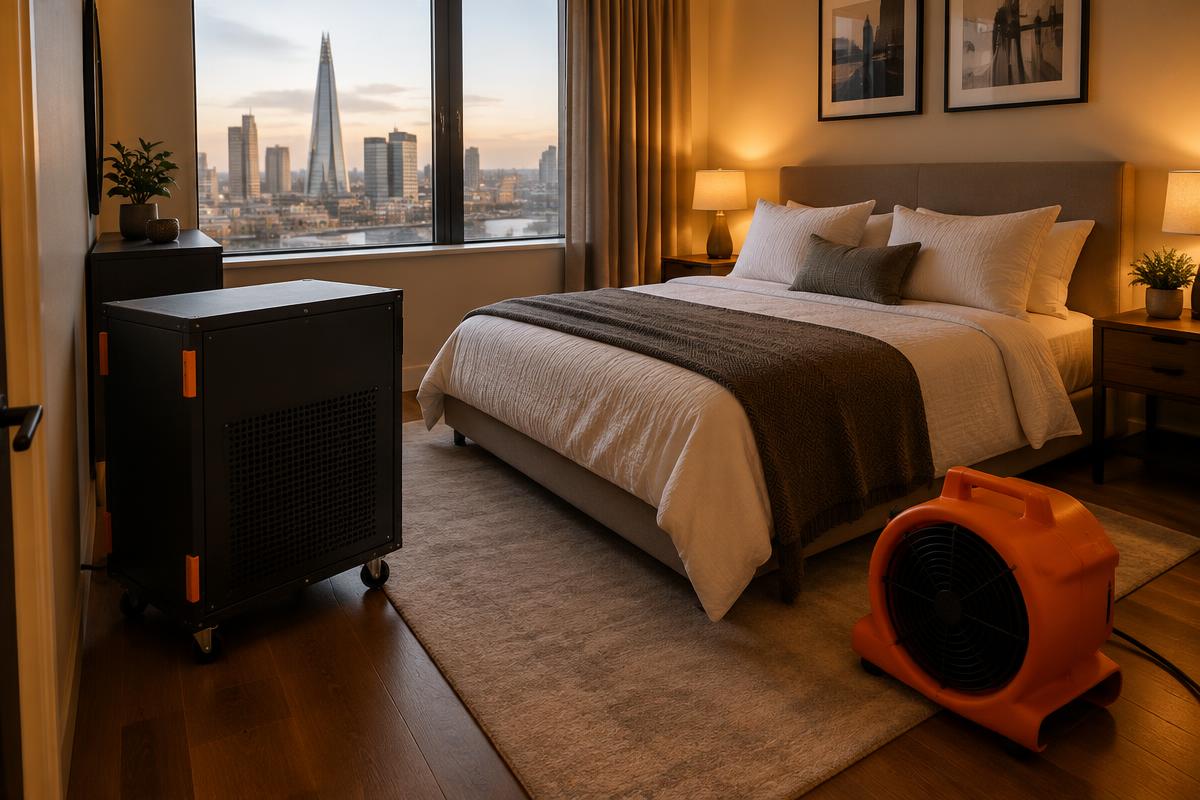
Bed Bug Heat Solutions UK uses controlled industrial heat of 60–65°C across the whole treatment area. The purpose is to deliver lethal heat to bed bugs and their eggs, including insects concealed in suitable furniture and other harbourages within that area. Professional planning is essential because heat must be managed safely and effectively.
The heating period is usually three to six hours. This is not a promise that the entire visit, preparation, cooling and return to normal use will fit within the same period. Room layout, contents and the agreed treatment scope influence the work, and the practical schedule should be discussed for the individual property.
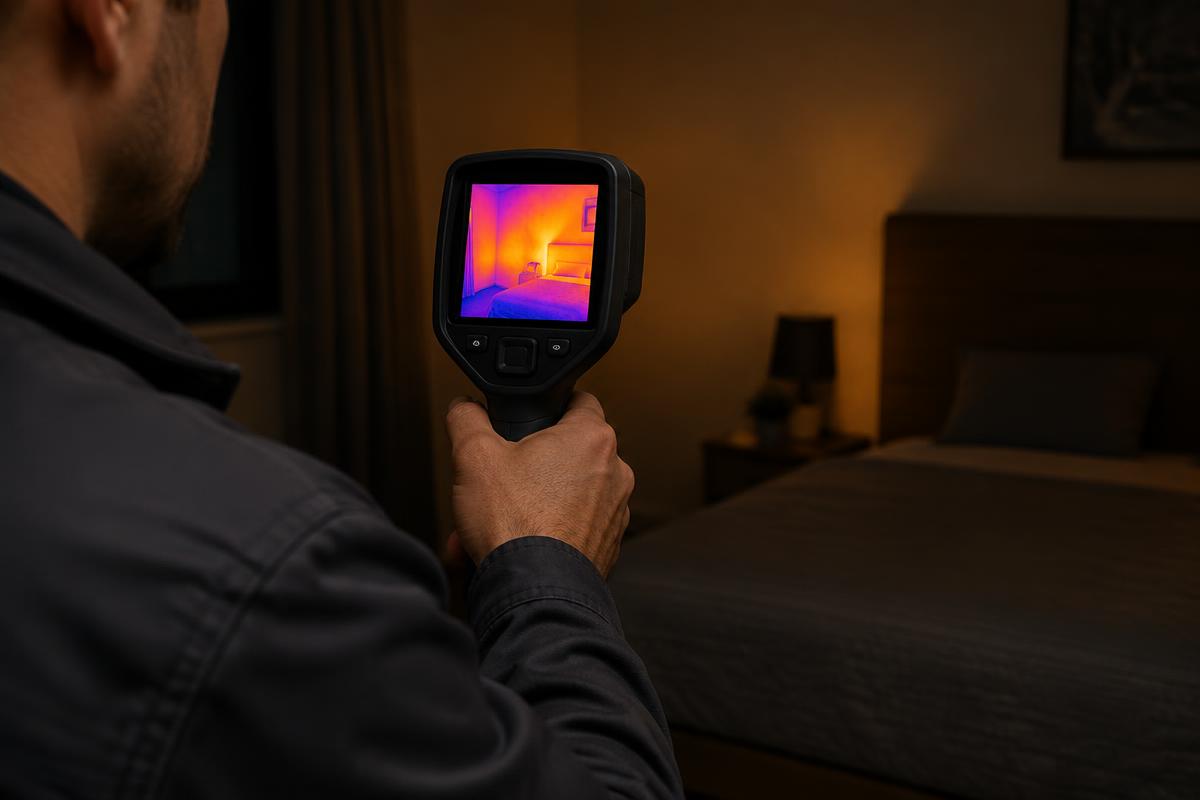
Monitoring uses active live thermal imaging cameras only. These allow the treatment team to observe visible heat patterns during the process and guide their management of the treatment. Thermal images are not a view through furniture or walls, so they are used alongside professional judgement about layout, contents and access.
No harmful chemicals are used as the primary treatment. However, a chemical-free primary approach does not mean occupants can remain inside during heating or that every possession can safely be left in place. The contractor’s preparation, exclusion and re-entry instructions remain essential, particularly in shared properties where several people need to follow them.
Preparing rooms and belongings without spreading bed bugs
Preparation should follow the instructions issued for the specific property. General advice found online may conflict with the treatment plan, particularly about moving furniture or removing possessions. Before starting, make sure tenants understand which items must stay, which require special handling and which cannot safely remain in the heated area.
Tell the contractor about medicines, aerosols, pressurised containers, delicate possessions and anything with a stated storage temperature limit. Pets, plants and aquariums also need advance discussion. Do not assume that a cupboard, drawer or insulated container will protect a sensitive item during treatment, and do not remove potentially infested belongings without containment advice.
Where laundering is recommended, follow guidance appropriate to the fabric and appliance. Keep processed items separate from untreated belongings and avoid carrying loose bedding through shared corridors. Clean-looking possessions are not necessarily free of bed bugs, so removing bags of clothing and returning them unchanged can undermine an otherwise carefully planned treatment.
Preparation can be difficult for residents with limited mobility, large amounts of stored belongings or little space. Raise these concerns early rather than leaving them until the treatment team arrives. The landlord, agent and tenant can then agree practical assistance, while the contractor explains what conditions are needed for safe and effective work.
- Read the property-specific preparation instructions before moving anything.
- Declare heat-sensitive possessions and temperature-limited medicines.
- Agree arrangements for pets, plants and aquariums.
- Contain belongings as instructed before taking them through shared areas.
- Keep processed laundry separate from untreated items.
- Explain any preparation difficulties to the main contact.
- Avoid unapproved insecticide use before the visit.
Organising access in apartment blocks and managed accommodation
Berkshire apartment buildings and managed accommodation can involve several parties, including a landlord, letting agent, concierge and building manager. Establish who is responsible for approving contractor access and who can make decisions about the affected accommodation. Building staff may need advance notice even when the work concerns a privately rented flat.
For hotels or apartment blocks, identify the responsible contact, loading arrangements and access to adjoining rooms before the proposed treatment date. This helps the contractor understand the practical restrictions and discuss whether nearby accommodation needs assessment. Access to adjoining rooms should be arranged through the appropriate authorised person, not assumed.
Discuss parking, equipment routes, lifts, stairs and any limits on deliveries or contractor working hours. Shared entrances and corridors need to remain safe for other occupants. The treatment company should also be told about relevant building systems and site rules so that any necessary coordination can happen before equipment is brought inside.
Never disable alarms or alter building safety arrangements on your own initiative. Any required planning around those systems belongs with authorised building personnel and the contractor. Clear access arrangements are equally important: tenants and guests should know which areas are unavailable and who will tell them when it is safe to return.
- Confirm the authorised property or building contact.
- Agree loading, parking and equipment access arrangements.
- Check lift access, stairs and shared entrance restrictions.
- Arrange any required access to adjoining rooms.
- Share relevant building safety rules with the contractor.
- Confirm how residents or guests will receive access updates.
Managing the treatment day and return to the property
Residents must plan to be outside the treatment area during the work and remain out until the team confirms that re-entry is safe. Arrange a suitable place for household members and pets in advance. Anyone with health, mobility or caring needs should raise them early so the practical arrangements can be considered.
Take only the essentials agreed with the treatment company. Moving untreated bags, bedding or clothing to another home can carry bed bugs elsewhere and later return them to the treated property. Ask how essential belongings should be checked or handled, especially if a tenant will spend the treatment period with family or friends.
The main contact should remain reachable for decisions about access or unexpected preparation issues. That does not mean staying inside the work area. In a shared property, make sure all residents know not to enter independently, including anyone returning from work who may not have been present when the team arrived.
After treatment, follow the team’s instructions on cooling, re-entry and returning possessions. Do not judge readiness by the temperature near an open doorway or by how long the heating has been running. The usual three-to-six-hour heating period is only one part of the process, and release of the area must be confirmed.
Aftercare, renewed activity and the six-month guarantee
Aftercare starts with avoiding the return of untreated belongings that could harbour bed bugs. Follow the agreed instructions for stored items, laundry and furniture, and keep the main contact informed of any concerns. In a shared household, those instructions need to reach every resident rather than only the person who booked the work.
Heat treatment does not leave a lasting barrier against bed bugs being introduced again. Travel, incoming furniture and belongings from elsewhere remain possible routes of introduction. This is why careful handling and early reporting remain useful after treatment, even when the original treatment area has been professionally addressed.
Bed Bug Heat Solutions UK offers a six-month guarantee on qualifying treatments. Ask for the written terms before booking so you understand eligibility, the agreed scope and the process for reporting suspected further activity. Do not assume that every booking or every later discovery falls under identical guarantee conditions.
If you notice a suspected live bed bug after treatment, record where and when it was found and contact the company for advice. A photograph or safely contained specimen may help. Skin symptoms alone do not establish treatment failure, so avoid making immediate conclusions or applying additional products before discussing the evidence.
Choosing professional help for a Berkshire rented property
A useful treatment discussion should cover the evidence of bed bugs, the property layout, occupancy and any previous attempts at control. Explain whether the home is a single tenancy, shared house, apartment or part of a managed accommodation building. These details help establish what needs assessing and who must be involved.
Ask what the proposed treatment area includes, how preparation will be communicated and what access is required. You should also understand the arrangements for leaving and returning, any belongings needing special handling and the guarantee terms. A clear plan is more valuable than a general assurance that every infestation can be handled in the same way.
Bed Bug Heat Solutions UK brings over 40 years of hands-on pest-control experience and is fully insured and RSPH Level 2 certificated. We serve England and Wales, including Berkshire, using controlled industrial heat with active live thermal imaging cameras only for monitoring. Treatment arrangements are discussed around the property’s needs and circumstances.
For landlords, tenants and shared households, the most productive first step is a coordinated enquiry with clear information about the suspected activity. Use the company’s contact channels to discuss assessment and treatment planning. Agree the responsible contact, preparation support and access arrangements early so that everyone understands their role before the proposed visit.
Useful next steps
Frequently asked questions
Six-month guarantee
Qualifying treatments are covered for six months. Send your details for a free assessment.
More from the blog
How Long Does Bed Bug Heat Treatment Take?
Read the full guide: How Long Does Bed Bug Heat Treatment Take?