Buckinghamshire
Preparing Your Property for Bed Bug Heat Treatment in Buckinghamshire
A practical guide to preparing Buckinghamshire homes for bed bug heat treatment, from managing belongings to arranging access and protecting heat-sensitive items.
3 October 20269 min read
40 years
In the trade
Four decades of hands-on bed bug experience
Fully insured
Every treatment
Comprehensive liability cover on all work
RSPH Level 2
Certificated
Royal Society for Public Health qualified
Key points
- Follow property-specific preparation instructions before moving belongings.
- Explain access restrictions, room layouts and storage conditions early.
- Identify heat-sensitive items without spreading bed bugs elsewhere.
- Arrange for people and pets to leave until re-entry is authorised.
1. Start with a preparation plan for your Buckinghamshire property
Preparing for bed bug heat treatment is not simply a matter of tidying bedrooms. The aim is to help the treatment team deliver controlled heat throughout the agreed treatment area while protecting unsuitable belongings and avoiding the spread of bed bugs. Good preparation begins with clear information about your property and a plan tailored to its contents.
At Bed Bug Heat Solutions UK, our primary treatment uses controlled industrial heat of 60-65 degrees C across the whole treatment area, without harmful chemicals as the primary treatment. The heating period is usually 3-6 hours. Preparation, equipment setup, cooling and checks also need to be considered when planning your time away from the property.
Buckinghamshire includes modern apartments, commuter homes and larger detached properties, each presenting different heat and airflow requirements. A compact flat with densely packed storage may need different preparation from a spacious house with several furnished reception rooms. We assess property volume, contents and equipment access rather than quoting from bedroom count alone.
Before starting any major clearing or cleaning, obtain the preparation instructions for your treatment. Explain where you have noticed activity, which rooms are used for sleeping and whether belongings have already been moved. Photographs and a clear description of the layout can help identify questions that should be resolved before the visit.
2. Give the team a complete picture of the infestation
Tell the team about suspected activity throughout the property, not just around the main bed. Bed bugs can shelter in furniture joints, upholstery, cracks and belongings close to resting places. A sofa used for sleeping, a guest bedroom or a regularly used armchair may be relevant even if the first signs appeared elsewhere.
Describe what you have found and when you first noticed it. Useful information includes sightings of insects, marks on bedding and activity around bed frames or furniture. Skin reactions alone cannot reliably identify bed bugs, so avoid assuming that every bite-like mark confirms an infestation or shows exactly where it is located.
Previous attempts to control the problem are also important. Let the team know about any sprays, powders, foggers or professional treatments, including where and when they were used. Do not add further products before the heat treatment unless specifically advised. Some products can affect safe preparation or complicate the planned approach.
If you live in an apartment or a property divided into separate dwellings, explain any suspected activity in neighbouring accommodation or shared areas. Treatment planning may require discussion with a landlord or managing agent. Preparing one dwelling correctly is valuable, but it does not resolve an untreated source elsewhere in a building.
3. Arrange access, parking and equipment routes
Reliable equipment access is an important part of preparing a Buckinghamshire property. Give details of gated developments, long driveways, parking controls and rooms above ground level when requesting availability. These details allow the team to assess practical arrangements before arrival rather than discovering a restriction when equipment needs to be brought inside.
For apartments, establish whether the building has a suitable lift, any booking requirements and rules governing contractors in communal areas. Tell us about narrow staircases, entry systems and access through shared corridors. Do not assume that permission to enter your flat automatically includes permission to use every communal access route.
Larger detached houses can present different access issues. A long approach, limited turning space or treatment rooms far from the nearest usable entrance can influence equipment handling. Describe these features accurately and discuss any concerns about floors, steps or narrow doorways so that the route can be considered in advance.
Clear the agreed route without transferring potentially infested belongings into other rooms or communal spaces. Keep exits available and avoid piling items near doors. If a landlord, concierge or managing agent needs to arrange entry, confirm those arrangements beforehand and make sure the person attending can contact the appropriate representative.
- Provide gate codes and explain entry-system requirements through the agreed contact method.
- Describe parking restrictions and arrange any necessary permission.
- Identify treatment rooms above ground level.
- Explain lift access, stairs and narrow doorways.
- Describe long driveways or difficult equipment routes.
- Keep the agreed access route and exits clear.
4. Manage clutter without moving the infestation
Reducing clutter can improve access, but hurriedly emptying a room can spread bed bugs through the property. Avoid carrying loose bedding, clothing, books or soft furnishings into unaffected spaces. Preparation should make the treatment area more accessible while keeping potentially infested contents within the agreed plan wherever appropriate.
Densely packed cupboards, boxes and storage beneath beds need particular attention because their contents affect how heat moves through the space. Tell the team about these areas before treatment. You may be asked to loosen or rearrange certain contents, but follow specific instructions rather than assuming every cupboard must be emptied.
Do not stack possessions into large, tightly packed piles to create the appearance of a clear room. This can make access and heat distribution more difficult. Equally, do not open every bag or container without advice. The correct arrangement depends on what is inside, its suitability for heat and the treatment method being used.
Disposal is not automatically necessary. Moving a mattress or sofa out of the property can carry bed bugs through hallways and stairwells, and replacing furniture alone does not address insects elsewhere. If disposal is recommended, agree on containment and the removal route before moving the item, and prevent others from taking it for reuse.
5. Prepare bedding, clothing and laundry carefully
Bedding and clothing often prompt the most preparation questions. Do not assume that all textiles should be removed or that everything should be washed before the appointment. Many suitable items may form part of the treatment area, but their arrangement matters. Follow the instructions given for your bedding, wardrobes, drawers and stored fabrics.
Where laundering is recommended, keep the handling process controlled. Bag potentially infested textiles before carrying them to the washing machine, avoid shaking them out and follow fabric care labels. Ask for advice on suitable washing or tumble-drying steps rather than relying on an ordinary wash cycle to deal with every item.
Keep items that have completed the agreed laundry process separate from untreated belongings. Use clean bags or containers as directed, and do not return them to an untreated bed, sofa or laundry basket. Labelling can help household members distinguish between items awaiting attention and those already handled according to the preparation plan.
Plan the clothes you will wear while away from the property with the same care. A coat, overnight bag or pair of shoes taken from an affected room can undermine efforts to avoid spreading bed bugs. Ask how to prepare essential belongings for leaving, particularly if you intend to visit another household.
- Ask which textiles should remain within the treatment area.
- Contain potentially infested laundry before carrying it.
- Follow fabric care labels and the agreed laundry instructions.
- Keep prepared laundry separate from untreated belongings.
- Avoid leaving loose clothing in shared corridors or vehicles.
- Agree how to prepare clothing and bags needed while away.
6. Identify heat-sensitive belongings before treatment
Some belongings may be unsuitable for the planned heat exposure and require separate arrangements. Identify medicines, aerosols, pressurised containers, candles, cosmetics, adhesives and other items with storage-temperature restrictions. This is not an exhaustive removal list. Give the team details so that decisions can reflect the product, its location and the treatment plan.
Discuss electronics, batteries, musical instruments, valuable artwork, photographs and delicate finishes rather than making assumptions about their heat tolerance. Manufacturer guidance may be relevant, particularly for sensitive or valuable items. Do not switch equipment on, leave it charging or cover it in an attempt to protect it unless that action has been specifically agreed.
Food, drinks and plants also need consideration. Explain what is stored in the treatment area, including wine collections, specialist food supplies and indoor plants. Items that could melt, spoil, leak or be damaged should be identified early. Ask about appliances and their contents rather than unplugging or emptying everything without guidance.
Removing an unsuitable item does not mean it can be carried unprotected into another home. Anything from an affected area may need assessment for bed bug risk and a separate handling plan. Tell the team if an item cannot tolerate heat but might harbour insects, so that it is not overlooked or returned untreated.
- Identify products carrying temperature-related storage warnings.
- Flag medicines, aerosols and pressurised containers.
- Discuss electronics, batteries and charging devices.
- Highlight artwork, instruments and other delicate valuables.
- Ask about food, plants and appliance contents.
- Agree containment or separate handling for unsuitable items.
7. Make beds, furniture and storage accessible
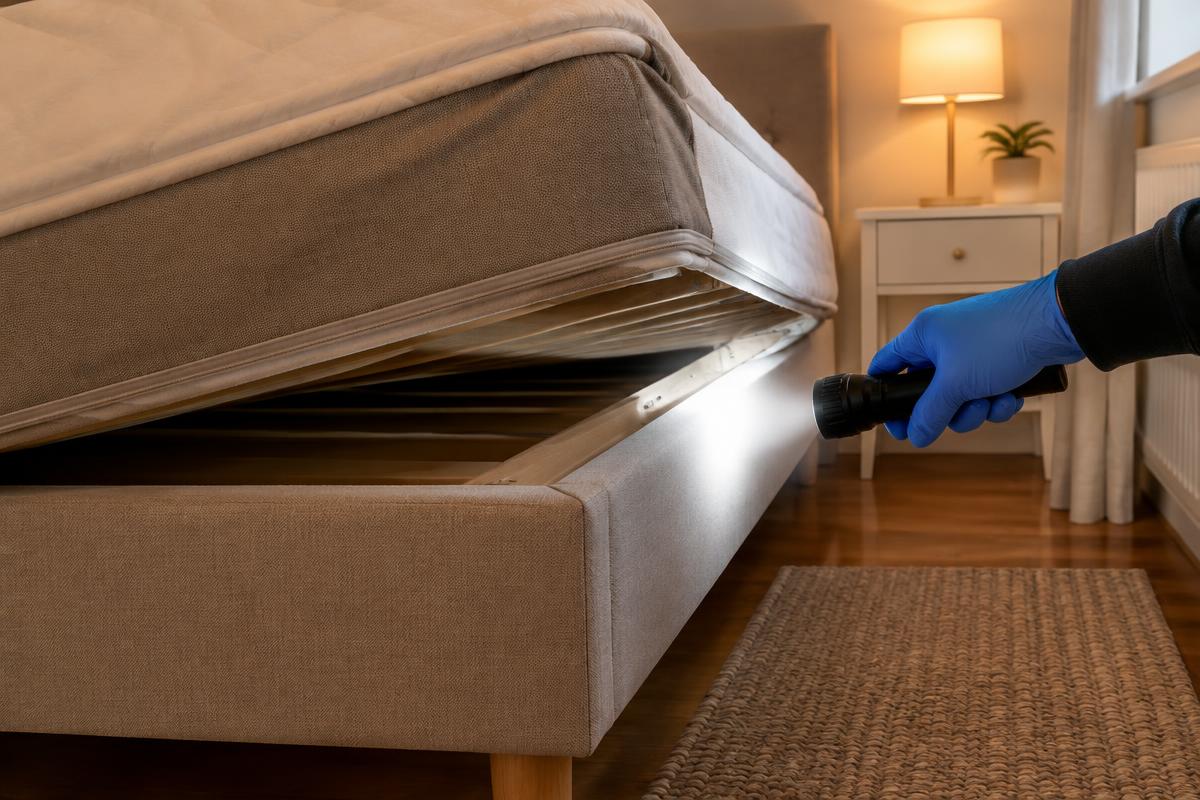
The treatment team needs to understand the furniture and storage arrangements in each room. Divan bases, ottoman beds, fitted wardrobes and large upholstered furniture can affect access and airflow. Tell us about enclosed storage, heavy pieces and any furniture that cannot be moved safely, particularly in rooms with limited working space.
Do not dismantle beds or move heavy wardrobes unless instructed and able to do so safely. Unnecessary dismantling can scatter contents, cause injury or damage furniture. The team will advise what access is required and which adjustments should be left for the visit, based on the agreed treatment area and room layout.
Prepare access to relevant edges, gaps and storage areas without creating new obstructions. Avoid pushing every item against one wall or using one bedroom as a temporary storage room for the rest of the property. Concentrating contents in a small space can make the planned heat and airflow arrangements more difficult.
Mention fitted joinery, unusual room shapes, high ceilings and rooms connected through narrow openings. In larger Buckinghamshire homes, differences between adjoining spaces can be significant. Heating an open living area and treating a densely furnished bedroom are not identical tasks, which is why a complete description of the property is more useful than bedroom count.
8. Plan for people, pets and time away
People and pets must leave the treatment area and remain away until the team authorises re-entry. Make arrangements for children, older residents and anyone with mobility or health needs before treatment day. Discuss any difficulty leaving the property early, rather than expecting to stay in a room outside the immediate working space.
Tell us about every animal kept at the property, including fish, reptiles, birds and small mammals. Tanks, enclosures and their associated equipment need specific planning. Do not assume that covering an enclosure or leaving a pet in another room provides adequate protection from the treatment conditions.
Although the heating period is usually 3-6 hours, that is not a promise of the total time you will be away. Setup, property conditions, cooling and completion checks also affect arrangements. Keep your plans flexible and wait for confirmation that re-entry is permitted rather than returning at a time calculated from the heating period alone.
Take essential medicines, keys and other agreed necessities with you using the preparation advice provided. Keep the number of belongings you take out to a minimum, and consider their potential to carry bed bugs. If someone else will receive the handover, make sure they understand the preparation decisions and can follow the aftercare instructions.
9. Know what happens during controlled heat treatment
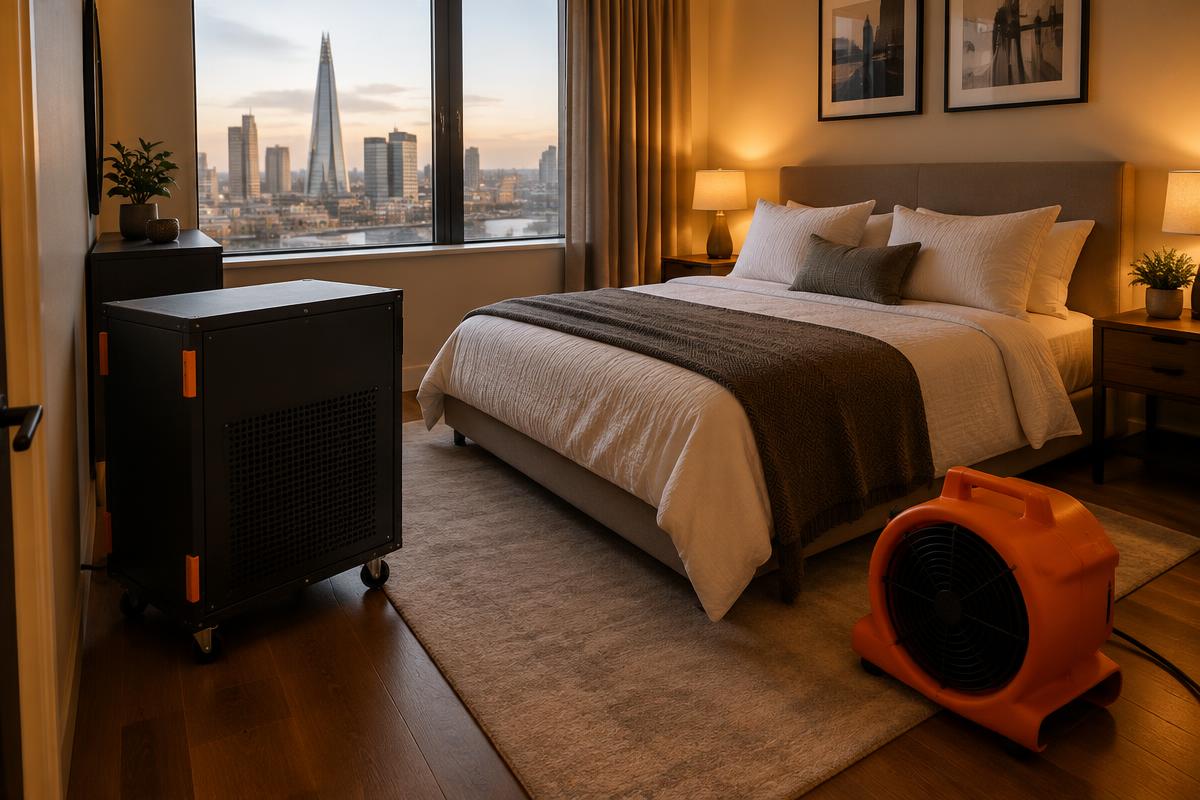
Once preparation has been checked, the team establishes the equipment and airflow arrangements for the agreed treatment area. Controlled industrial heat of 60-65 degrees C is applied across that area. The layout, contents and access conditions all influence the working approach, which is why preparation should follow a property-specific plan.
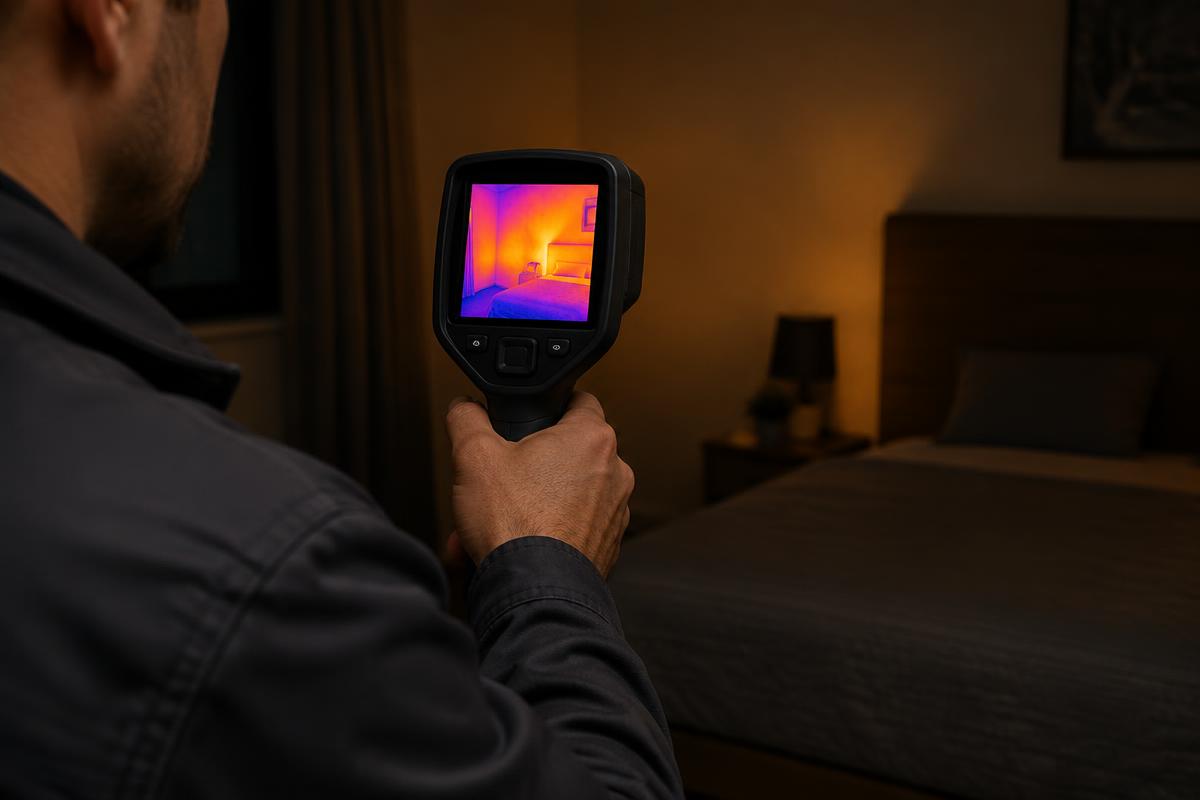
Monitoring uses active live thermal imaging cameras only. These allow the team to assess visible heat patterns during treatment and inform adjustments to heat and airflow. Dense contents, enclosed spaces and obstructed routes remain important practical considerations; thermal imaging does not remove the need for careful assessment and correct preparation.
The heating period is usually 3-6 hours, but treatment is not simply a matter of switching on heaters and leaving them unattended. Professional control of the treatment conditions and attention to the property are essential. Household heaters and improvised heating methods are not a safe substitute for a properly planned professional treatment.
Do not enter to collect forgotten belongings or change the arrangement of doors, windows, furniture or equipment while work is underway. If an urgent need arises, contact the team and follow their instructions. Your role during this stage is to remain available for agreed communication while staying outside the treatment area.
10. Prepare for re-entry, aftercare and the guarantee
Return only when the team confirms that re-entry is authorised. Follow the handover advice about the condition of the property, any remaining precautions and the next steps for belongings handled separately. Do not assume that an item excluded from treatment is ready to go back simply because work inside the property has finished.
Ask what to expect during aftercare and how to report suspected activity. Keep a note of where and when you find anything concerning, and provide clear photographs where possible. Skin reactions alone are not a reliable measure of treatment outcome, so seek advice rather than immediately applying sprays or moving furniture between rooms.
A six-month guarantee is available on qualifying treatments. Ask for the applicable written terms before booking, including eligibility, preparation responsibilities and any exclusions. A guarantee should not be interpreted as a promise that new bed bugs cannot enter the property through luggage, visitors, furniture or an unresolved source outside the treated area.
Bed Bug Heat Solutions UK serves Buckinghamshire and the wider England and Wales area, with over 40 years of hands-on pest-control experience. We are fully insured and RSPH Level 2 certificated. When requesting availability, provide your property layout, contents, access details and preparation concerns so that the proposed treatment can be assessed properly.
Useful next steps
Frequently asked questions
Six-month guarantee
Qualifying treatments are covered for six months. Send your details for a free assessment.
More from the blog
How Long Does Bed Bug Heat Treatment Take?
Read the full guide: How Long Does Bed Bug Heat Treatment Take?