Cambridgeshire
Why DIY Bed Bug Treatments Usually Fail in Cambridgeshire
DIY bed bug treatments often miss hidden activity, allowing infestations to continue in Cambridgeshire homes, shared rentals and university accommodation.
27 October 202610 min read
40 years
In the trade
Four decades of hands-on bed bug experience
Fully insured
Every treatment
Comprehensive liability cover on all work
RSPH Level 2
Certificated
Royal Society for Public Health qualified
Key points
- Treating the mattress alone can leave hidden bed bugs untouched.
- Moving rooms or belongings can spread activity beyond the original bedroom.
- Professional heat treatment needs careful preparation and a defined treatment zone.
- Qualifying treatments include a six-month guarantee, subject to its terms.
1. Why a DIY approach can leave the real problem behind
Finding suspected bed bugs often prompts an immediate response: wash the bedding, spray the mattress and clean every visible surface. These actions are understandable, particularly when sleep is being disrupted. The difficulty is that the visible sleeping area may represent only a small part of the infestation, leaving untreated hiding places nearby.
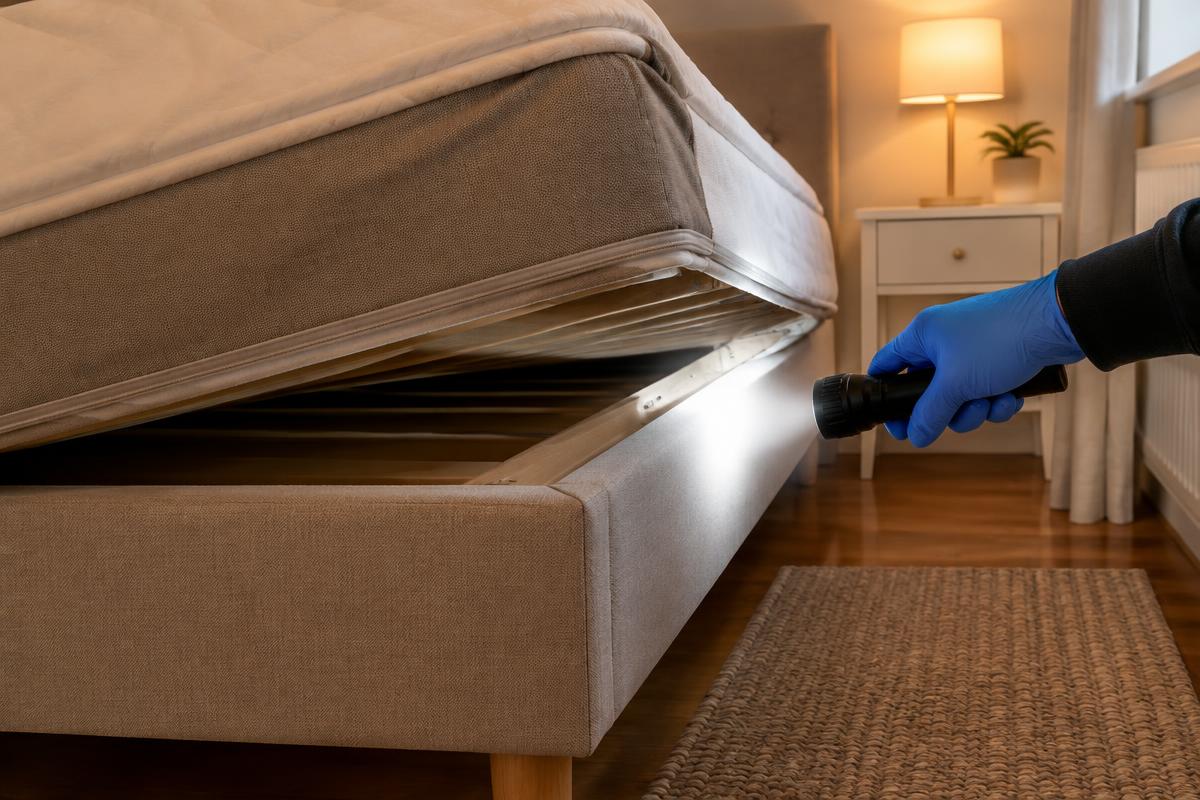
Bed bugs spend much of their time concealed in narrow gaps. Mattress seams, bed frames, headboards, furniture joints and gaps around skirting can all provide shelter. Removing insects from one accessible surface does not establish whether others remain elsewhere, and an apparently clean bedroom is not necessarily free of bed bugs.
DIY treatment usually fails when it tackles what can be seen without establishing the likely extent of activity. A product may kill an insect it directly contacts while missing those deeper inside furniture. Eggs can also escape treatment, depending on the method, allowing activity to resume after an apparently encouraging pause.
In Cambridgeshire, the right starting point is not simply the size of the bedroom or the number of bites reported. It is an assessment of the property, the evidence and how rooms are used. That wider view helps avoid repeated attempts that reduce visible signs without resolving their underlying cause.
2. Misidentification leads to the wrong treatment
Skin marks alone cannot reliably confirm bed bugs. Reactions vary between people, and other insects or skin conditions can cause similar symptoms. Starting treatment solely because someone has itchy marks can lead to unnecessary product use while the actual cause remains unidentified. Equally, a person without visible reactions may still occupy an affected room.
Useful evidence includes live insects, cast skins, eggs and characteristic dark spotting around likely hiding places. None should be judged in isolation without care. Clear photographs or a securely contained specimen can help with identification, particularly when an insect is small or has been damaged during an attempt to remove it.
Another common mistake is interpreting a short period without new marks as proof that treatment worked. People respond differently to bites, and the timing of skin reactions is not a dependable guide to current activity. A sensible assessment considers physical evidence, the treatment history and what has happened across the property.
Before buying another product, record where signs were found and which rooms are occupied. Note any recent travel, second-hand furniture or changes in sleeping arrangements without assuming that one event is definitely responsible. This information gives a pest professional a clearer starting point and reduces the risk of treating the wrong problem.
- Photograph suspected insects and signs clearly.
- Record the room and location of each finding.
- Keep a specimen securely contained if practical.
- Note when signs were first noticed.
- List any products or methods already used.
- Seek identification rather than relying on skin marks alone.
3. Sprays rarely reach every hiding place
A domestic spray can seem like the simplest answer because it is readily available and provides a visible action to take. However, direct contact is often critical, and bed bugs concealed inside joints or behind fittings may receive little or no exposure. Treating the top of a mattress cannot address every nearby refuge.
Some bed bug populations have resistance to certain insecticides, which can further limit results. That does not mean every product is ineffective in every situation. It means that choosing a product without understanding its limitations, the infestation and the treatment area can create a false sense of progress while activity continues.
Repeated spraying also introduces safety concerns when products are used outside their instructions. Bedding, mattresses and other frequently touched surfaces require particular care. Never mix pesticides, exceed label directions or use an outdoor product indoors. More product is not a substitute for correct identification, suitable coverage and a coordinated treatment plan.
Tell a professional what has already been applied, where it was used and approximately when. Keep packaging or product names where possible. Previous treatment can affect the assessment and preparation advice. Avoid adding further products while waiting for guidance, particularly if several unsuccessful attempts have already made the situation difficult to interpret.
4. Washing, vacuuming and steam have practical limits
Laundering suitable fabrics can form part of managing bed bugs, but it does not treat the whole room. Even when a washing or drying process is appropriate for an item, insects may remain in the bed frame, furniture or surrounding gaps. Returning treated bedding to an untreated space can expose it again.
Vacuuming may remove some accessible insects and debris, but it is not a reliable stand-alone solution. Narrow joints and concealed spaces are easily missed, and eggs may remain attached to surfaces. Vacuum contents also need careful handling and sealed disposal so that collected material does not become another route through the home.
Steam can kill bed bugs where an appropriate level of heat reaches them, but effective application takes care. Passing a domestic steamer quickly over fabric does not prove that hidden insects have been reached. Steam can also damage unsuitable materials, and careless use creates a risk of burns or moisture-related damage.
These measures are best understood as limited tools rather than evidence that an infestation has ended. Before washing or moving large quantities of possessions, ask for preparation advice. A coordinated plan helps separate treated and untreated items and avoids unnecessary handling that could carry bed bugs into previously unaffected rooms.
5. Moving rooms and belongings can widen the problem
When a bed feels uncomfortable or worrying, moving to the sofa or another bedroom is a natural reaction. Unfortunately, changing sleeping arrangements can complicate an infestation. Bed bugs may seek another feeding location, while bedding, bags and clothing moved with the occupant can transport insects into a different part of the property.
Discarding a mattress is not necessarily a solution either. Bed bugs may already be present in the frame, headboard or nearby furniture, so a replacement mattress can become affected. Carrying an uncovered item through corridors or shared areas can also create opportunities for insects to leave it along the way.
In Cambridgeshire university accommodation and shared rentals, belongings may move between bedrooms, communal spaces and other addresses. If occupants have changed rooms or taken possessions elsewhere, explain this when enquiring. These details may alter the rooms that should be assessed and help identify whether another address needs separate advice.
Avoid assuming that every room must be treated, but do not assume the original bedroom is the only relevant space. The sensible treatment zone depends on evidence and movement history. Clear information about who slept where, and which items were moved, is more useful than trying to minimise the apparent size of the problem.
- Report any changes in sleeping arrangements.
- Explain whether belongings have moved between addresses.
- Avoid transferring unassessed furniture into other rooms.
- Do not donate or sell potentially affected possessions.
- Ask for advice before discarding a mattress or bed frame.
- Coordinate decisions with other occupants in shared accommodation.
6. DIY heat is not controlled whole-area heat treatment
Bed bugs are vulnerable to sufficient heat, but that does not make every heating method dependable. The important issue is whether the required conditions reach the insects where they are hiding. A hot surface, a warm room or a heater running for several hours does not establish that concealed spaces have been effectively treated.
Turning up domestic heating or placing portable heaters around a bedroom is not equivalent to professional heat treatment. Uneven heating can leave cooler areas, while unsuitable equipment can create fire and electrical risks. Ovens, improvised heating arrangements and attempts to heat sealed possessions without specialist guidance should not be used for bed bug control.
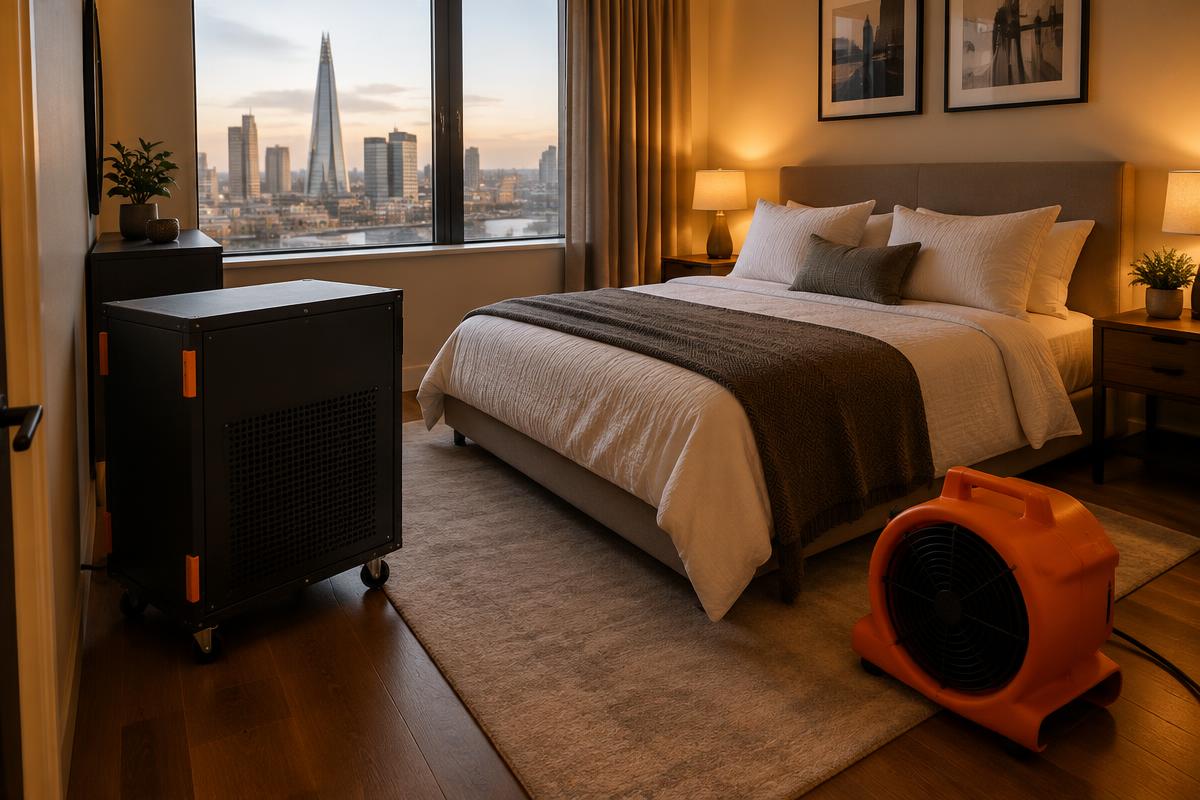
Bed Bug Heat Solutions UK uses controlled industrial heat of 60–65 degrees C across the whole treatment area. The heating period is usually 3–6 hours. This is a managed process involving the treatment zone, the arrangement of its contents and the movement of heated air, rather than simply warming the most obvious affected item.
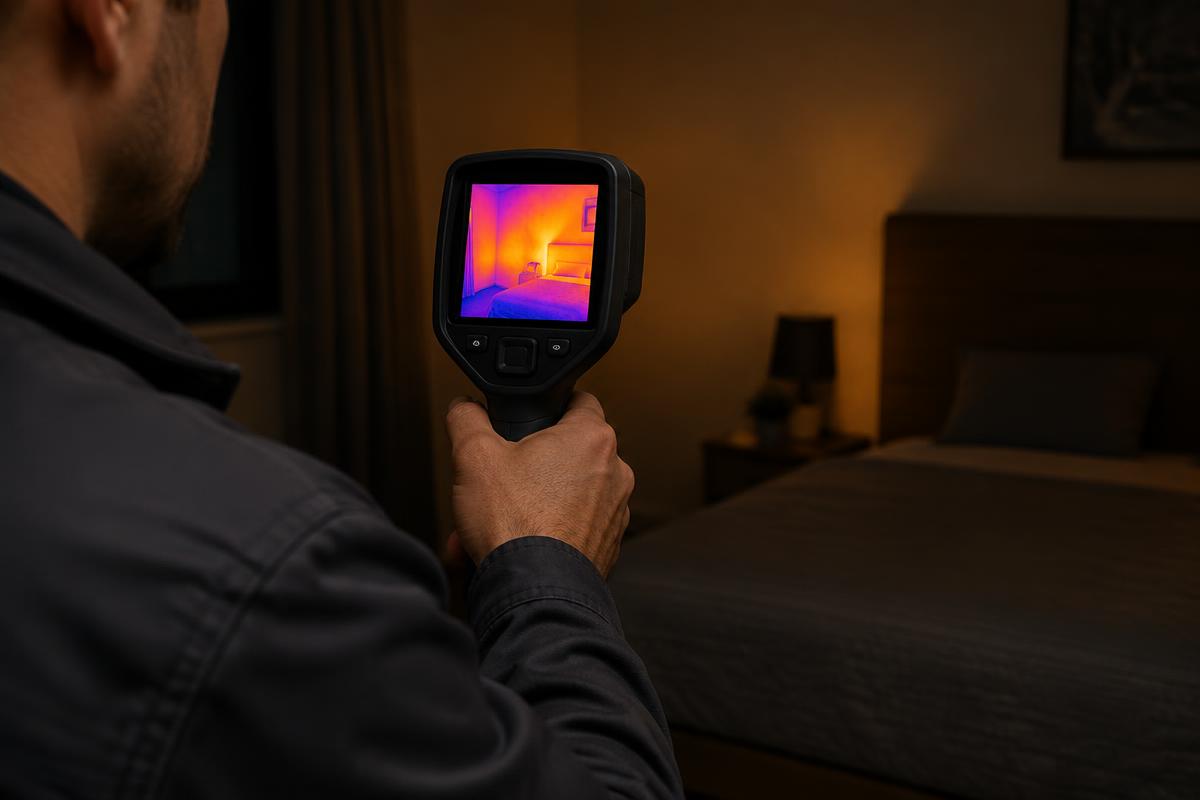
Monitoring uses active live thermal imaging cameras only. These provide live thermal information to support the management of the treatment. Preparation and access remain important because dense contents and obstructed areas can complicate heat distribution. Professional planning addresses those practical challenges rather than assuming that heat will automatically reach everywhere without intervention.
7. Cambridgeshire properties need different treatment plans
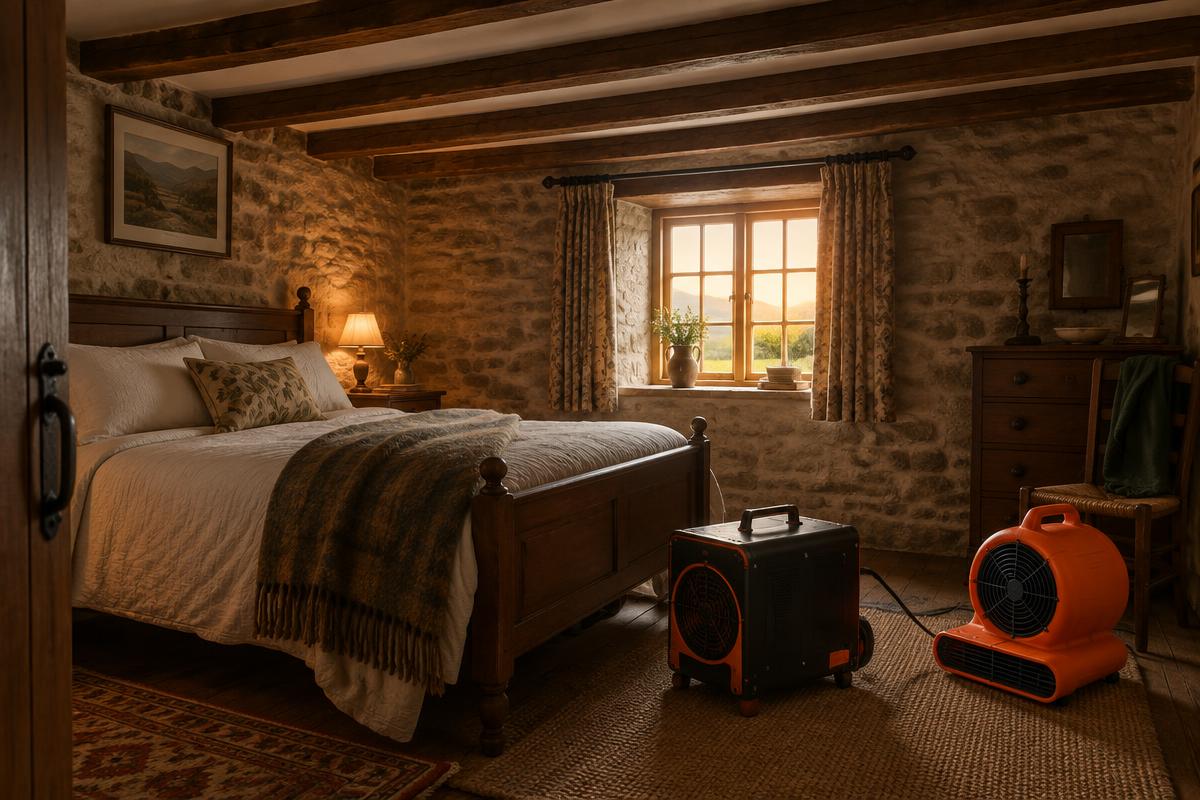
Cambridgeshire includes university accommodation, shared rentals, city apartments and rural homes, each with different access and occupancy challenges. A room in a busy shared building presents different practical questions from a detached home with several spare bedrooms. The property details help define a sensible treatment zone instead of relying on a standard room-by-room assumption.
In university accommodation, it is important to understand who manages the building and how access will be arranged. Occupants may have moved belongings between their term-time room and a family address. Reporting those movements early helps the assessment and avoids a treatment plan based only on where signs were most recently noticed.
City apartments and shared rentals may involve communal entrances, restricted access, neighbouring rooms and several people with different schedules. Where there is concern about activity beyond one dwelling or bedroom, coordination with the relevant landlord or accommodation manager may be needed. A single occupant's DIY treatment cannot resolve an unassessed problem elsewhere in the building.
Rural homes can bring different issues, such as larger layouts, stored possessions or bedrooms used only occasionally. Distance from a city does not change bed bug biology, and a tidy or isolated home is not protected from introduction. What matters is a practical assessment of evidence, occupancy, access and the movement of people and possessions.
8. Preparation determines what a treatment can reach
One reason DIY efforts disappoint is that preparation is improvised. Items are moved to make spraying or cleaning easier, but nobody records where they went or whether they may be affected. Professional preparation should instead follow clear instructions linked to the chosen treatment and the conditions at the property.
For heat treatment, discuss heat-sensitive possessions, medicines, aerosols, batteries and other items that may need special handling. Do not decide independently that potentially affected belongings should be moved into an untreated room. The team should explain what needs removing, what can remain and how to manage items without undermining the treatment zone.
Access also needs planning. The team needs accurate information about the layout, furniture, stored contents and any restrictions affecting entry or equipment. Occupants and pets will need arrangements consistent with the treatment instructions, including advice about leaving the area and returning only when the team confirms it is safe to do so.
Preparation is not a test of housekeeping, and there is no benefit in hiding the extent of clutter or the number of affected rooms. Honest information makes planning safer and more realistic. If instructions are difficult to follow because of mobility, tenancy or occupancy issues, raise this before treatment so that suitable arrangements can be discussed.
- Provide an accurate description of the rooms and their contents.
- Explain access restrictions and shared entrance arrangements.
- Ask how heat-sensitive belongings should be handled.
- Disclose products previously applied in the treatment area.
- Plan for occupants and pets to leave as instructed.
- Follow the team's guidance on moving and containing possessions.
- Confirm the return arrangements before treatment begins.
9. A quiet spell is not the same as lasting control
DIY treatment often creates uncertainty because there is no clear way to judge the result. Seeing fewer insects can be encouraging, but it may reflect only a partial reduction. Hidden survivors or eggs missed by the method can allow further activity, leaving occupants repeating the same steps without understanding why the problem returns.
Reintroduction is another possibility. Bed bugs can arrive again on belongings even after an earlier infestation has been successfully treated. That is why the history of moved items and other addresses matters. Treating one room while repeatedly bringing potentially affected possessions back into it can make a successful result difficult to maintain.
After professional treatment, follow the advice given about belongings, room use and reporting concerns. Physical evidence is more useful than trying to interpret every skin sensation. If you find a suspected insect, photograph it and contact the team rather than immediately applying another product that could complicate investigation or conflict with aftercare instructions.
Bed Bug Heat Solutions UK offers a six-month guarantee on qualifying treatments, subject to its terms. Ask which treatments qualify, what the guarantee covers and what responsibilities apply before booking. A guarantee should be understood as part of a clear service agreement, not as a promise that a property can never experience a new introduction.
10. When to stop repeating DIY treatments and seek advice
Professional advice is sensible when signs continue after DIY attempts, activity appears in more than one room or belongings have moved between addresses. It is also worthwhile when identification is uncertain. Waiting until repeated purchases and cleaning have failed can make the history harder to follow and increase disruption without resolving the infestation.
When enquiring about bed bug heat treatment in Cambridgeshire, describe the property type, the rooms involved and the evidence found. Include previous products, changes in sleeping arrangements and any access limitations. These details help the team discuss the likely scope of assessment and preparation without making assumptions based solely on the number of bedrooms.
Bed Bug Heat Solutions UK serves England and Wales and brings over 40 years of hands-on pest-control experience. The company is fully insured and RSPH Level 2 certificated. Its primary treatment uses controlled industrial heat rather than harmful chemicals, with active live thermal imaging cameras used to monitor the heat treatment.
The main lesson from unsuccessful DIY treatment is not that occupants have failed to clean thoroughly enough. It is that bed bugs are difficult to reach consistently without a coordinated approach. Accurate identification, a sensible treatment zone, careful preparation and clear aftercare offer a more dependable basis for tackling the problem than another isolated spray or wash.
Useful next steps
Frequently asked questions
Six-month guarantee
Qualifying treatments are covered for six months. Send your details for a free assessment.
More from the blog
How Long Does Bed Bug Heat Treatment Take?
Read the full guide: How Long Does Bed Bug Heat Treatment Take?