Norfolk
Bed Bug Heat Treatment Costs: What Affects The Price In Norfolk
Find out what influences bed bug heat treatment prices in Norfolk and which property details help build a clear, properly scoped quotation.
19 July 202610 min read
40 years
In the trade
Four decades of hands-on bed bug experience
Fully insured
Every treatment
Comprehensive liability cover on all work
RSPH Level 2
Certificated
Royal Society for Public Health qualified
Key points
- Treatment area, room layout and contents matter more than bedroom count alone.
- Clear photographs and an accurate infestation history help quotations reflect the work needed.
- Check preparation, treatment scope and guarantee terms before comparing prices.
- Qualifying treatments include a six-month guarantee.
Understanding Bed Bug Heat Treatment Costs in Norfolk
Bed bug heat treatment costs in Norfolk depend on the work required at the particular property, rather than a single county-wide price. A one-bedroom flat with densely packed furniture can present different challenges from a larger, lightly furnished house. The useful question is not simply how many bedrooms you have, but what needs treating and how safely and effectively that space can be heated.
A properly assessed quotation brings together the treatment area, the building layout, the volume of belongings and the evidence of bed bug activity. Access and preparation also matter because they affect how equipment can be brought in and how the treatment can be organised. These details help define a realistic scope before anyone commits to a booking.
For Norfolk customers, location is part of that assessment rather than a reason to assume a particular surcharge. A central Norwich flat, a terraced house in Great Yarmouth and a rural property outside King's Lynn may have quite different access arrangements. Providing the postcode and a straightforward description of the property helps avoid assumptions.
Bed Bug Heat Solutions UK serves England and Wales, including Norfolk. Its primary treatment uses controlled industrial heat of 60-65 degrees C across the whole treatment area, with live thermal imaging monitoring. Understanding what that service involves makes it easier to assess a quotation on its actual scope rather than on a headline figure alone.
Treatment Area and Layout: Why Bedroom Count Is Not Enough
Bedroom count is a useful starting point, but it does not describe the full space involved. Rooms with high ceilings, connected dressing areas or open-plan layouts can require a different setup from compact rooms with straightforward boundaries. A quotation needs to reflect the treatment area as agreed, rather than treating every bedroom as an identical unit.
It is also important to distinguish the room where bites were first noticed from the area that may need treatment. Bed bugs can occupy hiding places around sleeping and resting areas, including furniture outside the main bedroom. Reports of activity in a lounge, guest room or adjoining space should be included when requesting a quote.
Property layout can influence how the work is planned and how equipment is positioned. Split-level accommodation, narrow internal stairs and rooms spread over several floors introduce practical considerations that are not apparent from a floor-area figure. A simple sketch or floor plan can be more informative than a description such as small house or standard flat.
Trying to reduce the quotation by leaving out a potentially affected room can create a false economy. The correct boundary should be discussed from the evidence and the property's use, not selected purely to obtain the lowest initial figure. Ask which rooms and connected spaces are included, and how any uncertain areas will be assessed before treatment.
- Give the number of floors and the rooms on each floor.
- Share approximate room dimensions or an available floor plan.
- Identify every room where bed bugs or suspicious signs have been found.
- Mention lounges or other rooms used for sleeping.
- Describe unusually high ceilings, open-plan areas or internal staircases.
How Infestation Evidence Shapes the Quotation
The extent and history of an infestation help determine what needs to be considered in the treatment plan. A recently identified problem in one sleeping area is not necessarily equivalent to recurring activity across several rooms. However, duration alone cannot establish the full spread, so the quotation should draw on several pieces of information rather than a single answer.
Useful evidence includes clear photographs of suspected insects, spotting around mattress seams and bed frames, and a description of where activity has been seen. Skin reactions alone cannot reliably confirm bed bugs because other conditions can look similar. If identification is uncertain, say so when requesting advice instead of presenting an assumption as a confirmed infestation.
Previous attempts to deal with the problem are relevant, even if they seemed unsuccessful. Mention any sprays, powders, discarded furniture or earlier professional treatments, together with approximate dates and affected rooms. This provides context for the assessment and helps the company understand what has changed since the signs first appeared.
Changes in sleeping arrangements also deserve attention. If someone moved from a bedroom to a sofa or another room after noticing bites, include that information without moving more belongings around. A fuller account allows the proposed scope to address the actual pattern of use, rather than focusing only on the bed where the problem was first noticed.
Furniture, Belongings and Building Features
The amount and arrangement of furniture can affect the resources needed for a treatment. A room with a divan bed, packed drawers, a large wardrobe and boxes underneath the bed presents a different heating challenge from a sparsely furnished guest room. Heat needs to be managed throughout the agreed area, not merely introduced into the open space.
Dense groups of possessions can make preparation and access more involved. Books, stored clothing, closely packed bags and heavily filled cupboards should be described honestly when requesting a quotation. This is not about judging housekeeping standards; it is about understanding the contents that will be present and giving preparation instructions suited to the property.
Building features also influence planning. Solid walls, substantial floors, large glazed areas and unusual room connections can affect how a space responds to heating. Customers are not expected to calculate heat loss or identify every construction material, but photographs and a note about unusual features can help flag questions that need clarification.
Heat-sensitive possessions need their own discussion before the appointment. Tell the company about medicines, specialist electronics, artworks, musical instruments or any belongings with manufacturer temperature limits. Do not assume that everything should remain in place or that removing items without guidance is safer, as unsuitable handling can move bed bugs into previously unaffected spaces.
Norfolk Access, Parking and Site Logistics
Access affects the practical work involved in getting professional heating equipment to the treatment area. Norfolk includes city streets, coastal accommodation and rural homes, so site arrangements can vary considerably. A nearby parking space and level entrance present different conditions from a long carry, several flights of stairs or a property reached through a restricted passage.
For a flat, explain which floor it occupies and whether there is a suitable lift. Shared entrances, entry systems and rules about using communal spaces can require advance coordination. A managing agent or building representative may need to clarify access arrangements, particularly where equipment must pass through areas used by other residents.
At rural properties, useful details include narrow gateways, uneven approaches and the distance between the parking position and the entrance. For town-centre homes or holiday accommodation, mention parking restrictions and any limits on loading. These points help the quotation account for known logistics rather than leaving avoidable obstacles to be discovered on arrival.
The company may also need information about the property's electricity supply and any known limitations so that equipment arrangements can be considered. Do not attempt electrical alterations or assume that a domestic extension lead is an appropriate solution. Share what you know and ask what further information is required before the treatment plan is confirmed.
- Provide the full postcode and property type.
- Describe parking and the distance to the entrance.
- State the floor level and available stair or lift access.
- Flag locked gates, shared entrances and restricted passages.
- Mention loading restrictions or building access rules.
- Explain any known electrical supply limitations.
What the Heating Period and Monitoring Involve
A heat treatment quotation covers more than the period when heating is taking place. Planning, equipment handling, preparation checks and the arrangements for returning to the property all form part of the practical job. When comparing services, check whether a stated duration refers to heating alone or to the wider appointment.
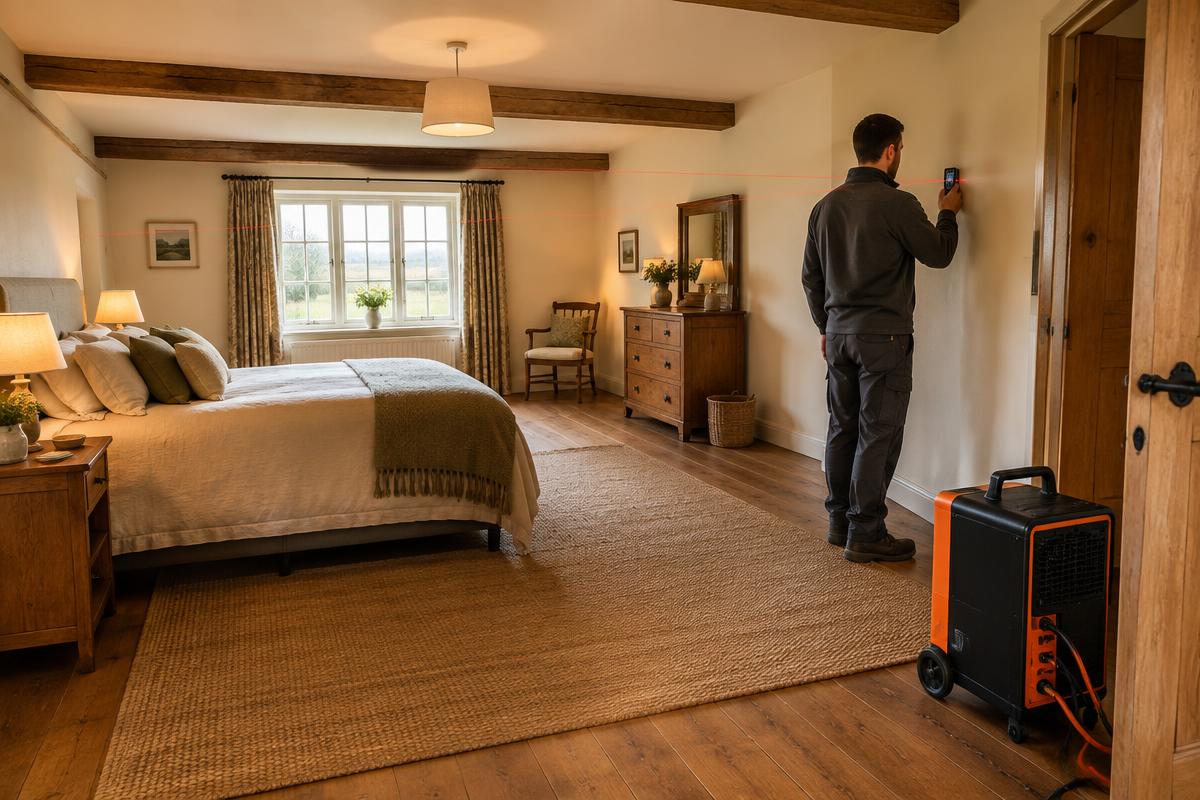
Bed Bug Heat Solutions UK uses controlled industrial heat of 60-65 degrees C across the whole treatment area. The heating period usually lasts 3-6 hours, with timings confirmed on the day. This is a working range rather than a promise that every home, room arrangement or volume of contents will take the same time.
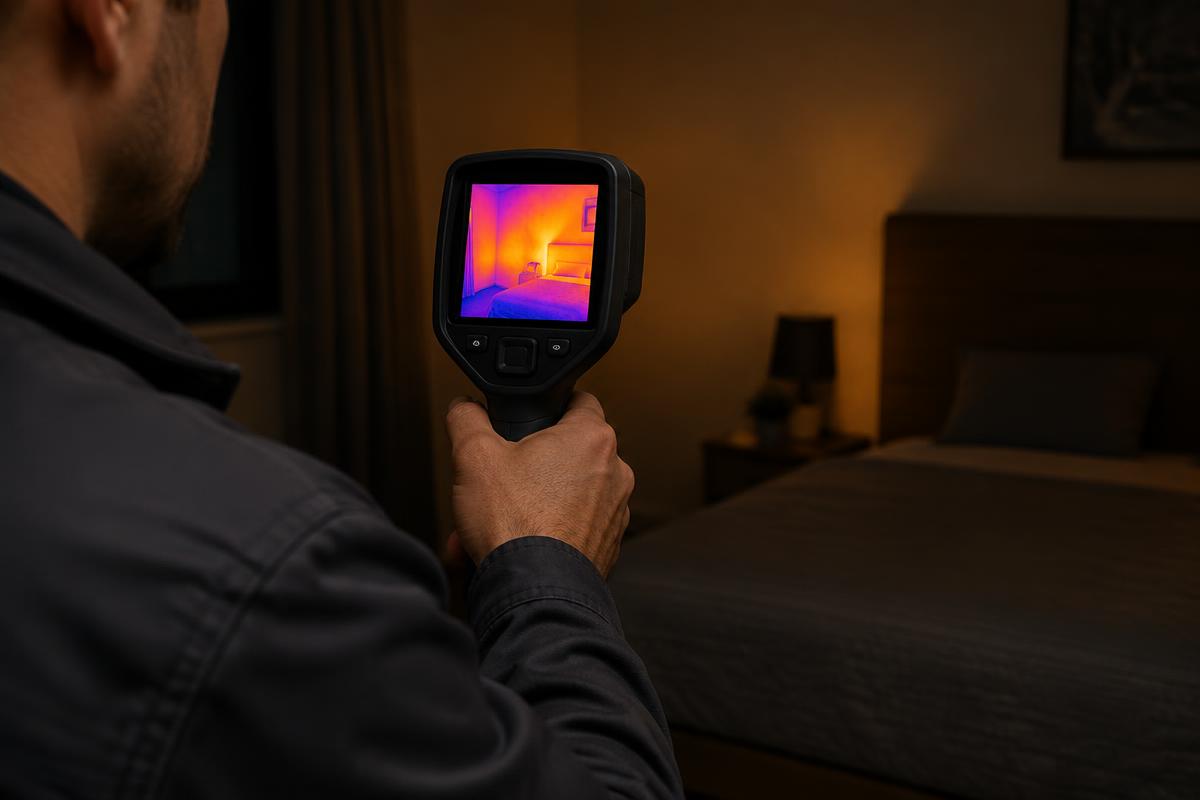
Monitoring is carried out using active live thermal imaging cameras only. Live thermal imaging supports observation of surface heat distribution during treatment and helps identify areas needing attention. It does not mean that every property can be priced identically, because the size, contents and configuration of the agreed treatment area still affect the work required.
No harmful chemicals are used as the primary treatment. That does not remove the need for careful preparation or instructions about people, pets and possessions. Ask how long access will be restricted and how re-entry will be confirmed, rather than assuming you can return as soon as the usual heating period has elapsed.
Preparation and the Costs Outside the Treatment Quote
Preparation can affect whether the planned treatment can proceed as intended. The correct steps should come from the treatment company and reflect the property, its contents and any specific risks. Generic advice found online may conflict with the agreed process, particularly if it encourages moving uncontained belongings between rooms or removing furniture unnecessarily.
Ask for preparation instructions early enough to understand what is involved. Explain if limited mobility, a disability, caring responsibilities or the volume of belongings will make particular tasks difficult. Raising these issues before booking allows the practical arrangements to be discussed without assuming that assistance is included in the quoted treatment price.
Your overall budget may also include costs that are separate from the contractor's invoice. Depending on your circumstances, these could involve parking charges, pet care, laundry carried out under instruction or somewhere to spend the period when access is restricted. These are possibilities to consider, not charges that automatically apply to every Norfolk treatment.
Avoid buying replacement beds or mattresses simply because bed bugs have been found. Replacing furniture without resolving the infestation may lead to new items becoming affected, while moving old furniture can create further handling risks. Discuss the existing furniture with the company first and ask whether any specific item requires different preparation or treatment arrangements.
- Request property-specific preparation instructions before booking.
- Disclose any difficulty completing the required tasks.
- Ask how to manage heat-sensitive belongings safely.
- Plan for people and pets to remain outside the treatment area.
- Check whether any preparation assistance is included.
- Separate personal arrangements from the contractor's quoted charges.
Comparing Quotations and Understanding Guarantee Terms
Two quotations can look similar while covering substantially different work. One may describe a clearly defined treatment area, while another leaves the rooms or preparation requirements unclear. Before comparing totals, establish whether each proposal addresses the same property information and the same reported pattern of bed bug activity.
Request a written explanation of the total payable amount and whether VAT, where applicable, is included. Ask about any exclusions or circumstances that could change the price before work starts. A useful quotation should help you distinguish the agreed service from optional work, customer responsibilities and issues that would require a revised assessment.
Bed Bug Heat Solutions UK offers a six-month guarantee on qualifying treatments. Qualification matters, so request the applicable terms rather than assuming every booking has identical cover. Ask what obligations apply, how concerns should be reported and how a suspected recurrence would be assessed under those terms.
Professional credentials are another part of assessing value. Bed Bug Heat Solutions UK has over 40 years of hands-on pest-control experience, is fully insured and is RSPH Level 2 certificated. These facts do not replace a clear treatment specification, but they provide relevant context alongside the proposed method, preparation guidance and guarantee.
- Check the exact rooms and spaces included in the price.
- Confirm the total payable amount and VAT position.
- Ask which circumstances could require a revised quotation.
- Read preparation duties and exclusions before accepting.
- Request the six-month guarantee's qualifying terms.
- Check how post-treatment questions or concerns are handled.
Flats, Rentals and Holiday Lets Need Clear Responsibilities
In a rented home, agreeing who authorises and pays for treatment can be as important as the technical quotation. Responsibility depends on the circumstances, the tenancy arrangements and the relevant legal duties; it should not be assumed from the presence of bed bugs alone. Tenants should report concerns promptly and retain written records of communications.
Where a landlord, agent and occupier are all involved, identify one main contact for arranging access and sharing instructions. The person approving the quotation may not be the person preparing the rooms. Clear coordination reduces the risk that important details about belongings, keys or occupancy are missed between the booking and the treatment.
Flats and other connected properties may require discussion of activity beyond the individual home. Signs in neighbouring accommodation or shared areas should be raised, although they do not automatically mean every unit requires the same treatment. The quotation should clearly identify the space covered and any wider concerns that remain outside that scope.
For Norfolk holiday lets and guest accommodation, booking calendars and guest possessions add practical considerations. Explain which units are occupied, whether guests have reported signs and who can authorise access to each space. Lost letting income and alternative guest arrangements are separate business considerations, so distinguish them from the treatment quotation when assessing the overall financial impact.
Requesting a Useful Norfolk Heat Treatment Quotation
Start your enquiry with the property postcode, type of accommodation, number of floors and a description of the affected rooms. Add clear photographs where available and explain when signs were first noticed. An accurate summary is more helpful than either minimising the problem or assuming that every room must be affected.
Include the details that are easily overlooked: heavily filled storage, unusual furniture, access restrictions, previous treatments and any recent changes in sleeping arrangements. If the property is rented or managed, state who can authorise the work. These points allow questions about scope and logistics to be addressed before a price is accepted.
Ask what information is still needed and whether any assessment is required before the quotation can be finalised. If circumstances change afterwards, such as signs appearing in another room, update the company before the appointment. A quote based on outdated information may no longer describe the work the property needs.
To discuss bed bug heat treatment costs in Norfolk, use the Bed Bug Heat Solutions UK quote request form or contact page. Ask for a clearly defined treatment area, preparation requirements, pricing inclusions and applicable guarantee terms. That gives you a sound basis for deciding on professional treatment without relying on a generic price that may not fit your home.
Useful next steps
Frequently asked questions
Six-month guarantee
Qualifying treatments are covered for six months. Send your details for a free assessment.
More from the blog
How Long Does Bed Bug Heat Treatment Take?
Read the full guide: How Long Does Bed Bug Heat Treatment Take?