East Midlands
Bed Bug Heat Treatment in East Midlands Hotels, Guest Rooms and Holiday Lets
A practical guide to managing bed bugs in East Midlands guest accommodation, from the first report to preparation, heat treatment and reopening.
5 October 202610 min read
40 years
In the trade
Four decades of hands-on bed bug experience
Fully insured
Every treatment
Comprehensive liability cover on all work
RSPH Level 2
Certificated
Royal Society for Public Health qualified
Key points
- Plan treatment around the property layout, not just the affected bed.
- Provide the county, full postcode and nearest town when enquiring.
- Heat treatment uses active live thermal imaging cameras for monitoring.
- Qualifying treatments include a six-month guarantee.
Bed bug treatment for East Midlands guest accommodation
A bed bug report can disrupt a hotel, guest house or holiday let well beyond the room where the insects were first noticed. Managers must consider the affected guest, upcoming arrivals, housekeeping routines and the possibility of movement between rooms. A calm, organised response helps protect guests while giving a treatment professional the information needed to recommend an appropriate plan.
Across the East Midlands, accommodation ranges from city hotels and university visitor rooms to market-town guest houses and rural cottages. These properties present different access arrangements, building layouts and booking pressures. A plan for one self-contained holiday let may be quite different from the approach needed for several guest rooms sharing a corridor, linen store or housekeeping team.
Bed bugs can arrive with luggage and other belongings, including at properties with high housekeeping standards. Their presence should not be treated as proof of poor cleanliness. Cleaning remains important for identifying signs and managing the environment, but routine room servicing alone is not a reliable way to resolve an established infestation.
Bed Bug Heat Solutions UK provides professional treatment across England and Wales, including the East Midlands. Our approach uses controlled industrial heat, with no harmful chemicals as the primary treatment. The first step is to understand the evidence, property layout and operational constraints rather than assume every accommodation business needs the same treatment scope.
Recognising signs and handling the first guest report
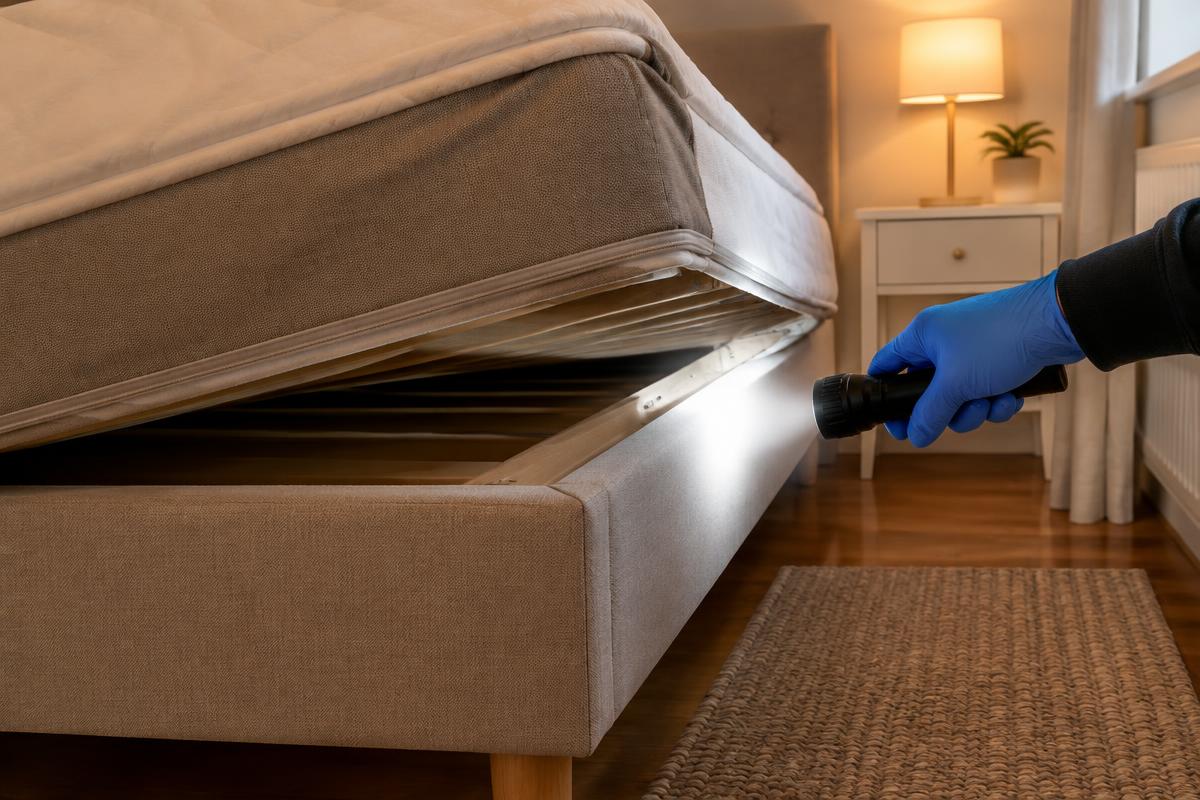
Guest reports deserve prompt attention, but skin marks alone cannot confirm bed bugs. Reactions vary, and other causes can produce similar irritation. More useful evidence includes live insects, shed skins, eggs and dark spotting around mattress seams, bed frames or nearby furniture. Identification should guide the response before an uncertain report becomes a firm diagnosis.
Ask the guest where and when they noticed the problem, then record the room number and relevant booking dates. If an insect is visible, a clear photograph may help with initial assessment. Avoid asking staff to dismantle the room extensively or carry suspected items through the building before receiving advice about containment and inspection.
Where practical, stop allocating the suspected room while the report is assessed. If a guest needs alternative accommodation, consider how luggage and belongings will be handled rather than simply transferring everything into another room. A move may be necessary for guest welfare, but it should form part of a considered response rather than an automatic room swap.
Keep communication factual and respectful. Explain that the report is being investigated and that professional advice is being sought. Avoid making guarantees about the source of the insects or blaming a particular guest. A written incident record gives managers, housekeeping staff and the treatment provider a consistent account of what has happened.
- Record the room or property name and the date of the report.
- Note where insects or other signs were observed.
- Photograph visible evidence without spreading belongings around.
- Pause room allocation where practical while advice is obtained.
- Keep suspected linen separate from clean supplies.
- Brief the responsible manager and relevant housekeeping staff.
Defining the treatment area in hotels and shared buildings
The bed is only one possible harbourage. Bed bugs may shelter in bed frames, headboards, upholstered furniture, skirting gaps and other protected places near sleeping or resting areas. Treating the visible mattress as the whole problem can leave important parts of the room unaddressed. The recommended area should reflect the evidence and the way the space is used.
In hotels and guest houses, neighbouring rooms may need assessment, including those beside, above or below the reported room. That does not mean every report requires treatment of an entire building. It means the professional recommendation should account for room connections, shared structures and any signs elsewhere rather than rely solely on a guest room number.
Housekeeping movement also matters. Linen trolleys, temporary storage areas and the movement of furniture can connect rooms that are not physically adjacent. Managers should explain how clean and used linen travel through the property and whether any beds, chairs or soft furnishings have recently been moved between guest rooms.
University-linked accommodation and buildings with a mixture of short stays and longer occupancy can introduce additional planning needs. Access permissions, resident belongings and shared living areas may influence the proposed scope. Giving the treatment provider a simple floor plan and an honest account of known reports helps establish a proportionate approach without overlooking relevant spaces.
How controlled heat treatment works
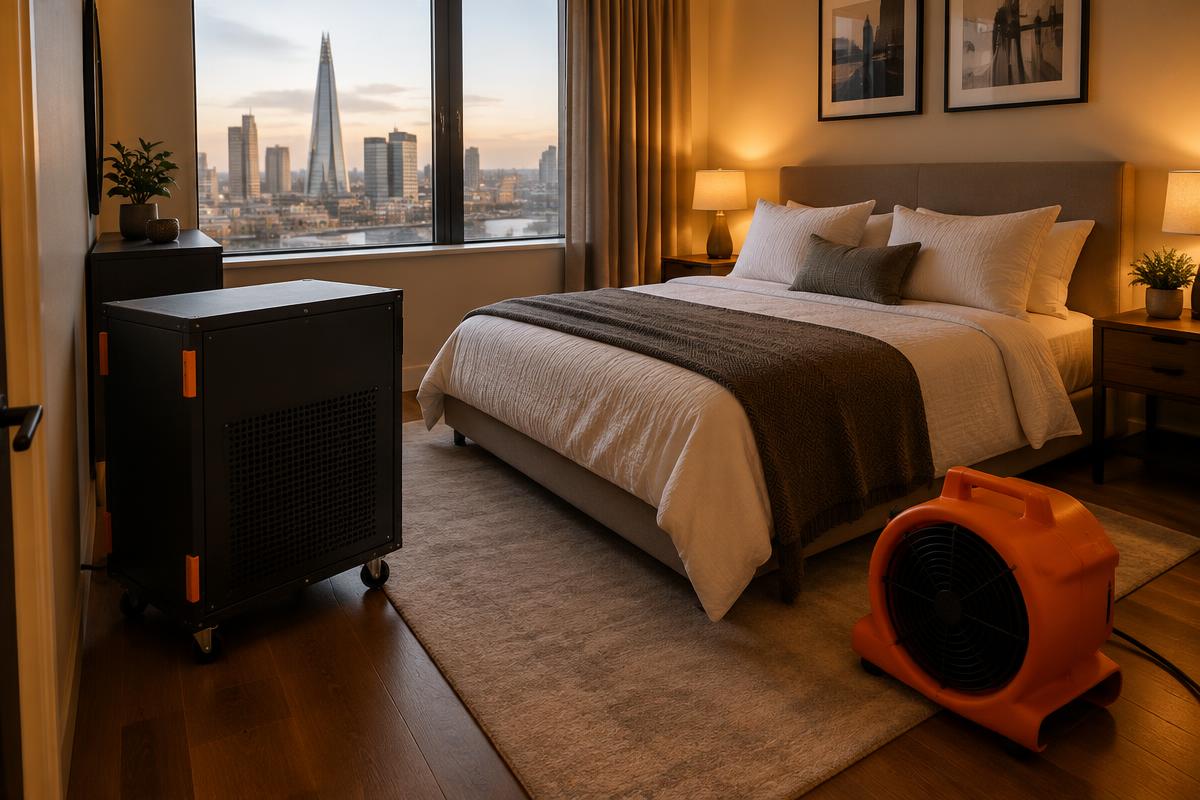
Bed Bug Heat Solutions UK uses controlled industrial heat of 60–65 degrees C across the whole treatment area. The aim is to address bed bugs and their eggs within that agreed area, including locations that are difficult to reach through ordinary cleaning. Treatment planning considers the room contents, layout and practical requirements for delivering controlled heat.
The heating period is usually 3–6 hours. This is not a promise that a room will be ready for a new guest within that time. Preparation, equipment setup, treatment checks, cooling and handover also affect the period for which the accommodation must remain unavailable. Booking decisions should allow for the full process.
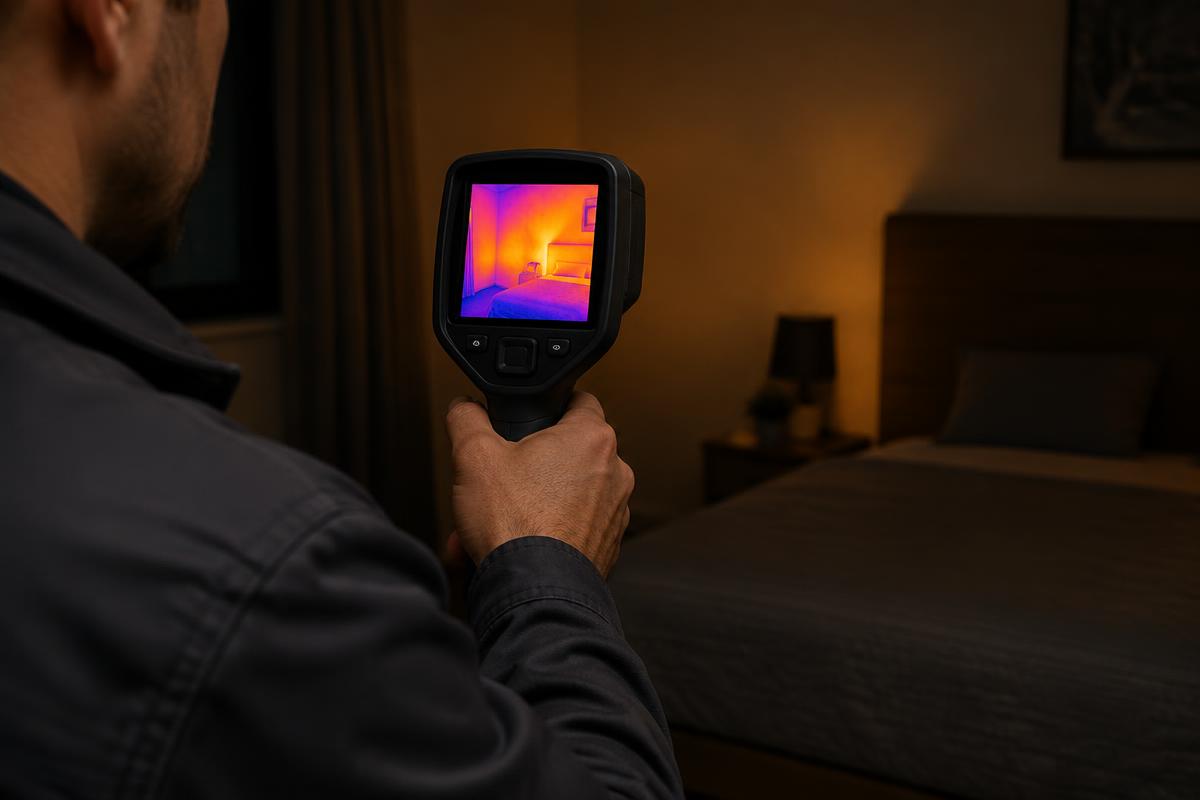
Monitoring uses active live thermal imaging cameras only. This provides the team with live thermal views of the treatment environment as the work progresses. Camera monitoring forms part of professional treatment management; it does not remove the need for suitable preparation, an agreed treatment area or careful attention to how furniture and belongings affect heat distribution.
The primary treatment does not rely on harmful chemicals. However, a professional heat treatment is not a process that guests, staff or pets can remain inside during operation. The team will explain exclusion requirements and arrangements for safe return. Domestic heaters and improvised heating methods should not be used as substitutes for a professionally planned treatment.
Preparing guest rooms without spreading the problem
Preparation should follow property-specific instructions from the treatment team. A general instinct to clear everything out can be counterproductive because moving untreated belongings may transfer bed bugs elsewhere. Before stripping rooms, emptying cupboards or relocating furniture, confirm what should stay in the treatment area and what requires separate handling.
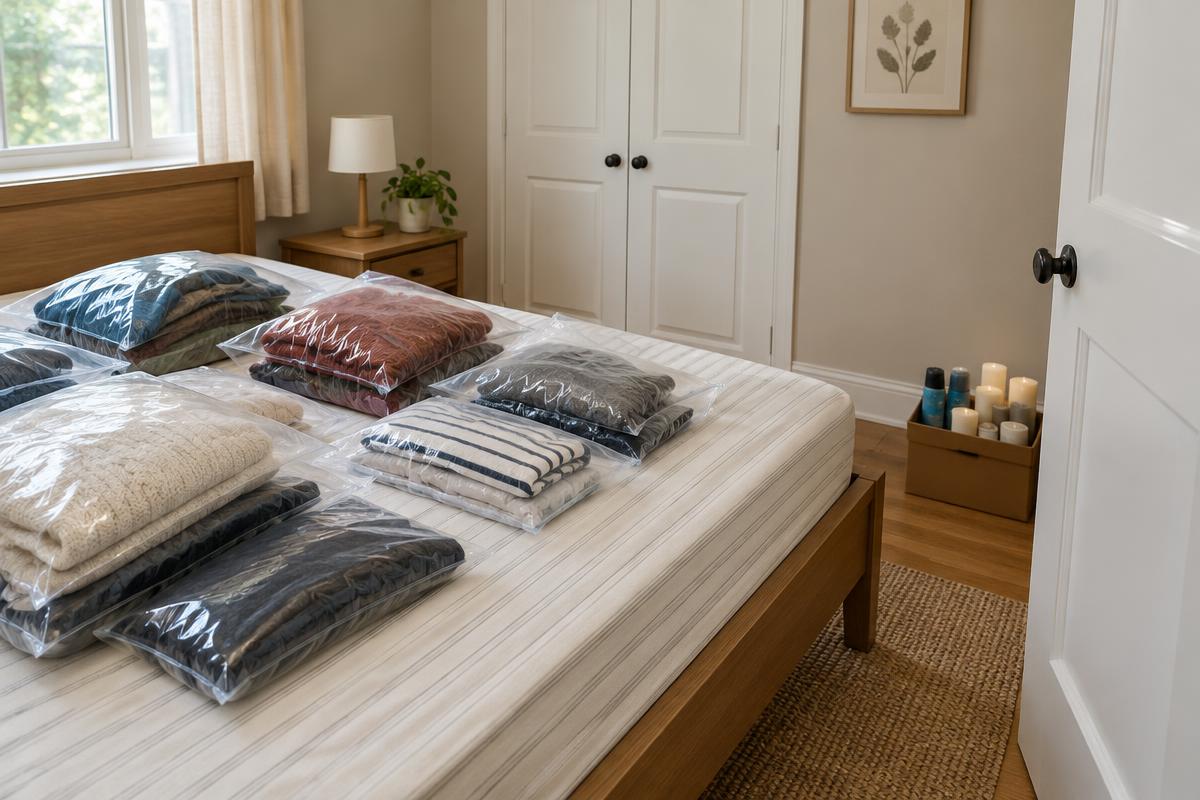
Linen management needs particular attention in busy accommodation. Used bedding and towels from a suspected room should not be carried loose through corridors or placed with clean stock. Agree a contained handling and laundry process with the treatment provider and laundry operator, taking account of fabric care labels and the suitability of the proposed laundering method.
The team also needs to know about heat-sensitive belongings and fittings. Medicines, certain toiletries, aerosols, wax items, delicate objects and some equipment may need specific arrangements. Do not assume an item is safe to leave simply because it is normally kept in a warm room. Equally, do not move potentially affected possessions into an untreated store without advice.
Access should be planned as carefully as room contents. Identify who can open the property, whether parking or loading restrictions apply, and how equipment will reach the agreed treatment area. For upper-floor rooms, narrow staircases or accommodation behind a separate entrance, share these details early so the team can consider the practical implications.
- Obtain and follow the property-specific preparation instructions.
- Agree how suspected linen will be contained and laundered.
- Identify heat-sensitive items before moving or removing them.
- Keep potentially affected furniture out of untreated rooms.
- Provide clear access information, including stairs and entrances.
- Nominate a staff member to coordinate preparation and handover.
Planning around hotel bookings and room turnover
High room turnover can make a treatment plan harder to coordinate, but it should not lead to rushed preparation or premature reoccupation. Review arrival and departure times alongside the proposed treatment scope. If nearby rooms also need assessment or access, build that requirement into the booking plan rather than trying to resolve it on the day.
One person should act as the main contact between the hotel and treatment team. That person needs access to room status information and authority to arrange entry, housekeeping support and booking changes. A clear contact reduces the risk of contradictory instructions, particularly when reception, maintenance and housekeeping operate across different shifts.
Staff briefings should be practical and limited to what each team needs to do. Housekeeping needs handling instructions, reception needs an accurate room availability position, and maintenance may need to assist with access or building information. Avoid speculation about the infestation or informal instructions that conflict with the professional preparation plan.
Do not advertise a room as available again simply because the heating period has ended. Reopening depends on the team's handover instructions and the completion of any required checks or housekeeping tasks. Confirm the expected operational arrangements in advance, while recognising that the final decision must reflect the actual treatment and property conditions.
Specific considerations for holiday lets and rural stays
Holiday lets often contain more varied sleeping and living arrangements than a standard guest room. Sofa beds, bunk beds, travel cots and occasional-use bedrooms may all be relevant to the assessment. Tell the treatment provider where guests have slept or rested, not only which bedroom was mentioned in the original report.
Owners who manage a property remotely should arrange a reliable local contact. This could be a property manager or another authorised representative who understands the preparation requirements and can provide access. A cleaner should not be left to make decisions about moving suspected belongings or approving changes to the treatment area without clear authority.
Rural access can influence travel and equipment planning. Narrow lanes, gated entrances, restricted parking and properties reached through shared courtyards are worth mentioning when enquiring. If the accommodation is part of a farm, converted outbuilding or group of cottages, explain which building is affected and whether any facilities or furnishings are shared.
A changeover gap may offer a useful opportunity for treatment, but availability between bookings should not determine the technical plan on its own. Preparation and safe handover still need enough time. Where the next arrival is close, discuss the booking position openly rather than assume the usual 3–6 hour heating period covers the entire visit.
Providing the right East Midlands location details
When requesting bed bug heat treatment in the East Midlands, provide the county, full postcode and nearest town. A regional label alone is not precise enough for planning. Similar property names and place names can create confusion across the wider area, particularly where accommodation sits outside a main town or close to a county boundary.
The region includes large cities, university accommodation, market towns and rural properties. Travel distance and access conditions may affect the recommended arrangements, alongside room turnover and shared living patterns. Accurate location information allows the enquiry to be considered in its actual setting rather than as a generic request for treatment somewhere in the East Midlands.
Include the trading name of the hotel or let and the exact entrance the team should use. The postal address may not identify a service entrance, rear courtyard or separate guest annexe. If navigation commonly directs visitors to the wrong building, mention this and provide clear written directions through the normal booking process.
Describe the number of affected or suspected rooms, the approximate property size and the evidence found so far. Share relevant booking constraints and whether access to neighbouring rooms is possible. These details support a more useful initial discussion, although the final scope and arrangements depend on the information reviewed and any further assessment required.
- State the county, full postcode and nearest town.
- Give the property name and complete treatment address.
- Identify the correct entrance and any navigation difficulties.
- Describe suspected rooms and relevant shared areas.
- Explain parking, loading and access restrictions.
- Provide booking constraints and an authorised contact.
After treatment: reopening and ongoing observation
The handover should establish when the treated accommodation can be entered and what needs to happen before guests return. Follow the team's instructions rather than using your own judgement about room temperature or elapsed time. Make sure the person responsible for reopening receives the same information as the manager who arranged the work.
Check that housekeeping and linen arrangements do not reintroduce untreated items from elsewhere. Bags, spare bedding or furniture removed before treatment should not automatically be returned without considering how they were handled. Where items required separate management, complete that process in line with the advice given before bringing them back into guest use.
Continue sensible visual checks during routine room servicing. Staff should know how to record and report suspected signs without declaring a new infestation based on an unexplained mark or a guest's skin reaction alone. If concerns arise, contact the treatment provider with clear details, photographs where available and the relevant room history.
Future arrivals can bring a new introduction, even after successful treatment. No accommodation business can control every item of luggage entering its premises. A clear reporting process, consistent staff awareness and careful handling of suspected belongings therefore remain valuable. These measures support early action without creating unnecessary alarm for guests or staff.
Choosing professional support and understanding the guarantee
For a hospitality business, selecting a provider involves more than comparing the heating period. Ask how the treatment area will be agreed, what preparation is required and how operational constraints will be handled. You should also understand access requirements, monitoring arrangements and the process for raising any concern after treatment.
Bed Bug Heat Solutions UK brings over 40 years of hands-on pest-control experience and is fully insured and RSPH Level 2 certificated. We serve England and Wales, including hotels, guest rooms and holiday lets across the East Midlands. Recommendations are based on the property and reported problem, rather than a standard assumption about every guest accommodation setting.
A six-month guarantee is available on qualifying treatments. Ask whether the proposed work qualifies and request the applicable terms before confirming a booking. Do not assume that every treatment or later report is covered in the same way. Understanding eligibility and the process for reporting concerns helps the property manager keep accurate records and expectations.
To start planning, provide the county, full postcode, nearest town and a concise description of the accommodation and evidence. Include any imminent arrivals, shared facilities or access limitations. Bed Bug Heat Solutions UK can then discuss the appropriate next steps, with a focus on clear preparation, controlled treatment and a practical return to guest use.
Useful next steps
Frequently asked questions
Six-month guarantee
Qualifying treatments are covered for six months. Send your details for a free assessment.
More from the blog
How Long Does Bed Bug Heat Treatment Take?
Read the full guide: How Long Does Bed Bug Heat Treatment Take?