East Midlands
Bed Bug Heat Treatment in East Midlands: Why DIY Treatments Usually Fail
Discover why DIY bed bug treatments often leave an infestation behind and how a planned heat treatment can help East Midlands homes and accommodation.
13 October 20269 min read

40 years
In the trade
Four decades of hands-on bed bug experience
Fully insured
Every treatment
Comprehensive liability cover on all work
RSPH Level 2
Certificated
Royal Society for Public Health qualified
Key points
- DIY methods often miss hidden bed bugs and eggs.
- Repeated spraying can complicate the treatment plan.
- Professional heat requires preparation and live thermal imaging.
- Provide your county, full postcode and nearest town.
Why bed bugs are difficult to tackle yourself
Finding a possible bed bug can make you want to act immediately. Washing the bedding, buying a spray and cleaning the bedroom may feel like a sensible way to regain control. These steps can remove some insects, but they rarely address all the places where an infestation may be established.
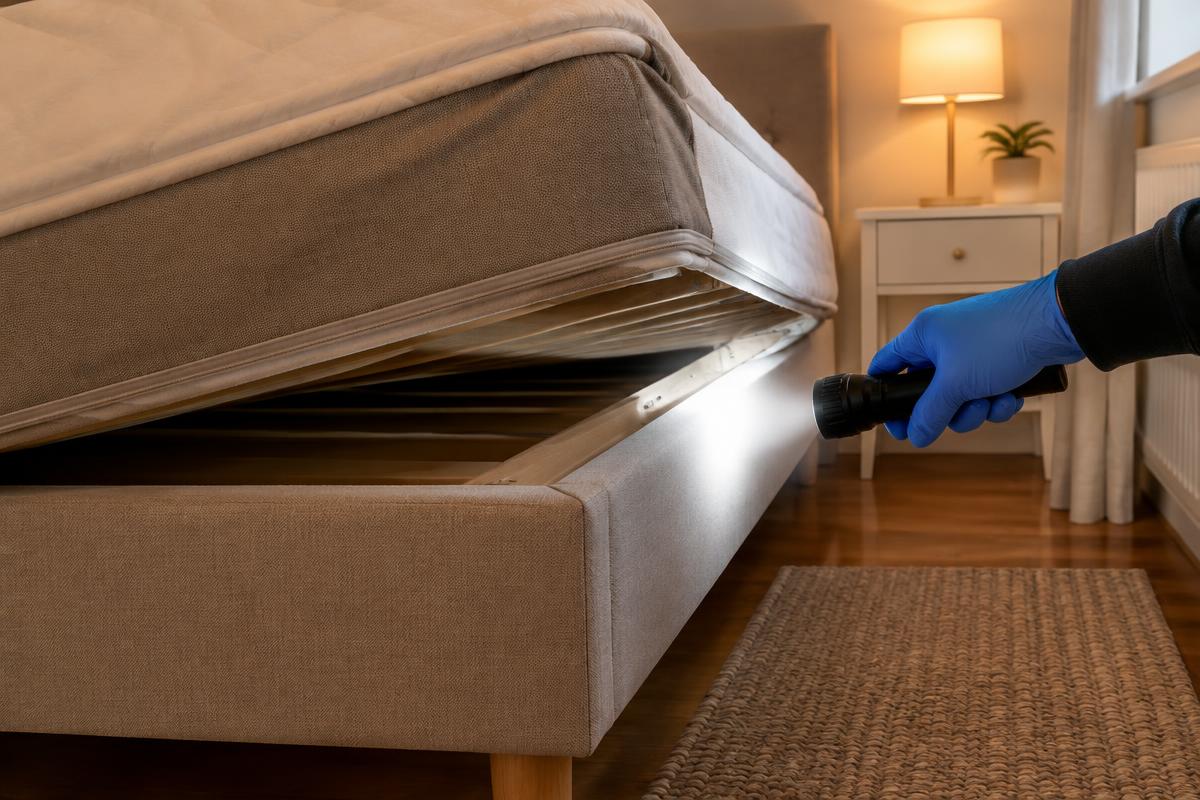
Bed bugs are small, good at hiding and not restricted to the surface of a mattress. They can occupy bed-frame joints, upholstered furniture, gaps beside skirting and other sheltered spaces. Eggs are especially easy to overlook, so a room that appears clear after cleaning may still contain an active problem.
The difficulty is not simply choosing a stronger product. Successful treatment depends on identifying the pest, understanding which areas are affected and reaching the hidden population. DIY efforts often fall short because they focus on the most obvious location rather than the full treatment area and the way it is used.
Across the East Midlands, this can involve anything from a single bedroom in a rural home to several rooms in shared accommodation. A treatment plan should reflect the property and the evidence found there. Applying the same household remedy everywhere can waste time while allowing unnoticed activity to continue.
Treating bites instead of confirming the cause
One common reason DIY treatment fails is that it begins without a reliable identification. Skin reactions alone cannot confirm bed bugs, and people do not all react in the same way. Other insects and unrelated skin conditions can cause irritation, making it unwise to choose a treatment based only on bites.
More useful evidence includes a captured insect, cast skins, eggs and dark spotting around likely hiding places. Even these signs need careful interpretation. Old marks can remain after a previous infestation, while a small current infestation may leave little obvious evidence during a quick inspection of the bed.
If you find a suspected insect, keep it in a secure container if you can do so safely, or take a clear photograph without carrying it through the property. Record where it was found and when. This information is more helpful than repeatedly applying products wherever someone has noticed an itchy patch.
Professional assessment helps establish whether bed bugs are present and what needs attention. It also gives you an opportunity to explain recent travel, second-hand furniture purchases or activity in neighbouring rooms. These details do not prove the source, but they can help shape a more appropriate inspection and treatment plan.
Why shop-bought sprays often leave bed bugs behind
A household spray may kill bed bugs that receive sufficient direct exposure, but that does not mean it will eliminate an infestation. Insects hidden inside joints or behind fixtures can escape contact. Eggs may also survive depending on the product and how it is used, allowing activity to reappear later.
Some bed bug populations have resistance to certain insecticides, which can reduce the effectiveness of particular products. However, resistance is not the only explanation for failure. Poor coverage, unsuitable application and missed hiding places can undermine treatment even when a product is capable of killing exposed insects.
Repeatedly changing or combining products is not a reliable solution. It can create unnecessary exposure for occupants and complicate later professional work. Products must only be used for their labelled purpose and exactly as directed. Never apply an insecticide to bedding or another surface unless the label specifically permits it.
Tell your treatment provider about every product already used, including the application locations and approximate dates. Do not assume that more spraying while waiting for advice will help. Some applications can disturb insects and alter where they hide, making an already uncertain picture harder to assess accurately.
The limits of laundry, vacuuming and domestic steam
Laundry can be a useful supporting measure when fabrics are processed using an appropriate method that their care instructions allow. The limitation is coverage. Treating sheets and clothing does not treat the bed frame, sofa or room itself, so clean items can return to an environment where bed bugs remain.
Vacuuming can remove some accessible insects and debris, but it cannot reliably extract every egg or reach every narrow hiding place. Handling the vacuum contents also needs care to avoid spreading live insects. Ask for advice on safe containment and disposal rather than emptying collected material loosely into an indoor bin.
Domestic steam has similar practical limits. Its effect depends on sufficient heat reaching the insect or egg, and hurried passes over visible surfaces may leave sheltered areas untreated. Steam can also damage unsuitable finishes or fabrics. A visibly damp or warm surface is not proof that an infestation has been eliminated.
These methods are best understood as possible parts of a wider plan, not automatic substitutes for whole-area treatment. Their usefulness depends on the property, materials and infestation. Before undertaking extensive cleaning or moving possessions, seek preparation instructions so that well-intentioned work does not spread the problem or interfere with treatment.
- Check fabric care instructions before washing or drying items.
- Keep processed laundry separate from untreated belongings.
- Avoid carrying loose bedding between rooms.
- Ask how to contain and dispose of vacuum contents safely.
- Do not steam electrical equipment or unsuitable materials.
- Follow the preparation plan rather than improvising extra tasks.
Why homemade heat is not professional heat treatment
Bed bugs are vulnerable to sufficient heat, but warming a room is not the same as delivering a controlled treatment. Household heating and portable domestic heaters cannot be assumed to produce suitable conditions throughout an affected area. Furniture, clutter and the structure of a room can all influence heat distribution.
An exposed surface may warm much more quickly than a sheltered space within a substantial item of furniture. DIY attempts often rely on how hot the room feels rather than whether the treatment has reached the places that matter. Surviving insects in protected locations can undermine the entire attempt.
Improvised heating also creates avoidable safety risks. Overloaded electrical supplies, unsuitable heaters and attempts to seal or alter a room without proper planning can lead to fire or damage. Do not use ovens, outdoor heating equipment or other improvised heat sources to try to eradicate bed bugs indoors.
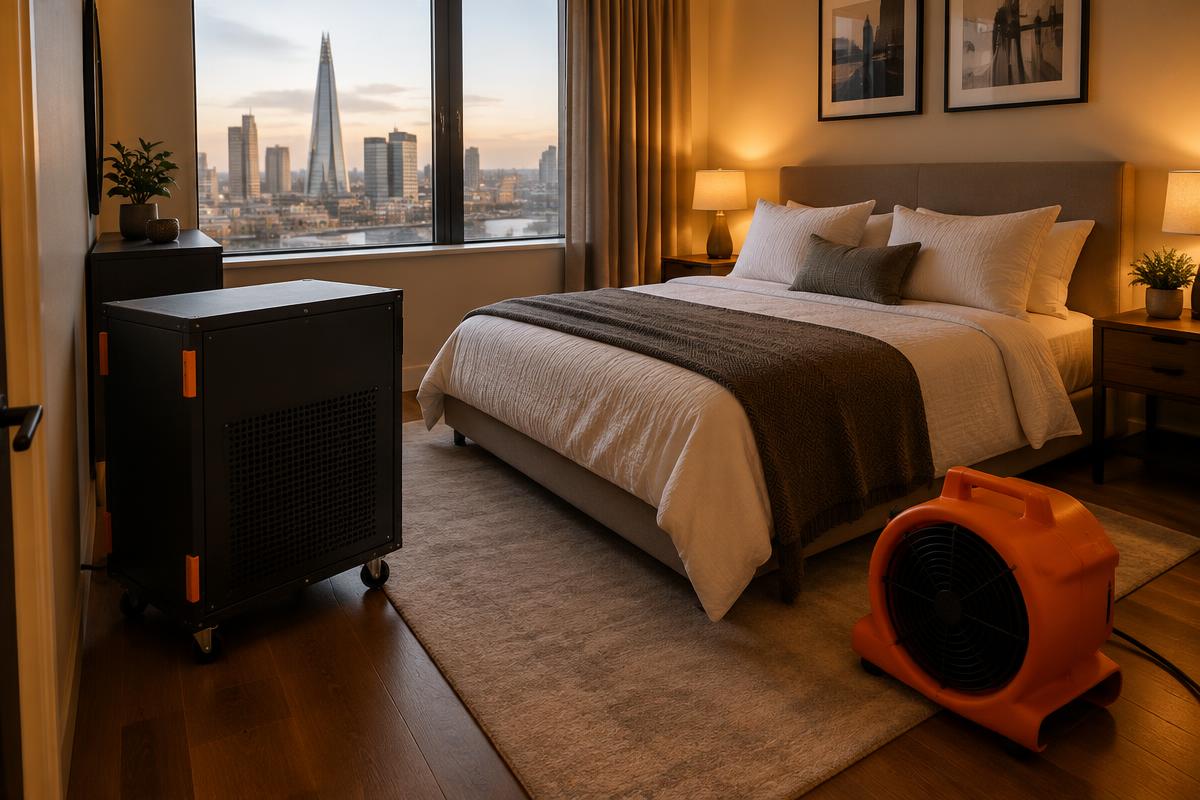
Bed Bug Heat Solutions UK uses controlled industrial heat of 60–65°C across the whole treatment area. The heating period is usually 3–6 hours. This is a planned professional process, not a recommendation for customers to reproduce those conditions themselves using household appliances or equipment hired without specialist guidance.
Moving belongings can extend the problem
When a bed feels unsafe to sleep in, moving to another room can seem an obvious response. However, changing sleeping arrangements or carrying bedding into a different area may complicate the infestation. Ask for advice before relocating, particularly in a shared house where several bedrooms and communal spaces may be connected.
Throwing away the mattress is another understandable but often incomplete response. Bed bugs can remain in the frame, headboard and nearby furniture, leaving a replacement mattress exposed. Moving an infested item through hallways or communal areas without suitable containment can also transfer insects beyond the original room.
Clutter can make inspection and treatment more difficult, but rapid decluttering without a plan is not necessarily helpful. Bags, boxes and clothing moved into an untreated room may carry bed bugs with them. Off-site storage can shift the problem rather than resolve it, especially if belongings later return untreated.
A professional preparation plan should explain what stays, what needs special handling and how items should be contained. Follow that advice rather than removing everything as a precaution. Keeping track of where possessions have been is particularly useful when previous DIY attempts have already involved moving furniture or laundry.
- Avoid moving untreated possessions into unaffected rooms.
- Seek advice before changing sleeping arrangements.
- Do not replace the mattress without assessing the wider room.
- Tell the provider about items already moved or stored elsewhere.
- Keep potentially affected belongings securely contained as advised.
- Agree a handling plan before disposing of furniture.
Planning treatment across the East Midlands
The East Midlands includes large cities, university accommodation, market towns and rural properties. These settings present different practical challenges, but bed bugs are not evidence of poor housekeeping. They can arrive with luggage, furniture or other belongings, and a tidy home can still provide enough concealed spaces for them to survive.
In shared living, treating only the room with the most visible activity may overlook a wider problem. The appropriate scope depends on inspection findings, room use and how belongings move around the property. Landlords, occupants and accommodation managers may need to coordinate access and preparation so that important areas are not missed.
Room turnover can also affect planning. Student moves, guest departures and incoming occupants may create pressure to prepare accommodation quickly, but treatment decisions should still be based on evidence and safe preparation. Report any known activity in adjoining rooms rather than assuming a bedroom door defines the infestation boundary.
When enquiring, identify your county and full postcode as well as the nearest town. This prevents confusion across the wider regional area and supports accurate travel planning. Travel distance, parking, access to the property and the layout may all affect the recommended arrangements, particularly for rural homes or larger accommodation sites.
How a controlled professional heat treatment differs
Professional heat treatment starts with planning, not simply switching on equipment. The provider needs to understand the affected areas, the property layout and any preparation constraints. Previous treatment attempts, vulnerable possessions and access arrangements should be discussed beforehand so that the proposed work is suitable for the setting.
At Bed Bug Heat Solutions UK, the primary treatment uses no harmful chemicals. Controlled industrial heat is applied at 60–65°C across the whole treatment area, with a heating period usually lasting 3–6 hours. The heating period should not be confused with the complete appointment, which also involves other practical stages.
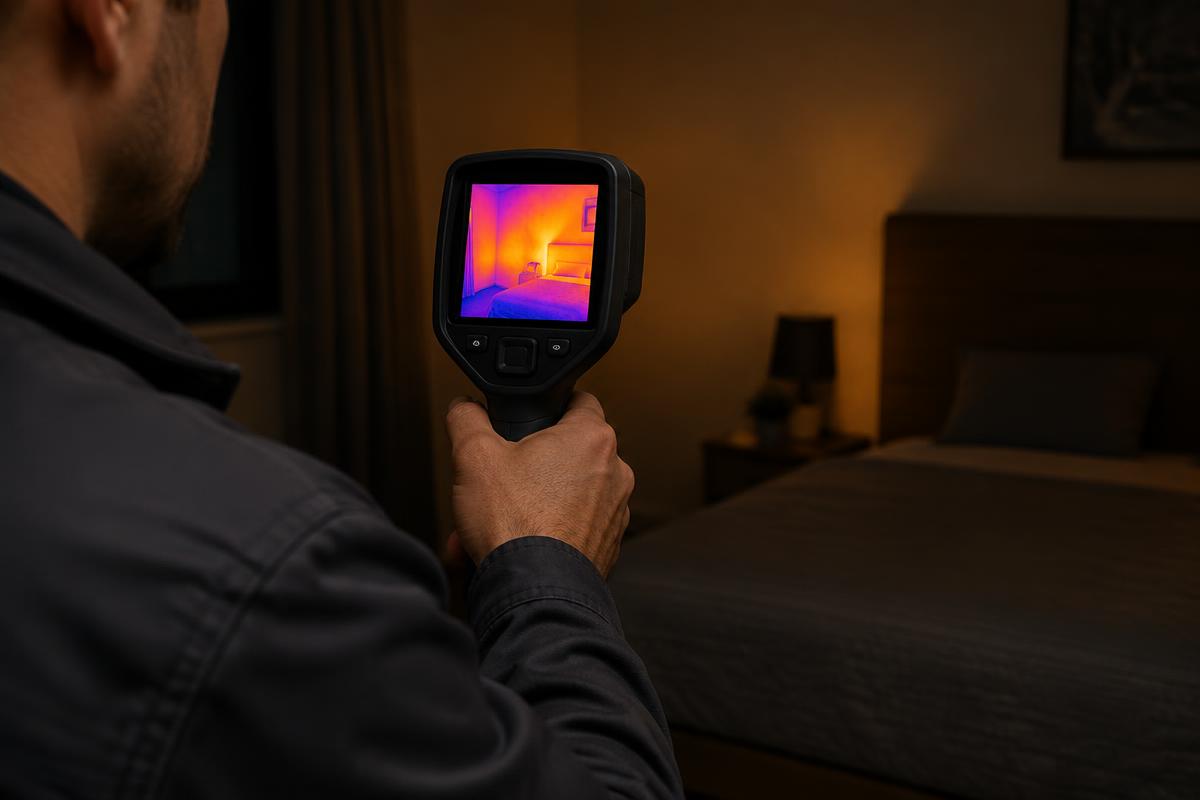
Monitoring uses active live thermal imaging cameras only. These cameras allow the team to observe visible surface heat patterns as treatment progresses and support decisions about heat distribution. Thermal imaging does not see through furniture or walls, so experienced planning and careful treatment delivery remain essential parts of the process.
The aim is to address hidden insects and eggs within the agreed treatment area rather than only the bugs someone can see. Results still depend on appropriate scope, preparation and handling of belongings. Heat does not leave a lasting barrier against bed bugs brought into the property after treatment.
Preparing properly after unsuccessful DIY treatment
If DIY efforts have not worked, the most useful next step is a clear account of what has happened. Explain when signs first appeared, which rooms are involved and what has changed. Include laundry, steam, sprays, furniture disposal and any nights spent sleeping elsewhere, even if those details seem minor.
Preparation should be specific to the proposed treatment rather than copied from a general online checklist. Some possessions may require removal or special handling because of heat sensitivity. Ask for instructions about medicines, aerosols, batteries, electronics and other potentially sensitive items, rather than making assumptions about what can safely remain.
People and pets need suitable arrangements while treatment takes place. Discuss aquariums, specialist equipment and any mobility or access needs in advance. Follow the team's instructions about leaving and returning to the treatment area, and do not re-enter simply because the usual heating period appears to have elapsed.
In rented or managed accommodation, establish who will communicate instructions and confirm that each occupant understands them. Inconsistent preparation can leave gaps in an otherwise sound plan. If a task is not practical, say so before the visit so that the team can consider the available options.
- Provide your county, full postcode and nearest town.
- Describe affected rooms and any signs found elsewhere.
- List DIY products and methods already used.
- Report furniture or belongings moved out of affected areas.
- Request item-specific advice for heat-sensitive possessions.
- Arrange access and a suitable place for people and pets.
- Clarify preparation responsibilities in shared accommodation.
Aftercare, guarantees and choosing the next step
After treatment, follow the advice provided about belongings, room use and any further checks. Do not judge the outcome solely from skin symptoms, which cannot reliably confirm ongoing bed bug activity. If you find a suspected live insect, photograph or contain it safely and report the location to the treatment team.
Avoid bringing untreated possessions back from another room, vehicle or storage location without discussing them first. A completed heat treatment cannot prevent a later introduction from luggage or furniture. Sensible aftercare focuses on controlling those routes and reporting clear evidence, rather than repeatedly applying household sprays as a precaution.
Bed Bug Heat Solutions UK offers a six-month guarantee on qualifying treatments. Ask which treatments qualify and request the relevant terms before booking, including any preparation and aftercare requirements. A guarantee should be understood as part of the agreed service, not as a promise that future introductions are impossible.
Serving England and Wales, Bed Bug Heat Solutions UK brings over 40 years of hands-on pest-control experience and is fully insured and RSPH Level 2 certificated. For an East Midlands enquiry, share your location and treatment history. An informed plan is a more useful next step than another round of trial-and-error DIY treatment.
Useful next steps
Frequently asked questions
Six-month guarantee
Qualifying treatments are covered for six months. Send your details for a free assessment.
More from the blog
How Long Does Bed Bug Heat Treatment Take?
Read the full guide: How Long Does Bed Bug Heat Treatment Take?