Essex
Spotting Bed Bugs Early in Essex: Signs, Checks and Heat Treatment
Recognise the early signs of bed bugs in Essex and understand what to record, what to avoid and when professional heat treatment may be appropriate.
22 October 20269 min read
40 years
In the trade
Four decades of hands-on bed bug experience
Fully insured
Every treatment
Comprehensive liability cover on all work
RSPH Level 2
Certificated
Royal Society for Public Health qualified
Key points
- Look for physical evidence rather than relying on bites alone.
- Record sightings and room history before moving belongings.
- Report activity in every affected room at quotation stage.
- Professional heat treatment requires assessment and careful preparation.
Why early recognition matters in Essex properties
Bed bugs can be difficult to notice when activity is limited. A few unexplained marks on bedding or an unfamiliar insect near a bed may be easy to dismiss. Recognising these clues early gives you a better opportunity to establish what is happening before belongings are moved or further rooms become involved.
Essex includes busy commuter towns, coastal accommodation, modern apartments and larger family homes. Bed bugs can occur in any of these settings. They are not evidence of poor housekeeping, and a tidy property is not immune. Travel, overnight stays and the movement of used furniture can create opportunities for insects to arrive.
The most useful response to a possible early infestation is measured investigation, not a hurried clear-out. Focus first on the place where evidence appeared and the areas where people regularly sleep or rest. Keep notes of what you find so a professional can assess the pattern rather than a single isolated clue.
Early recognition does not necessarily mean that only one room needs attention. Visible evidence may reveal just part of the activity. A professional assessment should consider the history of the property, the locations of sightings and any changes in sleeping arrangements before recommending the scope of bed bug heat treatment.
Recognising the physical signs of bed bugs
Adult bed bugs are small, wingless insects with a flattened, oval body that is usually brown before feeding. After a blood meal, their appearance can become darker and more rounded. Younger bed bugs are smaller and paler, making them particularly easy to overlook against light fabric or unfinished wood.
Dark spotting around mattress seams, bed joints or nearby furniture can be another clue. Bed bug droppings may leave small dark marks on surfaces where insects hide. These marks are not proof on their own, because other stains can look similar, but repeated spotting close to a resting place warrants attention.
Shed skins and tiny pale eggs may also be present in protected crevices. Eggs are difficult to identify confidently without experience, and fabric fibres or household debris are easily mistaken for them. Avoid reaching a firm conclusion from a photograph of an indistinct speck, especially when there are no other supporting signs.
If you find an insect, take a clear photograph and, if practical, contain it in a secure transparent container for identification. Record the exact location and date. A recognisable specimen is more useful than a description alone, while photographs of the surrounding area can help explain where the evidence was discovered.
- Look for live insects around mattress seams and bed joints.
- Check for repeated dark spotting near sleeping areas.
- Note any pale shed skins in sheltered crevices.
- Photograph suspected evidence before cleaning it away.
- Record the room, location and date of each finding.
- Keep a suspected insect securely contained if practical.
Why bites alone cannot confirm an infestation
Unexplained skin irritation often prompts the first concern about bed bugs. However, bites cannot reliably identify the insect responsible. Different insects, skin conditions and environmental factors can produce similar marks. Even an apparent row or cluster of bites is not enough to confirm that bed bugs are present in a property.
People also react differently to bed bug bites. One person may develop noticeable irritation while another sharing the same room has little visible reaction. The absence of marks on a partner or family member therefore does not rule out activity, and the presence of marks does not establish its location.
Keep a simple record of when irritation is noticed and where you have recently slept, but interpret it alongside physical evidence. Reactions may not be immediately apparent after exposure. That makes it difficult to pinpoint the source from the morning on which a mark first becomes visible.
Seek advice from a pharmacist or healthcare professional if skin symptoms are troublesome, persistent or showing signs of infection. Pest identification and medical assessment serve different purposes. A pest-control assessment can examine the property, but it should not replace medical advice about an unexplained rash or a significant reaction.
Carrying out a careful first check
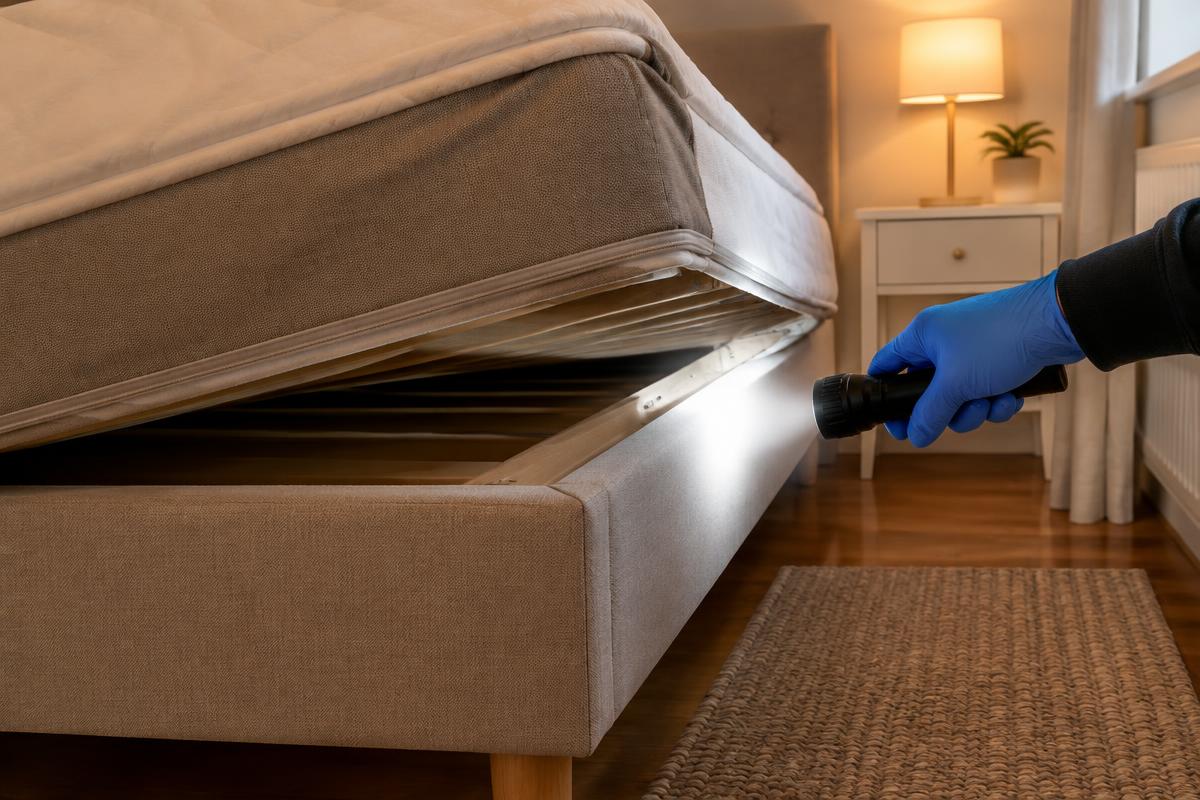
Begin with a limited, orderly inspection rather than taking the whole room apart. Use a torch to examine accessible mattress seams, piping, labels and the edges of the bed base. Look closely at joints and sheltered gaps, taking care not to damage fabric or disturb furniture that cannot be moved safely.
Check the headboard and nearby furniture where access is straightforward. Bed bugs favour protected hiding places close to where a person rests, although they are not restricted to the bed itself. Bedside tables, upholstered seating and accessible skirting gaps may be relevant when other evidence points towards activity.
Avoid dragging furniture through the property or carrying loose bedding into other rooms during your inspection. Such movement can transfer insects or eggs on affected items. Do not open electrical fittings or attempt unsafe dismantling. Make a note of inaccessible areas so they can be discussed during the assessment.
A first check can help collect useful evidence, but finding nothing does not exclude a small infestation. Bed bugs can remain concealed in narrow spaces. If credible concerns continue, arrange professional advice rather than repeatedly stripping the room, discarding belongings or applying products without a clear identification.
- Start at the bed or seat linked to the first evidence.
- Use a torch to inspect accessible seams and joints.
- Check the headboard and nearby furniture without unsafe dismantling.
- Photograph findings and their positions within the room.
- Avoid carrying loose bedding or furniture between rooms.
- Note inaccessible areas for the professional assessment.
Understanding possible routes into the property
Bed bugs commonly travel with belongings rather than arriving because a property is dirty. Luggage, bags, clothing and used furniture can provide opportunities for transfer. A recent trip or furniture delivery may be relevant to the history, but it is often impossible to establish exactly when or where an infestation began.
In Essex commuter households, work travel and overnight stays may form part of a normal routine. Coastal accommodation may have frequent changes of guests and luggage. These circumstances are useful context for an assessment, but they should not be treated as proof that a particular visitor, journey or booking introduced bed bugs.
In a modern apartment, shared building features and nearby occupancy can sometimes be relevant to the investigation. If you rent or live within a managed block, consider informing the landlord or managing agent when evidence is identified. Wider assessment may be appropriate, although neighbouring properties should not automatically be assumed to be affected.
Keep the discussion factual and avoid assigning blame. Useful information includes recent overnight stays, second-hand furniture purchases, previous treatments and whether items have moved between rooms. This history helps the professional understand possible routes and areas to examine without making unsupported assumptions about the origin of the problem.
What to avoid while seeking professional advice
It is understandable to want an immediate solution after finding a suspected bed bug. However, throwing away a mattress rarely addresses every possible hiding place. Moving an uncovered mattress through a hallway or shared entrance can also create an avoidable transfer risk. Seek advice before removing furniture or arranging disposal.
Avoid moving into another bedroom or starting to sleep on a sofa without discussing the situation with a professional. Changing sleeping locations can complicate the pattern of activity and the assessment. If a room change is unavoidable, explain when it happened and which bedding or belongings were taken with you.
Do not attempt whole-room heat treatment with household heaters, ovens or improvised equipment. Such methods can create fire and injury risks while leaving concealed areas inadequately treated. Professional heat treatment involves an assessed treatment area, suitable industrial equipment, controlled operation and specific arrangements for people, pets and heat-sensitive items.
Repeated spraying or using several products together can introduce unnecessary exposure and make the treatment history harder to understand. If any pest-control products have already been used, keep their names and application details. Ask for tailored advice about laundry and containment rather than moving large quantities of belongings before instructions are agreed.
Building a room history for an Essex quotation
A useful quotation starts with a clear account of the property and the evidence. Explain whether the premises are a house, flat or accommodation business, and identify the rooms used for sleeping or extended rest. Include photographs where available, while recognising that photographs may not settle identification or treatment scope on their own.
For larger homes or properties with activity reported in several rooms, provide the full room history at quotation stage. This should include earlier sightings, previous sleeping arrangements and any movement of furniture or bedding. Mention rooms where concerns have apparently stopped, as that history can still be important to the assessment.
Property type, room volume and travel access are considered before equipment and timings are confirmed. Useful access details include stairs, parking arrangements, shared entrances and restrictions within managed buildings. These practical factors help the team plan the work properly rather than assuming that every Essex property can be approached in the same way.
Be clear about any previous professional or DIY treatment, including the areas covered and when it took place. Also flag known heat-sensitive belongings and any constraints on vacating the premises. Complete information supports a more accurate assessment, but the final recommendation should follow the evidence rather than a request to treat the smallest possible area.
- Describe the property layout and the use of each relevant room.
- Provide dates and locations for sightings or suspected evidence.
- Include the full history of all rooms with reported activity.
- Explain changes in sleeping arrangements and movement of belongings.
- List previous treatments and products used.
- Describe parking, stairs, shared entrances and access restrictions.
- Flag heat-sensitive belongings and occupancy considerations.
How professional bed bug heat treatment works
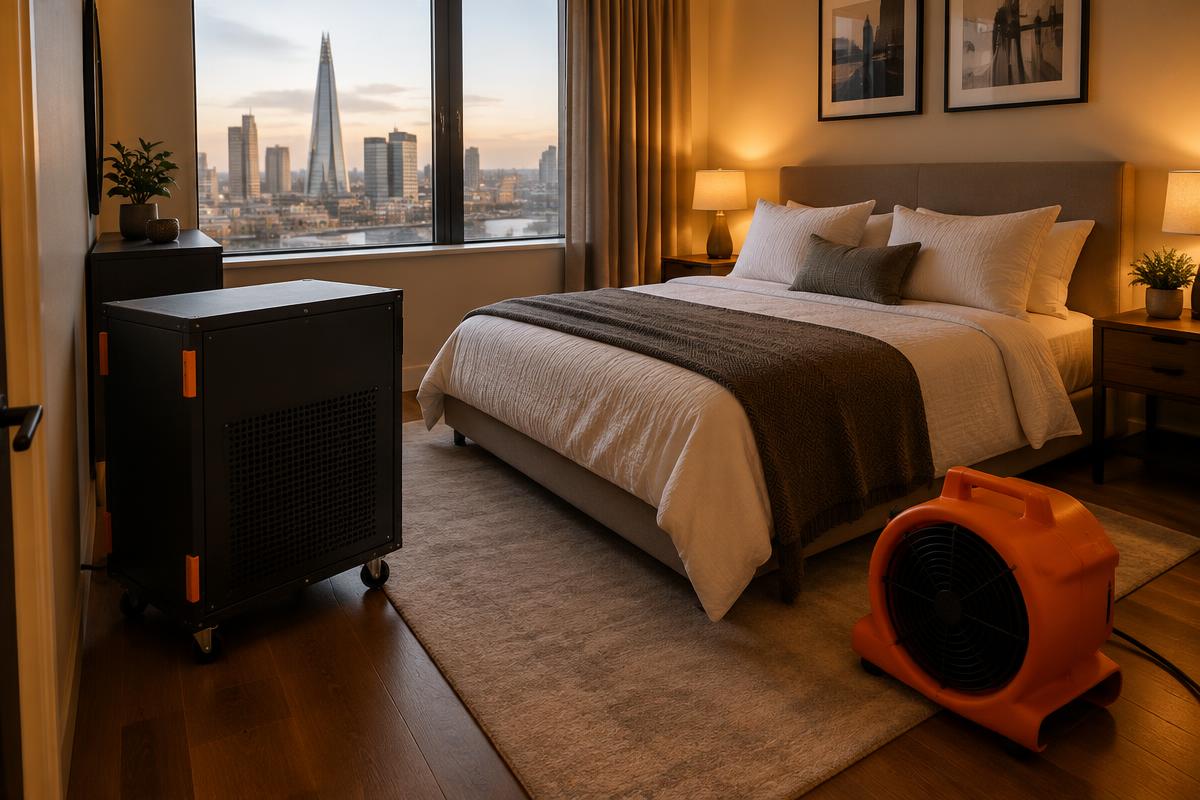
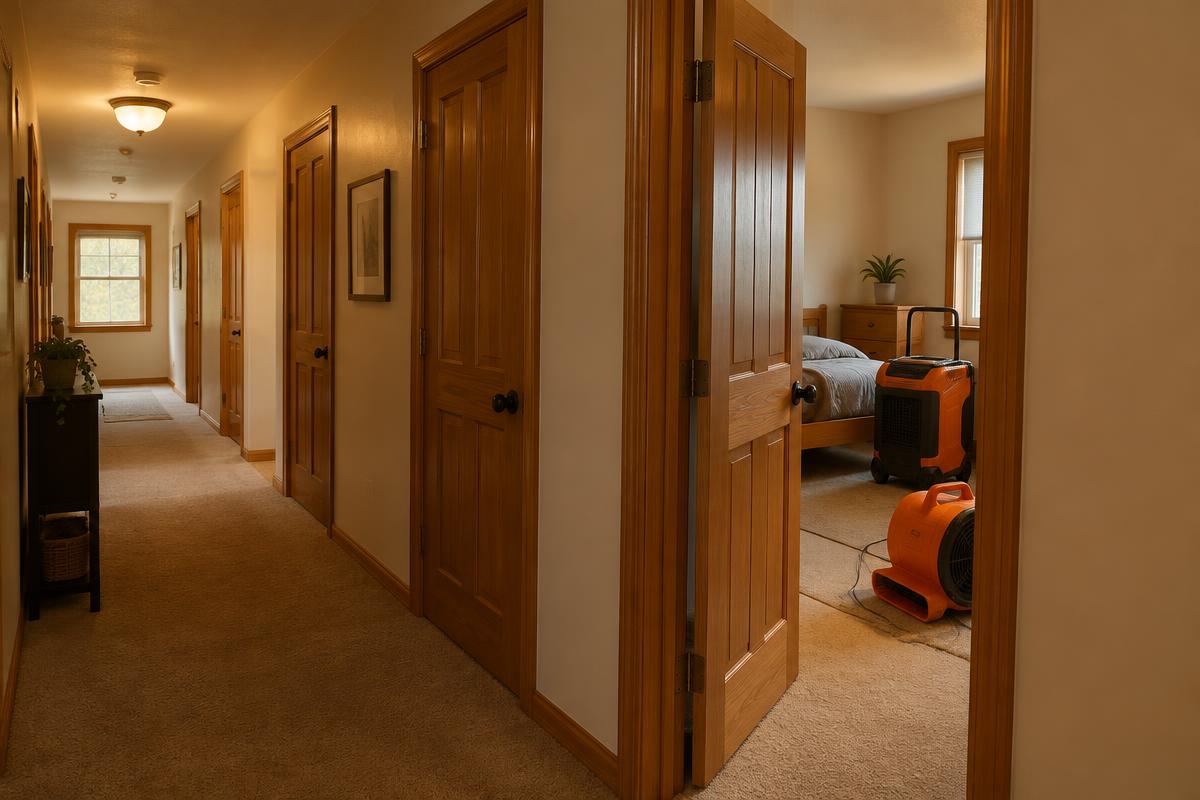
Bed Bug Heat Solutions UK uses controlled industrial heat of 60–65°C across the whole treatment area. The purpose is to expose bed bugs, including eggs, to lethal heat within a professionally planned process. It is not equivalent to warming the room with domestic heating or treating only the visible surface of a mattress.
The heating period is usually 3–6 hours. This is the heating period rather than a promise about the total visit or when occupants can return. Assessment, equipment setup, the characteristics of the property and cooling arrangements also affect the plan, so timings are confirmed for the individual treatment.
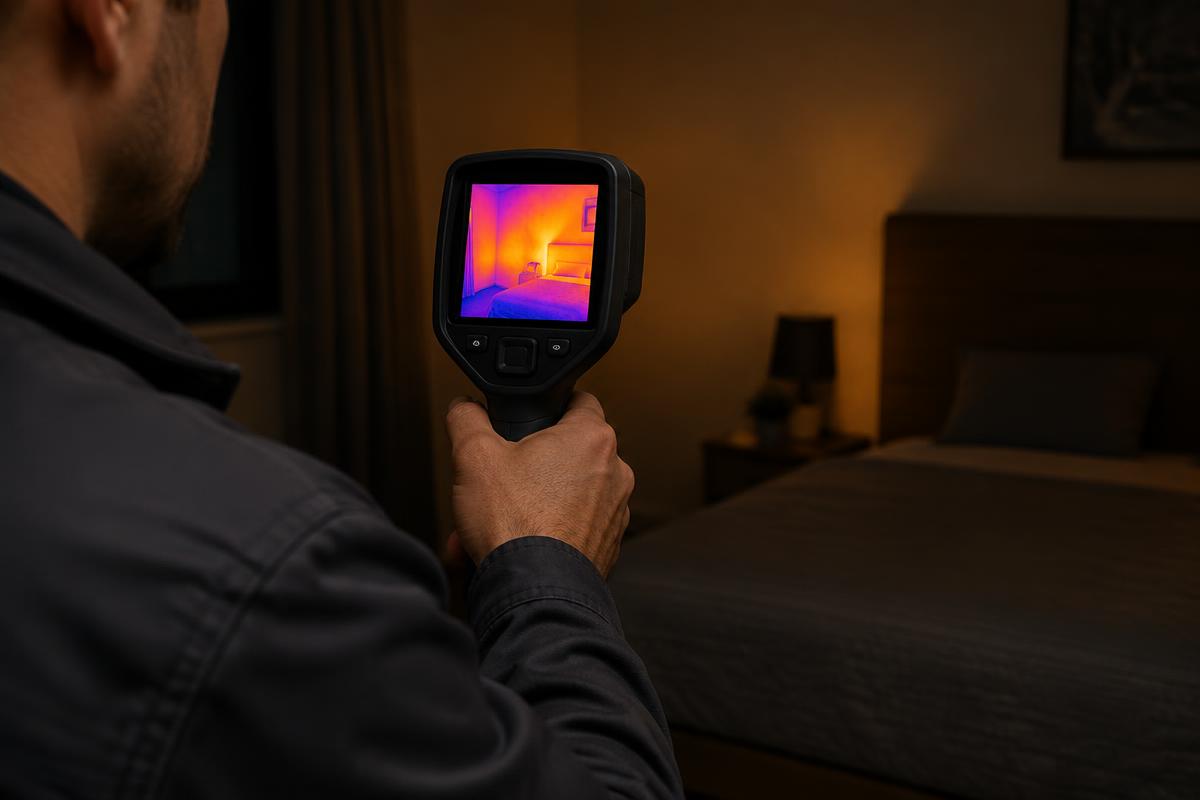
Monitoring uses active live thermal imaging cameras only. These allow the treatment team to observe thermal patterns during the process and support decisions about heat distribution. The team considers the layout, furnishings and access within the agreed treatment area as part of managing the work, rather than relying on a single general room reading.
No harmful chemicals are used as the primary treatment. Nevertheless, professional heat treatment requires careful preparation and controlled access. Occupants must follow the instructions provided for the property, including arrangements for people, pets and sensitive belongings. The agreed scope should address the assessed activity, not simply the first place where an insect was noticed.
Preparing without spreading the problem
Preparation should follow the instructions issued for your particular treatment. Do not assume that advice found online applies to every property or method. The team needs to know what will remain within the treatment area and what may need special handling, so avoid making major changes before the preparation plan is agreed.
Discuss heat-sensitive items in advance, including medicines, aerosols, certain electronics and valuable or delicate possessions. Some items may need removal or another agreed approach. However, simply carrying potentially affected belongings into an untreated room can undermine the plan. Their condition and possible exposure should be considered alongside their sensitivity to heat.
Laundry instructions should account for fabric care and the risk of transferring bed bugs during handling. Keep potentially affected items contained when instructed, and do not mix processed laundry with unassessed belongings. Ask for clarification if you cannot follow a preparation step, rather than improvising a substitute that may leave an untreated route back into the property.
For guest accommodation, coordinate preparation with the people responsible for housekeeping and room allocation. For family homes, ensure everyone understands which belongings must remain in place and which areas are restricted. A consistent plan is particularly important where several bedrooms, shared storage or regularly used sofas form part of the room history.
Checking progress and choosing professional support
After treatment, follow the return and aftercare instructions supplied by the team. Continue to record any suspected evidence, with photographs and dates where possible. Old spotting or marks that were already present do not by themselves demonstrate continuing activity, so distinguishing existing evidence from new findings is important.
If you see a suspected live bed bug after treatment, contact the company with the details rather than immediately applying another product. Explain where it was found and whether belongings have been returned from elsewhere. Clear reporting helps the team assess the finding and advise on the appropriate next step.
Bed Bug Heat Solutions UK provides a six-month guarantee on qualifying treatments. Ask which treatments qualify and what conditions apply before booking. A guarantee should not be interpreted as protection against every possible future introduction, particularly where luggage, furniture or other belongings may bring bed bugs into the property again.
The company serves England and Wales, including Essex, with over 40 years of hands-on pest-control experience. It is fully insured and RSPH Level 2 certificated. If you have noticed possible early signs, request an assessment and provide the full room history so that identification, treatment scope and preparation can be discussed calmly.
Useful next steps
Frequently asked questions
Six-month guarantee
Qualifying treatments are covered for six months. Send your details for a free assessment.
More from the blog
How Long Does Bed Bug Heat Treatment Take?
Read the full guide: How Long Does Bed Bug Heat Treatment Take?