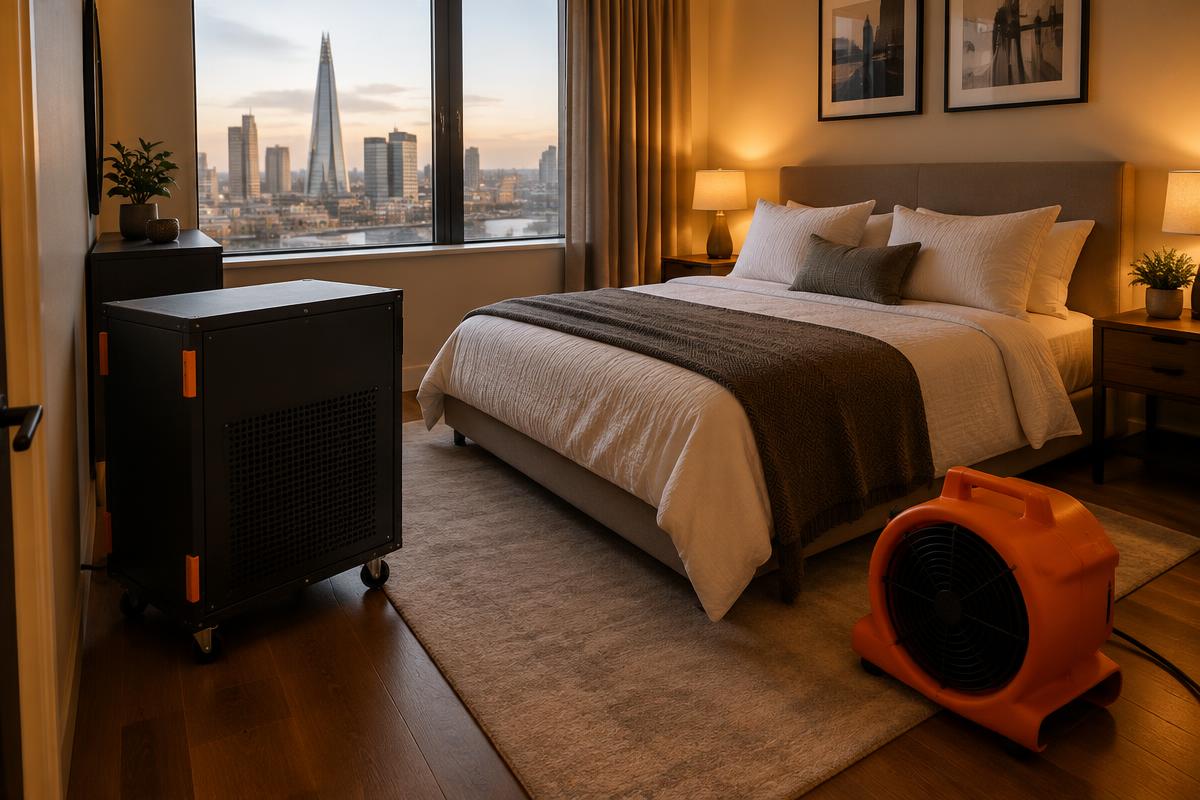
Essex
Bed Bug Heat Treatment in Essex: A Guide for Landlords, Tenants and Shared Housing
How Essex landlords, tenants and housemates can coordinate bed bug heat treatment, agree access and prepare rented homes for a carefully planned visit.
1 November 20269 min read
40 years
In the trade
Four decades of hands-on bed bug experience
Fully insured
Every treatment
Comprehensive liability cover on all work
RSPH Level 2
Certificated
Royal Society for Public Health qualified
Key points
- Report signs early and share the full room history.
- Agree access, preparation and responsibilities before treatment.
- Heat treatment scope must reflect the whole reported infestation.
- Qualifying treatments include a six-month guarantee.
Why bed bugs in Essex rented homes need a coordinated response
Bed bugs can create particular difficulties in rented homes because the person discovering the problem may not control access, spending or arrangements for other rooms. In Essex, where rented accommodation includes commuter flats, coastal properties and larger shared houses, a clear plan between residents and the property manager helps prevent confusion from delaying action.
An infestation is not evidence that a tenant has kept a home badly. Bed bugs can arrive with luggage, furniture or other belongings and remain unnoticed initially. Starting with blame can discourage people from reporting signs, especially in shared housing where residents may worry about charges or the reaction of their housemates.
The first priority is to establish what has been seen, where it has been seen and how long the signs have been present. Bites alone do not confirm bed bugs. Photographs, a safely contained specimen and observations of insects or spotting around sleeping areas can help a professional assess the situation.
Bed Bug Heat Solutions UK serves Essex as part of its coverage across England and Wales. For landlords and tenants, the aim is a treatment plan based on the property and the reported activity, rather than an assumption that every flat, rented room or family home needs the same approach.
What tenants should report before arrangements are made
Tenants should notify their landlord or managing agent promptly and keep a written record of the report. Describe the rooms affected, the dates of observations and whether anyone has changed where they sleep. Keep the language factual. A useful report explains the evidence without trying to prove who introduced the insects.
Include previous attempts to deal with the problem, even if they seemed unsuccessful. Tell the treatment company about sprays, powders, furniture disposal or movement of belongings between rooms. These details can affect planning, and withholding them makes it harder to build an accurate picture of how the infestation may have developed.
In a shared house, each resident should be given a straightforward way to report concerns privately to the nominated organiser. Someone may have noticed activity on a sofa or in a bedroom that others do not enter. Combining those observations is more useful than relying only on the first complaint received.
Avoid taking bedding, bags or furniture into unaffected rooms while waiting for advice. Moving to another bedroom can also complicate the pattern of activity. Ask for property-specific guidance before changing sleeping arrangements or moving possessions, particularly if a tenant is considering staying with friends and taking overnight belongings.
- Record when and where insects or other signs were noticed.
- Photograph visible evidence where possible.
- Report every room with suspected activity.
- Explain any changes to sleeping arrangements.
- Disclose previous treatments and products used.
- Identify one contact to coordinate updates.
Landlord and tenant responsibilities should be clarified early
Who arranges treatment and who ultimately pays are not always the same question. Responsibility can depend on the tenancy, the circumstances of the infestation, the condition of the property and the relevant legal duties. Neither a landlord nor a tenant should assume that responsibility is settled simply because bed bugs have been found.
Review the tenancy agreement and discuss the issue in writing, but do not treat a contract clause as a substitute for advice about statutory obligations. Where there is disagreement, Citizens Advice, a housing adviser or the local council may be able to explain the options. A pest-control assessment can document findings, but does not automatically determine legal liability.
Landlords and agents should agree lawful access arrangements with occupiers before confirming a visit. Tenants need clear information about which rooms must be accessible and when they must leave the treatment area. A booking should not depend on a resident discovering at the last minute that their locked room is needed.
Keep decisions about payment separate from practical communication wherever possible. Even when costs remain disputed, everyone benefits from sharing accurate information and avoiding actions that spread the problem. Confirm the authorised customer, the person approving the scope and the contact receiving preparation instructions so that important decisions are not passed between several people.
Assessing the full scope in shared houses and flats
A report from one bedroom does not necessarily establish the full extent of an infestation. In shared accommodation, residents may use communal sofas, store belongings in shared spaces or move between bedrooms. The assessment should consider those patterns and the available evidence before deciding which areas belong within the treatment scope.
For larger homes or properties with activity reported in several rooms, provide the full room history at quotation stage. Explain which rooms were affected first, where signs appeared later and whether furniture or bedding has moved. This helps the company assess the scope accurately instead of planning around an incomplete account.
In a block of flats, reports from nearby dwellings or communal areas should be raised with the landlord, managing agent or building manager. They may justify further assessment, but they do not automatically mean every flat requires treatment. Access to neighbouring homes must be arranged through the appropriate people rather than assumed.
Shared housing also needs clarity about spaces that are not obvious from a bedroom count. A converted lounge used for sleeping, a locked storage room or an occupied annexe can change the planning discussion. Give an honest description of how the property is actually used, not only how it appears on a letting advert.
How controlled heat treatment works
Bed Bug Heat Solutions UK uses controlled industrial heat of 60-65 degrees C across the whole treatment area. The approach is intended to treat bed bugs and their eggs within the agreed scope, without relying on harmful chemicals as the primary treatment. It is a professional process requiring suitable equipment and careful management.
The heating period is usually 3-6 hours. This is not a promise that the entire appointment, including setup, checks and cooling, will fit within that period. The practical schedule depends on the assessed property, and residents should arrange their day around the instructions supplied for their particular treatment.
Monitoring uses active live thermal imaging cameras only. These allow the treatment team to observe heat patterns during the process and manage the work accordingly. Residents should not attempt to reproduce professional heat treatment with domestic heaters, ovens or other improvised methods, which can create fire risks without treating the infestation effectively.
The whole treatment area must be clearly agreed before work begins. Treating a single reported room is not automatically an adequate plan when there is evidence elsewhere. Equally, the scope should follow the assessment rather than an unsupported assumption that every part of a building is infested. Complete information helps make that distinction.
Planning equipment and access for an Essex property
Essex includes busy commuter towns, coastal accommodation, modern apartments and larger family homes. Those settings can present very different practical requirements. Property type, room volume and travel access are considered before equipment and timings are confirmed, so a quotation needs more detail than a postcode and the number of bedrooms.
For an apartment, describe the floor level, stairs, lift access and the route from the unloading point to the entrance. Mention parking restrictions or building rules that may affect equipment movement. If a concierge or managing agent controls access, establish what permission is needed before the treatment date is agreed.
Larger houses require an equally careful description. Rooms with generous ceiling heights, additional reception rooms and occupied loft conversions can affect the plan. Tell the company about the full layout and all reported activity rather than requesting a smaller scope on the assumption that nearby rooms will receive enough incidental heat.
The organiser should also explain any access limitations involving work shifts, school runs or residents who need assistance leaving the property. These issues are easier to accommodate when discussed early. Do not assume that a treatment can be fitted around separate arrivals and departures without agreement from the treatment team.
Preparing a shared home without moving the problem elsewhere
Preparation instructions should come from the treatment company and be shared with every occupier whose room or belongings are involved. Generic advice found online may conflict with the planned method. Landlords should check that residents understand the instructions rather than simply forwarding a document and assuming all necessary work has been completed.
Heat-sensitive possessions and items presenting a safety concern need specific consideration. Tell the company about medicines, aerosols, batteries, valuable objects and anything with a stated storage-temperature limit. Ask how each relevant item should be handled. Do not remove large quantities of belongings without discussing the risk of carrying bed bugs out with them.
Where laundry handling is advised, follow the agreed instructions for containment, washing, drying and storage. Keep treated and untreated items separate. Carrying loose bedding along shared corridors or leaving bags open in communal rooms can undermine an otherwise careful plan, particularly when several households use the same laundry facilities.
Someone should check preparation across the agreed treatment area before the appointment, with the occupiers' permission. A single inaccessible room or an unreported collection of belongings may require the plan to be reconsidered. If a resident cannot complete the requested preparation, raise this early so the company can advise on the next steps.
- Give every affected resident the treatment-specific instructions.
- Ask about heat-sensitive belongings and safe handling.
- Follow the agreed method for containing laundry.
- Avoid transferring untreated possessions to another home.
- Confirm access to all rooms in the agreed scope.
- Report preparation difficulties before the appointment.
Making treatment day manageable for every resident
Nominate one person to coordinate with the treatment team on the day, while ensuring residents can still communicate important concerns. This contact should have the agreed room history, access arrangements and preparation information available. They should also be authorised to discuss any discrepancy between the quoted description and the property as presented.
People and pets must remain outside the treatment area during the work and return only when the team confirms it is safe. Discuss aquariums, animal enclosures and any particular care needs in advance. Do not assume that remaining in another room within the treatment area is an acceptable alternative to leaving.
Residents should plan somewhere suitable to spend the treatment period and allow for the wider appointment arrangements. If someone needs essential medicines or equipment during that time, discuss safe handling beforehand. Overnight bags and other possessions taken away also need consideration so that temporary arrangements do not carry the infestation elsewhere.
Before leaving, make sure the team knows about any outstanding concern, including a room that could not be prepared or a recent sighting in a previously unreported area. Do not quietly exclude that space. Accurate information at this point helps the team decide whether the agreed plan remains appropriate or needs further discussion.
Aftercare, records and the six-month guarantee
After treatment, follow the return and aftercare instructions supplied by the team. Landlords should ensure these reach the actual occupiers, not only the letting office. In shared housing, a short written update helps prevent one resident from reintroducing untreated belongings while others are following the agreed advice.
Keep a record of any subsequent signs, noting the date, room and what was observed. New skin marks alone cannot reliably establish whether live bed bugs remain. If insects are seen, photographs or a safely contained specimen may help the company assess the report and advise on the appropriate next step.
Bed Bug Heat Solutions UK offers a six-month guarantee on qualifying treatments. Ask whether the proposed treatment qualifies and request the written terms before booking. The scope, conditions and process for reporting concerns should be understood by both the paying customer and the residents who are most likely to notice further activity.
A guarantee should not be interpreted as protection against every future introduction of bed bugs. Continue to take care with incoming furniture, luggage and belongings returning from storage or another address. Where concerns arise during the guarantee period, contact the company promptly rather than adding unplanned treatments that may complicate assessment.
- Share the return and aftercare instructions with all occupiers.
- Keep the treatment details and written guarantee terms.
- Record the location and date of any further sightings.
- Seek advice before returning untreated belongings.
- Report concerns directly to the treatment company.
- Avoid adding treatments without professional guidance.
Requesting an informed quotation for an Essex rented home
A useful quotation request brings together the property details, room history and practical arrangements. State whether the home is a single tenancy, a shared house or a flat within a larger building. Describe every room with reported activity and identify any areas that have not yet been checked or cannot currently be accessed.
Explain the layout, approximate room sizes where known, access route and any restrictions on unloading or entering the building. For larger family homes and multi-room reports, the full history is particularly important. Equipment and timings can then be considered against the actual circumstances instead of an oversimplified description.
Bed Bug Heat Solutions UK brings over 40 years of hands-on pest-control experience, is fully insured and holds RSPH Level 2 certification. Its service covers England and Wales, including Essex. Ask about the proposed scope, preparation requirements and guarantee eligibility so that the decision is based on clear information.
For landlords, tenants and housemates, the most useful first step is a shared factual account of the problem. Agree who will authorise the work, who will arrange access and how instructions will reach everyone involved. That coordination supports a properly assessed heat treatment and reduces avoidable uncertainty before, during and after the visit.
Useful next steps
Frequently asked questions
Six-month guarantee
Qualifying treatments are covered for six months. Send your details for a free assessment.
More from the blog
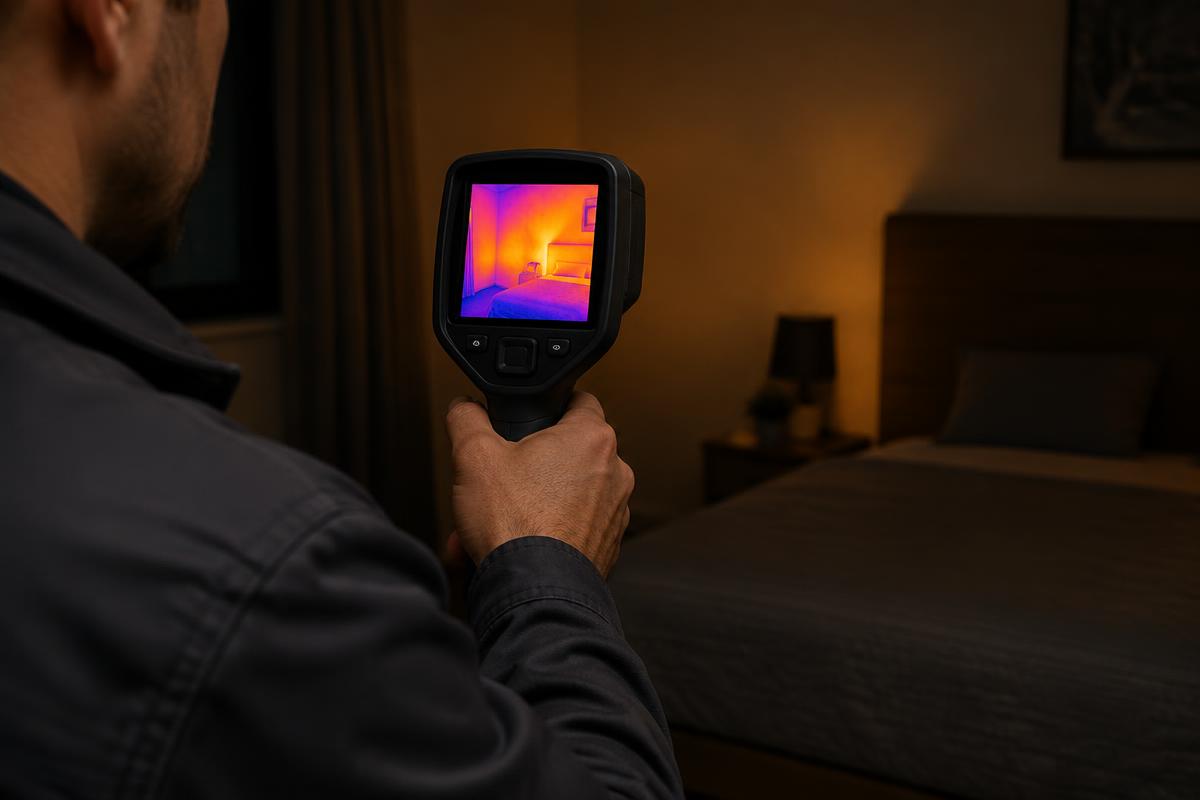
How Long Does Bed Bug Heat Treatment Take?
Read the full guide: How Long Does Bed Bug Heat Treatment Take?