Hampshire
Preparing Your Hampshire Property for Bed Bug Heat Treatment
A practical guide to preparing Hampshire homes and accommodation for bed bug heat treatment, from arranging access to managing belongings safely.
10 October 20269 min read
40 years
In the trade
Four decades of hands-on bed bug experience
Fully insured
Every treatment
Comprehensive liability cover on all work
RSPH Level 2
Certificated
Royal Society for Public Health qualified
Key points
- Agree the treatment area and access arrangements before preparing rooms.
- Avoid moving potentially infested belongings into untreated areas.
- Follow property-specific instructions for laundry and heat-sensitive items.
- Plan for people and pets to remain outside until return is authorised.
1. Start with a property-specific preparation plan
Correct preparation helps a bed bug heat treatment reach the places where insects may be hiding without creating unnecessary opportunities for them to spread. For a Hampshire property, the starting point is an assessment of the rooms, their contents and how people use the building. A generic cleaning checklist cannot replace that conversation.
Hampshire includes major cities, coastal accommodation, military communities and rural housing. Each setting presents different practical questions. A flat with shared entrances may need coordinated access, while a rural house may require a discussion about parking and equipment routes. Guest accommodation needs a clear plan for occupied rooms and incoming arrivals.
Explain where signs have been found, when they were first noticed and which rooms people have slept or rested in. Mention recent changes in sleeping arrangements, overnight visitors and any furniture moved between rooms. This information helps establish the likely treatment area rather than assuming the problem is confined to one bed.
Bed Bug Heat Solutions UK provides preparation guidance around the agreed work. Read that guidance before stripping beds, emptying cupboards or taking belongings elsewhere. If an instruction seems unsuitable for a particular item or room, ask for clarification. Preparation should be deliberate and proportionate, not a hurried attempt to empty the property.
2. Confirm room access and equipment arrangements
The treatment team needs reliable access to every area included in the agreed scope. Identify locked bedrooms, storage rooms, internal doors and any other access restrictions during the assessment. Do not assume that a key held by a neighbour or a caretaker will be available unless that arrangement has been confirmed.
Where access is controlled by a building manager, employer or accommodation office, nominate the person who can confirm room entry and equipment arrangements. This is particularly important in managed flats, staff housing and military accommodation. The nominated contact should understand the proposed work and have authority to resolve practical access questions.
Discuss the route from the vehicle to the treatment area, including stairs, lifts, gates and shared corridors. Explain any restrictions on parking, unloading or lift use. The team can then assess the arrangements rather than discovering on arrival that a planned route is unavailable or unsuitable for equipment.
Keep access routes clear without placing potentially infested items in communal spaces. Tell the team about alarms, entry systems and building rules that may affect the work. Any arrangements involving building safety systems must be agreed with the responsible person; occupants should not disable or alter them independently.
- Confirm who can authorise entry to every treatment room.
- Arrange keys, entry codes or supervised access as required.
- Describe parking, unloading, stairs and lift restrictions.
- Agree a clear equipment route through the property.
- Identify the building contact for access or safety queries.
- Report locked rooms and restricted storage areas.
3. Keep potentially infested belongings contained
Moving belongings can make a localised problem harder to manage. Bed bugs may travel in clothing, bags, bedding and furniture, so carrying items into an unaffected bedroom or another property can introduce a new risk. Avoid relocating possessions simply to make the treatment rooms look tidier before the team arrives.
Tell the assessor if anyone has started sleeping on a sofa, in a spare room or at another address. Changing sleeping locations does not reliably leave bed bugs behind, and belongings taken along may carry them. The treatment plan needs to reflect actual room use and recent movement rather than only the original complaint.
If the preparation instructions require an item to leave the treatment area, agree how it will be contained and managed. A sealed bag or container can help limit accidental transfer during handling, but containment alone is not a treatment. Do not assume that an item becomes safe just because it has been bagged.
Choose any essential belongings for your time away with care and discuss them before treatment day. Handbags, work bags and overnight cases deserve attention because they are easily overlooked. Keep agreed clean essentials separate from untreated possessions, and avoid opening bags of suspect items in shared areas or temporary accommodation.
4. Prepare beds and furniture without unnecessary disruption
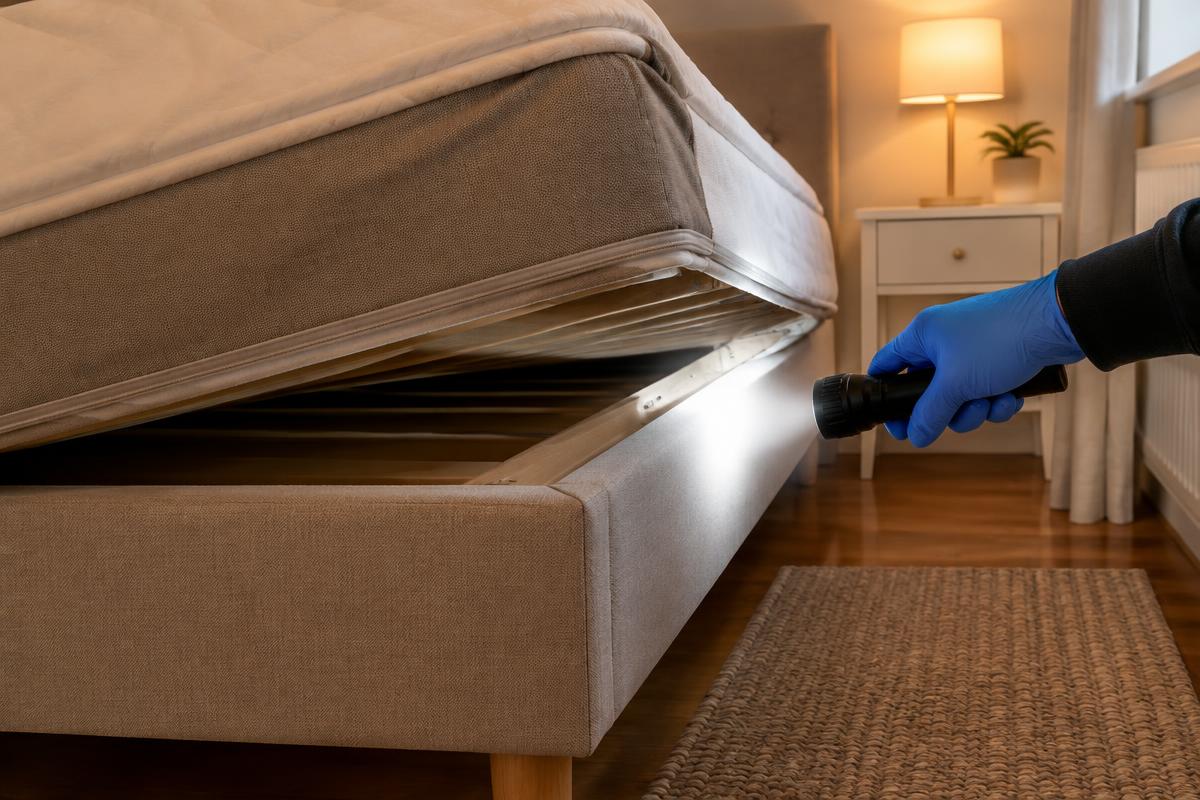
Beds, upholstered seating and nearby furniture are important parts of the assessment because they provide resting places and hiding opportunities. Explain whether beds have drawers, enclosed bases or difficult-to-reach compartments. Large wardrobes, fitted units and heavily furnished rooms should also be discussed so that preparation reflects the layout.
Do not dismantle beds or move heavy furniture unless instructed to do so. Unnecessary handling can scatter belongings, damage furniture or create lifting risks. If access behind or beneath an item is needed, agree who will make that adjustment and whether it can be done safely before the treatment begins.
Reduce unnecessary clutter according to the preparation plan, keeping potentially infested contents within the agreed area unless another arrangement has been approved. Tightly packed piles, full storage spaces and crowded floor areas can complicate access and heat movement. The aim is a workable room layout, not an indiscriminate clear-out.
Ask whether bedding should remain in place, be removed or be processed separately. The right instruction depends on the agreed treatment method and room contents. Avoid buying replacement mattresses or bringing new furniture into the property beforehand. Heat treatment may allow suitable existing furniture to be treated without automatic disposal.
5. Agree how laundry and personal items will be handled
Laundry is a common source of preparation confusion. Some people wash everything immediately, while others empty every drawer into piles on the floor. Neither approach should be the default. Ask which textiles need separate processing, which should remain in the treatment area and how clothing will be arranged for the work.
Where separate laundry treatment is advised, follow the item's care label and the team's instructions for a suitable process. Do not assume that any normal wash cycle will address bed bugs and their eggs. For delicate fabrics or items that cannot tolerate the recommended process, ask about an appropriate alternative.
Keep processed laundry separate from untreated clothing and containers. Freshly handled items can be exposed again if they are returned to suspect drawers, placed on untreated bedding or packed into the same unprocessed bag. Agree where clean items will be stored and when they can be returned to normal use.
Pack only what is genuinely needed while you are away from the property, using the agreed containment arrangements. Include uniforms, school clothing and work essentials in this discussion, particularly where residents need to leave early. Planning these details in advance reduces last-minute searching through bags or removing unassessed items.
- Ask which textiles need separate laundry processing.
- Check fabric care labels before washing or drying.
- Follow the agreed handling process for delicate items.
- Keep processed clothing apart from untreated belongings.
- Use suitable clean containers for agreed essentials.
- Confirm when laundry can return to drawers and wardrobes.
6. Identify heat-sensitive items before treatment day
Professional bed bug heat treatment uses temperatures above normal indoor conditions, so the contents of the property must be considered carefully. Tell the team about anything with a stated storage limit, unusual materials or particular sentimental value. Do not rely on a general household checklist to judge every item's suitability.
Items needing discussion may include medicines, aerosols, pressurised containers, candles, cosmetics, food, delicate artwork and certain electrical devices. Batteries and specialist equipment also need appropriate consideration. These examples are prompts for the assessment, not instructions to remove everything in those categories without checking how it should be handled.
Removing an item can protect it from heat but may also take bed bugs outside the treatment area. The plan must address both concerns. Ask which items should be removed, how they should be checked or contained, and whether they need separate management before being brought back into the property.
Raise concerns early about medical equipment, mobility aids, instruments, collections or sensitive workplace materials. Manufacturer guidance may help establish temperature limitations, but the treatment team still needs to understand where the item has been kept. Never conceal a potentially unsuitable item in a cupboard and assume it will be protected.
7. Plan for occupants, pets and accommodation use
People and pets must remain outside the treatment area during the work and until the team confirms that return is appropriate. Arrange a suitable place to spend the time away without taking untreated bedding or bags unnecessarily. Consider children, older occupants and anyone who needs regular access to medicines or support.
Discuss all animals during the assessment, including small pets and aquatic enclosures. Their welfare arrangements need to account for heat exposure and the practicalities of moving or protecting their accommodation. Plants should also be raised with the team. Do not leave an animal in another room without explicit agreement that the arrangement is suitable.
For coastal guest accommodation and other short-stay properties in Hampshire, room use must be coordinated with the treatment scope. Identify who manages bookings, housekeeping and guest communication. Avoid moving bedding, housekeeping equipment or room contents into unaffected accommodation as an improvised way of clearing the rooms scheduled for treatment.
In shared or employer-managed housing, make sure each affected occupant receives the same preparation instructions. A single resident leaving a room locked or taking untreated possessions elsewhere can disrupt an otherwise careful plan. Nominate a practical contact who can check that arrangements are understood without disclosing unnecessary personal information.
- Arrange somewhere suitable for occupants to stay during the work.
- Agree safe arrangements for every pet and animal enclosure.
- Set aside essential medicines through the agreed process.
- Coordinate room availability with accommodation managers.
- Give affected occupants consistent preparation instructions.
- Keep untreated belongings out of temporary sleeping spaces.
8. Understand the heating process and monitoring
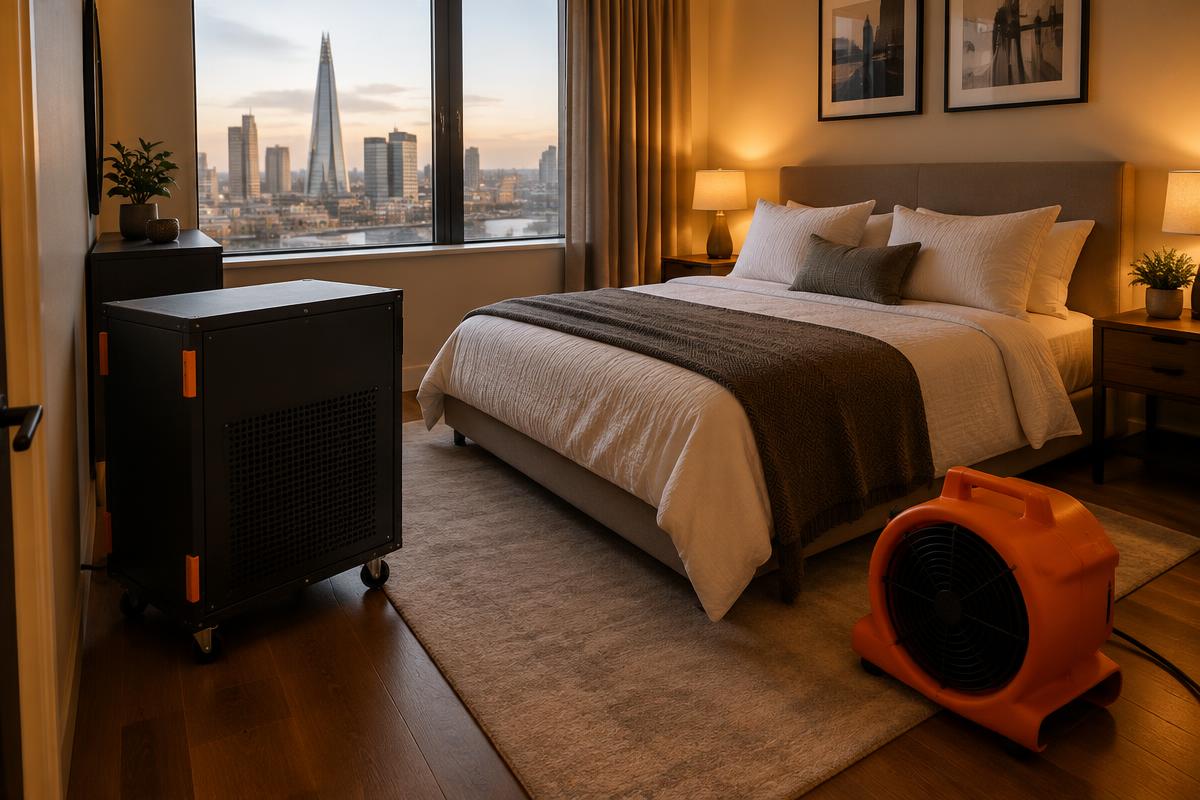
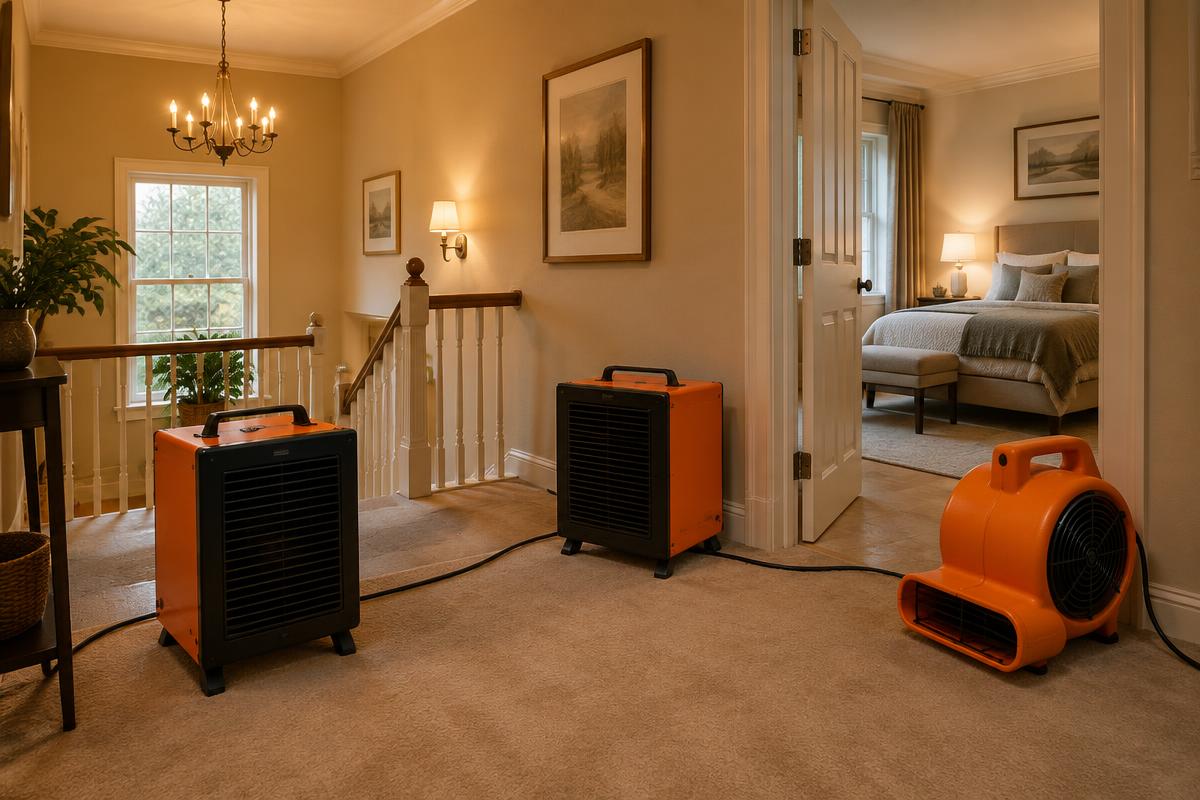
Bed Bug Heat Solutions UK uses controlled industrial heat of 60–65°C across the whole treatment area. The agreed preparation supports the practical delivery of that treatment, including access and heat movement around room contents. Household heaters, electric blankets and improvised heating methods are not substitutes for professional equipment and management.
The heating period is usually three to six hours. This is not a promise about the total appointment length or the exact time occupants can return. Setup, the property layout, room contents and the time needed before safe re-entry also affect the day's arrangements, so keep your plans flexible.
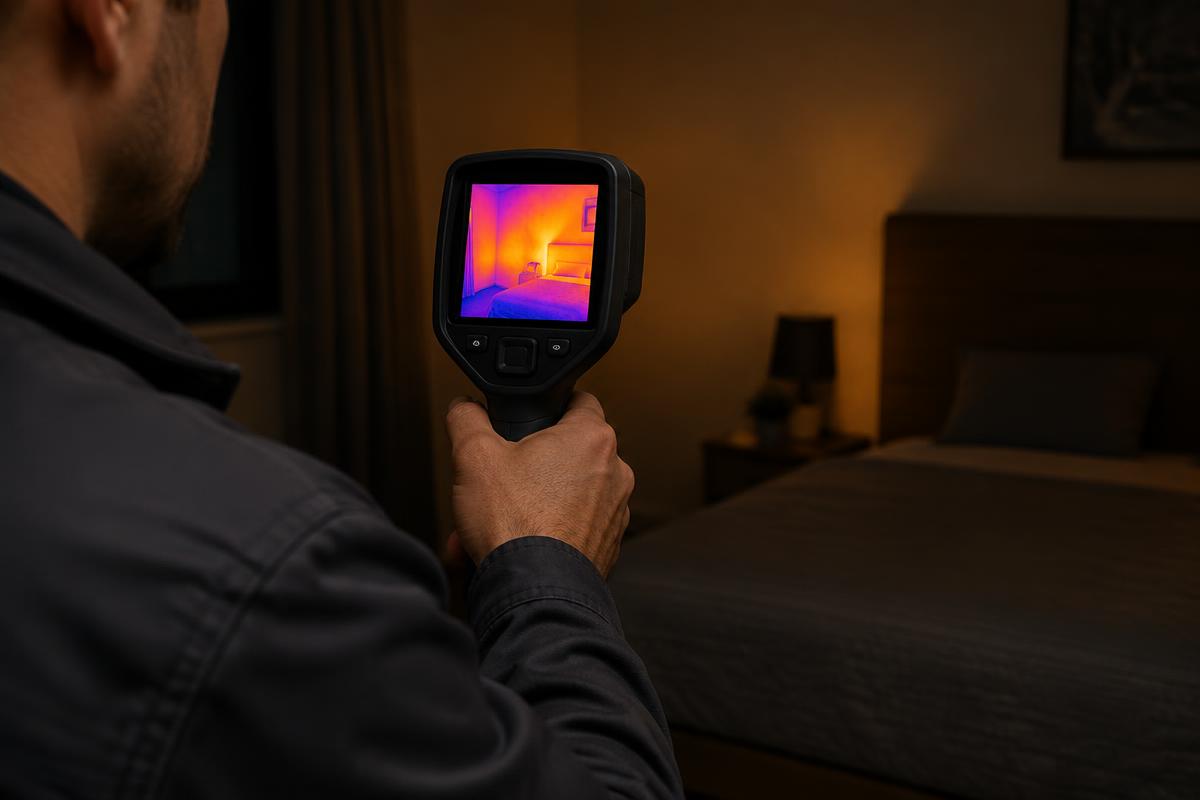
Monitoring uses active live thermal imaging cameras only. This allows the team to view surface temperature patterns during treatment and assess heat distribution as the work progresses. Thermal imaging is not a way to see through every object, which is one reason accurate information about densely packed contents and restricted areas matters.
No harmful chemicals are used as the primary treatment. Even so, a heat-treated property is an active work area with equipment and high temperatures, not somewhere occupants should enter to collect forgotten belongings. Agree how to contact the team if an urgent need arises rather than attempting to enter independently.
9. Complete a final preparation check and follow the handover
Before the team starts, explain anything that remains incomplete or has changed since the assessment. A newly occupied room, an inaccessible cupboard or a bag removed overnight may affect the plan. Clear information is more useful than rushing to conceal unfinished preparation, and it allows the team to discuss any necessary adjustments.
Confirm that approved essential items are ready, access arrangements still work and everyone understands where they will wait. Leave furniture, doors and windows in the condition specified by the team rather than guessing how to improve heat circulation. Do not operate equipment or make changes to the treatment area once work has begun.
Return only when the team authorises it and follow any instructions about residual warmth, belongings and room use. Ask what can be unpacked immediately and how separately managed items should be reintroduced. Bringing an untreated bag back into a treated room can undermine the careful separation maintained during preparation.
Keep the handover information and any agreed follow-up instructions together. If you later notice a suspected live bed bug, record where and when it was seen and contact the company for advice. Skin marks alone cannot reliably establish whether bed bugs remain, so avoid drawing conclusions or applying additional products without discussion.
10. Book with clear expectations and protect the result
A useful initial enquiry explains the property type, the rooms affected and any access or occupancy restrictions. For Hampshire customers, details about managed entry, shared areas and equipment routes help shape the assessment. Mention previous pest-control work and any products already applied so that the team has a complete picture.
Bed Bug Heat Solutions UK serves England and Wales and brings over 40 years of hands-on pest-control experience. The company is fully insured and RSPH Level 2 certificated. Ask questions about preparation before confirming arrangements, especially if the property contains sensitive items or occupants need additional support to leave safely.
A six-month guarantee is available on qualifying treatments. Confirm whether the proposed work qualifies and read the applicable terms, including any preparation and follow-up requirements. A guarantee should not be treated as permission to return unprocessed belongings or overlook the risk of a fresh introduction from outside the treated property.
After treatment, maintain sensible habits around travel bags, second-hand furniture and items brought into sleeping areas. No practical routine can promise that bed bugs will never be introduced again. The immediate priority is simpler: prepare carefully, communicate changes and follow the property-specific instructions from assessment through to the final handover.
Useful next steps
Frequently asked questions
Six-month guarantee
Qualifying treatments are covered for six months. Send your details for a free assessment.
More from the blog
How Long Does Bed Bug Heat Treatment Take?
Read the full guide: How Long Does Bed Bug Heat Treatment Take?