Kent
Bed Bug Heat Treatment in Kent: How to Prepare Your Property Correctly
A practical guide to preparing Kent homes, guest accommodation and rented properties for professional bed bug heat treatment.
24 October 20269 min read
40 years
In the trade
Four decades of hands-on bed bug experience
Fully insured
Every treatment
Comprehensive liability cover on all work
RSPH Level 2
Certificated
Royal Society for Public Health qualified
Key points
- Follow the preparation plan provided for your property.
- Avoid moving untreated belongings into other rooms.
- Declare heat-sensitive items, access restrictions and sleeping spaces.
- Plan for people and pets to remain outside until re-entry is authorised.
Why preparation matters before bed bug heat treatment
Preparing correctly helps a professional heat treatment reach the places where bed bugs hide. It also protects belongings, gives the team safe access and reduces the risk of carrying insects into untreated areas. For a property in Kent, the starting point should be a clear preparation plan based on the building and its contents.
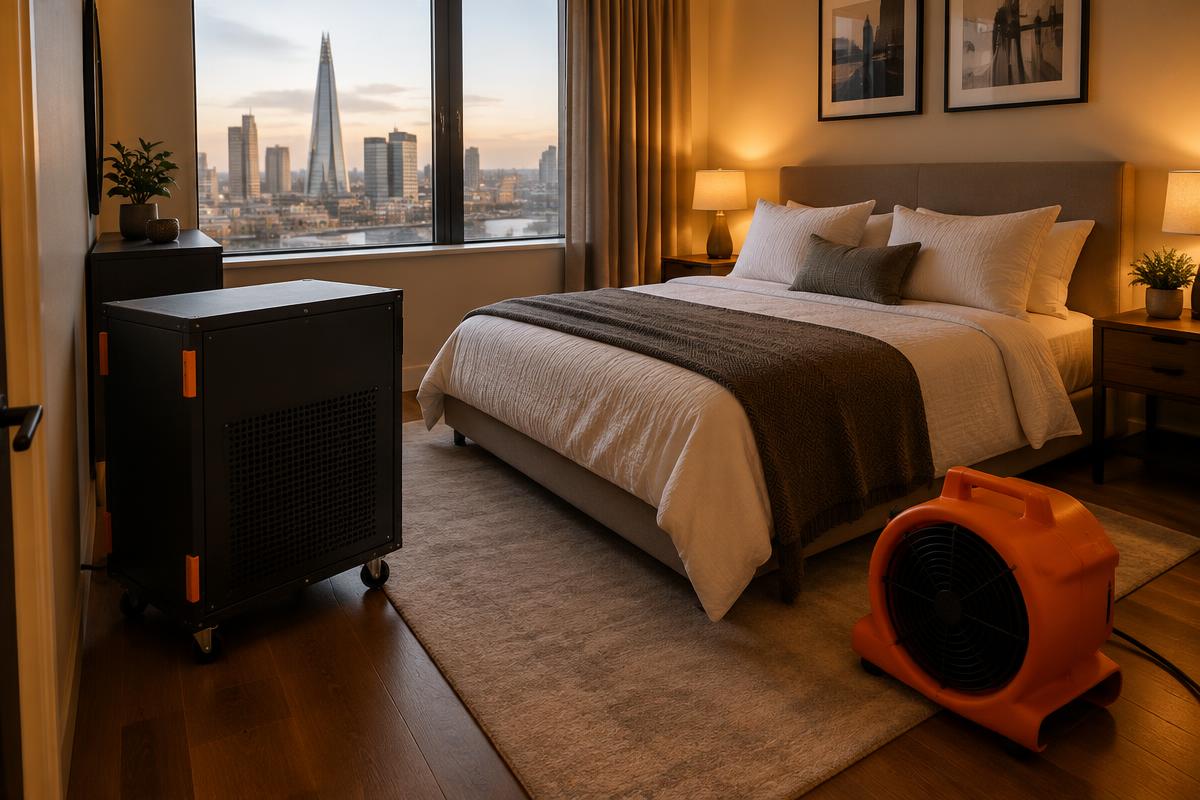
Bed Bug Heat Solutions UK uses controlled industrial heat of 60-65 degrees C across the whole treatment area. The heating period usually lasts 3-6 hours, although this is not the same as the total time needed for access, setup, treatment, cooling and safe re-entry. Your arrangements should allow for the complete visit.
Preparation does not mean emptying every room or moving everything into the garden. Unplanned removal can spread bed bugs, while tightly packed items can make treatment more difficult. Before making changes, ask which belongings should remain, which need special handling and how the team wants furniture and storage areas presented.
The main treatment does not rely on harmful chemicals. However, industrial heat still requires careful planning and professional control. Do not try to reproduce the process using domestic heaters or improvised equipment. A suitable preparation plan considers the people, animals, possessions and building features involved, rather than treating every property as identical.
Give the team a complete picture of your Kent property
Kent combines commuter housing, coastal guest accommodation, university lets and rural properties. Each can present different access and treatment requirements. A compact flat above a shop needs different equipment planning from a detached house with several bedrooms or a guest property with adjoining rooms and substantial stocks of bedding.
Explain where people currently sleep and where they have slept recently. Include sofa beds, occasional guest rooms and outbuildings used for sleeping. If a bedroom has been moved upstairs, a spare room has become occupied or furniture has recently changed rooms, say so before the treatment plan is agreed.
Travel distance, room layout and the volume of contents all influence equipment planning. Share accurate information about stairs, parking, narrow entrances and the route from the vehicle to the treatment area. Photographs or a simple floor plan can help the team understand the property, if requested.
Report signs beyond the room where the problem was first noticed. Bed bugs may be associated with other sleeping or resting areas, and adjoining spaces need consideration. In flats, shared houses and guest accommodation, clarify which rooms you control and who can authorise access elsewhere. Do not assume that one affected bed defines the full treatment area.
- Describe the property type and number of floors.
- Identify all current and recent sleeping spaces.
- Mention outbuildings used for overnight stays.
- Explain recent room changes and furniture movements.
- Provide parking, entrance and stair access details.
- Report signs in affected and adjoining spaces.
Keep bed bugs contained while you prepare
It is understandable to want bedding, luggage and furniture out of the house immediately. However, carrying untreated possessions through hallways or into another property can create further problems. Keep belongings within the agreed treatment area unless the team has given specific instructions for removing, containing or separately treating them.
Avoid moving to a different bedroom simply as a preparation step without discussing it first. Changes in sleeping arrangements can complicate the picture of where bed bugs may be present. If you have already started sleeping elsewhere, explain when this happened and identify the bedding and belongings that moved with you.
When an item must be moved, ask how it should be contained and handled. Bags or containers may help prevent insects escaping during transport, but sealed packaging can also affect how contents are treated. Do not assume that a tightly sealed bag left in a heated room will automatically receive adequate treatment throughout.
Keep any confirmed cleaned or separately treated items distinct from untreated belongings. Labelling containers can make this easier, particularly in shared houses where several people are preparing at once. The aim is a controlled process, not a hurried clear-out that mixes possessions and loses track of what has been handled.
Reduce clutter without hiding the problem elsewhere
Clear access allows the team to work safely and arrange equipment appropriately. Focus first on walkways, doorways and the areas around beds and seating. Do not shift piles into cupboards, pack them behind furniture or fill an adjoining room. That may simply move the difficulty rather than resolve it.
Explain where contents are unusually dense, such as book collections, packed wardrobes or storage beneath beds. Heat movement can be affected by the volume and arrangement of belongings. The team may ask for items to be spread out or repositioned, but the right approach depends on the agreed treatment setup.
Do not dismantle beds, remove fitted furniture or pull apart electrical fittings unless specifically instructed. These actions can create safety problems and may not be necessary. Tell the team about broken furniture, loose shelving or heavy items that cannot be moved safely so these can be considered before work begins.
If you want to discard possessions, agree a safe process first. Carrying an uncontained mattress along communal stairs or leaving furniture for someone else to collect can spread the problem. Disposal is not automatically required for heat treatment, and replacing a bed alone does not address bed bugs hiding elsewhere.
Identify belongings that need special handling
Some possessions cannot safely remain exposed to treatment heat. Before the visit, review the rooms for medicines, pressurised containers, flammable products and other heat-sensitive materials. Give the team a full list rather than making assumptions. Manufacturer storage limits and the condition of individual items can affect the advice you receive.
Candles, cosmetics, delicate artwork, photographs, adhesives and certain musical instruments may also require discussion. Electronics and battery-powered equipment should be assessed according to their specifications and the treatment plan. Do not rely on a general statement that every household item is safe at the planned treatment temperature.
Removing a sensitive item does not mean ignoring its possible connection to the infestation. An object taken from beside a bed may need containment, inspection or an alternative handling plan. Ask how it can be protected from heat without carrying bed bugs into a vehicle, another room or a temporary place to stay.
Tell the team about valuable, sentimental or irreplaceable possessions before treatment day. The same applies to medical equipment and items needed for daily care. Early discussion gives everyone time to agree practical arrangements and avoids rushed decisions once equipment is being brought into the property.
- Declare medicines and temperature-sensitive medical supplies.
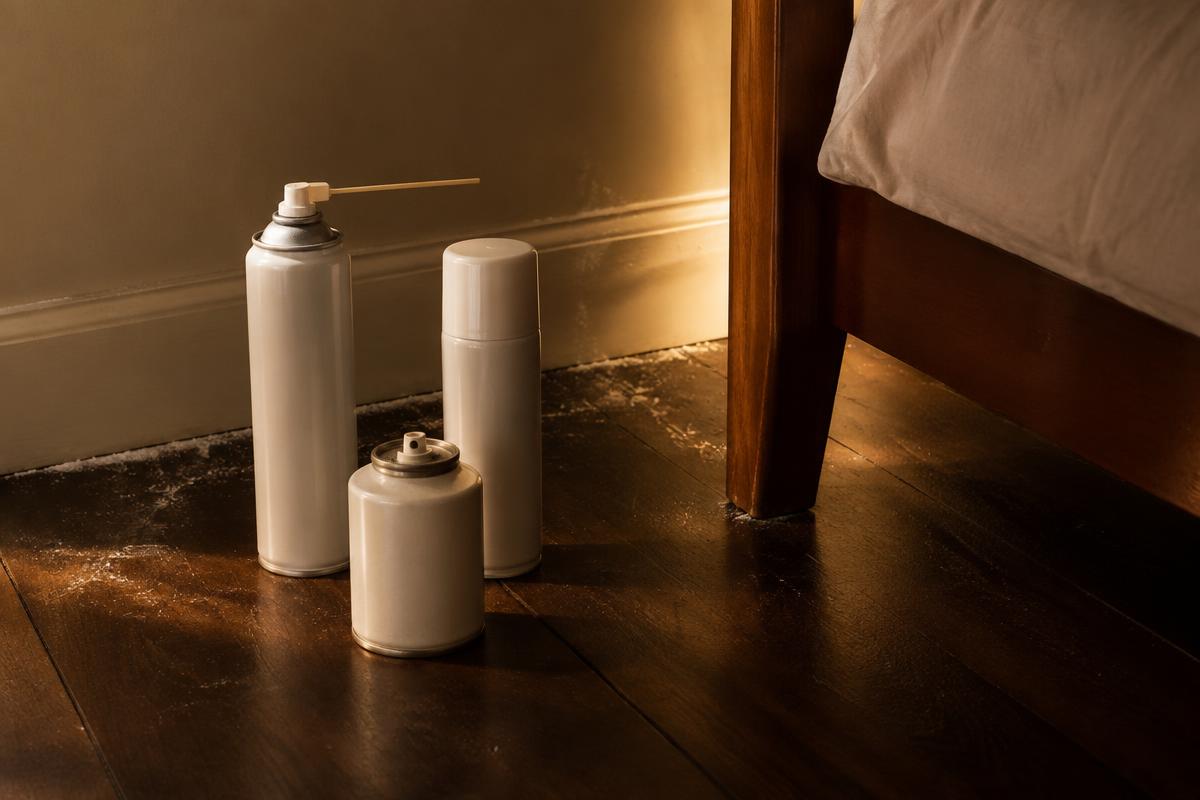
- Identify aerosols, flammable liquids and pressurised containers.
- Discuss electronics, batteries and manufacturer temperature limits.
- Flag artwork, instruments and irreplaceable possessions.
- Ask about candles, cosmetics and items containing delicate adhesives.
- Agree containment and handling before removing anything.
Prepare bedding, clothing and laundry as instructed
Bedding and clothes deserve particular attention because they are often moved repeatedly during preparation. Ask whether they should remain in place, be arranged differently or undergo a separate laundry process. There is no benefit in stripping every bed automatically if that conflicts with the way the team intends to treat the rooms.
Where laundering is recommended, follow the specific process provided and check each item's care label. Washing alone should not be assumed to resolve every situation. Suitable washing or tumble-drying arrangements depend on the material and the instructions given. Keep laundry contained while moving it and avoid sorting untreated items in unaffected areas.
Do not tightly pack all clothing into suitcases or bags in the hope of making the room look tidy. Dense bundles can complicate heat movement and may need a different arrangement. Explain if wardrobes, drawers or linen cupboards are full so the team can tell you what to open, empty or leave alone.
In coastal guest accommodation or university lets, distinguish personal clothing from shared linen and housekeeping supplies. Keep track of which room each batch came from. Avoid moving untreated linen to another building or accommodation unit, and coordinate preparation so cleaners, residents and managers all follow the same agreed instructions.
Plan access, utilities and the time away from the property
Confirm who will provide access and who can answer questions about the property. In a rented home, this may involve both the occupier and the landlord or managing agent. For a guest property, make sure staff know which spaces are included and that rooms will not be occupied during the work.
Tell the team about electrical supply arrangements, restricted service access or known faults. They will determine what is needed for their equipment. Do not make electrical alterations, improvise extension arrangements or disconnect services without instruction. Equipment requirements should be settled through the property assessment rather than guessed at during preparation.
Arrange for everyone to remain outside the treatment area until the team authorises re-entry. The usual 3-6 hour heating period is only one part of the visit. Allow for setup and cooling, and avoid scheduling essential appointments or guest arrivals around an assumed completion time.
Plan a safe place for pets as well as people. Mention aquariums, vivariums, caged animals and indoor plants in advance so suitable arrangements can be discussed. Never assume an adjoining room will be a safe refuge. Anyone needing medication, mobility equipment or care supplies should have these available outside the treatment area.
- Confirm access, keys and the responsible contact.
- Keep agreed entrances and equipment routes clear.
- Report electrical faults or utility restrictions.
- Arrange suitable accommodation for pets during the visit.
- Take essential medication and care supplies with you safely.
- Wait for authorisation before returning to treated spaces.
Coordinate preparation in shared and multi-room buildings
A shared property needs one consistent preparation plan. If one resident bags everything, another moves furniture into the corridor and a third removes bedding to a friend's house, containment becomes harder. Nominate a person to coordinate instructions, while ensuring every occupier understands what they must do in their own space.
In flats and converted buildings, explain the relationship between bedrooms, neighbouring units and shared areas. The treatment team needs to understand access boundaries and where signs have been reported. This does not mean every neighbouring space automatically requires treatment, but it does mean relevant information should not be left out.
Guest accommodation requires particular care with room changes. Moving a guest to another room with untreated luggage or bedding may carry insects with them. Report any recent transfers and ask how to manage belongings safely. Keep operational decisions aligned with the treatment plan rather than simply preparing the originally reported room.
For rural properties, include annexes and outbuildings used for sleeping, even if they are occupied only occasionally. For university lets, identify vacant bedrooms and recent changes of tenant. These details help the team consider affected and adjoining spaces and avoid building a plan around an incomplete account of how the property is used.
Know what happens during treatment and safe re-entry
Before heating begins, the team should be able to review the preparation and raise any remaining concerns. Be available to explain anything unusual, including belongings that have been removed or areas that could not be cleared. If you could not complete an instruction, say so rather than concealing the issue.
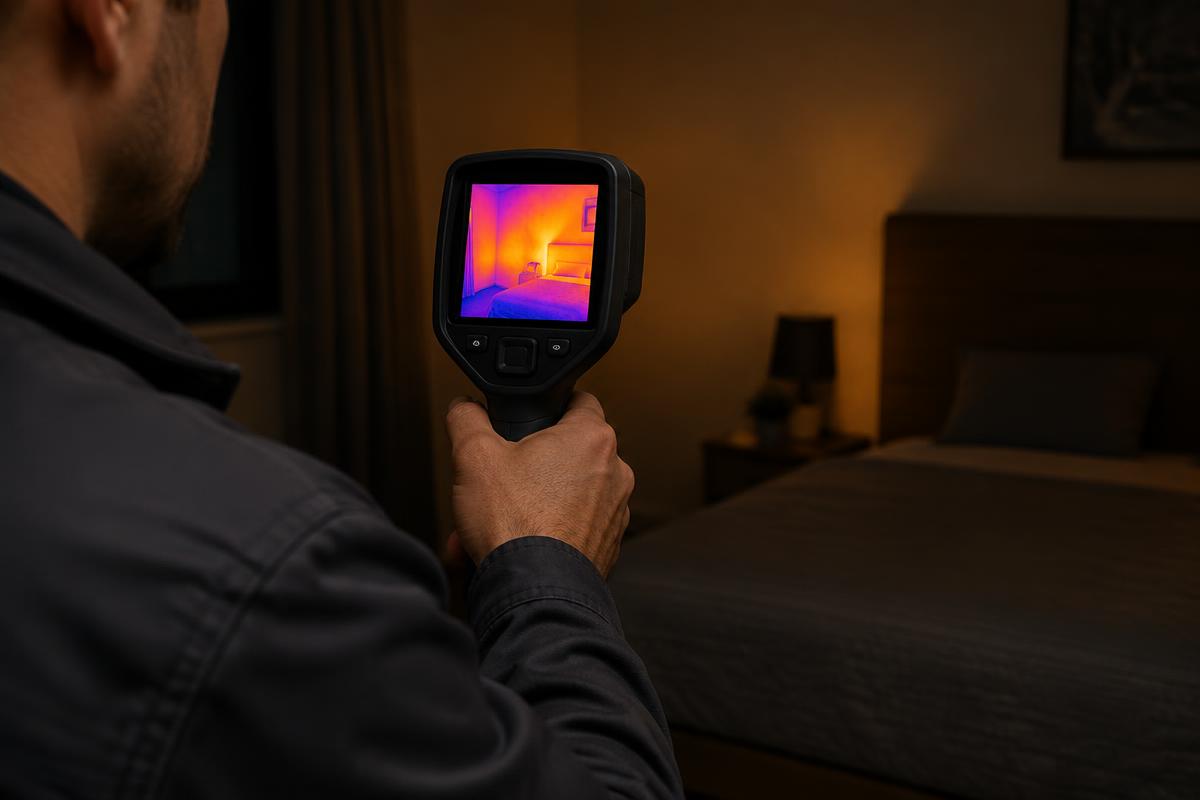
Bed Bug Heat Solutions UK monitors treatment using active live thermal imaging cameras only. This supports observation of heat distribution during the work. Preparation still matters: a monitoring method does not remove the need to declare dense contents, explain room layouts or follow instructions about the arrangement of belongings.
The treatment uses controlled industrial heat of 60-65 degrees C across the whole treatment area, with a heating period usually lasting 3-6 hours. Do not enter to collect forgotten belongings or adjust windows, doors or equipment. Contact the team if something urgent has been overlooked and let them manage access safely.
Re-entry should follow the team's authorisation, not your own estimate of when heating ought to have finished. Follow any cooling and handling instructions provided, as rooms and possessions may remain warm. Ask before switching equipment back on or returning sensitive items if their safe handling depends on the conditions inside.
Protect the result with careful aftercare
After treatment, return belongings according to the agreed plan. Do not immediately bring back untreated bags, bedding or furniture that were removed earlier. If any item still needs separate handling, keep it contained as instructed and ask what must happen before it can safely re-enter the treated space.
Follow the aftercare guidance rather than adding shop-bought sprays or changing rooms as a precaution. Additional products may be unnecessary and can make subsequent assessment less straightforward. If you notice possible activity, record where and when it occurred and contact the company for advice. Skin marks alone do not establish whether bed bugs remain.
Bed Bug Heat Solutions UK offers a six-month guarantee on qualifying treatments. Ask whether your proposed treatment qualifies and request the applicable terms, including preparation requirements and the process for reporting concerns. A guarantee should be understood before booking rather than assumed to cover every circumstance or later introduction of bed bugs.
The company serves England and Wales, including Kent, with over 40 years of hands-on pest-control experience. It is fully insured and RSPH Level 2 certificated. To prepare for an assessment, gather the property details, report recent room changes and identify any sensitive belongings. Accurate information and careful preparation provide a sound basis for professional treatment.
Useful next steps
Frequently asked questions
Six-month guarantee
Qualifying treatments are covered for six months. Send your details for a free assessment.
More from the blog
How Long Does Bed Bug Heat Treatment Take?
Read the full guide: How Long Does Bed Bug Heat Treatment Take?