Kent
Bed Bug Heat Treatment in Kent: Why DIY Treatments Usually Fail
Why bed bugs survive many DIY attempts in Kent properties, and what a properly planned professional heat treatment does differently.
3 November 20269 min read

40 years
In the trade
Four decades of hands-on bed bug experience
Fully insured
Every treatment
Comprehensive liability cover on all work
RSPH Level 2
Certificated
Royal Society for Public Health qualified
Key points
- DIY treatments often miss hidden bed bugs and eggs.
- Moving belongings can spread an infestation between rooms.
- Professional heat treatment needs whole-area planning and active monitoring.
- Good preparation and follow-up support lasting control.
Why bed bugs can outlast DIY treatment in Kent
Finding bed bugs often leads to an understandable rush to do something immediately. A household spray, a hot wash and a thorough vacuum can feel like a complete response. The difficulty is that the insects you can see may represent only part of the infestation, with others hidden beyond the surfaces you have treated.
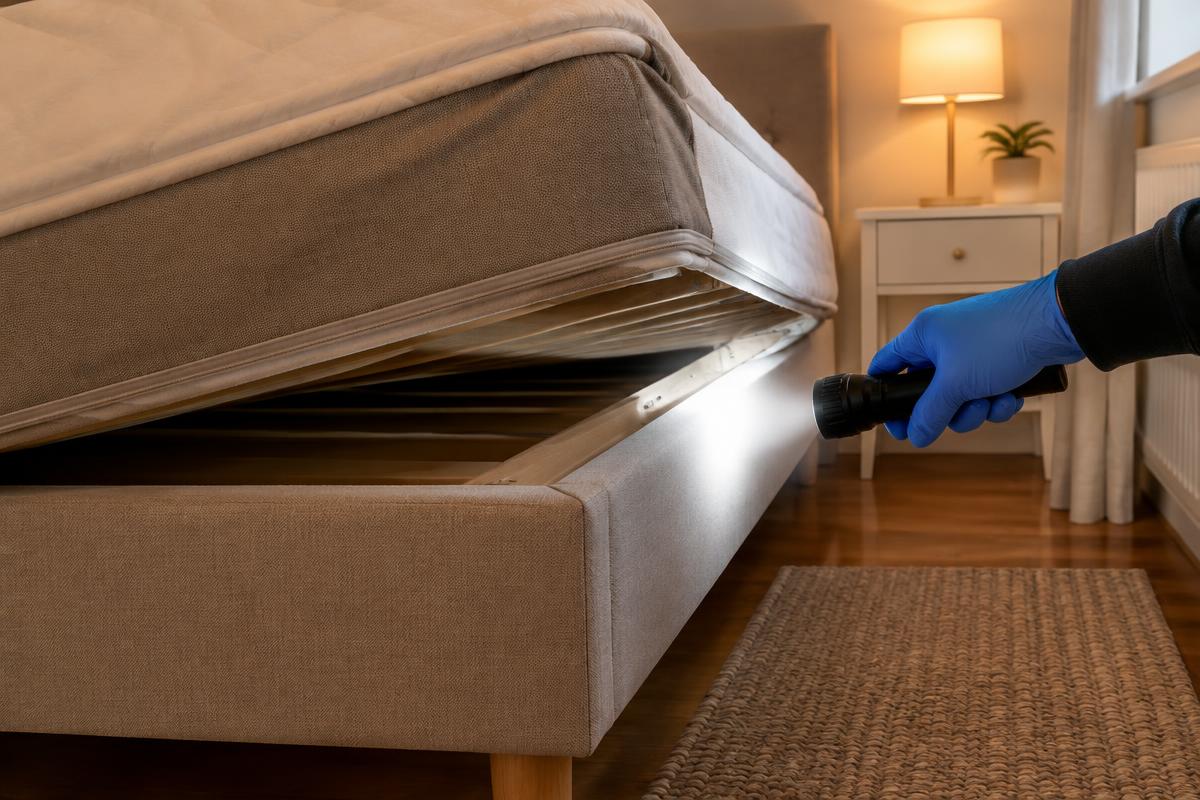
Bed bugs fit into narrow gaps around bed frames, headboards, furniture joints and skirting boards. They may also occupy nearby furniture and belongings. Eggs are small and easily overlooked. Treating the mattress alone can therefore leave enough of the infestation untouched for activity to continue after an apparently quiet period.
Kent has a varied mix of commuter housing, coastal guest accommodation, university lets and rural properties. These settings differ in occupancy, room use and the movement of luggage or furniture. None is automatically protected by being clean, modern or spacious, and an infestation is not evidence of poor housekeeping.
DIY control usually fails because treatment coverage is incomplete, the method does not reach harbourages, or the wider property has not been considered. Professional bed bug heat treatment starts with those limitations rather than simply applying a stronger version of a household product. The aim is to plan around where bed bugs could actually be.
Confirm the problem before treating the room
Skin marks alone cannot reliably identify bed bugs. People react differently to bites, and other insects or skin conditions can cause similar irritation. Beginning treatment without checking the evidence may lead to unnecessary pesticide use while the actual cause remains unresolved. It can also make a later inspection harder if everything has been disturbed.
Useful signs include live insects, shed skins, eggs and dark spotting around likely hiding places. These signs need interpreting in context rather than treating every mark as proof. If you find an insect, a clear photograph or a securely contained specimen can help a professional assess what you are dealing with.
Look carefully without dismantling the entire room or carrying suspect belongings through the house. Start around the sleeping area and note where evidence appears. Record which rooms are occupied and where people have recently slept. That information is often more useful than repeatedly spraying every visible seam or throwing away furniture.
For Kent landlords and accommodation operators, reports from different rooms should be considered together. A complaint in one bedroom does not prove that every room is affected, but it should not be assessed in isolation from recent room moves. Early, accurate information helps establish a sensible inspection and treatment scope.
- Photograph suspected insects and visible signs where practical.
- Note the rooms and furniture where evidence appears.
- Record when signs were first noticed.
- List any products or methods already used.
- Explain recent changes in sleeping arrangements.
- Avoid moving suspect belongings into unaffected rooms.
Why shop-bought sprays often leave the infestation behind
A household insecticide may kill bed bugs that receive an effective exposure, but that does not mean it reaches every insect in the room. Fine cracks, enclosed furniture joints and inaccessible spaces can remain untreated. Applying more product to visible surfaces does not solve the problem of bed bugs hiding elsewhere.
Some bed bug populations also have resistance to certain insecticides. This is one reason a product may perform poorly even when the user believes they have followed the instructions. It does not mean every insecticide is ineffective, but choosing and applying an appropriate professional treatment requires more than recognising a familiar brand.
Repeated spraying can introduce avoidable exposure without producing reliable control. Never mix pesticides, exceed label directions or use a product on bedding or another surface unless the label specifically permits it. Outdoor products and improvised chemical combinations are not suitable substitutes for a properly assessed indoor bed bug treatment.
Uncoordinated spraying may also disturb insects without resolving the infestation. A room can appear quieter while bed bugs remain in untreated hiding places. Tell your treatment provider exactly what has been applied and where, including any powders or aerosols, so previous attempts can be considered during assessment and preparation.
Why washing, vacuuming and steam are rarely enough alone
Laundering suitable bedding and clothing can be useful, but it addresses the items being processed rather than the whole room. A clean duvet cover does not treat the bed frame, a bedside cabinet or the space behind a headboard. Bed bugs can return to freshly laundered items if nearby hiding places remain occupied.
Handling is just as important as washing. Carrying loose bedding through a hallway or sorting suspect clothes on another bed can spread insects. Follow professional instructions on bagging, laundering and storing items, taking account of fabric care labels. Keep processed items separate from untreated contents rather than immediately placing them back together.
Vacuuming can remove some accessible insects and debris, but it cannot reliably extract every bed bug or egg from tight gaps. Disposal of the collected material also needs care. A thorough-looking clean should therefore be understood as a supporting measure, not proof that the infestation has been eliminated.
Steam can affect bed bugs when sufficient heat reaches them, but effective application is slow and depends on access, technique and surface suitability. Rushing over upholstery or treating only visible seams leaves gaps in coverage. Steam also carries burn and moisture risks, making improvised use on electrical fittings or unsuitable materials particularly unwise.
Why DIY heating is not professional heat treatment
Turning up the central heating or placing domestic heaters around a bedroom does not reproduce a professional bed bug heat treatment. The room may feel very hot while hidden areas remain insufficiently heated. Dense contents, enclosed furniture and differences in airflow can create uneven conditions that are difficult to judge by touch.
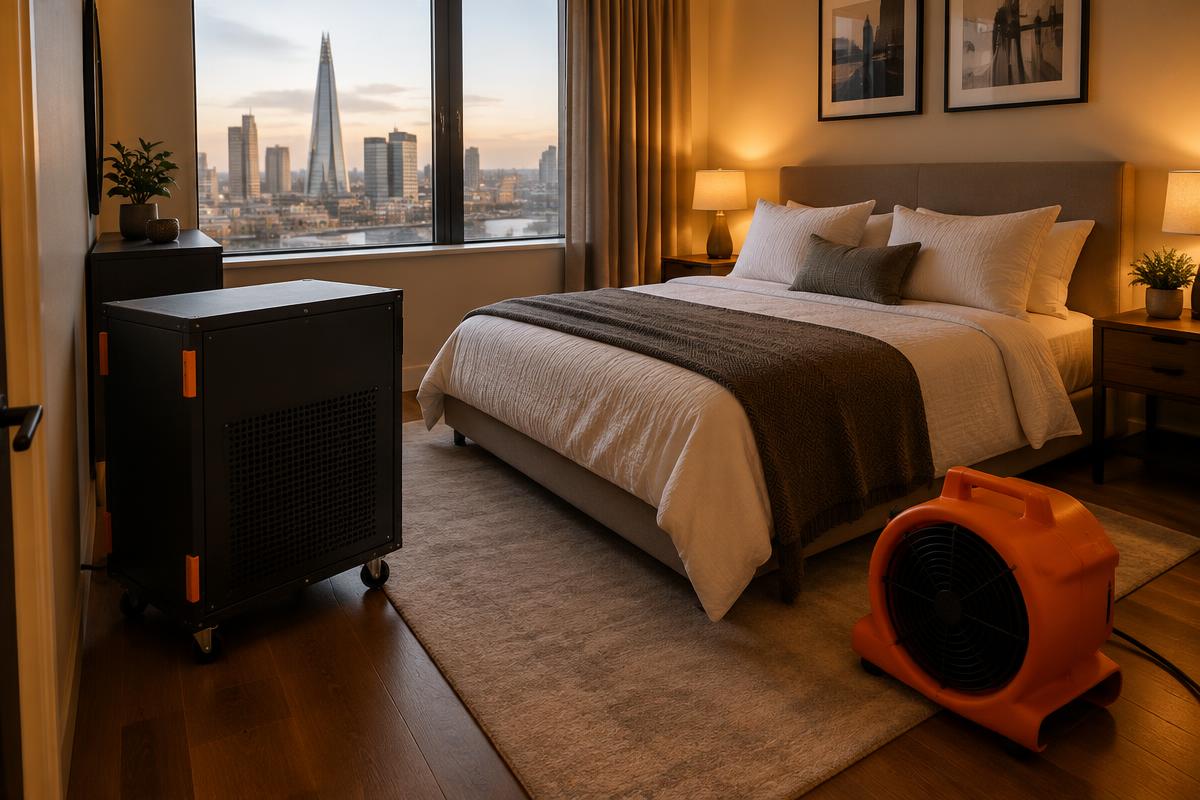
Bed Bug Heat Solutions UK uses controlled industrial heat of 60-65 degrees C across the whole treatment area. The heating period is usually 3-6 hours. These are planned treatment conditions, not a recommendation to attempt the same temperatures using domestic equipment or leave portable heaters running unattended in a closed room.
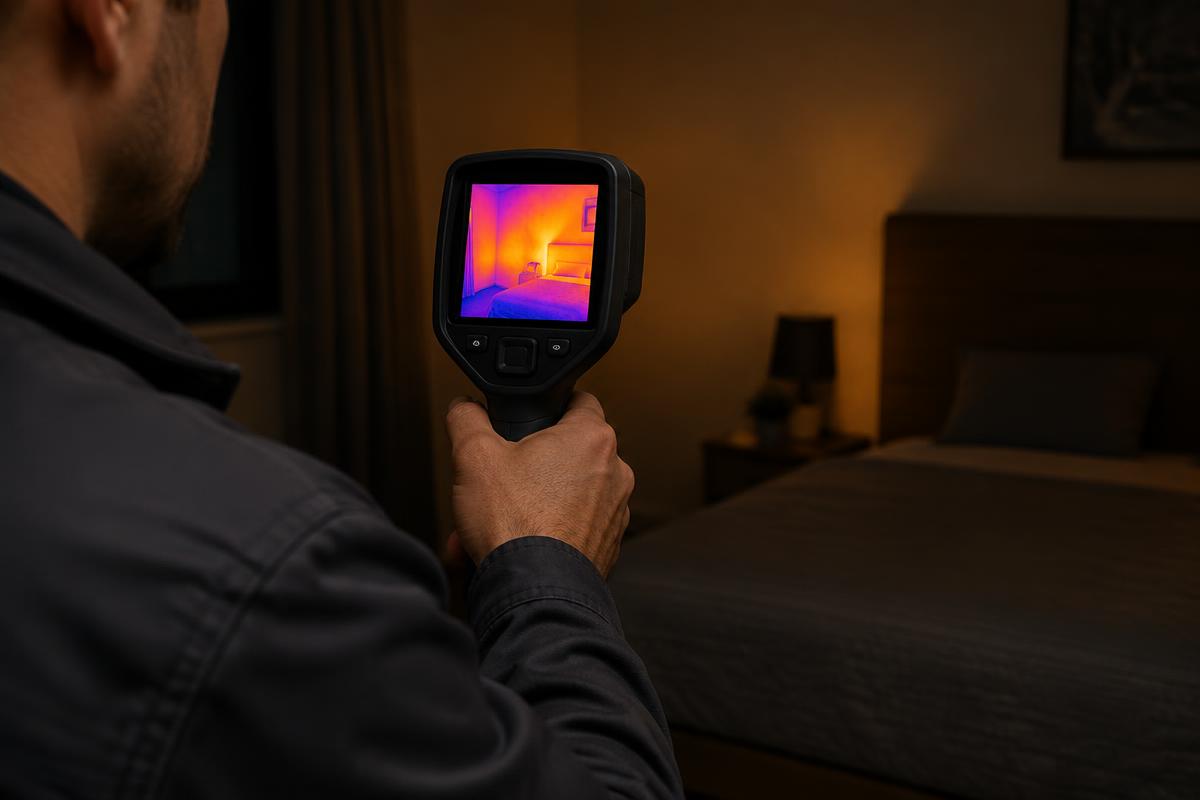
Monitoring uses active live thermal imaging cameras only. This allows the treatment team to observe heat distribution and identify areas requiring attention as the process develops. Professional judgement, equipment placement and management of the treatment area matter because warming the open air alone does not establish that hidden harbourages have been adequately addressed.
Improvised heating can create fire risks, overload electrical supplies and damage possessions without controlling the infestation. The professional approach combines suitable equipment with preparation, active monitoring and a defined treatment scope. No harmful chemicals are used as the primary treatment, but heat still requires careful management to protect people, pets and property.
How everyday reactions can spread bed bugs
Moving to the sofa or a spare bedroom may seem the easiest way to avoid further bites. Unfortunately, changing sleeping locations can complicate the pattern of activity, especially if bedding and belongings move as well. Seek advice before changing room use rather than assuming that leaving one bed empty will solve the problem.
Throwing away a mattress is another common reaction. It may remove one harbourage, but it does not treat insects in the bed frame or surrounding room. Carrying an uncovered mattress through the property can also spread bed bugs. Replacing it before control is complete risks exposing the new mattress to the same infestation.
In shared accommodation and guest properties, moving residents between rooms without a coordinated plan can create further uncertainty. Bags, clothing and soft furnishings may travel with them. Record any room changes and tell the treatment provider, including temporary sleeping arrangements, so affected and adjoining spaces can be considered together.
Keeping the situation contained does not mean ignoring it. It means avoiding unnecessary movement while arranging a clear assessment and following agreed instructions. In flats, university lets and other shared buildings, the landlord or managing agent may need to help coordinate access and communication where the suspected extent goes beyond one household.
- Ask for advice before moving to another sleeping area.
- Keep suspect belongings contained rather than carrying them loose.
- Do not donate or sell potentially infested furniture.
- Discuss disposal before removing a mattress or bed frame.
- Report recent room moves and transferred furnishings.
- Coordinate with the landlord or manager where shared spaces are involved.
Why Kent properties need individual treatment planning
A compact commuter flat and a large rural house do not present the same treatment conditions. Access, room layout and the volume of contents influence how equipment is planned and positioned. Travel distance also forms part of logistical planning across Kent, so providing an accurate location and property description is useful from the outset.
Coastal guest accommodation may have frequent luggage movement, closely grouped bedrooms and changing occupancy. University lets can combine private bedrooms with shared living areas and furniture brought in by different occupants. These factors do not establish the source of an infestation, but they help explain why treating one visible patch may be insufficient.
Several floors, unusual room connections and outbuildings used for sleeping should all be mentioned during the enquiry. An annex or garden building used occasionally as a bedroom can be relevant even if it is not part of the main sleeping area. Recent furniture transfers between those spaces are also important to disclose.
Treatment planning should consider affected and adjoining spaces without automatically assuming that every part of the property needs identical work. A clear account of where signs have appeared, how rooms are used and what has changed helps define the scope. It also reduces the chance of an overlooked sleeping area undermining the treatment.
Preparation helps heat reach the places DIY misses
Successful preparation is not simply a request to make the property look tidy. The purpose is to allow safe access, support heat movement and address items that need special handling. Large amounts of tightly packed contents can complicate treatment, but removing them without guidance may transfer bed bugs somewhere else.
Ask for the preparation instructions that apply to your property and follow them rather than relying on a generic online checklist. Tell the team about medicines, aerosols, batteries, valuables and other potentially heat-sensitive belongings. Items requiring removal or protection need an agreed plan so that safety precautions do not become a route for reintroduction.
People and pets must remain outside the treatment area during the work and return only when the team confirms it is safe. Discuss access arrangements, occupants' needs and any restrictions beforehand. The usual 3-6 hour heating period is not the same as a guaranteed total appointment length, because preparation, setup and safe handover also matter.
Avoid adding a last-minute round of sprays or powders unless the treatment provider has specifically advised it. Extra products are not a shortcut to better results and may introduce unnecessary complications. Accurate disclosure and sensible preparation are more valuable than trying to complete another improvised treatment immediately before professional attendance.
- Read the property-specific preparation instructions in full.
- Explain how much furniture and stored material each room contains.
- Flag potentially heat-sensitive items before moving them.
- Arrange for people and pets to remain outside the treatment area.
- Provide access to all spaces included in the agreed scope.
- Disclose every recent DIY or professional treatment.
- Confirm safe re-entry arrangements with the treatment team.
Why follow-up matters after an apparently quiet spell
One reason DIY efforts become expensive and frustrating is that a short break in sightings can be mistaken for success. Bed bugs are elusive, and bite reactions are not a dependable way to judge treatment outcomes. A few quiet nights do not establish that every hiding place has been addressed.
After professional treatment, follow the provider's instructions on returning belongings, room use and checking for fresh evidence. Previously deposited marks or shed skins do not necessarily indicate continuing activity. Report live insects or new signs with photographs and locations where possible, rather than immediately applying another household pesticide.
No treatment makes a property permanently immune to bed bugs being brought in again. Luggage, second-hand furniture and belongings moved from untreated locations can create new risks. Practical prevention focuses on noticing problems early and managing suspect items carefully, not on repeatedly spraying a room that has no evidence of infestation.
Bed Bug Heat Solutions UK provides a six-month guarantee on qualifying treatments. Ask about eligibility, the agreed treatment scope and the applicable terms before booking, rather than assuming every situation is covered in the same way. Clear expectations about preparation, follow-up and reporting concerns are an important part of a professional service.
Getting professional help for bed bugs in Kent
If repeated washing, spraying or furniture changes have not resolved the problem, the next useful step is a structured assessment rather than another product purchase. Explain the evidence you have found, the rooms involved and the methods already attempted. That gives the treatment provider a practical starting point for discussing the property.
Bed Bug Heat Solutions UK serves Kent as part of its coverage across England and Wales. The company brings over 40 years of hands-on pest-control experience, is fully insured and holds RSPH Level 2 certification. Treatment planning is based on the property and suspected infestation rather than a one-size-fits-all household routine.
Professional heat treatment offers a way to address hidden bed bugs and eggs across the agreed treatment area using controlled industrial equipment. Its value lies in comprehensive planning and managed delivery, not simply in making a bedroom hot. Active live thermal imaging cameras support monitoring throughout the heating process.
When making an enquiry, include the property type, approximate contents, number of floors and any sleeping outbuildings. Mention adjoining accommodation and recent room changes as well. With that information, the team can discuss suitable next steps, preparation and whether a qualifying treatment includes the six-month guarantee, without relying on assumptions about your home or business.
Useful next steps
Frequently asked questions
Six-month guarantee
Qualifying treatments are covered for six months. Send your details for a free assessment.
More from the blog
How Long Does Bed Bug Heat Treatment Take?
Read the full guide: How Long Does Bed Bug Heat Treatment Take?