Lincolnshire
Spotting Bed Bugs Early in Lincolnshire: Signs and Heat Treatment
Recognise the early signs of bed bugs in Lincolnshire and understand how prompt identification helps you plan professional heat treatment.
1 October 20269 min read
40 years
In the trade
Four decades of hands-on bed bug experience
Fully insured
Every treatment
Comprehensive liability cover on all work
RSPH Level 2
Certificated
Royal Society for Public Health qualified
Key points
- Bites alone cannot confirm bed bugs.
- Check bed seams, frame joints and nearby furniture.
- Photographs and room dimensions support accurate planning.
- Professional heat treatment needs whole-area preparation.
1. Why early recognition matters in Lincolnshire
An early bed bug infestation can be easy to overlook. You might notice one unexplained mark on bedding, an itchy patch of skin or a small insect near the headboard. None of these signs should cause panic, but repeated or overlapping clues deserve a careful inspection rather than guesswork.
Bed bugs feed on blood and usually hide close to places where people rest. They do not indicate poor housekeeping, and they can arrive in clean, well-maintained homes. Travel bags, second-hand furniture and belongings moved between properties can provide opportunities for them to enter a new building.
Across Lincolnshire, the practical circumstances vary considerably. A bedroom in Lincoln, a coastal holiday property and a rural family home may need different access arrangements and equipment planning. Distances between towns also matter when organising a visit, so useful information at the enquiry stage makes a difference.
Recognising the problem before belongings are moved around can help limit unnecessary spread and disruption. The first aim is to establish whether bed bugs are present and which rooms may be involved. Professional treatment planning should follow that evidence, not rely solely on the number of bites someone reports.
2. Look for physical evidence, not just bites
Adult bed bugs are small, wingless insects with a flattened, oval shape when unfed. They are generally brown and can look darker or more rounded after feeding. Younger bed bugs are smaller and paler, which makes them harder to spot against light bedding or inside narrow furniture joints.
Other useful clues include shed skins, tiny pale eggs and dark spotting around hiding places. Bed bug faecal marks can appear as small dark dots on fabric or nearby surfaces. These signs are more meaningful when found together, especially around a bed frame, mattress seam or upholstered headboard.
Small blood marks on sheets can raise suspicion, but they are not proof by themselves. Skin irritation, minor scratches and other causes can leave similar marks. Likewise, a musty smell is not a reliable early-warning test, and its absence does not tell you that a room is clear.
If you find an insect, photograph it clearly beside a familiar object for scale, without allowing it to escape. A specimen kept in a securely closed container may help with identification. Avoid crushing or discarding every suspected insect before anyone has had the chance to examine the evidence.
- Look for live insects along mattress seams and labels.
- Check nearby joints for small dark spotting.
- Note any pale shed skins or suspected eggs.
- Photograph evidence before cleaning it away.
- Record the room and exact location of each finding.
- Keep a suspected insect securely contained if practical.
3. Why skin reactions can give a misleading picture
People react differently to bed bug bites. Some develop itchy marks, while others show little or no visible reaction. Reactions may also become noticeable after a delay. This means the person with the most obvious marks is not necessarily sleeping closest to the main hiding place.
The pattern of marks does not reliably identify the cause. Bites may appear grouped, scattered or in a line, but other insects and skin conditions can produce similar appearances. A photograph of skin alone is therefore not enough to confirm an infestation or decide how much treatment is needed.
If one person in a household has marks and another does not, inspect the sleeping area rather than ruling bed bugs in or out. Look for physical evidence around both sides of the bed and nearby furnishings. Keep notes about when signs appeared, while remembering that timing can be uncertain.
For persistent, severe or concerning skin symptoms, seek advice from a pharmacist or GP. Urgent symptoms, such as breathing difficulty or significant swelling, need urgent medical attention. Pest identification and medical assessment answer different questions, and a treatment company should not diagnose the cause of a skin reaction.
4. Carry out a calm, focused bedroom inspection
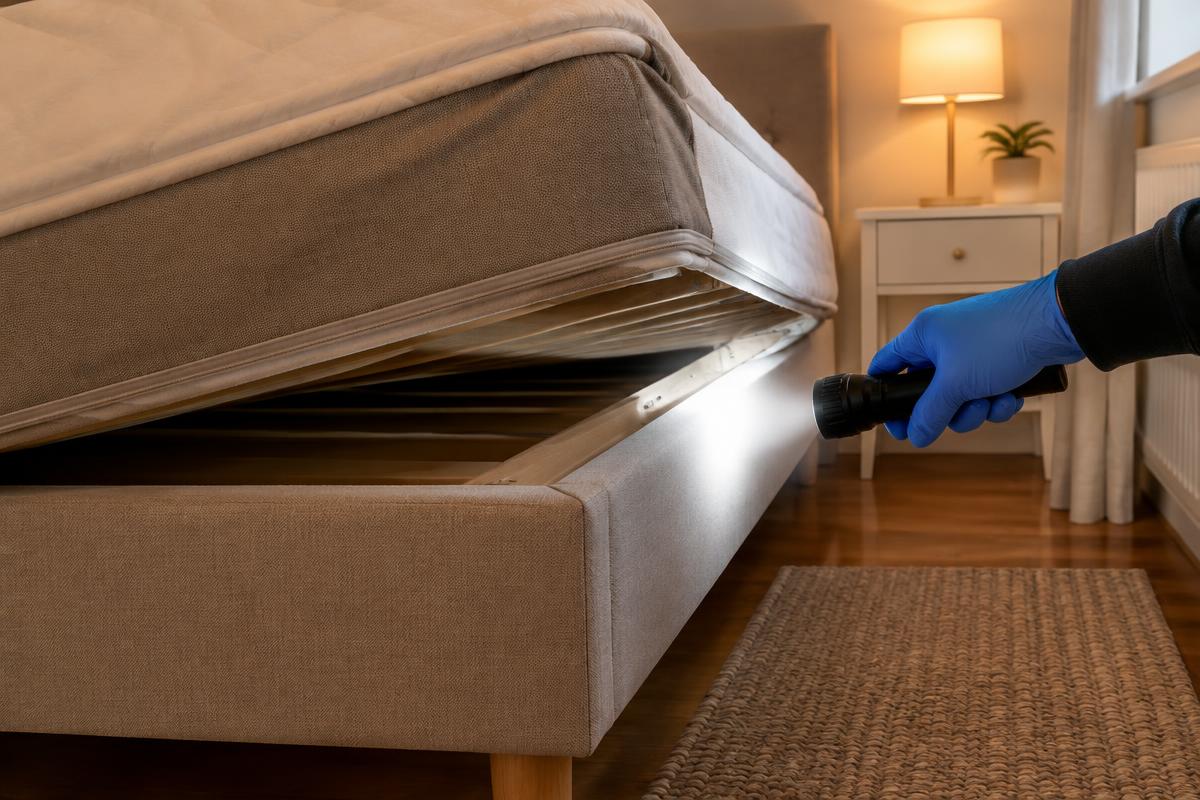
Start with the area where someone regularly sleeps. Use a torch and inspect slowly, paying attention to seams, folds and joins rather than only the exposed mattress surface. Bed bugs can fit into small spaces, so a quick glance at freshly changed sheets may miss the most useful evidence.
Check the mattress edges, the bed base and accessible frame joints. Upholstered headboards deserve particular attention around folds, buttons and attachment points. Only lift or move furniture if it is safe to do so, and avoid dismantling heavy beds without suitable help or instructions from a professional.
Extend the inspection to bedside furniture, nearby skirting and furniture used for resting. In a studio or converted room, the sleeping and seating areas may overlap. Sofas and chairs can be relevant if someone regularly naps there or has started sleeping away from the bed because of suspected bites.
Keep the inspection controlled. Do not empty every drawer onto the floor or carry bedding through several rooms to examine it elsewhere. The purpose is to document likely activity without redistributing belongings. An inconclusive home inspection is not proof that bed bugs are absent, particularly at an early stage.
- Use a torch to examine seams and narrow joints.
- Check both the bed frame and mattress edges.
- Inspect accessible folds on upholstered headboards.
- Look at bedside furniture and nearby skirting.
- Include seating used for sleeping or resting.
- Stop if moving furniture would be unsafe.
5. Avoid actions that can complicate an early infestation
Finding possible bed bugs often creates an understandable urge to move everything out immediately. Resist that impulse until you have advice. Carrying loose bedding, furniture or clothing into another room can move insects with it, making it harder to establish the original extent of the problem.
Do not automatically switch to another bedroom or start sleeping on the sofa. Changing sleeping locations can complicate the pattern of activity and may expose another resting area. Ask for guidance suited to your circumstances, especially if someone has a health condition that affects where they can safely sleep.
Avoid improvised heat treatments using household heaters or other unsuitable equipment. Heating a visible surface does not establish that concealed insects have been treated, and uncontrolled heating can create fire or damage risks. Professional treatment requires planned equipment positioning, preparation and management across the agreed treatment area.
Indiscriminate use of insect sprays or foggers may also complicate assessment without resolving the infestation. If you have already used a product, keep its name and tell the treatment company where and when it was applied. Honest information helps planning; there is no need to conceal earlier attempts.
6. Gather information for a useful professional assessment
A good initial enquiry explains what you found, where you found it and when it first became noticeable. Clear photographs of insects or marks are more useful than a general description of discomfort. Include a wider photograph showing the location as well as a closer image of the suspected evidence.
Explain how each affected room is used. A spare room occupied occasionally, a main bedroom and a living room used for sleeping may present different patterns of activity. Mention adjoining rooms where signs have also appeared, even if you are unsure whether those findings are connected.
Give a realistic description of room size and layout. Unusually large bedrooms, converted lofts, open-plan spaces and several affected rooms may require additional equipment or a different arrangement. Photographs and dimensions help avoid underestimating what is needed and reduce the chance of planning around an incomplete picture.
For Lincolnshire properties, include the location and practical access details. Parking, stairs, long internal routes and access to rural buildings can all affect arrangements. The quotation reflects travel, room size and treatment scope, so accurate information is more helpful than asking for a figure based only on the number of beds.
- Provide the property location and access information.
- Send clear photographs of suspected insects or signs.
- Identify every room where evidence has been found.
- Share dimensions for large or converted spaces.
- Mention seating or spare rooms used for sleeping.
- Describe any sprays or other treatments already attempted.
7. Understand what professional heat treatment involves
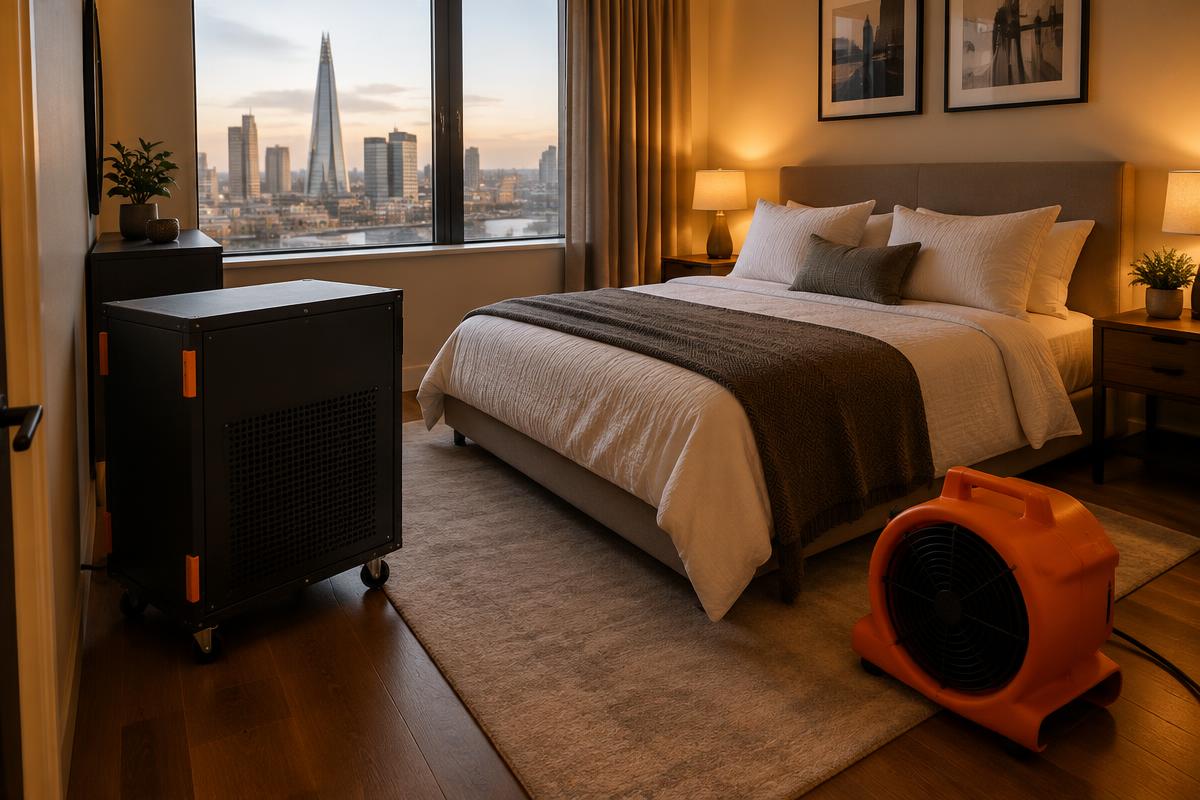
Bed Bug Heat Solutions UK uses controlled industrial heat of 60–65°C across the whole treatment area. The heating period is usually three to six hours. That is a heating period rather than a promise about the full length of a visit, which also involves preparation, setup and other necessary stages.
Heat treatment aims to address bed bugs and their eggs throughout the agreed area, including places that are difficult to reach directly. Achieving suitable conditions across that area requires careful planning. Room layout, furniture, contents and the extent of the suspected infestation all influence how the work is organised.
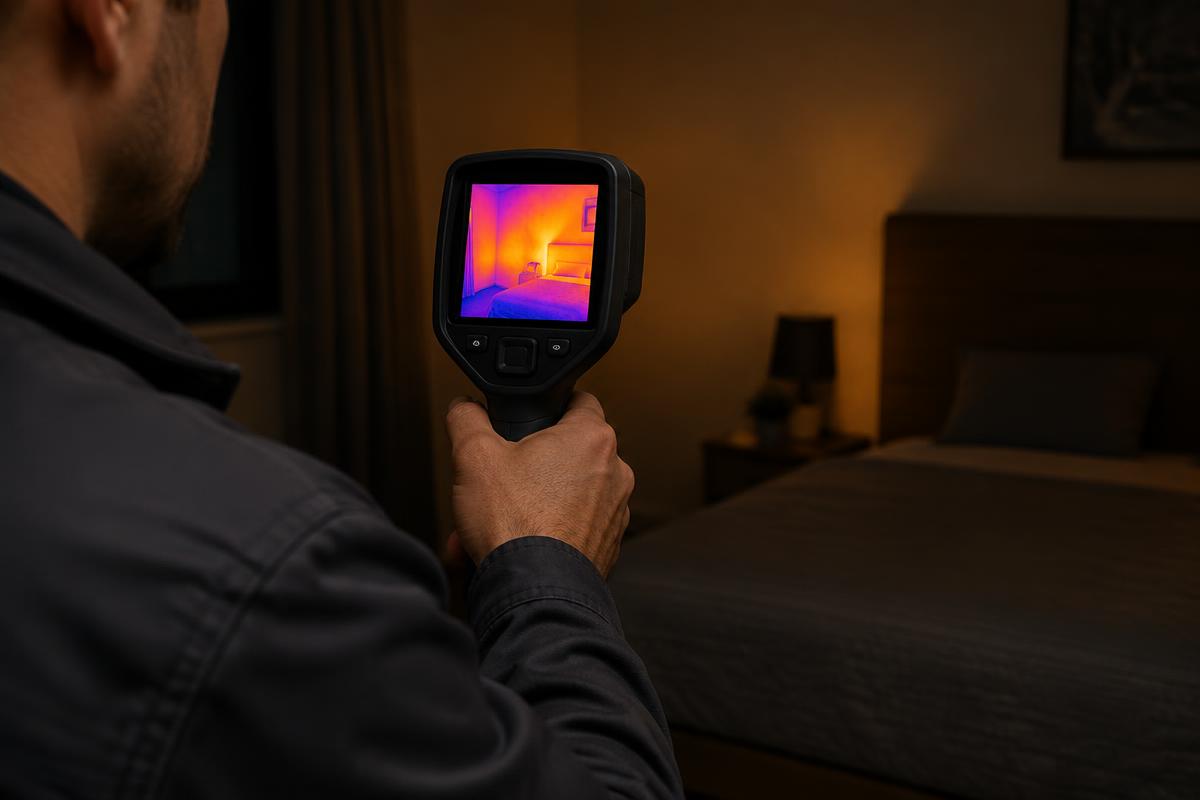
Monitoring uses active live thermal imaging cameras only. These support the team in observing surface heat patterns during treatment. Thermal imaging is not a way to see bed bugs through walls, and an apparently warm surface should not be confused with proof that every concealed space has been adequately treated.
No harmful chemicals are used as the primary treatment. However, industrial heat still requires professional controls and clear safety instructions. People and pets must follow the company's arrangements for leaving and returning, and heat-sensitive belongings need to be considered before work starts rather than dealt with as an afterthought.
8. Prepare the property without spreading the problem
Preparation should follow the instructions provided for your treatment, not a collection of unrelated online checklists. The team needs an accurate picture of what will remain in the rooms and what requires special handling. Removing large quantities of belongings without discussion can leave potentially affected items outside the planned treatment area.
Tell the company about medicines, aerosols, batteries and other items that could be sensitive to heat. Artwork, musical instruments, specialist equipment and particular finishes may also need individual consideration. Do not assume an item is safe simply because it is normally kept in a warm room or sunny window.
Where clothing or bedding needs to be moved, ask how it should be contained and handled. Laundry advice should take account of fabric care instructions and the risk of carrying insects to other areas. Clean and untreated items should not be mixed casually while the treatment arrangements are being made.
Preparation can be especially important in rural homes with converted spaces, coastal accommodation with multiple sleeping rooms and city properties with restricted access. Let the team know about mobility needs, pets and any practical barriers early. A workable plan should protect occupants while giving the treatment team access to the agreed areas.
9. Keep checking sensibly after treatment
After treatment, follow the specific return and aftercare instructions you receive. Do not assume that the usual heating period is the same as permission to re-enter. The team should explain the arrangements for your property, including any steps that need to be completed before normal use resumes.
Keep a record of any new evidence, including the date, room and precise location. Existing stains or shed skins may remain unless removed, so photographs taken before and after treatment can help distinguish old signs from fresh findings. Ask when and how routine cleaning should be carried out.
Skin marks alone remain an unreliable measure of treatment outcome. Reactions can be delayed, and itching may have causes unrelated to bed bugs. If you see a suspected live insect, photograph or securely contain it and contact the company rather than applying another product or moving furniture between rooms.
Bed Bug Heat Solutions UK offers a six-month guarantee on qualifying treatments. Ask for the eligibility requirements and terms before booking so you understand what applies to your property. A guarantee should be read alongside preparation and aftercare guidance; it is not a reason to overlook new evidence or possible reintroduction.
10. Plan your next step in Lincolnshire
If you suspect bed bugs, begin with a focused inspection and a short evidence record. You do not need to identify every hiding place before seeking help. Equally, one unexplained skin mark does not justify assuming that the whole property is infested or discarding furniture unnecessarily.
For rented homes or managed accommodation, notify the landlord, letting agent or responsible manager promptly. Keep communication factual and include photographs where possible. Where several rooms or neighbouring units may be involved, coordinated assessment can be more useful than separate occupants making changes without sharing what they have found.
Bed Bug Heat Solutions UK serves England and Wales, including Lincolnshire. The company brings over 40 years of hands-on pest-control experience, is fully insured and is RSPH Level 2 certificated. Professional advice should explain the evidence, proposed treatment area and preparation requirements in language you can understand.
When making an enquiry, send the property location, suspected signs and details of affected rooms. Include photographs or dimensions for unusually large bedrooms, converted spaces or several rooms needing attention. This supports accurate planning around travel, room size and treatment scope, while keeping the emphasis on early identification and a carefully organised response.
Useful next steps
Frequently asked questions
Six-month guarantee
Qualifying treatments are covered for six months. Send your details for a free assessment.
More from the blog
How Long Does Bed Bug Heat Treatment Take?
Read the full guide: How Long Does Bed Bug Heat Treatment Take?