Lincolnshire
Bed Bug Heat Treatment in Lincolnshire: What to Expect on Treatment Day
A practical guide to preparing for bed bug heat treatment in Lincolnshire, understanding the treatment process and returning to your property afterwards.
30 October 20269 min read
40 years
In the trade
Four decades of hands-on bed bug experience
Fully insured
Every treatment
Comprehensive liability cover on all work
RSPH Level 2
Certificated
Royal Society for Public Health qualified
Key points
- Accurate room details help the team plan equipment and access.
- The heating period usually lasts three to six hours.
- Active live thermal imaging cameras monitor the treatment.
- Qualifying treatments include a six-month guarantee.
1. Treatment day starts with accurate planning
Knowing what will happen on treatment day can make a difficult situation feel more manageable. Bed bug heat treatment involves more than placing heaters in a bedroom. The team needs to understand the property, prepare the agreed treatment area, position equipment and manage a controlled heating process. Your part begins before the visit, with clear information about the rooms involved and any practical restrictions at the address.
Across Lincolnshire, distances between towns and the mix of rural, coastal and city properties make accurate planning essential. A central Lincoln flat may present different access considerations from a coastal guesthouse or a detached rural home. The quotation reflects travel, room size and treatment scope, so those details need to be established rather than assumed. Tell the team about parking restrictions, stairs, shared entrances and awkward routes into affected rooms.
Send photographs or dimensions if you have unusually large bedrooms, converted spaces or several affected rooms. Include any areas where you have found signs of activity, even if you are unsure whether they are relevant. This helps avoid underestimating equipment needs and allows questions to be resolved before arrival. If the situation changes after your quotation, contact the team rather than leaving the update until treatment is about to begin.
2. Prepare the property without spreading the problem
Follow the preparation instructions supplied for your particular treatment. General advice found online may not match the planned approach, especially where belongings need to remain within the treatment area. Moving bedroom contents into a hallway, spare room or another property can carry bed bugs with them. Before clearing furniture or bagging possessions, establish what should stay in place and what needs separate handling.
Clothing, bedding and personal items need an organised approach rather than a rushed clear-out. Ask how items should be contained, whether any laundering is required and where processed items should be kept. If something needs to leave an affected room, follow the instructions for doing so without spreading insects. Do not assume that a visually clean item is free from bed bugs, particularly if it has been stored near the bed.
The aim is to provide suitable access while keeping potentially affected belongings under control. Excessive clutter can obstruct equipment placement and make it harder to work around furniture. However, a thorough rearrangement immediately before the visit may complicate the original plan. Tell the team if preparation is difficult because of mobility, storage or other household circumstances, so that expectations can be discussed before treatment day.
- Read the preparation instructions before moving belongings.
- Ask which items should remain inside the treatment area.
- Follow the agreed handling instructions for bedding and clothing.
- Keep access routes clear without relocating affected items unnecessarily.
- Report any preparation difficulties before the visit.
- Avoid taking potentially affected belongings to another property.
3. Plan for people, pets and heat-sensitive belongings
Arrange somewhere suitable for occupants and pets to stay while treatment is underway and until the team confirms that return is appropriate. Do not plan to remain in an untreated corner of the property unless the team has expressly agreed suitable arrangements. Children, visitors and anyone who normally has access also need to know that the treatment area must not be entered during the heating process.
Discuss heat-sensitive belongings before the appointment. Medicines, aerosols, pressurised containers, certain cosmetics, wax items, plants and some specialist equipment may require particular attention. This is not a complete removal list, and the correct action depends on the item and the treatment plan. Ask about anything with a storage temperature limit or anything you are uncertain about rather than relying on guesswork.
Removing vulnerable possessions also needs to be balanced against the risk of moving bed bugs. An item stored beside an affected bed may need careful handling even when it cannot remain in the heat. Tell the team about valuable, delicate or unusual belongings early, including musical instruments and specialist electronics. Clear guidance before the day helps prevent last-minute decisions and gives you time to make suitable arrangements.
4. Arrival, inspection and confirmation of the treatment scope
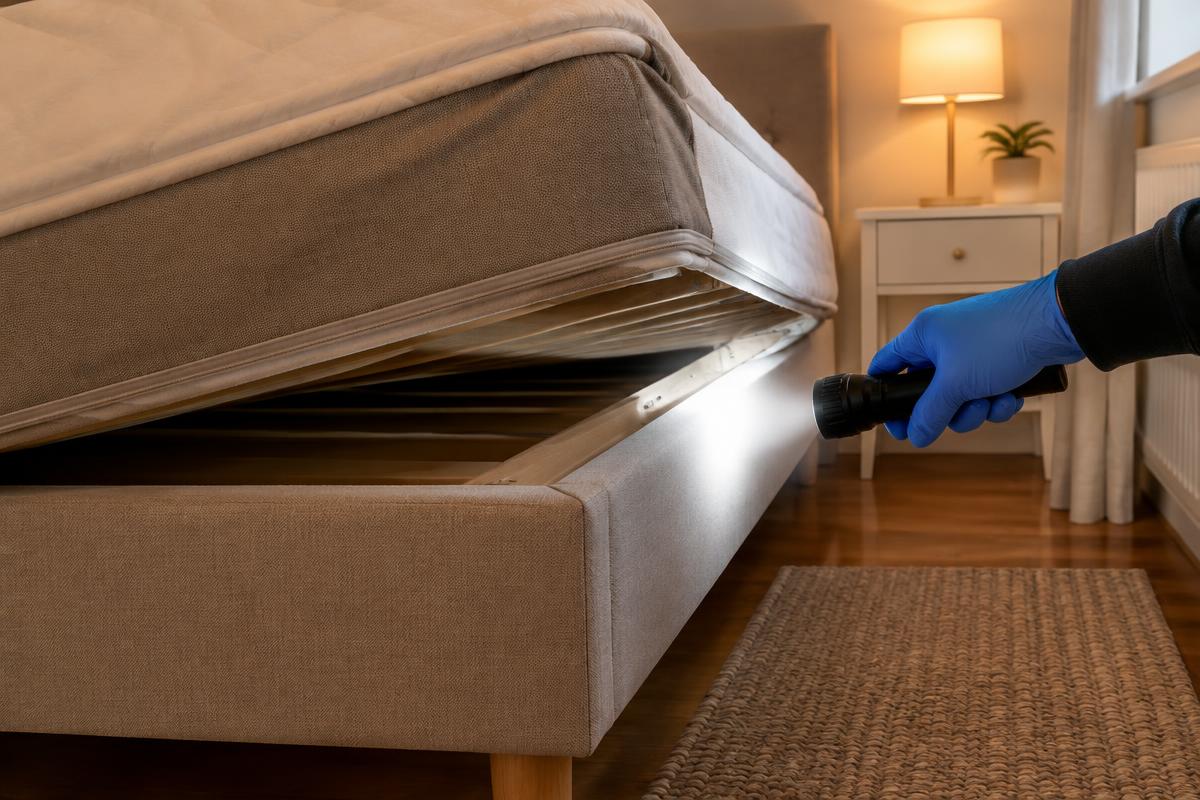
When the team arrives, the first priority is to confirm that the property and affected areas match the agreed plan. Expect a discussion about where activity has been noticed, which rooms are included and whether anything has changed since booking. Fresh signs in another bedroom or a recently used sofa are worth mentioning. They can affect the assessment even if they were not part of your original enquiry.
The team will review preparation and practical access before setting up the treatment. This is the time to point out delicate fixtures, existing damage, unusual room layouts and any building restrictions. In rented accommodation or properties with shared access, make sure any necessary permissions and entry arrangements have been addressed beforehand. Treatment cannot be planned reliably around rooms or access routes that are unexpectedly unavailable.
If the actual room size, layout or extent of the problem differs substantially from the information supplied, the team may need to discuss changes before proceeding. That is why accurate photographs and dimensions matter, particularly in converted lofts, large bedrooms and multi-room jobs. You should understand the agreed treatment area and any exclusions, rather than assuming that every space in the building is automatically included.
5. Equipment setup and the final checks before heating
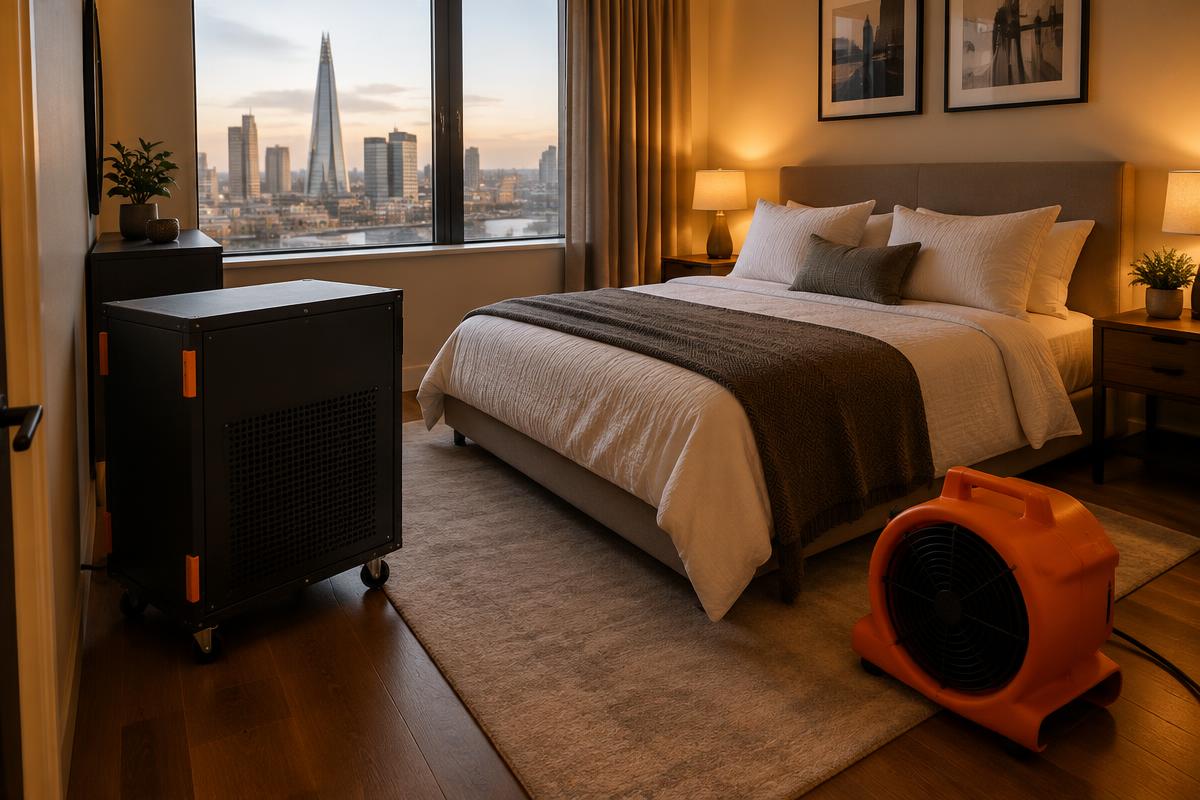
Industrial heat-treatment equipment needs appropriate positioning and clear working space. The setup will reflect the room layout, furniture and agreed treatment scope rather than follow an identical arrangement in every property. The team may need to adjust the position of certain items to support heat circulation and access. Leave these treatment-specific adjustments to the team unless your preparation instructions say otherwise.
Access arrangements can make a substantial difference to how smoothly this stage proceeds. In Lincolnshire properties with long approaches, upper-floor rooms or limited parking, the route from the vehicle to the treatment area needs consideration. Make sure the team knows about locked gates, narrow stairs and communal corridors. Any requirements relating to utilities or building facilities should be discussed in advance rather than assumed on arrival.
Before heating begins, confirm that everyone has left the treatment area and that arrangements for pets and sensitive belongings are complete. Keep your essential items with you, but follow the advice about avoiding the transfer of potentially affected possessions. Give the team a reliable way to contact you during the visit. Do not expect to step back inside to retrieve forgotten belongings once treatment is underway.
- Make the agreed parking and unloading arrangements available.
- Unlock any gates or doors needed for access.
- Point out stairs, shared corridors and building restrictions.
- Confirm that people and pets are outside the treatment area.
- Check that sensitive belongings have been handled as instructed.
- Take essential items only in line with the preparation guidance.
- Confirm how the team can contact you during the visit.
6. What happens during the controlled heating period
Bed Bug Heat Solutions UK uses controlled industrial heat of 60–65 degrees C across the whole agreed treatment area. This is a professional treatment process designed to target bed bugs and their eggs with heat, rather than using harmful chemicals as the primary treatment. It is not equivalent to turning up domestic heating, using a portable household heater or briefly warming the surfaces around a bed.
The heating period usually lasts three to six hours. That is the heating stage, not a promise that the entire visit or your time away will fit within that window. Arrival checks, equipment setup, the characteristics of the property and cooling arrangements also form part of the day. Plan with enough flexibility to follow the team's guidance rather than arranging your return around the earliest possible finish.
Furniture, room contents and the building itself influence how heat moves through the treatment area. A sparsely furnished bedroom and a large, heavily furnished converted room do not necessarily present the same conditions. The team manages the process according to the agreed scope and what is happening on site. Occupants should not enter, open windows or alter equipment during treatment, as doing so can interfere with the controlled conditions.
7. How active live thermal imaging supports the treatment
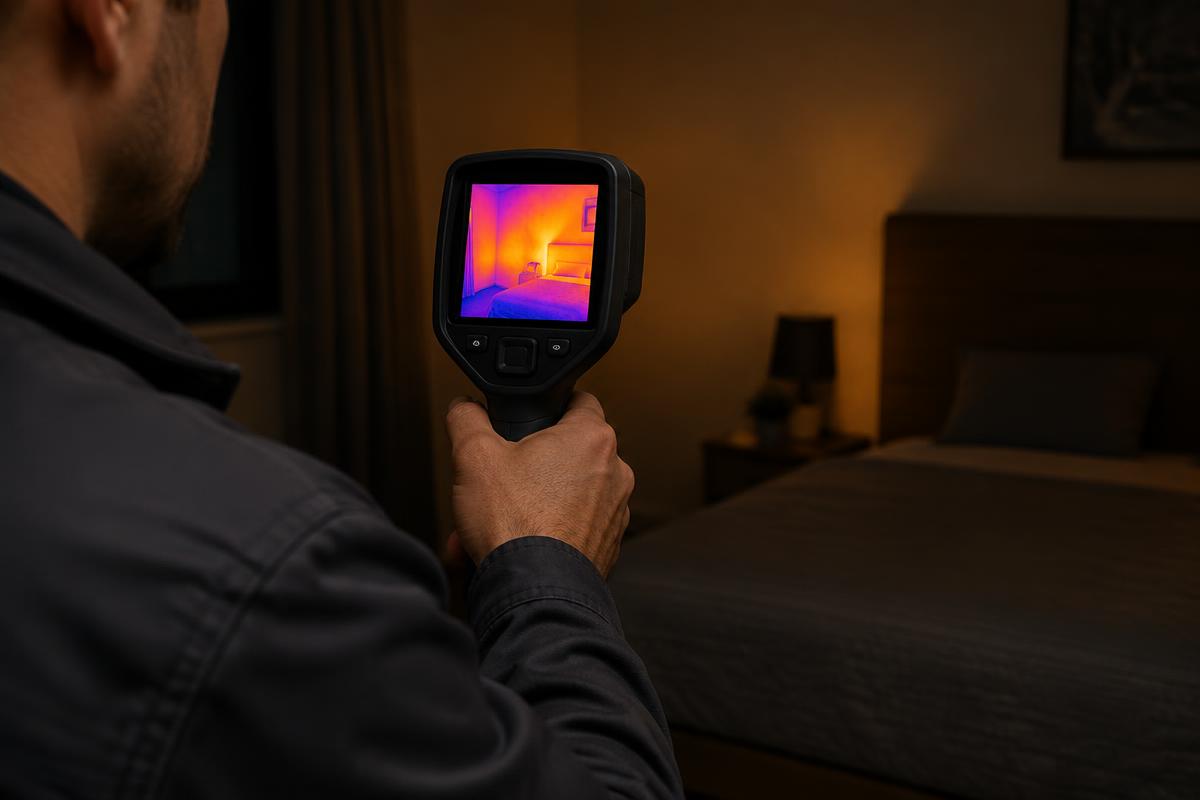
Treatment monitoring uses active live thermal imaging cameras only. These allow the team to observe visible surface temperature patterns within the treatment area as the work progresses. The live view helps identify differences in heating across accessible surfaces and supports decisions about heat distribution. It forms part of the team's active management of the process rather than leaving equipment to run without attention.
Thermal imaging is not an X-ray view through furniture, walls or possessions. It does not show individual bed bugs hidden inside an object or independently confirm the temperature at every concealed point. Understanding those limits matters. Professional planning, suitable preparation, controlled heating and an appropriate heating period remain important alongside the information provided by active live thermal imaging cameras.
You do not need to supervise the monitoring or return to the treatment area to check progress. Before leaving, ask how any necessary updates will be communicated and what you should do if your availability changes. If the team needs to discuss an unexpected issue, being reachable helps. Avoid treating an estimated completion point as permission to enter; wait for explicit guidance from the team.
8. Cooling down and returning to the property
When the heating stage ends, the property is not automatically ready for normal use. Rooms, furniture and belongings can retain heat, and the team needs to manage the next stage before advising you about return. The time involved varies with the property and treatment conditions. Wait for confirmation rather than letting yourself in because the usual heating period has elapsed or equipment appears to have stopped.
Follow the team's instructions about ventilation, access and handling belongings after treatment. Do not independently open doors or windows during the controlled process in an attempt to speed things up. Once return is authorised, take care around items that may still feel warm and keep children and pets away from anything the team has identified as needing further cooling. Ask if any room requires different handling from the others.
The handover is a useful opportunity to confirm what was treated and what happens next. If you are not the person returning to the property, ensure the instructions reach whoever will be there. Landlords, tenants and accommodation managers should avoid relying on second-hand assumptions. Clear written notes of the advice can help everyone follow the same aftercare steps without accidentally undoing preparation or reintroducing untreated belongings.
9. Aftercare and what to do if you notice further signs
Aftercare should follow the instructions given for your treatment rather than a general online cleaning routine. Ask when to vacuum, how to handle remaining laundry and whether any belongings need further attention before being returned. Avoid immediately bringing back bags, furniture or other items that were excluded from treatment without checking their status. Untreated belongings can create a route for bed bugs to enter the space again.
Record anything that concerns you after the visit. A clear photograph of an insect, the room where it was found and the date can be more useful than a general report of itching. Skin reactions alone cannot reliably establish whether bed bugs remain, and existing marks may not disappear immediately. Contact the team for advice about suspected activity rather than adding unplanned sprays or moving to another room.
Qualifying treatments include a six-month guarantee. Ask for the applicable terms, including which areas are covered, any preparation and aftercare conditions, and how to report a concern. Do not assume that every booking qualifies or that every later infestation falls within the guarantee. Understanding the terms before treatment gives you a clearer basis for discussing any subsequent signs and the appropriate next steps.
- Follow the aftercare guidance supplied at handover.
- Check before returning items excluded from treatment.
- Keep a record of the treatment date and agreed scope.
- Photograph suspected insects where possible.
- Note where and when any further signs appear.
- Contact the team before using additional treatments.
- Retain the guarantee terms for qualifying treatments.
10. Booking a well-planned Lincolnshire treatment
A useful enquiry gives the team enough information to assess the practical job, not just the number of beds. Explain the property type, approximate room sizes, locations of suspected activity and any access difficulties. For unusually large bedrooms, converted spaces or several affected rooms, provide photographs or dimensions. These details help the quotation reflect travel, equipment needs and treatment scope without relying on an incomplete picture.
Bed Bug Heat Solutions UK serves England and Wales, including Lincolnshire. The company brings over 40 years of hands-on pest-control experience, is fully insured and holds RSPH Level 2 certification. Its primary treatment approach uses controlled industrial heat rather than harmful chemicals. When discussing your booking, ask how the proposed treatment applies to your property and which preparation requirements are particularly important for your circumstances.
The most useful expectation for treatment day is a managed sequence: confirmation, preparation checks, equipment setup, controlled heating, cooling and aftercare. Each stage matters, and the heating period is only one part of the visit. Provide accurate information, allow appropriate flexibility and follow the instructions about leaving and returning. That preparation helps the team carry out the agreed work and gives you a clearer understanding of what to expect afterwards.
Useful next steps
Frequently asked questions
Six-month guarantee
Qualifying treatments are covered for six months. Send your details for a free assessment.
More from the blog
How Long Does Bed Bug Heat Treatment Take?
Read the full guide: How Long Does Bed Bug Heat Treatment Take?