Lincolnshire
Bed Bug Heat Treatment in Lincolnshire for Hotels, Guest Rooms and Holiday Lets
A practical guide to planning bed bug heat treatment for Lincolnshire hotels, guest rooms and holiday lets while protecting guests and managing disruption.
9 November 202610 min read
40 years
In the trade
Four decades of hands-on bed bug experience
Fully insured
Every treatment
Comprehensive liability cover on all work
RSPH Level 2
Certificated
Royal Society for Public Health qualified
Key points
- Accurate room details help establish equipment needs and treatment scope.
- Controlled heat treats the agreed area without harmful chemicals as the primary treatment.
- Active live thermal imaging cameras monitor the treatment.
- Qualifying treatments include a six-month guarantee.
Why Lincolnshire accommodation needs a planned response
Finding signs of bed bugs in a hotel bedroom or holiday let creates immediate practical questions. Managers need to consider guests, housekeeping, bookings and the rooms that may require attention. A calm, organised response is more useful than hurried cleaning or moving furniture, particularly when the extent of the problem is not yet clear.
Lincolnshire includes city hotels, coastal guest houses, rural cottages and converted buildings used for short stays. These properties can differ substantially in layout, access and room size. Distances between towns also matter when arranging professional treatment, so an accurate description of the property helps establish a realistic plan from the outset.
Bed bugs can arrive with luggage and other belongings, and their presence is not a reliable sign of poor cleanliness. Accommodation with frequent guest changes needs clear reporting procedures rather than assumptions about how an infestation started. Recognising a possible problem early can make the subsequent assessment and room-management decisions more straightforward.
Bed Bug Heat Solutions UK provides professional bed bug heat treatment across England and Wales, including Lincolnshire. The service draws on over 40 years of hands-on pest-control experience, with full insurance and RSPH Level 2 certification. For accommodation operators, the starting point is understanding the building and agreeing a suitable treatment scope.
Recognising signs in bedrooms and responding to reports
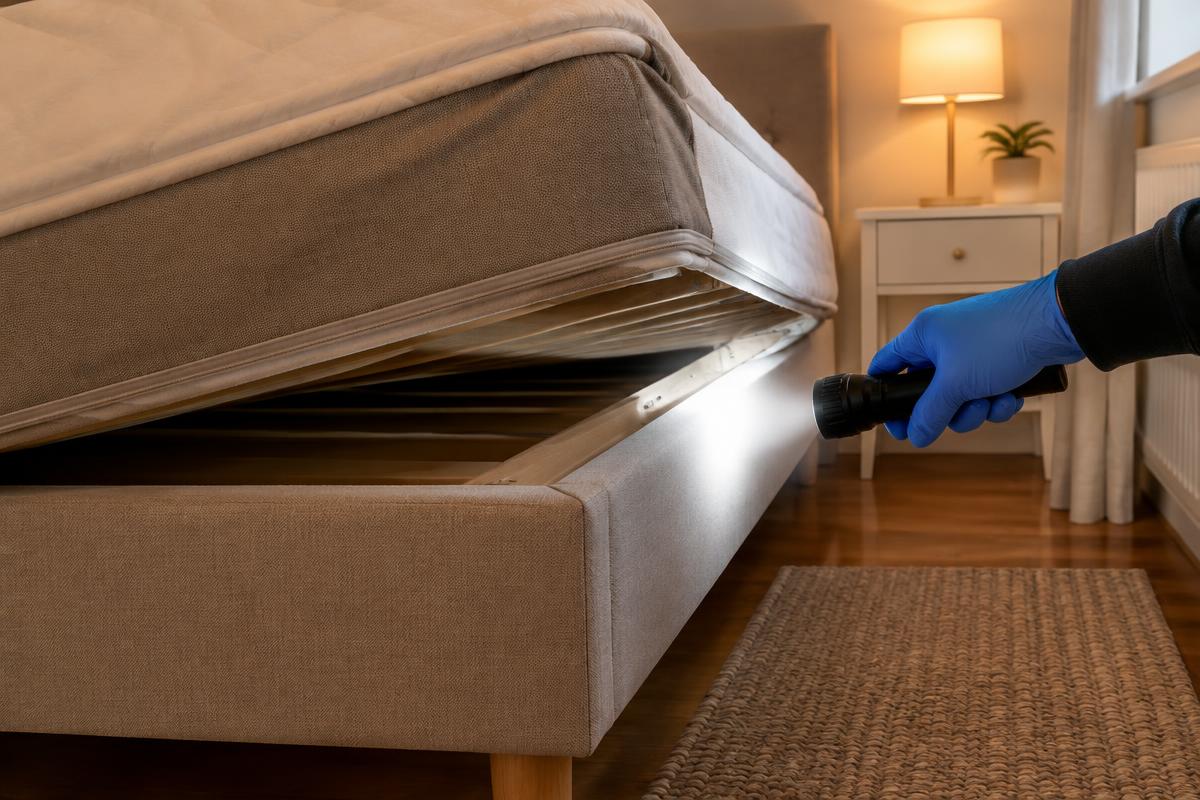
Housekeeping staff are often well placed to notice changes around beds and upholstered furniture. Possible signs include live insects, shed skins and dark spotting around mattress seams, bed frames or headboards. These findings warrant investigation, but individual marks can have other explanations. Photographs and a clear record of where signs appeared help with assessment.
Guest reports of bites should be taken seriously without treating them as a diagnosis. Skin reactions vary, and bites alone cannot establish that bed bugs are present. Ask where the guest slept and when they noticed the concern, then arrange an appropriate inspection rather than making confident claims based only on a description of itching.
When a room is suspected of having bed bugs, avoid moving its contents into another guest room. Carrying bedding, cushions or small furniture through the property without containment can spread insects. Keep unnecessary traffic to a minimum and seek advice on room use, linen handling and any immediate steps needed before the treatment visit.
A simple internal record helps the person responsible for the property make informed decisions. Note the room, date, observed signs and any relevant movement of furniture or linen. In a hotel, several staff may receive different pieces of information, so keeping those reports together is important when discussing the likely extent of the issue.
- Record the room name or number and the date of the report.
- Photograph visible insects or marks without disturbing the area unnecessarily.
- Note whether nearby rooms have reported similar concerns.
- Avoid transferring bedding or furniture into unaffected guest rooms.
- Tell the person responsible for housekeeping and room allocation.
- Request professional advice before applying products or discarding items.
How professional heat treatment works
Bed Bug Heat Solutions UK uses controlled industrial heat of 60–65°C across the whole treatment area. The aim is to expose bed bugs and their eggs to lethal heat throughout the agreed space, rather than treating only the surface of a mattress. Room layout, furnishings and potential hiding places all inform how the work is planned.
The heating period usually lasts 3–6 hours. This is the heating stage, not a promise that the entire appointment or room closure will fit within that window. Preparation checks, equipment positioning, cooling and handover also need consideration. Accommodation managers should therefore discuss the full operational plan before committing a room to another arrival.
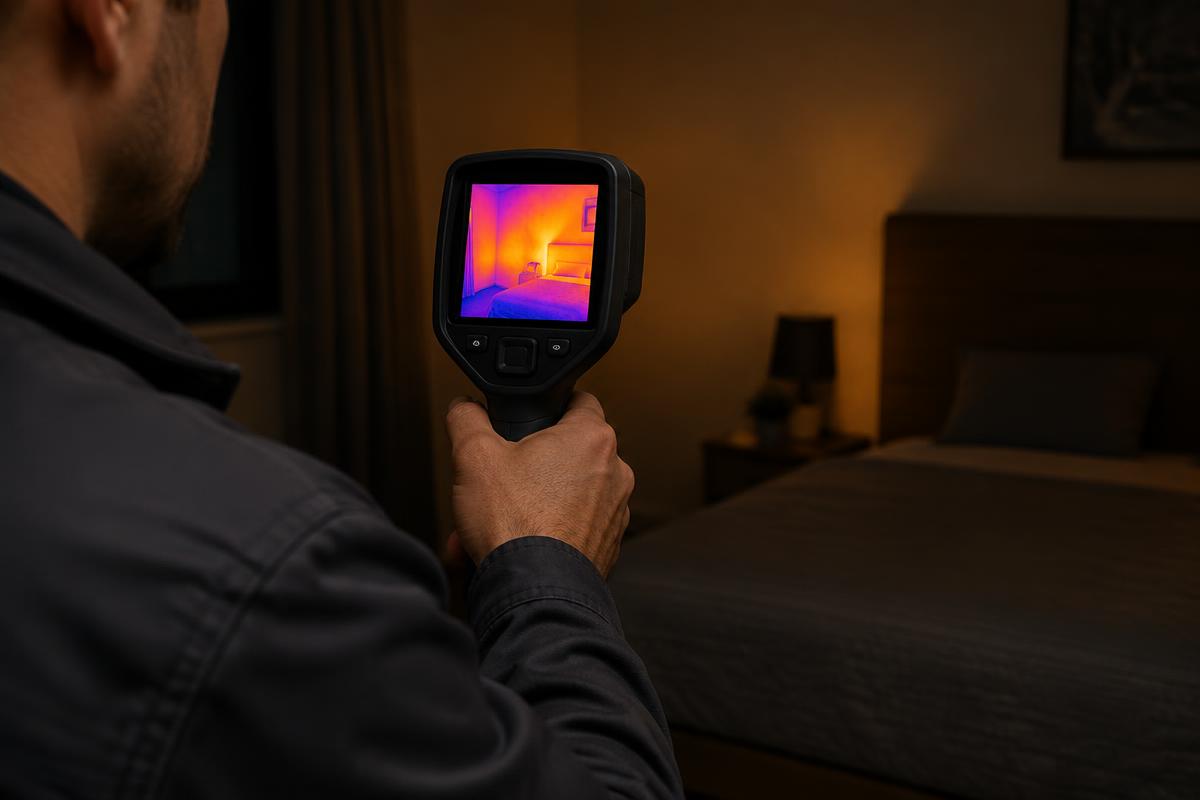
Monitoring uses active live thermal imaging cameras only. These allow the treatment team to observe visible heat patterns as work progresses and assess areas that need attention. Thermal images do not see through furniture or walls, so trained interpretation, access to relevant surfaces and careful equipment management remain important parts of the process.
The primary treatment does not rely on harmful chemicals. That can be an important consideration for businesses seeking an alternative to routine insecticide application, but industrial heat still requires professional control. Guests, staff and pets must remain outside the treatment area during the work and return only when the team has confirmed that it is ready.
Defining the right scope for hotels and connected rooms
A report from one bedroom does not automatically mean that every room needs treatment, but it should not be assumed that the issue stops at that bedroom door. Connected layouts, shared walls and the movement of belongings can influence the assessment. The treatment scope should follow the available evidence and the property's circumstances.
Hotels and guest houses may have adjoining rooms, shared corridors, linen stores or housekeeping routes that deserve discussion. Explain where clean and used linen are handled, whether furniture has recently been moved and which rooms have produced reports. This information helps identify relevant inspection priorities without making unsupported assumptions about the whole building.
Guest rooms also contain more than a bed. Upholstered chairs, sofa beds, luggage stands, bedside furniture and fixed headboards may provide hiding places. Describing these features before the visit helps the team understand the practical demands of the space. A small bedroom with substantial furnishings can present different challenges from a larger, sparsely furnished room.
For holiday lets, the assessment may need to consider several sleeping areas within a single booking unit. A cottage with bunk beds, a sofa bed and an upstairs double room should be described accurately, even if the first report concerns only one bed. Clear information supports a suitable plan and avoids treating room labels as a substitute for inspection.
Planning around Lincolnshire travel, room sizes and conversions
Travel and equipment planning are especially relevant where accommodation is spread between Lincoln, coastal towns and rural locations. The quotation reflects travel, room size and the treatment scope. Providing the full address and a useful description of the property allows these factors to be considered before arrangements are finalised, rather than emerging as surprises on arrival.
Send photographs or dimensions for unusually large bedrooms, converted spaces or several affected rooms. A converted barn, former outbuilding or open-plan holiday property may not fit assumptions based on a standard hotel bedroom. Ceiling height, connected spaces and the amount of furniture can all be relevant when estimating the equipment needed for the agreed area.
Access details matter as well as floor area. Mention stairs, narrow entrances, restricted parking and the distance between unloading access and the affected rooms. If the accommodation sits within a larger site, explain how the team can reach the correct building. These practical details help organise the work without making promises about exact arrival or completion times.
Avoid relying on the number of beds alone when requesting a quotation. Two properties with the same sleeping capacity can have very different layouts and treatment requirements. Accurate photographs and measurements help avoid underestimating equipment needs and make it easier to discuss the proposed scope before any rooms are taken out of use.
- Provide the full property address and the best access instructions.
- State how many rooms have signs or reports of bed bugs.
- Send room dimensions and ceiling heights where available.
- Photograph large bedrooms, converted spaces and connecting areas.
- Identify sofa beds, bunk beds and substantial upholstered furniture.
- Explain parking restrictions, stairs and unloading arrangements.
Preparing rooms without spreading bed bugs
Preparation should follow the instructions supplied for the individual property. Do not assume that emptying a room is necessary or helpful. Moving belongings out without a plan can carry bed bugs elsewhere and may remove items that should have been considered within the treatment scope. Ask what should stay, what needs attention and how any removed items should be handled.
Heat-sensitive belongings and materials need careful discussion before treatment. Tell the team about medicines, aerosols, specialist equipment, valuable objects and any items with particular storage requirements. Where removal is advised, it must be coordinated with the bed bug management plan rather than treated as an invitation to place potentially affected belongings in another bedroom.
Linen handling deserves a clear process in hotels and holiday accommodation. Avoid shaking bedding or leaving uncovered laundry in shared areas. Follow the guidance provided on containment and laundering, alongside the fabric care instructions. Housekeeping staff should know which items are involved and where they are to go, especially when laundry is handled off site.
Preparation also includes arranging access and ensuring that nobody enters the treatment area unexpectedly. Tell cleaners, maintenance workers and other contractors about the restrictions that affect their work. For a managed holiday let, confirm who will provide access and who can answer questions about the property, so responsibility does not become unclear between the owner and the booking agent.
- Read and follow the preparation instructions for the agreed treatment.
- Flag heat-sensitive items before moving anything out.
- Keep potentially affected belongings separate from unaffected rooms.
- Agree a contained route for any linen that needs handling.
- Arrange access with the owner, manager or appointed keyholder.
- Inform housekeeping and maintenance staff about access restrictions.
- Make arrangements for guests and pets to remain outside the treatment area.
Managing guests, bookings and treatment-day disruption
Guest communication should be factual, considerate and limited to what is known. Acknowledge the concern, explain that it is being assessed and describe the practical arrangements that affect the guest. Avoid blaming an individual visitor or suggesting that cleanliness proves or disproves the presence of bed bugs. Neither approach helps resolve the immediate accommodation issue.
Room allocation decisions need to account for belongings as well as people. Simply moving a guest and all their luggage into another room can create further problems if insects travel with those items. Seek advice on a suitable process and make sure reception and housekeeping understand it before arranging a move within the property.
Do not plan a new check-in around the heating period alone. Although heating usually takes 3–6 hours, the full work involves additional stages and safe handover. Discuss booking commitments in advance, and leave room in the operational plan for the actual condition and layout of the property. Exact availability should not be promised before the team has confirmed it.
For holiday lets, several people may need the same information: the owner, management company, cleaning team and incoming guest contact. Appoint one person to coordinate decisions and pass on instructions. This reduces the risk of a cleaner entering too soon, an item being moved unnecessarily or a booking message contradicting the agreed treatment arrangements.
What to expect during treatment and handover
On the treatment day, the team needs to check that the space matches the agreed description and that preparation has been completed. Unexpected connecting areas, additional affected rooms or belongings that cannot safely remain may require discussion. Accurate information beforehand helps reduce these difficulties, but the actual conditions still need to be considered before work proceeds.
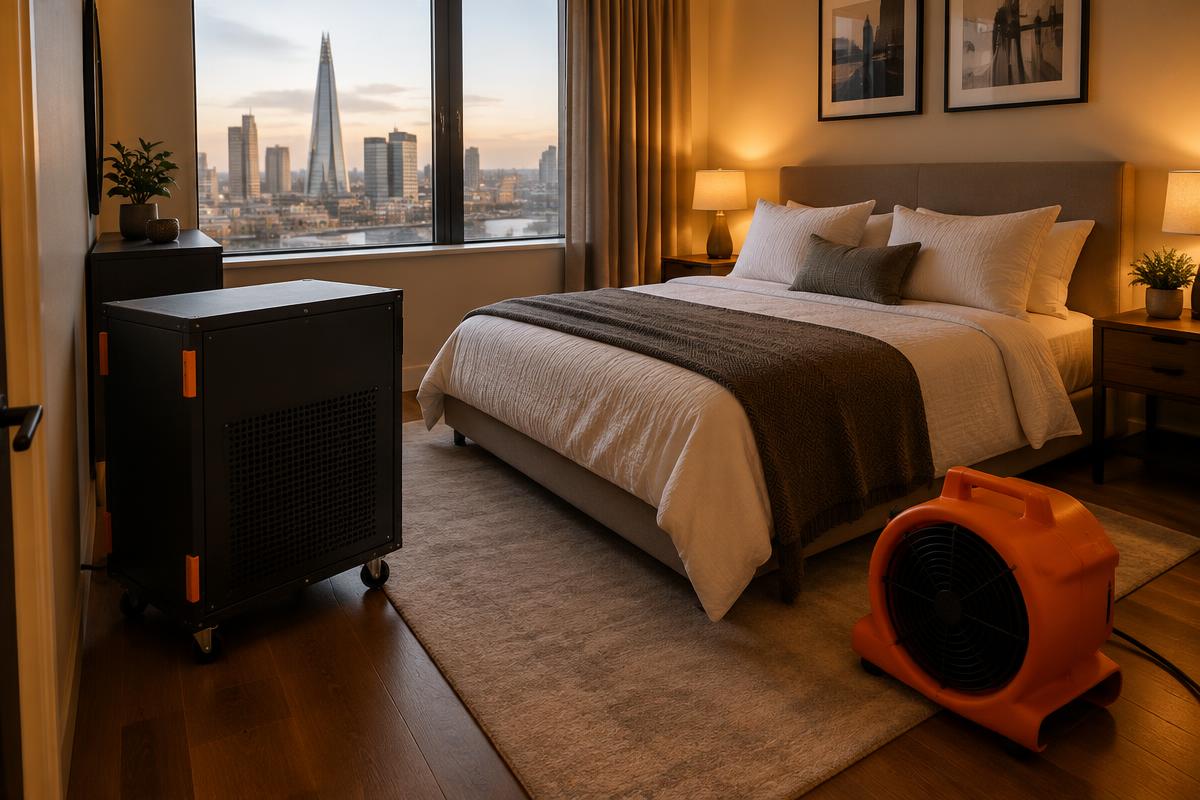
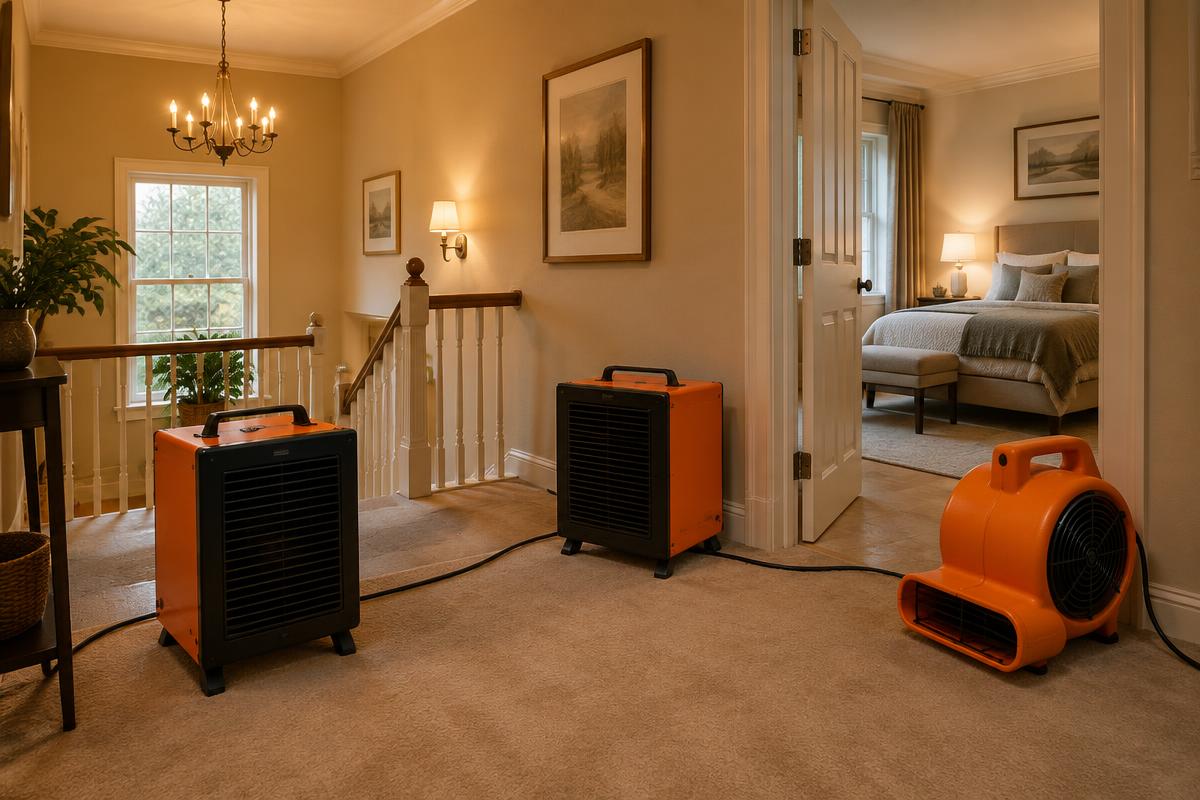
Equipment is arranged to deliver controlled industrial heat across the agreed treatment area. Active live thermal imaging cameras are used to monitor visible heat patterns during the process. The team manages the work according to the building and its contents, rather than assuming that every hotel bedroom or holiday cottage will behave in the same way.
Keep staff and visitors outside the treatment area while work is under way. Do not enter to collect forgotten belongings or change equipment settings. If someone needs an item urgently, raise this with the treatment team instead. Maintaining clear access restrictions is part of managing industrial heat safely, even though harmful chemicals are not the primary treatment.
At handover, ask for clear instructions on room use, remaining preparation tasks and any recommended follow-up. Reoccupation should depend on confirmation from the team, not on a manager judging that the room feels cooler. Make sure the person accepting the handover can pass the instructions to housekeeping and reception before the accommodation returns to normal use.
Aftercare, routine checks and the six-month guarantee
After treatment, routine observation remains valuable in accommodation with changing guests. Heat treatment addresses the agreed area at the time of the work; it does not create a permanent barrier against bed bugs arriving again in luggage or belongings. Staff should continue to report suspicious signs and keep records rather than assuming that future checks are unnecessary.
Build simple visual checks into the housekeeping routine, particularly around bed frames, headboards and mattress seams. These checks should support professional assessment, not replace it. If something concerning appears, photograph it and record the location. Avoid applying shop-bought products automatically, as unplanned action can complicate the next steps and make the circumstances harder to assess.
Bed Bug Heat Solutions UK offers a six-month guarantee on qualifying treatments. Ask which treatments qualify and what the applicable terms require before booking. A guarantee should be understood in relation to the agreed work and its conditions, rather than presented to guests or owners as an unconditional promise covering every possible future situation.
Keep the quotation, preparation instructions, treatment information and guarantee details together in the property records. This is useful when different managers or letting agents take responsibility for the accommodation. If concerns arise later, a clear history of reports, treatment and subsequent observations supports a more informed discussion about what should happen next.
Arranging heat treatment for your Lincolnshire property
The most useful enquiry combines evidence of the suspected problem with an accurate description of the accommodation. Explain whether the property is a hotel, guest house or holiday let, how many rooms are involved and what has been observed. Include relevant booking constraints, but avoid assuming that a short gap between guests will necessarily provide a suitable treatment window.
Photographs help explain both the signs found and the physical space. For unusually large rooms, conversions or multiple affected bedrooms, add dimensions where possible. This allows the quotation to reflect travel, room size and treatment scope, and helps avoid underestimating the equipment needed. Mention uncertainties openly rather than guessing at measurements or the number of affected areas.
Choose a plan that addresses the property as it is used, including housekeeping arrangements, guest belongings and safe access. Bed Bug Heat Solutions UK combines over 40 years of hands-on pest-control experience with full insurance and RSPH Level 2 certification. Its coverage extends across England and Wales, with controlled heat as the primary bed bug treatment approach.
To discuss a Lincolnshire hotel, guest room or holiday let, contact Bed Bug Heat Solutions UK with your property details and available photographs. The next step is to establish the appropriate scope, preparation requirements and quotation. Careful planning gives owners and managers a clearer basis for managing the work, communicating with guests and returning rooms to use after handover.
Useful next steps
Frequently asked questions
Six-month guarantee
Qualifying treatments are covered for six months. Send your details for a free assessment.
More from the blog
How Long Does Bed Bug Heat Treatment Take?
Read the full guide: How Long Does Bed Bug Heat Treatment Take?