London
Bed Bug Heat Treatment in London for Hotels, Guest Rooms and Holiday Lets
A practical guide to planning bed bug heat treatment in London hotels, guest rooms and holiday lets while protecting guests and managing disruption.
22 September 20269 min read
40 years
In the trade
Four decades of hands-on bed bug experience
Fully insured
Every treatment
Comprehensive liability cover on all work
RSPH Level 2
Certificated
Royal Society for Public Health qualified
Key points
- Assess affected rooms and adjoining accommodation before planning treatment.
- Share parking, lift and building access details early.
- Controlled heat is monitored using active live thermal imaging cameras.
- Preparation and ongoing checks matter in frequently occupied accommodation.
Why London accommodation needs a property-specific approach
Bed bug problems in London hotels, guest rooms and holiday lets need more than a quick look around a mattress. Frequently occupied accommodation brings a regular movement of luggage, clothing and guests. A useful treatment plan starts with understanding the property, the evidence found and how rooms are used between stays.
London accommodation often includes flats, converted buildings and hotels with adjoining rooms or shared entrances. These arrangements make a careful room-by-room assessment especially important. A report from one bedroom does not automatically mean that every room is affected, but it should prompt a considered review of nearby accommodation and shared working practices.
Practical access details should be discussed at the start. Restricted parking, controlled entrances, lifts and concierge arrangements can all affect equipment movement. Sharing these details early allows the visit to be planned around the property rather than delayed on arrival, particularly where a holiday let sits within a larger residential building.
For an operator, the immediate challenge is to protect guests while making sensible decisions about room availability. That means establishing what is known, limiting unnecessary movement of belongings and arranging a professional assessment. Calm, documented action is more useful than rushing into room changes or cleaning tasks that could complicate the situation.
Recognising a possible problem without jumping to conclusions
A guest complaint about bites deserves attention, but bites alone cannot confirm bed bugs. Skin reactions vary and can have other causes. Staff should record the concern respectfully and arrange an inspection for physical evidence, rather than either dismissing the report or declaring an infestation before the room has been checked.
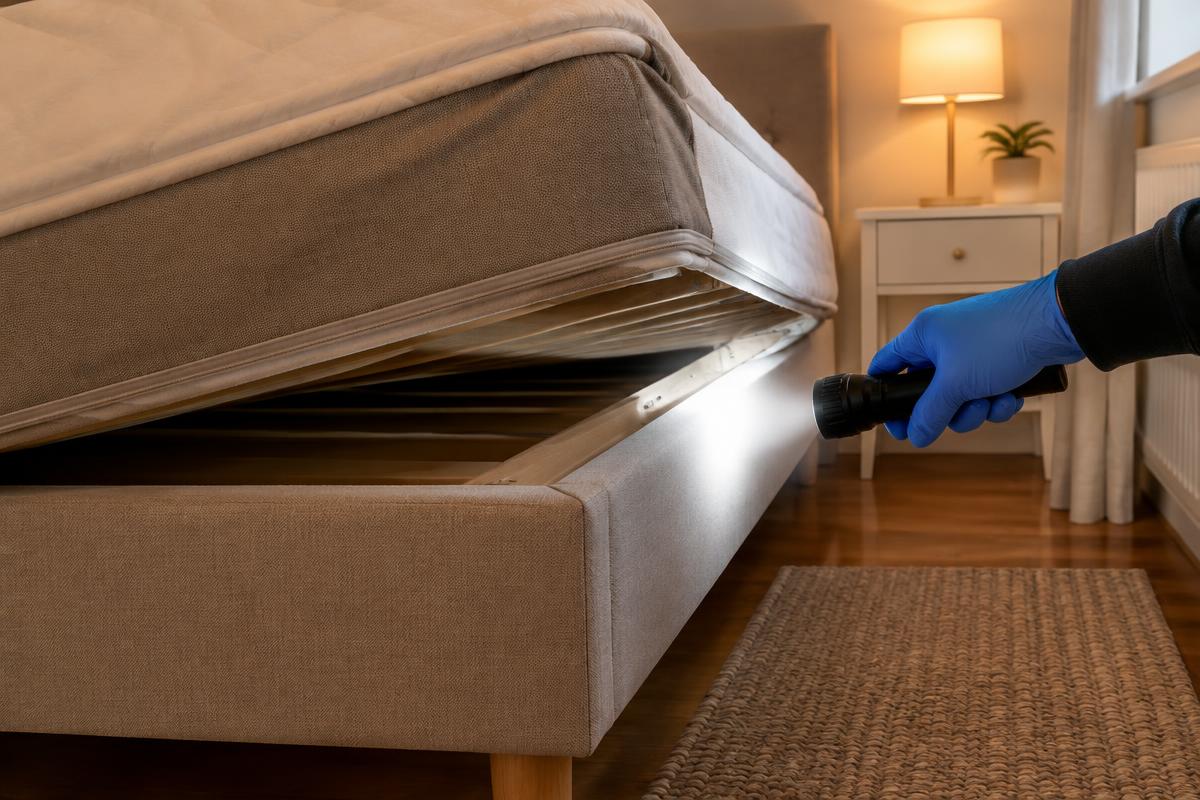
Signs worth investigating include live insects, shed skins, eggs and dark spotting around likely hiding places. Mattress seams, bed frames, headboards and nearby upholstered furniture deserve particular attention. Evidence can be subtle, especially early on, so a tidy room or freshly changed bedding does not rule out a problem.
If staff find a suspected insect, a clear photograph or a safely contained specimen can help with identification. Avoid carrying loose bedding or furniture through corridors to show someone the evidence. Keep a record of where the item was found, which room was involved and when the observation was made.
Housekeeping records and previous reports can provide useful context, particularly in buildings with repeated guest turnover. Look for patterns without assuming that a particular guest introduced the problem. Bed bugs are not a reliable indicator of poor cleanliness, and the focus should remain on evidence, containment and an appropriate response.
Managing the affected room and guest belongings
Once there is credible evidence of bed bugs, taking the affected room out of service while it is assessed is a sensible precaution. This creates space for a proper inspection and reduces the chance of new guests encountering the problem. Explain the practical next steps to relevant staff without circulating unnecessary personal information.
Moving a guest to another room requires care because luggage and clothing may carry bed bugs. Simply transferring all belongings into an adjoining room can extend the problem. Seek professional guidance on handling possessions, and make sure reception, housekeeping and management are following the same instructions rather than improvising separate responses.
Linen handling also needs a controlled process. Bag items in the affected room before moving them and follow appropriate laundering or drying advice for the fabric. Do not assume that a routine wash cycle is sufficient for every item. Clean and potentially affected items should remain clearly separated throughout handling.
Avoid moving beds, mattresses or sofas into communal areas while deciding what to do. Disposal is not automatically necessary and can spread insects if handled poorly. A treatment assessment can help establish which contents can remain in place, what requires separate handling and how movement through the building should be managed.
- Hold the affected room from new arrivals while it is assessed.
- Record the location and nature of any evidence.
- Seek advice before transferring guest luggage to another room.
- Bag affected linen before carrying it through the building.
- Keep clean stock separate from potentially affected items.
- Give reception and housekeeping one agreed set of instructions.
Assessing guest rooms and defining the treatment area
A professional assessment should look beyond the bed itself. Headboard fixings, bedside furniture, upholstered seating, skirting areas and stored belongings can all be relevant. In a holiday let, a sofa bed or additional sleeping space may be just as important as the main bedroom, especially where occupancy changes between bookings.
Adjoining rooms should be considered in light of the evidence and the building layout. Connecting doors, service routes and shared walls may influence inspection decisions. This does not mean neighbouring rooms always need treatment, but it does mean that the treatment boundary should be chosen deliberately rather than based only on room numbers.
Converted London properties can have unusual layouts, with split levels, enclosed alcoves or guest accommodation above other occupied premises. These details affect how a treatment area is assessed and prepared. Accurate information about the property helps the team consider practical limitations before equipment is brought into the building.
The agreed scope should be clear to the person responsible for the booking. Ask which rooms and contents are included, what further inspection may be needed and how any findings outside the original area will be handled. A clearly defined treatment area helps avoid misunderstandings about what has and has not been addressed.
How controlled heat treatment works
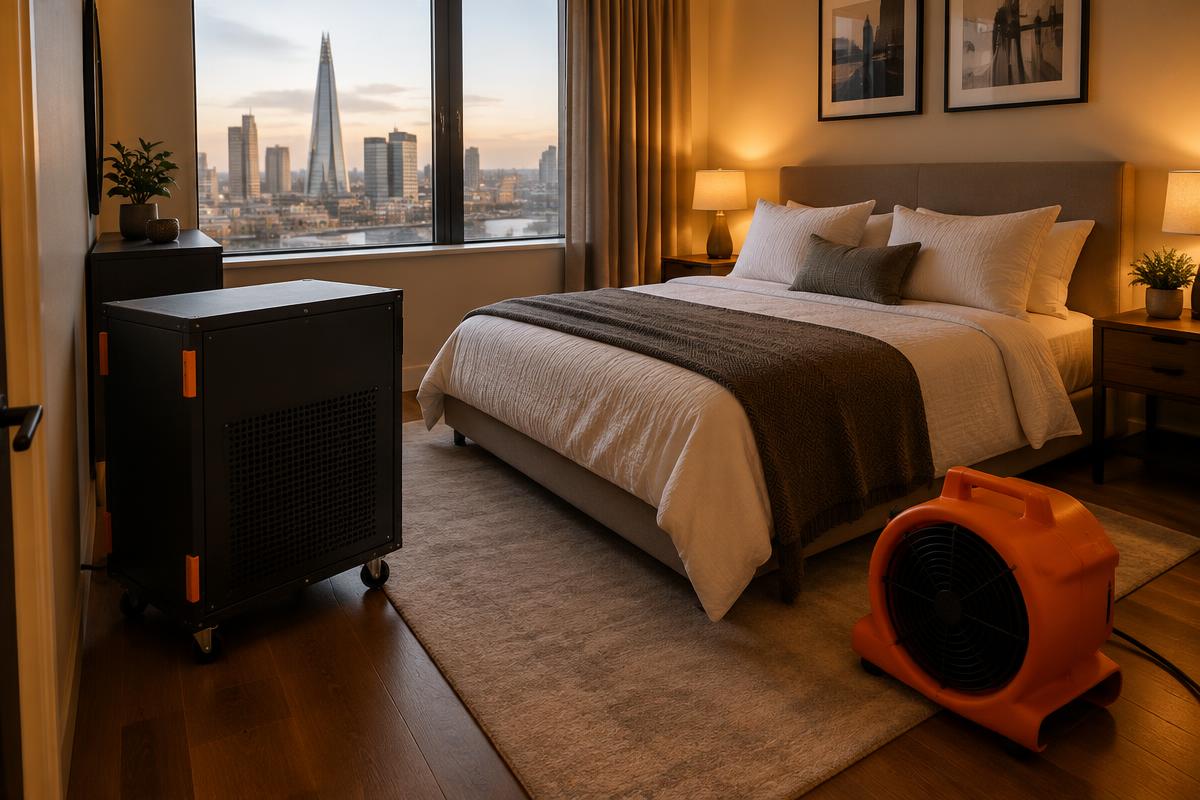
Bed Bug Heat Solutions UK uses controlled industrial heat of 60–65°C across the whole treatment area. The purpose is to expose bed bugs and their eggs to lethal heat within the agreed space. This is a planned professional process, not the same as increasing the central heating or using a domestic heater.
The heating period is usually three to six hours. That range should not be treated as the total length of the visit or a guaranteed reopening time. Inspection, preparation checks, equipment setup, controlled heating and cooling all need to be considered when planning how long accommodation will remain unavailable to guests.
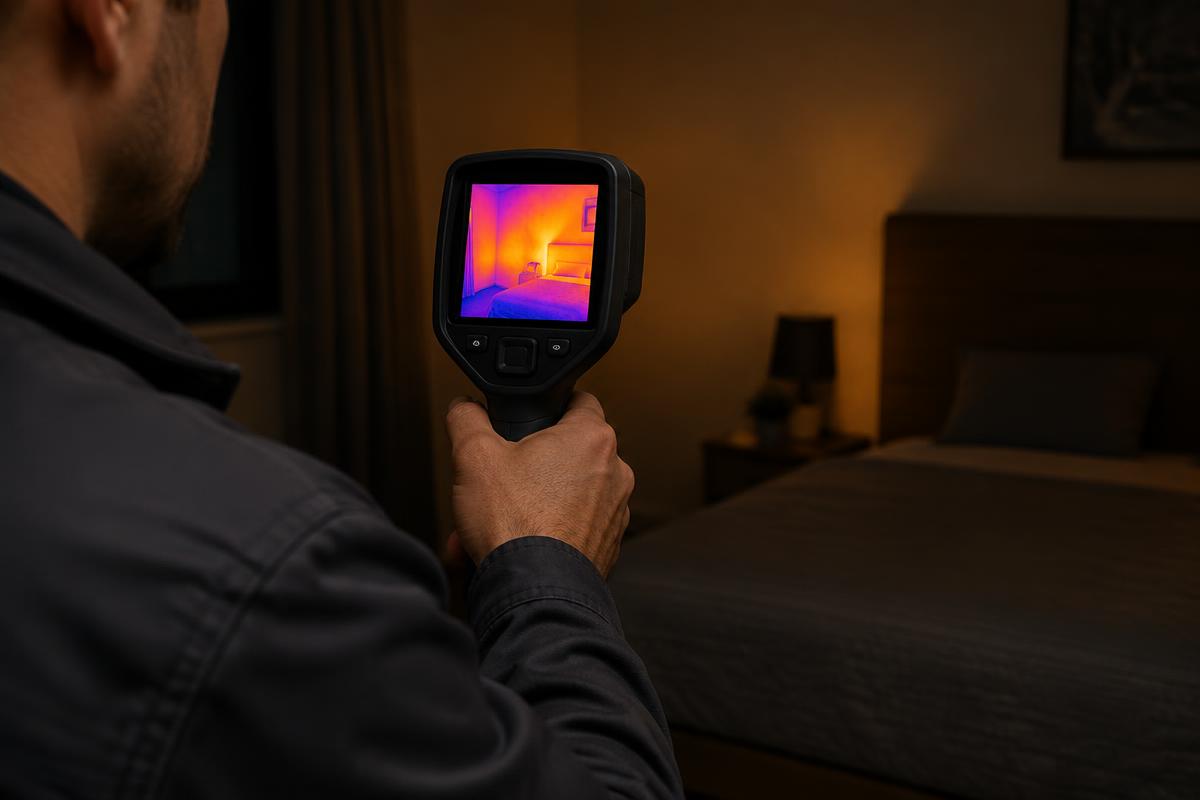
Monitoring uses active live thermal imaging cameras only. These provide live thermal views that support the team's management of the heating process and help identify areas needing attention. Furniture arrangements, room contents and building features are considered together with those observations when managing heat across the treatment area.
Heat is the primary treatment, with no harmful chemicals used as the primary method. This does not remove the need for safety precautions or careful preparation. People and pets must remain outside the designated treatment area, and operators should follow the team's instructions about contents, access and when the space can be used again.
Preparing rooms without spreading the problem
Preparation should follow the instructions issued for the particular property. A hotel bedroom with fitted furniture needs a different practical plan from a furnished holiday flat containing a guest's possessions. Avoid applying a generic online checklist without checking it, because unnecessary removal or rearrangement can interfere with the agreed treatment approach.
Tell the team about heat-sensitive contents before the visit. Medicines, aerosols, certain cosmetics, valuable objects and specialist equipment may require particular handling. Items should not simply be moved into another guest room without advice, as removing potentially affected possessions can create a separate problem outside the planned treatment area.
The treatment team needs suitable access around furniture and through the agreed working route. Staff should understand what to clear and what to leave in place. Where guests still have belongings in the accommodation, agree who will communicate with them and how their possessions will be handled respectfully and consistently.
Preparation is also a good time to stop uncoordinated pest-control attempts. Do not add sprays, move furnishings or arrange separate treatments without discussing them with the team. Provide details of anything already used, including the location and approximate date, so the assessment and work plan are based on an accurate picture.
- Request preparation instructions for the specific rooms being treated.
- Flag medicines, aerosols and other potentially heat-sensitive contents.
- Agree how guest belongings will be handled before moving them.
- Keep the equipment route clear as instructed.
- Tell the team about previous sprays or other treatments.
- Confirm arrangements for people and pets to stay outside the treatment area.
Planning London access and equipment movement
Equipment access is an operational issue, not a minor detail to leave until the visit. In London, the nearest legal unloading position may be some distance from the entrance. Let the team know about parking restrictions, loading arrangements and any permissions the property manager needs to organise before work can begin.
A lift may help with access, but its availability, dimensions and building rules still matter. Some properties require advance booking for equipment movements or restrict the use of certain entrances. Stair-only access, narrow corridors and several changes of level should also be discussed so the practical route can be reviewed.
Holiday lets within managed blocks often require coordination beyond the host and guest. A concierge, managing agent or building representative may control entry or access to shared areas. Establish who can authorise the necessary arrangements and ensure that someone with the correct keys or access permissions is available as agreed.
Hotels should consider how equipment movement will fit around other guests and staff. A clear route and a named point of contact can reduce confusion without compromising safety. Any building-system considerations should be discussed with authorised personnel; staff should never independently disable alarms or interfere with safety systems to accommodate treatment.
- Describe parking restrictions and the available unloading location.
- Provide the route from the entrance to the affected accommodation.
- Confirm lift access, booking rules and any stair-only sections.
- Arrange required permissions with the concierge or managing agent.
- Identify a contact who can provide keys and authorise access.
- Discuss shared corridors and guest movement with the treatment team.
Scheduling treatment and communicating with guests
Booking decisions should allow for the full treatment process, not just the usual heating period. A narrow gap between checkout and check-in may not provide enough flexibility. Discuss the proposed schedule before accepting a replacement booking, and avoid telling guests that a room will be available at an exact time without confirmation.
For hotels, coordination between management, reception and housekeeping is essential. Each team needs to know which rooms are unavailable, where belongings must not be moved and who can approve reopening. A single internal record helps prevent accidental room allocation or cleaning activity that conflicts with the treatment instructions.
Holiday-let operators may also need to coordinate cleaners, co-hosts and booking agents. Give them clear operational information rather than vague instructions to carry on as normal. If the accommodation is part of a larger building, share relevant access and safety arrangements with the people responsible for communal spaces.
Guest communication should be factual, considerate and free from blame. Explain what is being investigated and what practical support or arrangements are being offered. Do not claim that belongings are unaffected without assessment, and do not describe a treated property as permanently immune to bed bugs introduced through future travel or occupancy.
Reopening rooms and maintaining checks after treatment
Rooms should return to use only after the treatment team has provided the relevant clearance and aftercare instructions. Heating completion is not, by itself, permission for guests or staff to enter. Cooling and any final checks need to be accounted for before normal housekeeping and occupancy resume.
Follow the advice given on cleaning, linen and the return of items handled separately. Bringing untreated, potentially affected belongings straight back into the room can undermine the work. If an item was excluded from heat treatment, establish how it should be managed before placing it back into guest accommodation.
Ongoing inspections are valuable in properties with frequent arrivals. Build a consistent visual check into housekeeping routines, focusing on likely hiding places and prompt reporting of anything unusual. Staff do not need to diagnose every mark or insect themselves, but they should know how to record concerns and escalate them.
A later sighting should be reported rather than ignored or automatically assumed to be a new introduction. Keep photographs and room records where possible, and contact the treatment provider for guidance. Professional treatment addresses the agreed infestation, but accommodation remains exposed to future introductions through people, luggage and other belongings.
Choosing a provider and understanding the guarantee
When choosing bed bug heat treatment in London, look for a clear explanation of the assessment, treatment scope and preparation requirements. Ask how the work will be monitored and what information is needed about your building. Practical answers matter more than broad assurances that every property can be handled in exactly the same way.
Bed Bug Heat Solutions UK serves England and Wales, including London. The company brings over 40 years of hands-on pest-control experience, is fully insured and holds RSPH Level 2 certification. Its approach combines controlled industrial heat with active live thermal imaging cameras and property-specific planning for the agreed treatment area.
A six-month guarantee is available on qualifying treatments. Ask for the written terms before booking so you understand eligibility, the covered treatment area and any preparation or aftercare requirements. A guarantee should not be read as a promise that new bed bugs can never enter a hotel or holiday let.
To begin planning, provide the property type, affected rooms, observed evidence and any previous treatment history. Include parking, lift, concierge and access details from the outset. This gives the team a useful basis for discussing assessment and treatment while helping you organise staff, guest communication and room availability around the actual property.
Useful next steps
Frequently asked questions
Six-month guarantee
Qualifying treatments are covered for six months. Send your details for a free assessment.
More from the blog
How Long Does Bed Bug Heat Treatment Take?
Read the full guide: How Long Does Bed Bug Heat Treatment Take?