Manchester
Bed Bug Heat Treatment in Manchester for Hotels, Guest Rooms and Holiday Lets
How Manchester hotels, guest rooms and holiday lets can plan professional bed bug heat treatment with careful assessment, preparation and follow-up.
19 October 202610 min read
40 years
In the trade
Four decades of hands-on bed bug experience
Fully insured
Every treatment
Comprehensive liability cover on all work
RSPH Level 2
Certificated
Royal Society for Public Health qualified
Key points
- Assess affected rooms and nearby spaces before setting the treatment scope.
- Plan equipment access around Manchester building and parking arrangements.
- Controlled heat is monitored using active live thermal imaging cameras only.
- Qualifying treatments include a six-month guarantee.
Why Manchester guest accommodation needs a planned approach
Bed bugs create practical difficulties for hotels, guest houses and holiday lets because the affected space is also a product that guests have booked. Managers need to consider guest welfare, room availability, housekeeping routines and neighbouring accommodation together. A clear plan is more useful than treating the problem as an isolated mattress issue.
Manchester combines busy hotels with city-centre apartment blocks, converted mill buildings, terraced housing and student accommodation. Guest rooms can sit beside privately occupied flats or share corridors with other short-stay properties. These layouts do not mean every nearby room is affected, but they make a careful room-by-room assessment especially important.
Frequent guest turnover creates repeated opportunities for bed bugs to arrive in luggage or other belongings. An infestation is not reliable evidence of poor cleaning, and even well-managed accommodation can experience an introduction. The important distinction is how promptly staff recognise possible signs, preserve useful information and arrange a professional assessment.
Bed Bug Heat Solutions UK provides professional bed bug heat treatment in Manchester as part of its coverage across England and Wales. For commercial accommodation, the starting point is understanding the building and the evidence. That allows the proposed treatment area, preparation requirements and equipment access to be considered before work is booked.
Recognising signs and handling an initial guest report
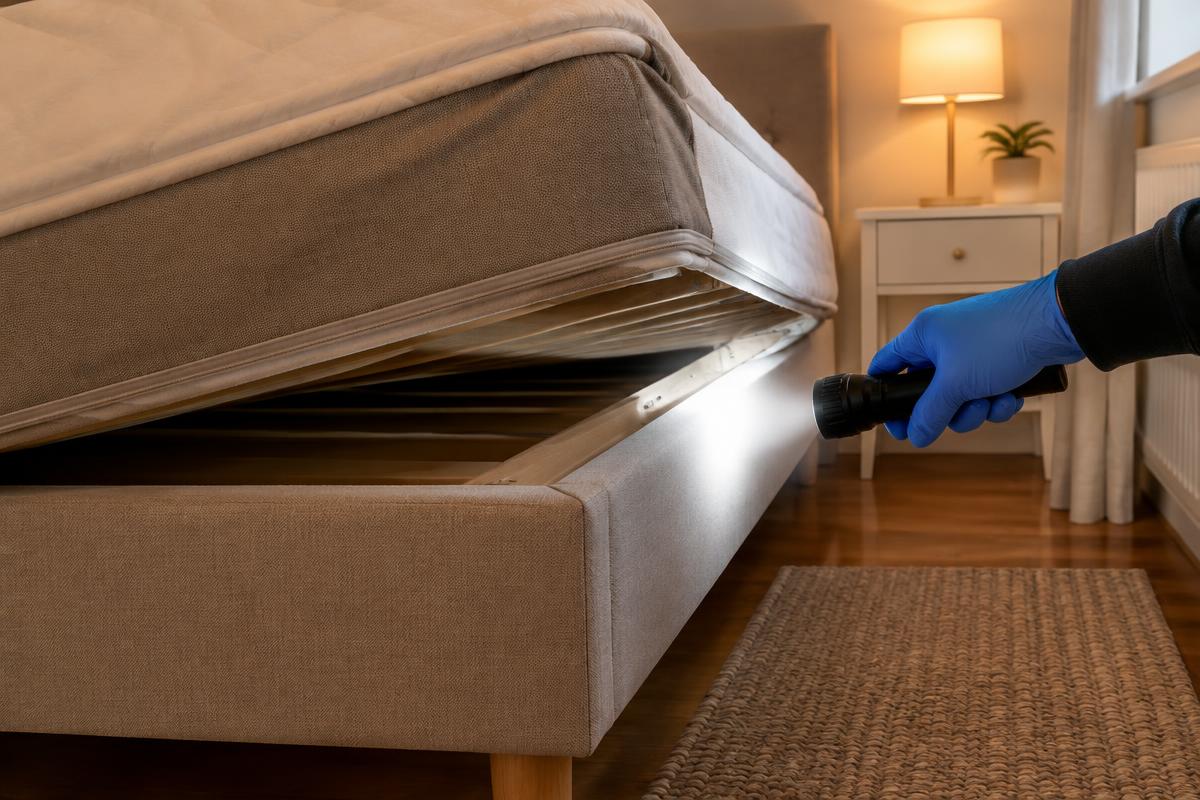
A guest report of bites should be taken seriously without immediately declaring that a room has bed bugs. Skin reactions vary, and bites alone cannot establish the cause. More useful evidence includes live insects, shed skins and dark spotting around mattress seams, bed frames, headboards or nearby furniture. Identification should guide the next steps.
Ask the guest where and when they noticed the problem, and record the room or apartment involved. Where practical, retain a clear photograph or safely contained insect for identification. Keep records factual and confidential. Avoid guessing which guest introduced the insects, as the available evidence rarely supports that kind of conclusion.
Pending assessment, avoid allocating the suspected room to another guest. Do not move its bedding, upholstered furniture or decorative cushions into another room as a quick solution. Unplanned movement can carry insects into otherwise unaffected spaces, while also making the original distribution of activity harder for a technician to understand.
Housekeeping and reception staff should know who makes decisions about affected rooms and how to report additional signs. A simple escalation process helps prevent inconsistent responses between shifts. It also means a professional can receive one accurate account rather than several incomplete versions of the same incident when discussing an inspection.
- Record the room number and date of the report.
- Note the locations of any visible signs.
- Retain clear photographs or safely contained specimens where practical.
- Pause new occupancy of the suspected room pending assessment.
- Avoid transferring bedding or furniture into other guest spaces.
- Nominate one manager to coordinate information and instructions.
Setting the treatment scope room by room
The room named in a complaint is the starting point for assessment, not automatically the full treatment boundary. Bed bugs can hide around sleeping and resting areas, including upholstered seating used by guests. A holiday apartment with a sofa bed, for example, may need a broader assessment than a bedroom-only report initially suggests.
In hotels and guest houses, the assessment should consider neighbouring rooms and relevant spaces above or below where the evidence and building layout justify it. Connecting doors, shared service routes and recent furniture movements can all inform that decision. It should not be assumed that an entire floor needs treatment without an assessment.
Converted mill buildings and subdivided properties may contain structural features that complicate access or separate accommodation in unexpected ways. Built-in furniture, deep storage areas and inaccessible voids should be discussed before agreeing the work. The technician needs to understand where activity may be present and whether proposed treatment boundaries are practical.
Managers can help by supplying a room plan, recent complaint history and details of any previous attempts at control. Include rooms that have been taken out of use or had furnishings moved. This information supports a reasoned quotation and reduces the risk of treating one visible part of a wider problem without recognising its limits.
How controlled bed bug heat treatment works
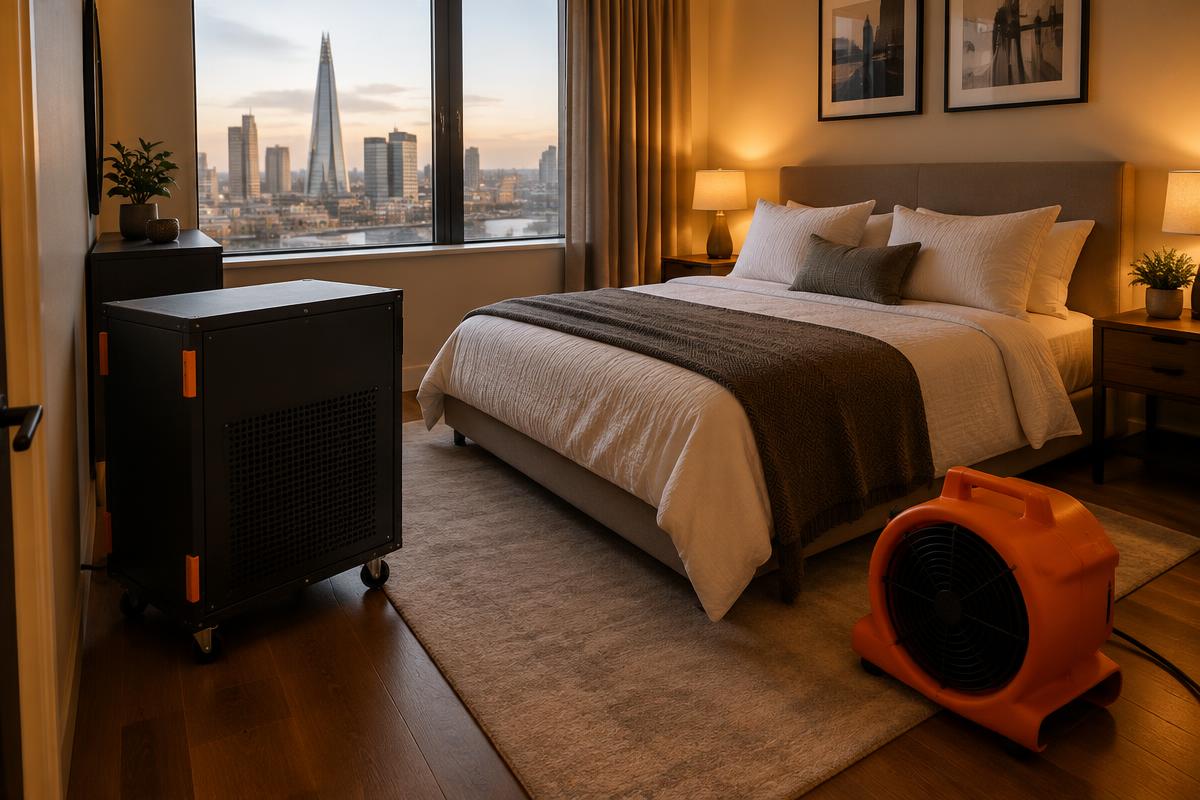
Bed Bug Heat Solutions UK uses controlled industrial heat of 60–65°C across the whole treatment area. The aim is to expose bed bugs and their eggs to lethal heat within the agreed scope, rather than addressing only insects visible on a bed. Careful preparation and heat distribution are central to that process.
The heating period usually lasts 3–6 hours. This is not the same as the total time required on site or a promise that a room will be ready for occupancy immediately afterwards. Equipment movement, setup, preparation checks, cooling and handover also need to be allowed for when planning accommodation availability.
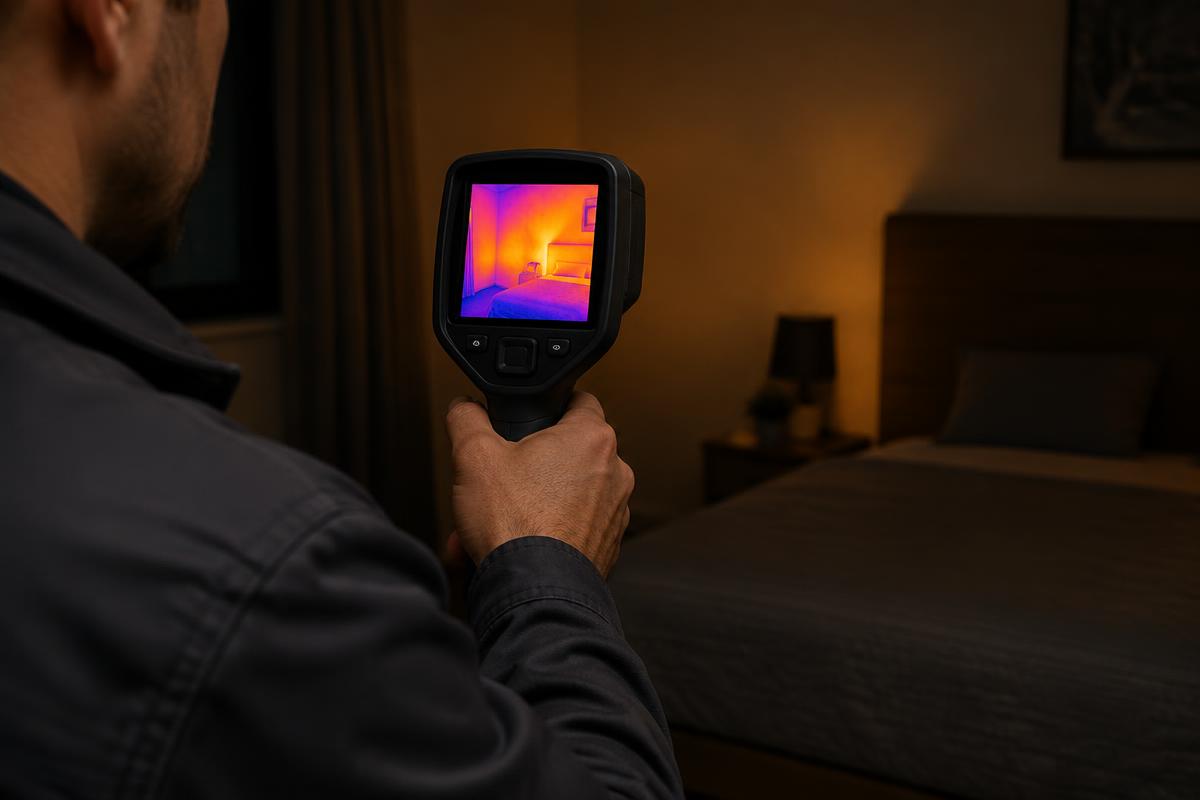
Monitoring uses active live thermal imaging cameras only. These allow the team to observe visible surface heat patterns during treatment and identify areas requiring attention. Thermal imaging does not see through furniture or walls, so it must be used alongside professional judgement about the room layout, contents, heat circulation and potential hiding places.
The primary treatment does not rely on harmful chemicals. That makes controlled heat an option for accommodation operators seeking a heat-led approach, but it does not remove the need for safety precautions. Guests, staff and pets must remain outside the treatment area during the work and return only when the team confirms it is safe.
Preparing guest rooms without moving the problem elsewhere
Preparation should follow the instructions issued for the particular property rather than a generic clear-out. Removing everything from a room may seem helpful, but it can spread bed bugs and take affected items outside the planned treatment. Before housekeeping starts, agree what should remain, what needs special handling and what must be removed safely.
Linen, clothing and other washable items need a controlled handling route. Where removal is instructed, contain them before they leave the affected space and follow the advised laundering or drying process appropriate to the fabric. Avoid carrying loose bedding through corridors or placing suspect laundry beside clean supplies in a shared housekeeping area.
Tell the treatment team about heat-sensitive belongings and fittings before the visit. Medicines, aerosols, wax items, artwork, certain electronics and guest possessions may require specific arrangements. Do not assume that an item is safe because it is normally kept in a warm room, or remove it without considering whether it could harbour insects.
Holiday-let owners also need to consider locked cupboards, owner storage and spare bedding kept beneath beds. Hotel managers should identify fixed headboards, storage bases and maintenance restrictions. The aim is to provide the access and room arrangement requested by the technician while keeping potentially affected contents contained within an agreed handling plan.
- Obtain property-specific preparation instructions before moving contents.
- Identify guest belongings and agree how they will be handled.
- Report heat-sensitive items and fixtures to the treatment team.
- Contain linen before taking it out of an affected room.
- Keep suspect laundry separate from clean stock.
- Arrange access to relevant locked storage and sleeping furniture.
- Avoid disposing of beds or mattresses unless advised.
Planning access in Manchester hotels and apartment buildings
City-centre parking restrictions can affect where equipment is unloaded and how far it must be moved. Share the property's access details at quotation stage, including loading arrangements, permitted stopping locations and any restrictions imposed by the building. A useful access description is more valuable than simply confirming that parking exists somewhere nearby.
Concierge procedures, controlled entrances and lift access also matter, particularly for upper-floor holiday apartments. Let the team know whether access requires a resident, booking confirmation or advance permission from management. If a lift is small, unavailable or subject to booking arrangements, that information needs to be considered before the visit is planned.
In converted buildings, the route from the entrance to the guest room may involve steps, narrow corridors or several secure doors. Hotels may have service entrances that provide a more suitable route than the main reception. Discuss these options early so equipment movement can be planned around the building rather than delayed on arrival.
Provide an on-site contact with authority to open the necessary areas and resolve access questions. If the property is remotely managed, arrange a reliable key handover rather than assuming a guest key box provides everything needed. The team should also be told about building rules that affect working areas or shared escape routes.
- Describe loading access and local parking restrictions.
- Confirm the floor level and the route to affected rooms.
- Explain lift availability and any booking requirements.
- Arrange concierge or building-management permissions where needed.
- Identify secure doors, stairs and narrow access points.
- Provide an authorised on-site contact and reliable key access.
Coordinating guests, housekeeping and room availability
A treatment booking should sit within an accommodation management plan. Decide who will contact affected guests, who can change room allocations and who will update housekeeping instructions. Keep the message calm and factual. Guests need clear practical arrangements, not speculation about the source of the problem or assurances that have not been checked.
If alternative accommodation is necessary, consider how guests will handle their belongings before moving. Simply transferring luggage and loose clothing into another room can create an avoidable risk. Ask the treatment team for instructions suited to the situation, and explain those instructions respectfully without suggesting that a guest is responsible for the infestation.
Housekeeping rotas should reflect the affected area's status. Staff should not enter to change linen or return stored furnishings during treatment. Maintenance visits, deliveries and contractor access may also need rearranging. One named coordinator can keep these activities aligned and prevent a well-intentioned staff member from interrupting the work or moving suspect items.
For holiday lets, avoid promising the next guest a check-in time based only on the usual heating period. The complete visit and safe release of the property need to be considered. Discuss existing reservations when requesting a quotation so decisions about availability are based on the proposed scope and access arrangements rather than assumptions.
What to expect during treatment and handover
Before heating begins, the team needs access to the agreed treatment area and an opportunity to check that preparation instructions have been followed. Any unexpected issue, such as an inaccessible room or unreported sensitive item, should be resolved before proceeding. The scope should remain clear to both the technician and the accommodation manager.
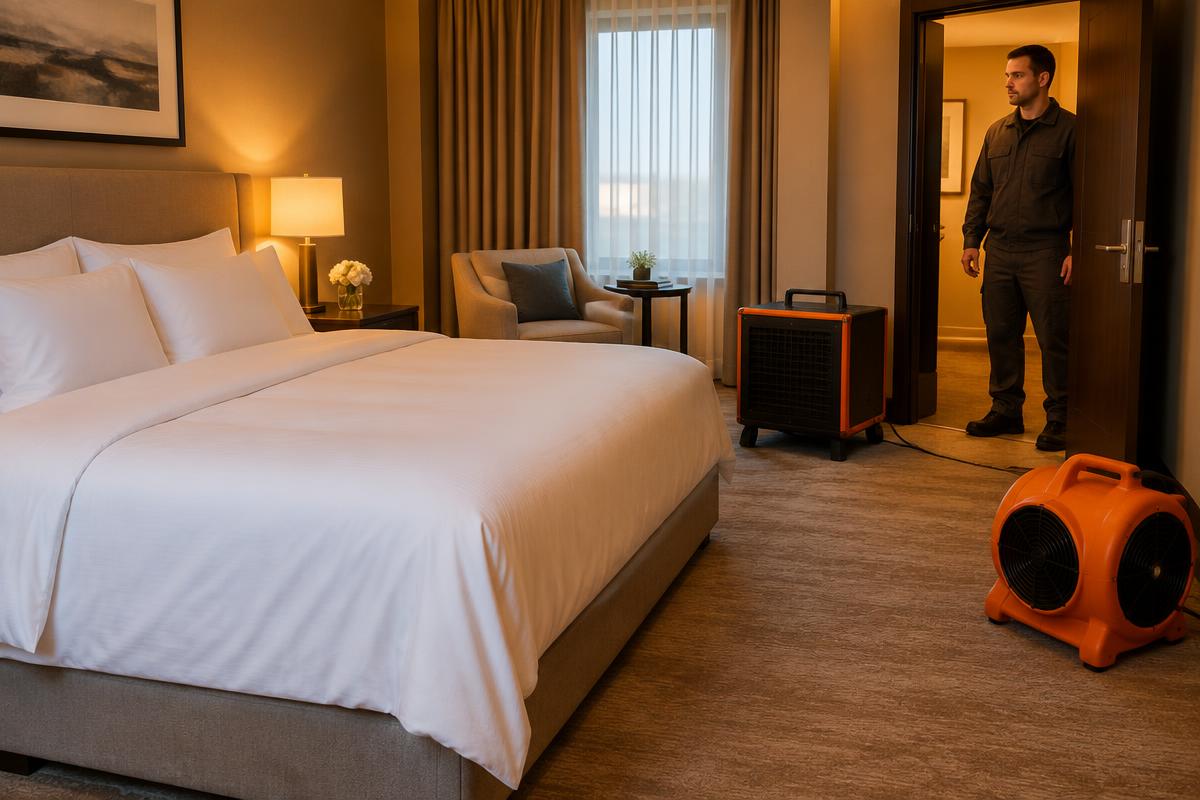
During heating, the team manages the controlled industrial heat and monitors the area using active live thermal imaging cameras only. Room layout and contents affect how heat moves, so the work requires active attention rather than simply switching on equipment for a set period. Unauthorised entry can disrupt both safety arrangements and treatment conditions.
The area must be allowed to cool appropriately after heating. Do not send housekeeping in simply because the heating equipment has been switched off. Wait for confirmation from the treatment team about safe access and any instructions that apply before the room can be cleaned, reset or made available to guests.
At handover, confirm what was treated and what follow-up actions are required. Record the advice in a place accessible to the staff responsible for room release and future inspections. If additional areas were identified for assessment, keep those actions separate from the completed work so they are not overlooked during a busy changeover.
Follow-up checks and the six-month guarantee
Following treatment, continue a structured inspection routine rather than relying solely on the absence of guest complaints. Housekeeping staff can check accessible mattress seams, bed-frame joints and nearby furniture during normal room servicing. They should report suspicious findings promptly and avoid making their own treatment decisions or moving furniture between rooms.
Agree how any remaining marks or historic signs will be recorded and cleaned once the team permits it. Old spotting does not, by itself, prove continuing activity. Clear records help staff distinguish previous evidence from new findings and give the treatment company useful information if a concern arises after the room returns to use.
Bed Bug Heat Solutions UK offers a six-month guarantee on qualifying treatments. Ask which treatments qualify and obtain the applicable terms before booking. A guarantee should not be interpreted as a promise that guests can never introduce bed bugs again, or as an assumption that every future report automatically falls within its scope.
If you suspect activity after treatment, contact the company with the room details, timing and any photographs or specimens available. Avoid applying unplanned products while waiting for advice, because that can complicate assessment. Follow-up should be based on the evidence and the agreed terms, with a clear distinction between possible surviving activity and a fresh introduction.
Arranging a quotation for your Manchester property
A useful quotation begins with practical information rather than just the number of beds. Explain whether the property is a hotel, guest house or holiday let, how many rooms may be involved and where signs have been found. Mention sofa beds, connecting rooms and any recent movement of bedding or furniture between accommodation units.
Include access arrangements, known preparation difficulties and the status of upcoming bookings. If an owner, managing agent and building manager are all involved, identify who can approve the work and grant access. These details help establish a workable treatment plan and clarify responsibilities before the property is prepared or rooms are taken out of service.
Bed Bug Heat Solutions UK brings over 40 years of hands-on pest-control experience, is fully insured and holds RSPH Level 2 certification. The company serves Manchester within its wider England and Wales coverage. Its approach uses controlled industrial heat as the primary treatment, without relying on harmful chemicals for that primary process.
When requesting a quotation, ask for confirmation of the proposed treatment area, preparation requirements, access needs and any applicable guarantee terms. Discuss the likely heating period separately from overall disruption to the property. A careful plan gives hotel teams and holiday-let managers a sound basis for protecting guests, coordinating staff and returning accommodation to use responsibly.
Useful next steps
Frequently asked questions
Six-month guarantee
Qualifying treatments are covered for six months. Send your details for a free assessment.
More from the blog
How Long Does Bed Bug Heat Treatment Take?
Read the full guide: How Long Does Bed Bug Heat Treatment Take?