Oxfordshire
Preparing Your Property for Bed Bug Heat Treatment in Oxfordshire
A practical guide to preparing Oxfordshire flats, student lets, hotels and country homes for professional bed bug heat treatment.
31 October 20269 min read
40 years
In the trade
Four decades of hands-on bed bug experience
Fully insured
Every treatment
Comprehensive liability cover on all work
RSPH Level 2
Certificated
Royal Society for Public Health qualified
Key points
- Agree a property-specific preparation plan before moving belongings.
- Explain access restrictions and occupancy arrangements early.
- Identify heat-sensitive items without spreading bed bugs.
- Follow the agreed return and aftercare instructions.
1. Start with a preparation plan for your Oxfordshire property
Good preparation helps professional bed bug heat treatment reach the places where bed bugs hide while protecting belongings and limiting the risk of spreading an infestation. The aim is not to empty your property or clean everything at once. It is to make the agreed treatment area ready for a carefully planned process.
Oxfordshire enquiries commonly involve city flats, student lets, hotels and larger country properties. Each presents different practical questions. A flat may have shared corridors and limited unloading space, while a country home may contain interconnected rooms, substantial furniture and storage areas that need to be discussed before treatment is scoped.
Begin by explaining where signs of bed bugs have been found, which rooms are occupied and whether anyone has recently changed sleeping locations. Mention previous treatments and any belongings already moved elsewhere. This information helps the team assess the situation without assuming that the room with the most obvious signs is the only affected space.
Bed Bug Heat Solutions UK will need to understand access, occupancy and the movement of belongings before agreeing the work. Follow the preparation instructions provided for your property rather than combining advice from unrelated websites. If an instruction is unclear or impractical, raise it before treatment day so a suitable alternative can be discussed.
2. Explain parking, building access and appointment restrictions
Equipment arrival needs planning, particularly where parking and access are restricted. Tell us about permit-only streets, loading restrictions, narrow approaches or a long distance between the unloading point and the entrance. Do not assume a nearby parking space will be available or that a parking permit automatically permits unloading in every location.
For Oxford college accommodation and managed buildings elsewhere in Oxfordshire, explain who authorises entry and who will meet the team. Reception procedures, security checks, keys, fobs and lift arrangements can all affect access. Where permission is needed from a building manager, landlord or college representative, arrange that permission before the visit.
Fixed appointment windows should also be discussed early. A building may limit contractor access, or a hotel may need to coordinate work around occupancy. Explain these restrictions when enquiring so equipment arrival can be coordinated properly. Avoid setting other appointments around an assumed finishing time before the treatment plan has been confirmed.
Provide an accurate description of stairs, corridors, doorways and any obstacles along the route into the property. Keep communal escape routes clear and do not move furniture into shared hallways to create room indoors. If there are concerns about equipment access or electrical arrangements, ask the team to assess them rather than making changes yourself.
- Tell us about permit-only streets and unloading restrictions.
- Identify the authorised contact for college or managed-building access.
- Confirm arrangements for keys, entry fobs and reception checks.
- Explain stairs, lift restrictions and narrow access routes.
- Share any fixed appointment windows before booking arrangements are finalised.
- Keep entrances and communal escape routes unobstructed.
3. Agree the treatment area before rearranging rooms
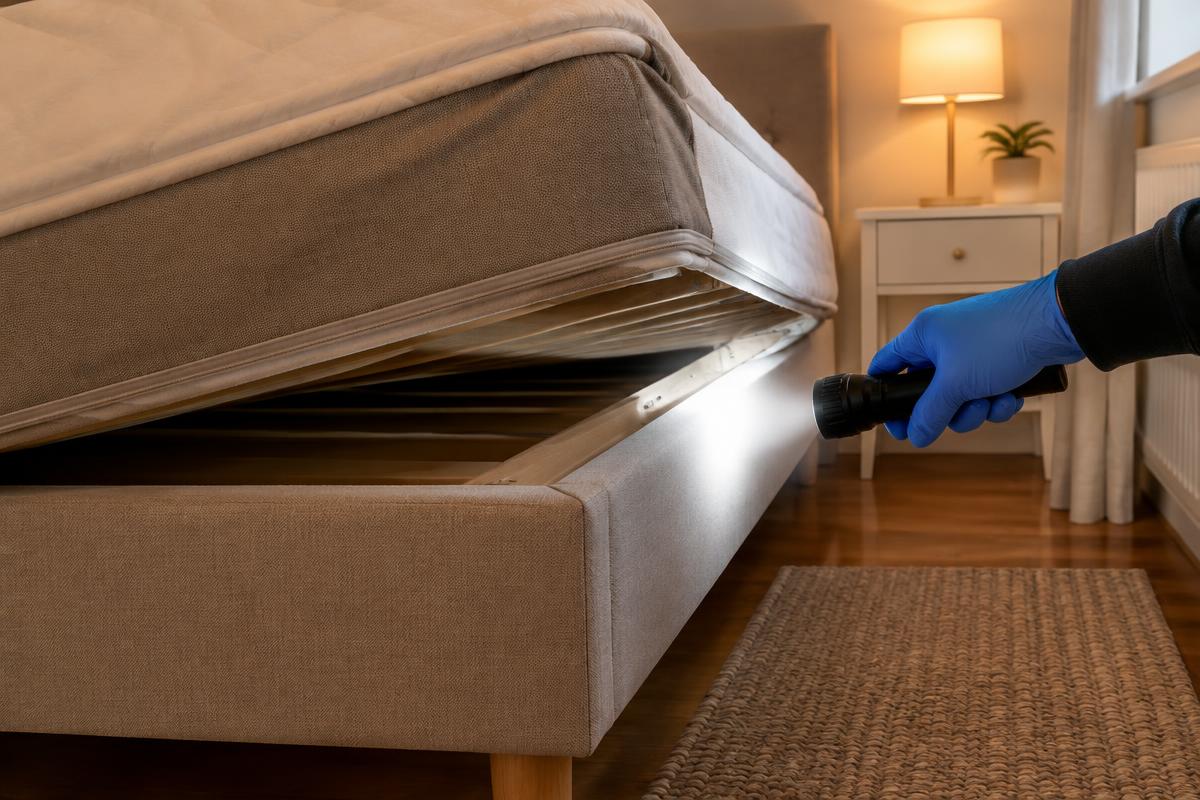
Bed bugs can hide around beds, upholstered furniture and small gaps close to resting places. They can also travel with possessions. Preparing only the most visibly affected bed may therefore overlook important information. Tell the team about signs in other rooms and let the assessment guide the agreed treatment boundary.
Resist the urge to move a mattress into a spare room or shift bedside furniture into a corridor. Moving items without a plan can carry bed bugs into previously unaffected areas. Leaving possessions where they are until you receive instructions is often more useful than trying to present an empty, tidy room.
Large country properties may have guest rooms, dressing rooms and storage spaces linked to the affected bedrooms. In a city flat, a sofa may double as a sleeping space. Describe how the property is actually used, including occasional sleeping arrangements, rather than relying only on room names or a floor plan.
Ask whether furniture needs to be repositioned and who will handle any required movement. Heavy wardrobes, fitted beds and fragile furniture should not be dragged or dismantled without agreement. The preparation plan should make access practical while taking account of the building, its contents and anyone who cannot safely move larger objects.
4. Manage clothing, bedding and bags without spreading bed bugs
Clothing and bedding need a clear handling plan because loose movement through the property can spread bed bugs. Do not carry uncontained bedding along shared corridors or shake it out in another room. Ask which textiles should remain for heat treatment and which, if any, should be laundered separately.
Where laundering is advised, follow the agreed instructions alongside the item's care label. A routine cool wash should not be assumed to resolve an infestation. Suitable washing or tumble-drying arrangements depend on the fabric and the recommended process, so avoid choosing a setting simply because it is the hottest available.
Use securely closed bags when moving potentially affected textiles under the preparation plan. Keep untreated items separate from items that have completed the agreed process. Clearly marking bags can help everyone in the household understand their status, especially where several occupants are preparing clothing at different times.
Bags, suitcases and packed storage containers also need discussion. Densely packed contents can affect how heat reaches hiding places, but opening or unpacking everything without guidance can create unnecessary movement. Explain how much is stored beneath beds, inside wardrobes or in luggage, then follow the team's instructions on presentation and handling.
- Ask which textiles should stay within the treatment area.
- Avoid shaking bedding or carrying loose laundry through shared spaces.
- Contain potentially affected textiles before any agreed movement.
- Keep processed clothing separate from untreated belongings.
- Follow care labels and the team's laundering instructions together.
- Discuss packed luggage and under-bed storage before unpacking.
5. Identify heat-sensitive belongings before treatment day
Bed Bug Heat Solutions UK uses controlled industrial heat of 60–65 degrees C across the whole treatment area. Preparation must therefore include a review of belongings that may be unsuitable for that environment. This review is about planning safe handling, not removing every valuable item without considering whether it could harbour bed bugs.
Flag medicines, aerosols, pressurised containers, flammable products and items with particular storage-temperature requirements. Also mention candles, heat-sensitive adhesives, delicate artwork, musical instruments and unusual collections. These examples are not a complete removal list. The team should confirm what needs attention and how each item will be managed.
Electronics, batteries and specialist equipment should be discussed individually where there is uncertainty. Manufacturer guidance and the condition of an item may matter. Do not assume that switching something off makes it suitable for heat treatment, and do not disconnect essential medical or building equipment without an appropriate agreed arrangement.
An item taken out of the treatment area could carry bed bugs with it. For that reason, removal and containment need to be considered together. Ask how excluded belongings will be assessed or managed and when they may be returned. Avoid placing unassessed possessions in a neighbour's home, a vehicle or another bedroom.
6. Make rooms accessible without creating unnecessary disturbance
Clutter can make inspection, equipment positioning and controlled heat circulation more difficult. However, preparation should be targeted rather than disruptive. Concentrate on the access routes and areas identified by the team. Do not start a major clear-out that sends potentially affected possessions into communal bins, charity donations or other parts of the property.
Check that the team can reach the agreed rooms and move around key furniture safely. Explain any trip hazards, damaged flooring or unstable fittings in advance. If assistance is needed because of mobility limitations or the amount of stored material, say so early rather than attempting work that could cause injury.
Cleaning instructions should also be property-specific. If vacuuming is requested, ask how the vacuum contents and equipment should be managed afterwards. Do not assume that ordinary cleaning will remove every bed bug or egg, and do not apply extra sprays, powders or foggers in an attempt to improve the planned treatment.
Leave building alterations to the appropriate professionals. Do not remove electrical fittings, open wall cavities or interfere with fire safety systems to expose hiding places. Tell the team about inaccessible voids, fitted storage and recent maintenance work. These details can inform the treatment plan without creating new safety or property risks.
7. Plan for occupants, pets and shared accommodation
Everyone affected by the visit needs to know the agreed arrangements for leaving and returning. Plan for children, older residents and anyone with mobility or health needs. Ask what access will be needed before heating starts and make sure nobody expects to enter the treatment area during the controlled heating process.
Pets and their care arrangements must be discussed in advance, including aquariums, vivariums and other habitats that cannot simply be carried away. Plants may also require attention. Do not assume a pet can remain in an adjoining space or that life-support equipment can be switched off without a safe alternative.
In student lets and shared houses, one person's preparation can be undermined if another moves bedding between rooms or returns untreated belongings. Agree a single set of instructions and identify who will coordinate with the team. Tenants, landlords and managing agents should understand their practical responsibilities before treatment day.
Hotels need a similarly coordinated approach involving the people responsible for rooms, laundry and maintenance. Explain occupancy and any recent room changes when discussing the scope. Avoid moving guests' potentially affected bags into other bedrooms without a handling plan. Preparation should reduce movement risks while respecting privacy and keeping unaffected operations properly organised.
- Agree departure and return arrangements for every occupant.
- Raise mobility, health and essential-equipment needs in advance.
- Arrange suitable care for pets and discuss tanks or vivariums.
- Choose one coordinating contact for shared accommodation.
- Give all relevant occupants the same preparation instructions.
- Prevent unplanned movement of bedding, luggage and furniture between rooms.
8. Understand the heating process and allow enough time
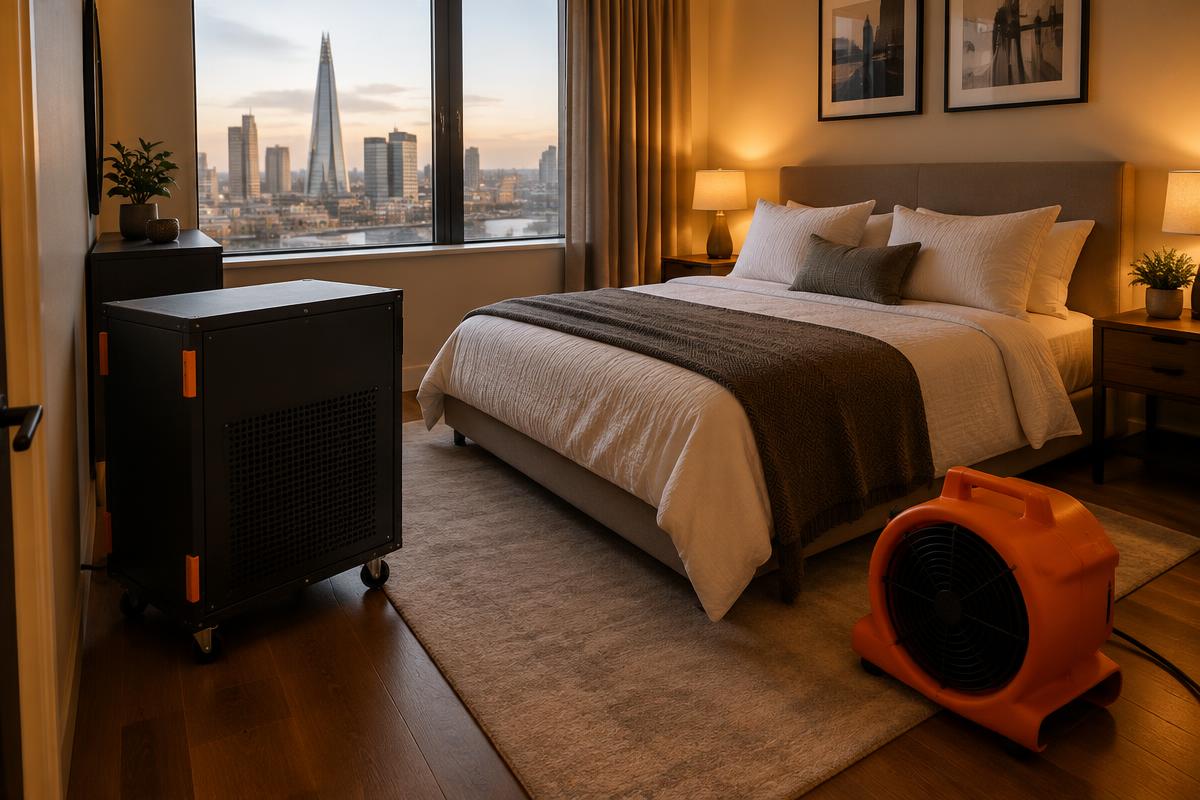
Understanding the process helps you prepare realistically. Our primary treatment uses controlled industrial heat rather than harmful chemicals. The planned treatment applies 60–65 degrees C across the whole treatment area, with the property layout and contents considered when organising equipment and managing the work. It is not equivalent to turning up domestic heating.
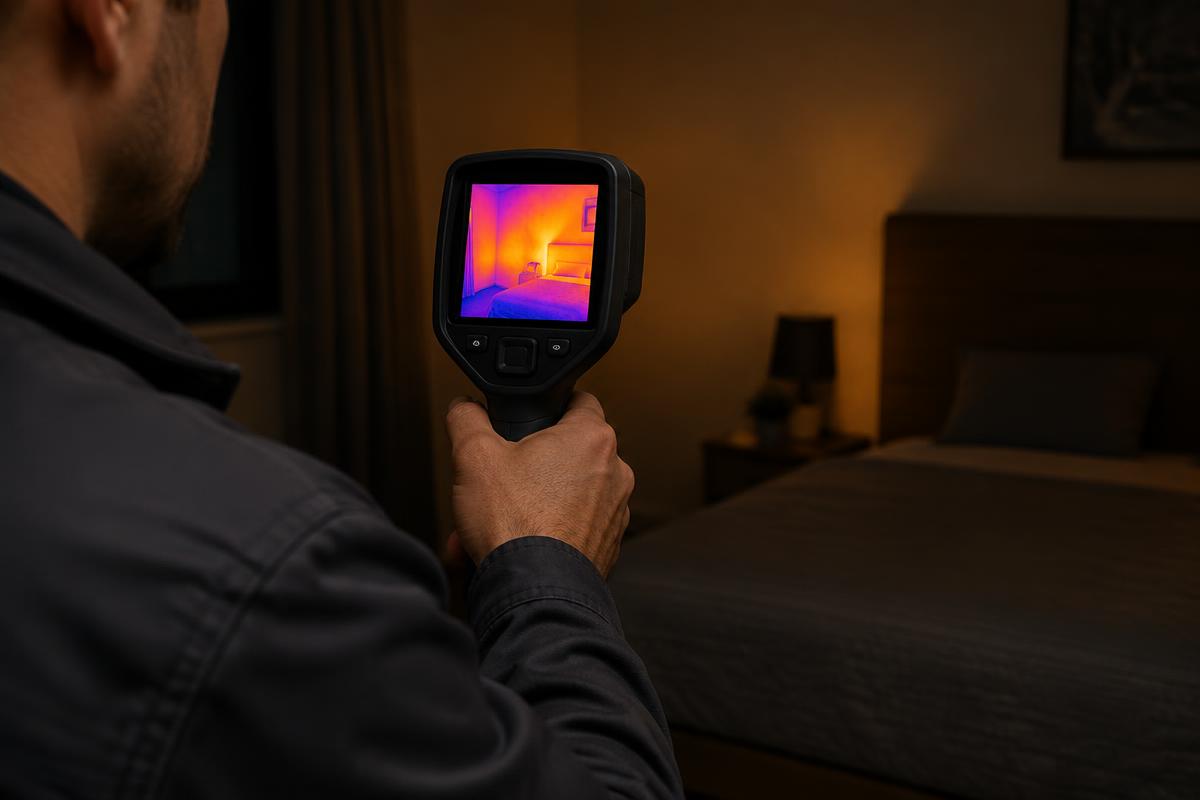
Monitoring uses ACTIVE LIVE THERMAL IMAGING CAMERAS ONLY. This provides the team with live thermal views during the process to support management of the heat treatment. Preparation remains important because access, furniture arrangements and densely packed possessions affect how the treatment area can be managed.
The heating period is usually 3–6 hours. That is not a promise that the entire appointment, including setup, checks and the return process, will fit into the same period. Property size, layout and practical arrangements need to be considered, so avoid planning your day around an assumed exact completion time.
Do not attempt to reproduce professional treatment using portable heaters, ovens or improvised equipment. Uncontrolled heating can create fire hazards and damage belongings without providing a suitable treatment. During the professional visit, follow the team's instructions and wait for explicit confirmation before entering or changing anything within the treatment area.
9. Prepare for return, aftercare and the guarantee
Before treatment begins, ask how you will be told when the property is ready for re-entry. A room may remain warm after heating has ended, and the end of the heating period is not itself permission to return. Follow the team's handover instructions rather than entering to retrieve belongings or open windows.
Keep the agreed separation between untreated possessions and items that have completed their recommended process. Bringing an unassessed suitcase or bag straight back into a treated bedroom can undermine the preparation work. Make a plan for excluded belongings before the visit so there is no uncertainty when you are ready to return.
Ask what signs to watch for afterwards and how to report concerns. Bites alone do not reliably confirm ongoing bed bug activity, so share clear observations and photographs where possible. Avoid immediately applying shop-bought pesticides or moving bedrooms in response to an uncertain mark without first discussing the situation with the team.
Bed Bug Heat Solutions UK offers a six-month guarantee on qualifying treatments. Ask whether your proposed treatment qualifies and request the applicable terms before booking. Do not assume every situation has identical cover. Understanding any preparation, aftercare and reporting requirements helps you make informed decisions and know what to do if concerns arise.
10. Share the right information when arranging treatment
A useful enquiry gives a clear picture of the property without requiring you to diagnose the whole problem yourself. Describe the accommodation type, affected rooms, occupancy and evidence you have noticed. Photographs can help explain the situation, but the treatment scope should be agreed through assessment rather than guesses based on bite patterns alone.
Include practical details that could otherwise cause difficulty on the day. In Oxfordshire, this may mean permit-only parking, college access procedures, a managed entrance or a rural approach with limited unloading space. Mention fixed appointment windows and any restrictions imposed by a landlord, managing agent or hotel operation at the outset.
Be honest about preparation you cannot complete. A heavily furnished property, limited mobility, sensitive possessions or multiple tenants may require additional planning. It is better to discuss these issues than to move belongings hurriedly or leave important questions unanswered. The preparation plan should be understandable and achievable for the people using the property.
Bed Bug Heat Solutions UK serves England and Wales, including Oxfordshire, with over 40 years of hands-on pest-control experience. We are fully insured and RSPH Level 2 certificated. Contact the team to discuss your property, the proposed scope and preparation requirements, including whether the six-month guarantee applies to your treatment.
Useful next steps
Frequently asked questions
Six-month guarantee
Qualifying treatments are covered for six months. Send your details for a free assessment.
More from the blog
How Long Does Bed Bug Heat Treatment Take?
Read the full guide: How Long Does Bed Bug Heat Treatment Take?