Suffolk
Bed Bug Heat Treatment in Suffolk: A Guide for Landlords, Tenants and Shared Homes
How landlords, tenants and housemates in Suffolk can coordinate bed bug heat treatment, from reporting early signs to arranging access and aftercare.
8 November 202610 min read
40 years
In the trade
Four decades of hands-on bed bug experience
Fully insured
Every treatment
Comprehensive liability cover on all work
RSPH Level 2
Certificated
Royal Society for Public Health qualified
Key points
- Report suspected activity early and avoid moving belongings between rooms.
- Assess adjoining spaces rather than assuming one bedroom is the whole problem.
- Coordinate preparation and access across landlords, tenants and housemates.
- Qualifying treatments include a six-month guarantee.
Why rented and shared homes need a coordinated approach
Bed bugs can create practical difficulties in any Suffolk home, but rented properties often involve several people making decisions. A tenant may notice the first signs, a landlord may authorise treatment, and an agent may arrange access. In shared housing, other residents may need to prepare rooms even when they have not noticed any activity themselves.
The first priority is to establish what has been found and where. Bed bugs are not evidence of poor housekeeping, and blame rarely helps an investigation. A calm reporting process makes it easier for residents to share useful information, including when signs appeared, which rooms are involved and whether belongings have recently moved between rooms.
Suffolk includes compact urban properties, coastal lets and larger rural homes. Each presents different questions about access, room layout and contents. A small flat with densely packed furniture may need a different equipment arrangement from a spacious rural house, so floor area alone is not enough to plan a suitable treatment.
Bed Bug Heat Solutions UK provides professional heat treatment across England and Wales, including Suffolk. For landlords, tenants and shared households, our approach starts with assessment and practical coordination. The aim is to identify an appropriate treatment area and make sure the people responsible for preparation, consent and access understand their roles before work begins.
Recognising signs and reporting them without spreading belongings
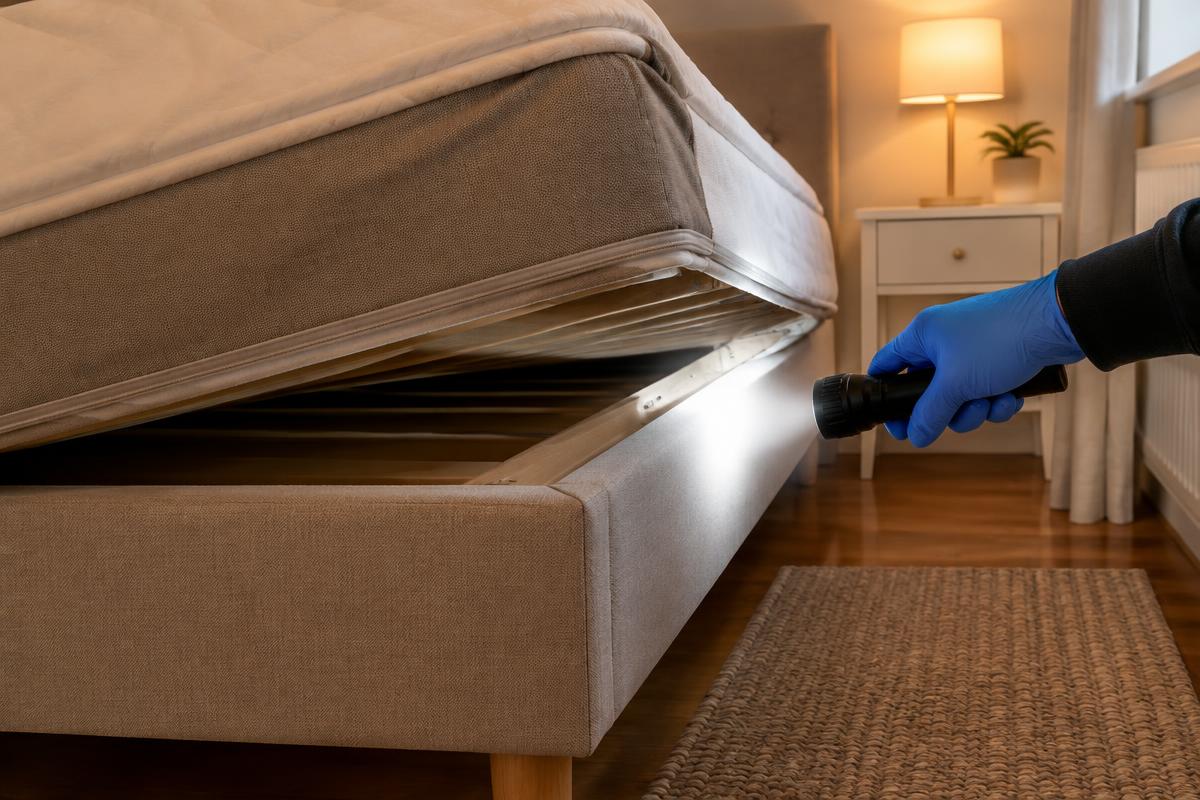
Possible signs include live insects, shed skins and small dark marks around mattress seams, bed frames and nearby furniture. Skin reactions alone cannot confirm bed bugs, because bites and irritation can have other causes. Clear photographs and a description of where something was found can help guide the initial assessment without unnecessary disturbance.
Tenants should report suspected activity promptly through the landlord's or managing agent's normal maintenance channel. Keep a written record of the report and any instructions received. In a shared home, tell the person coordinating the response rather than relying on informal messages that may not reach every resident or the property manager.
Avoid carrying bedding, furniture or bags into another bedroom to get them away from the suspected area. Moving possessions can carry insects into previously unaffected spaces and make the eventual treatment scope harder to establish. If items need to be moved, ask for instructions on containment and handling before doing so.
A landlord or agent receiving a report should acknowledge it without making an immediate judgement about its cause. Ask for factual details and arrange a competent assessment. Where more than one household occupies the building, information about other reported signs may be relevant, but residents' personal details should only be shared where necessary.
- Record the date and room where suspected signs were first noticed.
- Take clear photographs without dismantling furniture unnecessarily.
- Report concerns to the landlord, agent or nominated coordinator.
- Keep bedding, bags and furniture out of other rooms unless instructed.
- Note any similar reports elsewhere in the property.
- Retain written communications and preparation instructions.
Agreeing responsibilities between landlords and tenants
Who arranges treatment and who pays are not always the same question. Responsibility can depend on the tenancy, the property's condition, the circumstances of the infestation and applicable housing duties. It is unwise to assume that the tenant must pay simply because the signs were discovered in their bedroom, or that every case automatically falls to the landlord.
Where responsibility is disputed, obtain appropriate housing advice rather than allowing the disagreement to replace an assessment. In England, tenants and landlords can seek guidance from their local council, Citizens Advice or a qualified housing adviser. A pest-control assessment can explain findings and treatment requirements, but it does not determine legal liability.
Access also needs to be agreed properly. Landlords and agents should follow the tenancy terms and applicable notice and consent requirements rather than assuming treatment permits entry without discussion. Give residents clear information about the proposed work, preparation, expected absence from the property and how return instructions will be communicated.
For shared houses, nominate one person to coordinate arrangements while ensuring every affected resident receives the same written guidance. Record who can authorise the work, who will provide access and who will answer questions about individual rooms. This reduces the risk of an otherwise prepared property being held up by a locked bedroom or an uninformed housemate.
Assessing Suffolk properties and adjoining spaces
A useful assessment looks beyond the bed where signs were first found. Bed bugs can hide in furniture joints, edges, gaps and nearby possessions. In shared accommodation, the layout of bedrooms, common rooms and adjoining spaces helps inform the treatment scope. An absence of reported bites in another room does not, by itself, establish that it is unaffected.
We assess room volumes, contents and access before choosing the equipment arrangement. Furniture density, storage, internal layout and the route into the property all matter. Landlords and agents can help by providing accurate information about the building, including which rooms are occupied, whether any areas are locked and whether access passes through another household's accommodation.
Compact urban homes may have limited space for moving equipment and arranging contents. Coastal lets can involve changing occupancy and belongings moving in and out frequently. Larger rural homes may include rooms that are rarely used or substantial storage areas. These differences are reasons to assess each property individually, not to assume a standard arrangement will suit every Suffolk address.
Where a property is used for short stays, share the dates and rooms linked to reported activity. This supports a more useful assessment of adjoining spaces. Keep the information factual and avoid attributing the problem to a particular guest without evidence. Booking and housekeeping records can help establish a timeline, but they do not necessarily identify the source.
How professional bed bug heat treatment works
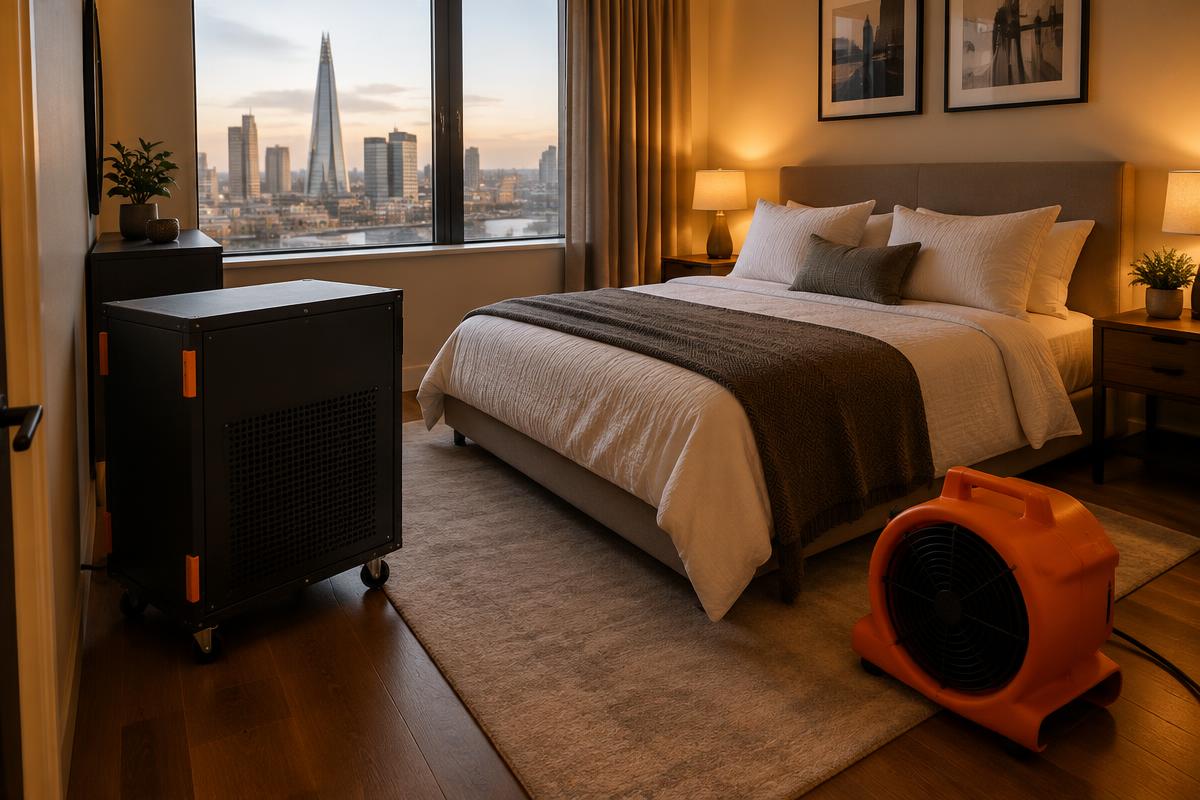
Bed Bug Heat Solutions UK uses controlled industrial heat of 60–65 degrees C across the whole treatment area. The heating period is usually 3–6 hours. These are treatment parameters rather than a promise that every visit will fit the same timetable, because assessment, setup, property conditions and safe handover also need to be considered.
The treatment is designed to target bed bugs and their eggs through controlled heat exposure. Successful planning depends on reaching the agreed treatment area effectively, including the places where insects may be concealed. Furniture arrangements and dense contents can influence how heat moves, which is why preparation and equipment placement are part of the professional process.
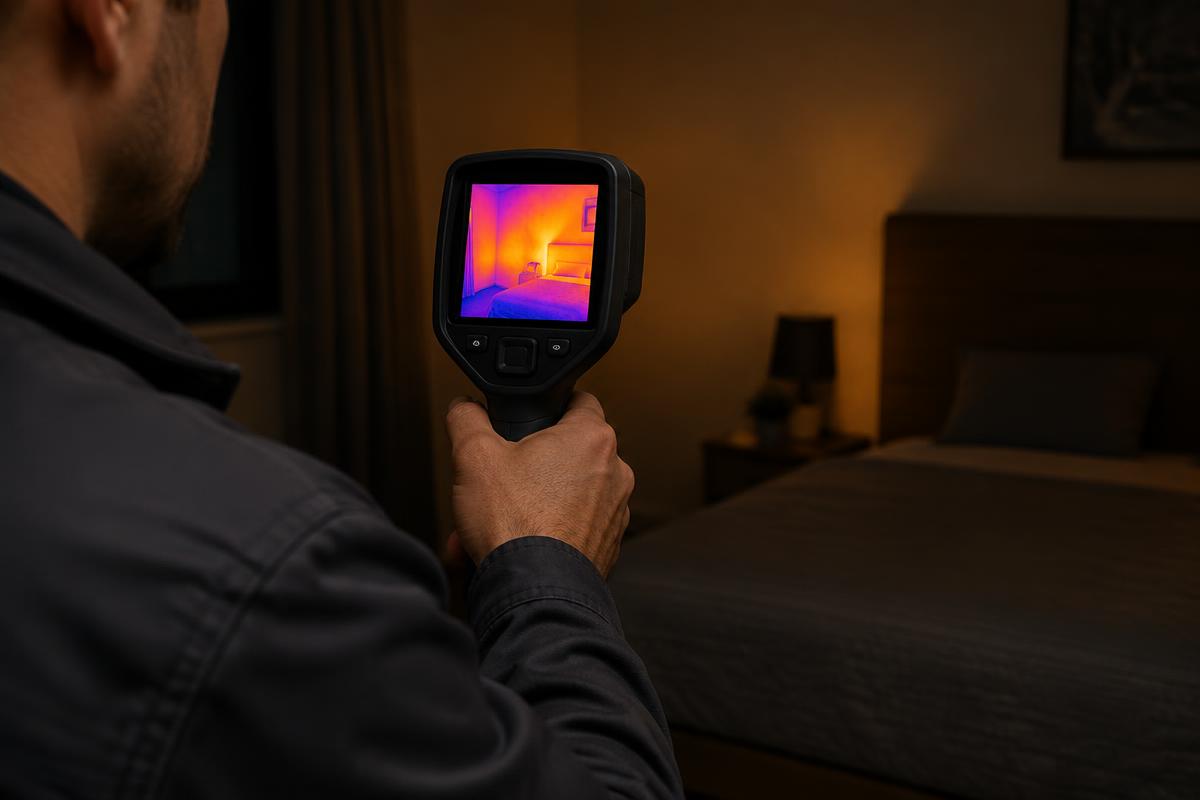
Monitoring uses active live thermal imaging cameras only. These help the treatment team observe surface heat patterns and identify areas requiring attention during the work. Thermal images need professional interpretation, particularly around dense contents and concealed spaces; they are not a reason to overlook access, preparation or the assessed scope of treatment.
Heat is our primary treatment, rather than harmful chemicals. Residents should not attempt to reproduce the process with domestic heaters, ovens or improvised equipment. Professional heat treatment involves controlled equipment use and property-specific planning. Any other products already applied in the home should be disclosed during assessment so the team understands the property's recent treatment history.
Preparing bedrooms and communal areas together
Preparation instructions should come from the treatment team and reflect the actual property. Generic advice to empty every room, discard mattresses or wash everything immediately can create unnecessary work and move insects around. Wait for a clear plan, then make sure each resident understands which tasks apply to their bedroom and which apply to shared areas.
Discuss heat-sensitive belongings before the appointment. Medicines, aerosols, certain electrical items, valuables and other materials may need specific handling, depending on the item and the treatment plan. Do not simply remove potentially affected possessions into a car, communal corridor or neighbouring flat. Ask how items should be checked, contained or managed without undermining the treatment.
Communal areas need an assigned owner for preparation tasks. A lounge, hallway or shared storage cupboard can be overlooked when everyone assumes someone else is responsible. The coordinator should confirm that access routes are clear and that agreed areas can be entered, while avoiding changes to furniture or contents that conflict with the team's instructions.
People and pets must remain out of the treatment area during treatment and until the team confirms it is safe to return. Raise any accessibility needs, care arrangements or difficulty finding somewhere suitable to wait before the booking is finalised. Advance discussion is particularly important where several households need to leave and return at different times.
- Distribute the same property-specific preparation guidance to every resident.
- Identify heat-sensitive items and ask how they should be handled.
- Agree who will prepare communal rooms and shared storage.
- Arrange authorised access to all areas within the treatment scope.
- Plan for residents and pets to remain outside the treatment area.
- Confirm that belongings will not be moved into unaffected spaces.
- Tell the team about previous sprays, powders or other treatments.
Planning treatment day around residents and access
A well-organised treatment day begins with an agreed contact who can answer practical questions. That person should know the property layout and be able to resolve access issues without repeatedly contacting several different people. Where an agent is attending instead of the landlord, confirm that they have the necessary keys and authority for the agreed work.
The heating period is usually 3–6 hours, but residents should not treat that range as an exact door-to-door absence time. Setup, checks and the conditions needed for safe return can affect arrangements. The team will explain what applies to the property, and residents should wait for explicit permission before re-entering the treatment area.
In shared buildings, keep common access routes usable and coordinate equipment access with the relevant property manager where needed. A treatment booking should not lead to residents storing bags or furniture in escape routes. Any constraints involving entrances, stairs, parking or neighbouring occupants are best discussed during assessment rather than discovered on arrival.
For coastal holiday lets and other short-stay properties, avoid scheduling guest arrivals around an assumed finishing time. Give the treatment and handover sufficient flexibility within the property's management plan. If a cleaner or caretaker will attend afterwards, ensure they receive the relevant instructions and know not to bring removed items back without following the agreed guidance.
Aftercare and the six-month guarantee
At handover, ask for clear aftercare instructions and share them with everyone occupying the treated property. These should explain any restrictions, how to handle belongings managed separately and what to do if further signs appear. A landlord's file is useful for records, but residents also need the information that affects their day-to-day use of the home.
Bed Bug Heat Solutions UK offers a six-month guarantee on qualifying treatments. Ask whether the proposed treatment qualifies and request the terms before authorising work. The scope, conditions and reporting requirements should be understood in advance rather than inferred from the word guarantee, particularly where some areas or belongings fall outside the agreed treatment.
If someone notices a suspected insect or new marks afterwards, record the location and date and contact the treatment team. Skin reactions alone are not a reliable measure of whether live bed bugs remain. Avoid immediately applying shop-bought products or moving furniture elsewhere, as this can complicate assessment and may conflict with aftercare instructions.
Shared households benefit from keeping one reporting route after treatment as well as before it. Residents should not feel they must establish the cause themselves before raising a concern. A prompt, factual report allows the team to advise on the next step and consider the evidence alongside the original treatment record and any relevant guarantee terms.
- Keep the treatment record and written aftercare guidance accessible.
- Confirm whether the treatment qualifies for the six-month guarantee.
- Share return and belongings-handling instructions with all residents.
- Record the date and location of any further suspected activity.
- Contact the treatment team before applying additional products.
- Use one agreed reporting route for the household.
Reducing the risk of problems between tenancies and stays
Changes of tenancy provide an opportunity to inspect beds and nearby furniture, review previous reports and address practical maintenance issues. However, an empty room is not proof that bed bugs have disappeared. If there has been suspected activity, seek an assessment before moving furnishings elsewhere or handing the room to a new occupant without investigating.
For furnished shared homes, keep a record of which items belong to the property and where they are normally located. This helps when assessing reports and reduces confusion if residents swap beds, sofas or storage furniture. Second-hand items should be checked carefully before introduction, while recognising that a quick visual check cannot rule out every concealed insect.
Short-stay operators can make reporting easier by giving guests and housekeeping staff a straightforward route to raise concerns. Record the affected rooms and relevant dates, and pass that information to the assessor. Avoid circulating guest details unnecessarily or making unsupported statements about who introduced the insects; the immediate task is to understand the property's condition.
No treatment can prevent every future introduction through luggage, furniture or other belongings. Sensible checks, early reporting and coordinated action remain useful after professional treatment. In shared housing, a non-judgemental approach is particularly important because residents who fear blame or unexpected costs may delay reporting signs that would otherwise prompt an earlier investigation.
Arranging a Suffolk assessment with Bed Bug Heat Solutions UK
When enquiring about a Suffolk property, explain whether it is a private tenancy, a shared house, a managed block or short-stay accommodation. Include the number of rooms involved in reports and a brief account of the signs found. Photographs, access details and information about occupied adjoining rooms can help make the initial discussion more useful.
Be clear about who owns or manages the property and who is authorised to approve work. Tenants can still raise concerns and gather information, but treatment arrangements need the appropriate permissions. Where several parties are involved, agreeing a single coordinator helps keep the assessment, preparation instructions and booking decisions consistent.
Bed Bug Heat Solutions UK brings over 40 years of hands-on pest-control experience and is fully insured and RSPH Level 2 certificated. We serve England and Wales using professional heat treatment, with active live thermal imaging cameras only for monitoring. The proposed arrangement is based on the property rather than a blanket assumption about rented homes.
For landlords, tenants and housemates, the most useful next step is a calm assessment supported by accurate information. Share what has been found, avoid unnecessary movement of belongings and agree how access will work. Contact Bed Bug Heat Solutions UK through the website to discuss the Suffolk property, treatment suitability and the terms that would apply.
Useful next steps
Frequently asked questions
Six-month guarantee
Qualifying treatments are covered for six months. Send your details for a free assessment.
More from the blog
How Long Does Bed Bug Heat Treatment Take?
Read the full guide: How Long Does Bed Bug Heat Treatment Take?