Surrey
Bed Bug Heat Treatment in Surrey: A Guide for Landlords, Tenants and Shared Homes
A practical guide to arranging bed bug heat treatment in Surrey rented properties, with clear advice for landlords, tenants and shared households.
25 October 20269 min read
40 years
In the trade
Four decades of hands-on bed bug experience
Fully insured
Every treatment
Comprehensive liability cover on all work
RSPH Level 2
Certificated
Royal Society for Public Health qualified
Key points
- Report suspected bed bugs early and coordinate access across the household.
- Agree the treatment area before moving belongings between rooms.
- Explain parking restrictions, stairs and equipment routes before attendance.
- Qualifying treatments include a six-month guarantee, subject to its terms.
Why rented homes in Surrey need a coordinated approach
Bed bugs can create practical difficulties in any home, but rented properties often involve more people in the decisions. A tenant may discover the first signs, a landlord may authorise treatment, and a managing agent may arrange access. Clear communication between everyone helps prevent delays and conflicting preparation instructions.
Surrey properties range from compact commuter flats to large detached homes. Some are occupied by one household, while others contain individually rented bedrooms and shared living spaces. The layout, occupancy and way belongings move through the property all matter when deciding what needs to be assessed and treated.
Bed bugs are not evidence of poor housekeeping. They can arrive with luggage, furniture or other belongings and remain unnoticed initially. Blaming a particular resident rarely helps establish where activity is present. A calm, factual approach makes it easier for people to report signs without worrying about embarrassment or criticism.
Bed Bug Heat Solutions UK provides professional heat treatment in Surrey as part of its coverage across England and Wales. For landlords, tenants and shared households, the aim is to establish a suitable treatment area, explain the preparation requirements and coordinate attendance around safe access to the property.
Recognising signs and reporting them without spreading belongings
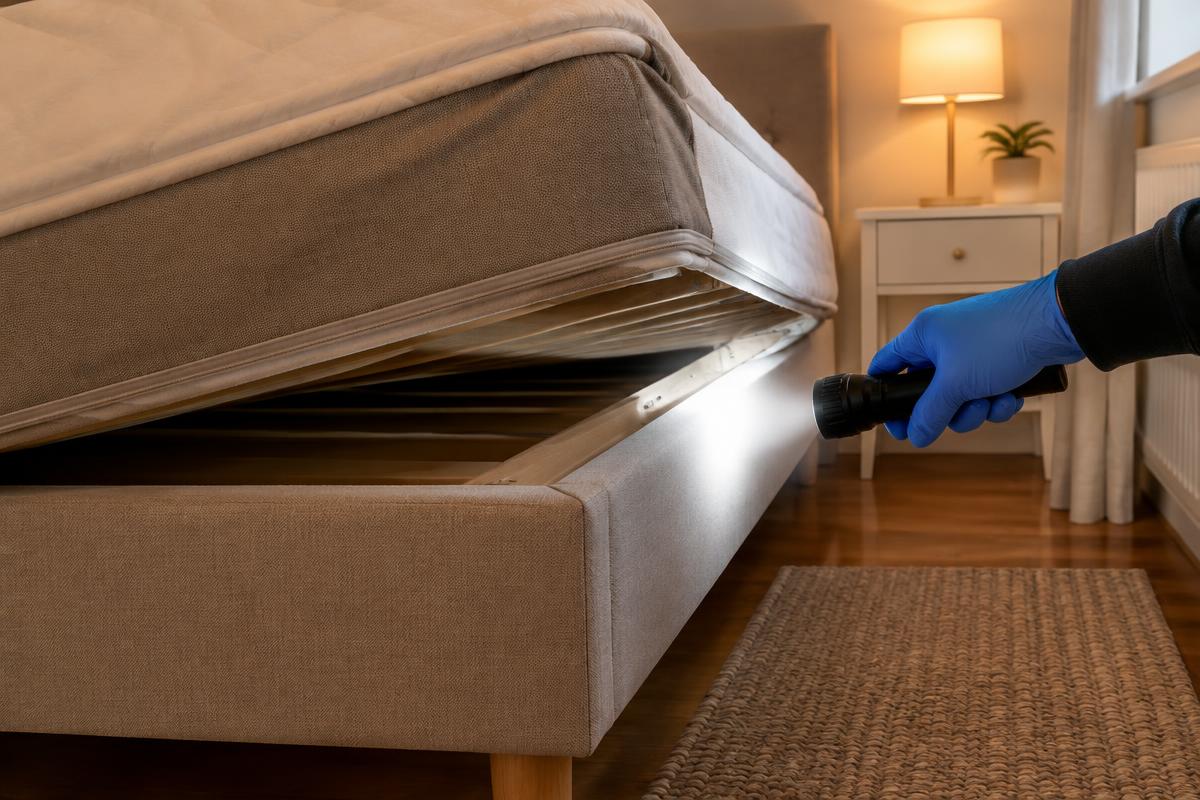
Possible signs include live insects, shed skins and dark spotting around mattress seams, bed frames or nearby furniture. Skin reactions alone cannot confirm bed bugs because other causes can look similar. Where possible, take clear photographs of insects and affected areas so the initial discussion is based on more than bites.
Tenants should report suspected activity promptly through the normal repair or property management channel. Include the rooms involved, when signs were first noticed and any previous treatment. In a shared house, residents should also tell the agreed household contact so reports from different bedrooms can be considered together.
Avoid moving bedding, mattresses or upholstered furniture into an unaffected room while waiting for advice. Moving to another bedroom or taking possessions to a friend's home can complicate the situation. Ask how to manage essential items rather than attempting a large clear-out before the treatment plan is agreed.
Landlords and agents should acknowledge the report and gather information without assuming who introduced the insects. Record what has been reported, which rooms need assessment and who can authorise the next step. Keep residents informed, but share only the personal information needed to organise access and treatment.
- Photograph visible insects and suspicious marks where practical.
- Record the rooms and furniture where signs have appeared.
- Tell the landlord or managing agent through the agreed reporting route.
- Mention any earlier pest treatments or products already applied.
- Avoid transferring untreated belongings between bedrooms or properties.
- Choose one contact to coordinate household updates.
Agreeing responsibilities between landlords and tenants
Responsibility for arranging or paying for bed bug treatment is not automatically the same in every tenancy. Relevant factors can include the tenancy terms, the circumstances of the infestation and applicable housing duties. A pest-control assessment can inform practical decisions, but it does not settle a legal dispute about liability.
A useful first step is to agree who will commission the assessment and who has authority to approve the proposed work. Put the access arrangements and immediate practical responsibilities in writing. This reduces the risk of a tenant believing the agent has booked treatment while the agent is waiting for landlord approval.
Tenants can help by reporting signs, following agreed preparation guidance and making rooms available through lawful access arrangements. Landlords and agents can help by communicating clearly, arranging any necessary property access and checking that every affected resident receives the same instructions. Neither side benefits from conflicting advice or last-minute assumptions.
Where payment or responsibility is disputed, seek independent advice from an appropriate housing adviser, Citizens Advice or the local council. Do not assume that a tenancy clause alone resolves every situation. In the meantime, discuss sensible containment and assessment steps so the disagreement does not leave residents without practical guidance.
Planning treatment across shared bedrooms and communal spaces
In shared housing, the bedroom with the first reported signs may not be the only area requiring attention. Bed bugs can hide around sleeping and resting places, including furniture used in communal rooms. Reports from each resident help identify the extent of the concern and guide the proposed treatment boundary.
Treating one room without considering the rest of the property can leave important questions unanswered. A suitable plan should consider neighbouring bedrooms, shared lounges and the movement of belongings. This does not mean every property needs an identical approach; the treatment scope should reflect its layout and the available evidence.
Properties divided into separate flats need particular care when discussing access and responsibility. A landlord or agent may need to coordinate with other occupiers or building management if there are concerns beyond one dwelling. Nobody should assume that booking treatment for a flat automatically includes communal areas or neighbouring homes.
Ask every resident to follow the same instructions on laundry, possessions and room access. One household member moving untreated bedding into a prepared room can undermine the agreed arrangements. A short written plan, circulated to everyone involved, is often more useful than several separate conversations passed between residents.
How professional heat treatment works
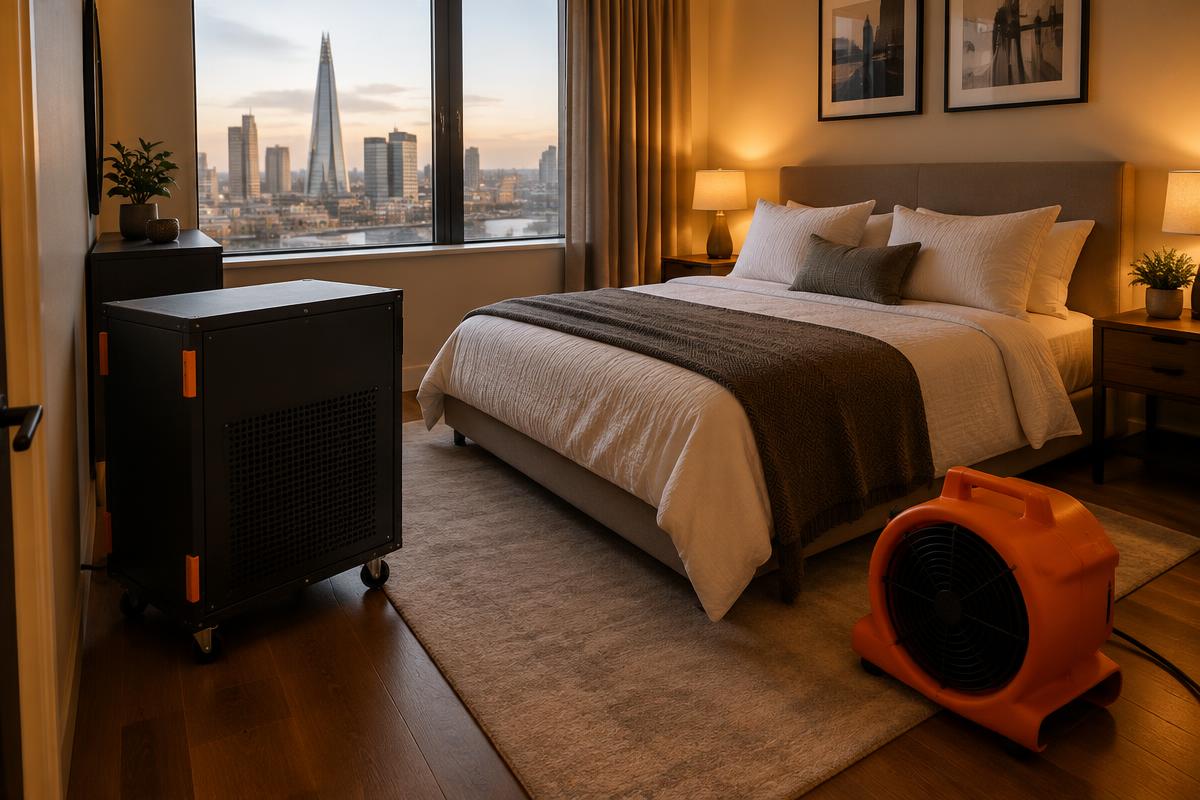
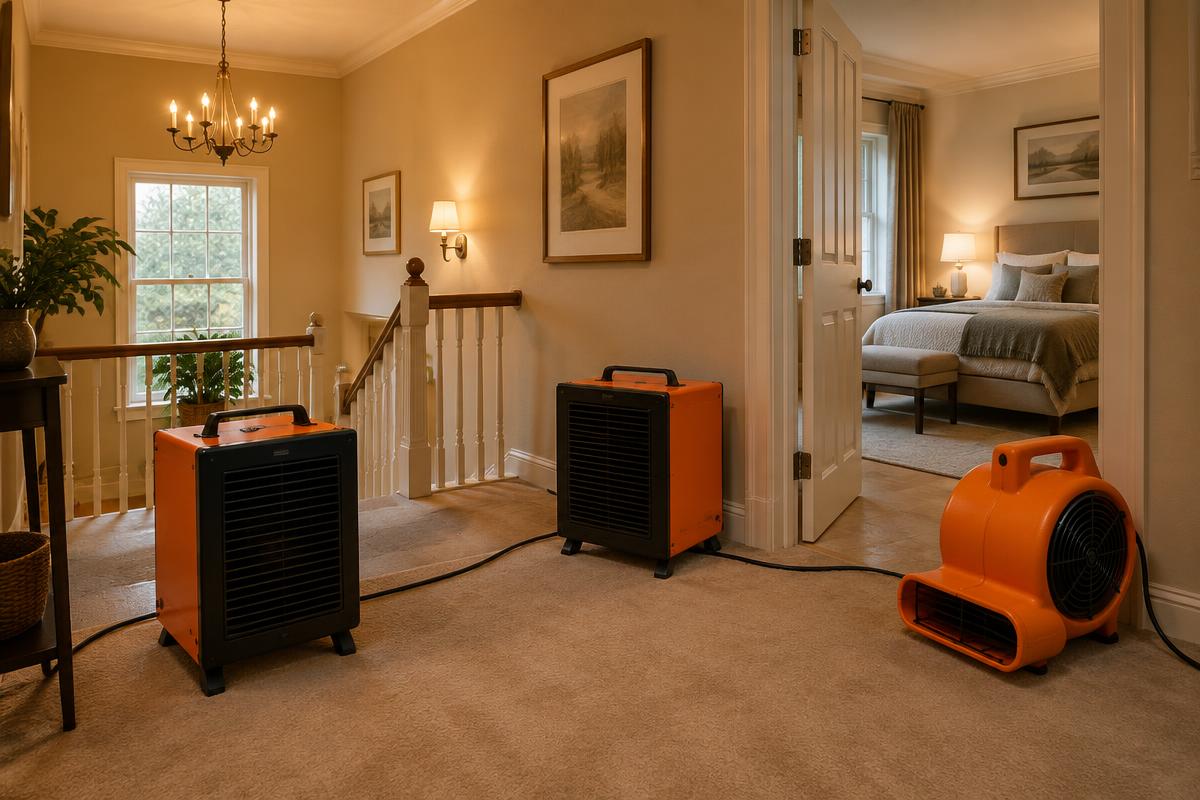
Bed Bug Heat Solutions UK uses controlled industrial heat of 60–65 degrees C across the whole treatment area. The purpose is to expose bed bugs and their eggs to lethal heat within the agreed zone. Professional planning is important because room layout, furniture and the amount of material present influence how heat moves.
The heating period is usually three to six hours. That is not a promise that the entire appointment, including equipment setup and the arrangements for safe return, will fit within that window. Property size, access and treatment requirements should be discussed before residents make plans based on a particular finishing time.
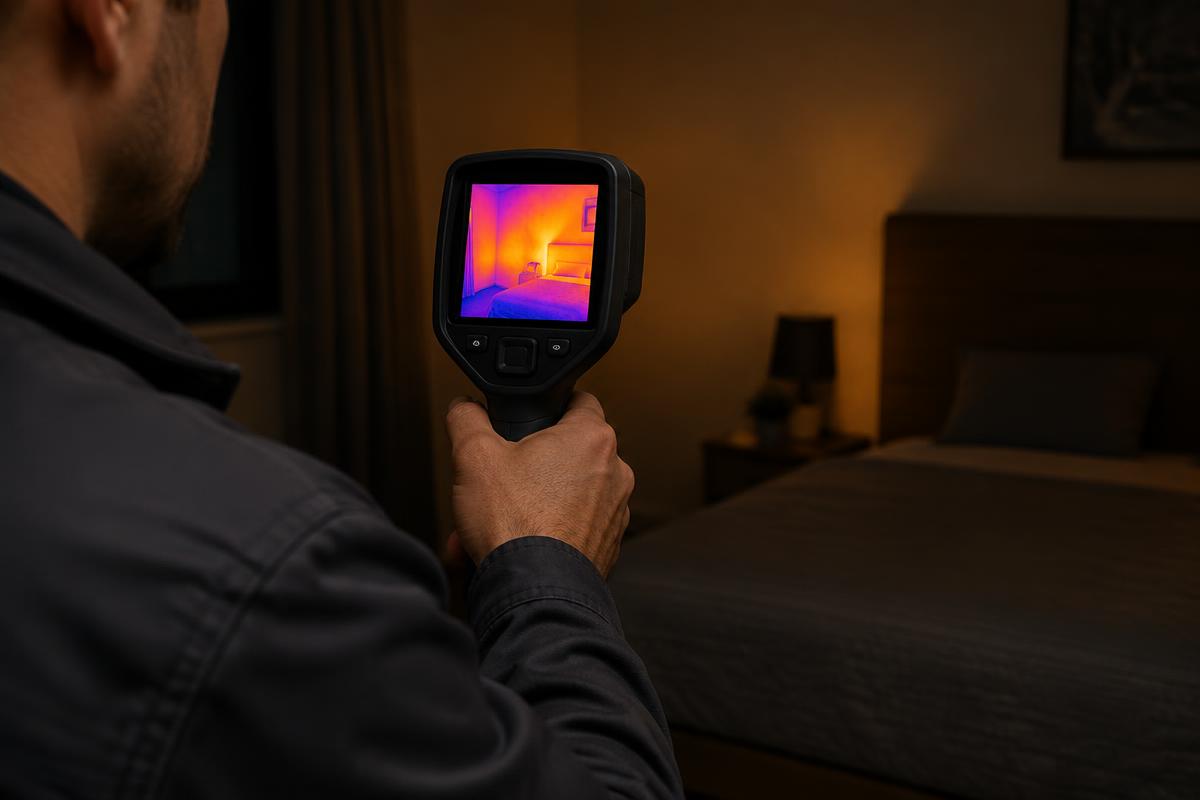
Monitoring uses active live thermal imaging cameras only. These allow the treatment team to view surface heat patterns during the process and identify areas needing attention. Thermal imaging does not see through solid furniture or walls, so careful preparation, equipment placement and professional judgement remain important parts of the treatment.
No harmful chemicals are used as the primary treatment. This heat-led approach still requires residents to follow safety instructions, remove unsuitable items as directed and stay outside the treatment area. Industrial heat treatment is not something to imitate with household heaters, which cannot provide an equivalent controlled process and may create serious hazards.
Surrey access details that affect the treatment plan
The route from the vehicle to the treatment area matters as well as the floor plan inside. A compact flat reached by several staircases presents different practical considerations from a detached house with direct ground-floor access. Tell the team about narrow entrances, shared corridors and any restrictions on moving equipment through the building.
Parking should be discussed before attendance, especially where the property is on a private road or within a permit-controlled area. Explain whether a visitor permit is available and whether loading restrictions apply. Do not assume equipment can simply be carried from a distant public parking space without affecting the plan.
Room volume also needs consideration. Large open-plan areas, high ceilings and basement rooms can affect the equipment requirement and how a safe treatment zone is established. Accurate descriptions and useful photographs help the team understand the property, although further clarification may still be needed before the scope is confirmed.
In shared buildings, access arrangements must not compromise other residents' safety or obstruct essential escape routes. Tell the team about building management requirements and any restrictions affecting communal spaces. Discuss these details early rather than leaving the attending team to discover locked gates, inaccessible entrances or unexpected equipment routes.
- Explain whether the address is on a private road.
- Describe permit parking, loading restrictions and available vehicle access.
- Identify stairs, narrow doorways and long equipment routes.
- Mention basement rooms, high ceilings and large open-plan areas.
- Provide relevant information about shared entrances and communal corridors.
- Check whether building management needs to approve access arrangements.
Preparing belongings without creating extra problems
Preparation should follow the instructions supplied for the particular property. Do not rely on a generic online checklist or assume that everything must be removed. Taking large quantities of untreated belongings out of the treatment area can move bed bugs elsewhere and make it harder to manage the original problem.
The team will need to know about items that may be damaged by heat or require special handling. These can include medicines, aerosols, batteries, certain electronics, delicate materials and valuable objects. Ask for specific guidance rather than deciding that an item is safe simply because it normally sits in a warm room.
Laundry needs a clear handling plan, particularly where several residents share a washing machine. Where instructed, contain items before carrying them through the property and follow suitable washing or drying guidance for the fabric. Keep prepared items separate from untreated possessions and avoid placing clean laundry back into an unprepared storage area.
Furniture should not be discarded automatically. Removing a mattress may not address insects hiding elsewhere, and carrying it through shared areas can create additional concerns. Discuss furniture movement, storage spaces and access around beds with the treatment team. Residents with mobility limitations should explain any preparation tasks they cannot safely manage.
- Read the property-specific preparation instructions before moving items.
- Declare heat-sensitive belongings and ask how they should be handled.
- Agree a contained route for laundry where movement is necessary.
- Keep prepared laundry separate from untreated possessions.
- Ask before moving or disposing of beds, mattresses or upholstered furniture.
- Arrange help with preparation tasks that residents cannot safely complete.
Organising residents and access on treatment day
Every resident needs to understand when the treatment area must be vacated and how they will receive permission to return. People and pets must remain outside the treatment zone during the process. Discuss aquariums and any other animal accommodation in advance rather than assuming they can stay in place.
Shared households should agree who will meet the team, provide authorised access and answer questions about the property. Access to individually rented bedrooms must be organised appropriately; possession of a building key does not remove the need for lawful arrangements. Check that the nominated contact can be reached while residents are away.
Tell the team about access needs or circumstances that affect the household's ability to leave. These might include restricted mobility, home-working commitments or the need to collect essential medication beforehand. Early discussion helps residents make suitable arrangements without expecting staff to resolve accommodation or care needs on arrival.
Do not enter the treatment zone to retrieve a forgotten item or interrupt the process without speaking to the team. The heating period is only one part of the visit, and return must follow the team's instructions. Avoid making firm evening plans that depend on an assumed completion or re-entry time.
Aftercare, reporting concerns and understanding the guarantee
Once return has been authorised, follow the aftercare instructions provided for the property. Ask before bringing back items that were removed or returning possessions from storage. Belongings that were outside the agreed treatment area should not automatically be regarded as treated, particularly if they may have been exposed beforehand.
Keep a simple record of any later concerns, including dates, locations and photographs where possible. Skin irritation alone is not a reliable way to judge treatment results, as reactions can have other causes or appear after an earlier bite. Report evidence to the treatment provider rather than immediately applying additional products.
Bed Bug Heat Solutions UK offers a six-month guarantee on qualifying treatments. Ask which treatments qualify and request the terms before booking. The agreed scope, preparation requirements and any conditions should be clear, including how to report suspected activity and what the guarantee provides if a concern is raised.
A guarantee should not be understood as protection against every future introduction of bed bugs. Shared households still benefit from coordinated aftercare and sensible precautions with luggage and second-hand furniture. Landlords and agents should retain the treatment paperwork so a change of resident or property manager does not lose important information.
Arranging bed bug heat treatment for a Surrey rental property
When making an enquiry, explain whether you are the tenant, landlord, managing agent or household representative. Describe the property type, the number of rooms involved and the signs you have found. Include any previous treatment and whether residents have moved belongings or changed sleeping rooms since noticing the problem.
Provide access information alongside the infestation details. Staircases, room volume, parking and long equipment routes all affect planning, so mention them before attendance. Let the team know about private roads, permit parking, basement rooms and large open-plan areas so the equipment requirement can be considered in advance.
Bed Bug Heat Solutions UK brings over 40 years of hands-on pest-control experience to its work. The company is fully insured and RSPH Level 2 certificated, serving customers across England and Wales. Ask about the proposed treatment scope, preparation, household arrangements and guarantee eligibility so everyone understands what is being commissioned.
For Surrey landlords and tenants, a well-organised response starts with shared information rather than assumptions about blame. Report the signs, agree who can authorise work and keep residents involved in preparation. Contact Bed Bug Heat Solutions UK to discuss the property and the practical requirements for professional heat treatment.
Useful next steps
Frequently asked questions
Six-month guarantee
Qualifying treatments are covered for six months. Send your details for a free assessment.
More from the blog
How Long Does Bed Bug Heat Treatment Take?
Read the full guide: How Long Does Bed Bug Heat Treatment Take?