Sussex
Preparing Your Property for Bed Bug Heat Treatment in Sussex
A practical guide to preparing Sussex homes, student housing and guest accommodation for professional bed bug heat treatment.
17 October 20269 min read
40 years
In the trade
Four decades of hands-on bed bug experience
Fully insured
Every treatment
Comprehensive liability cover on all work
RSPH Level 2
Certificated
Royal Society for Public Health qualified
Key points
- Agree the treatment area before moving belongings.
- Share room history, including changes of sleeping location.
- Plan safe equipment access, parking and time away.
- Follow property-specific preparation and return instructions.
Why correct preparation matters
Preparing for bed bug heat treatment is not simply a matter of cleaning a bedroom. The aim is to give the treatment team safe access, allow heat to circulate through the agreed area and avoid carrying bed bugs into other rooms. A clear plan makes those tasks easier without creating unnecessary work for you.
At Bed Bug Heat Solutions UK, we use controlled industrial heat of 60-65 degrees C across the whole treatment area. The heating period is usually 3-6 hours, although this is not the same as the total time needed for access, setup, treatment and safe return. Your arrangements should follow the instructions supplied for your property.
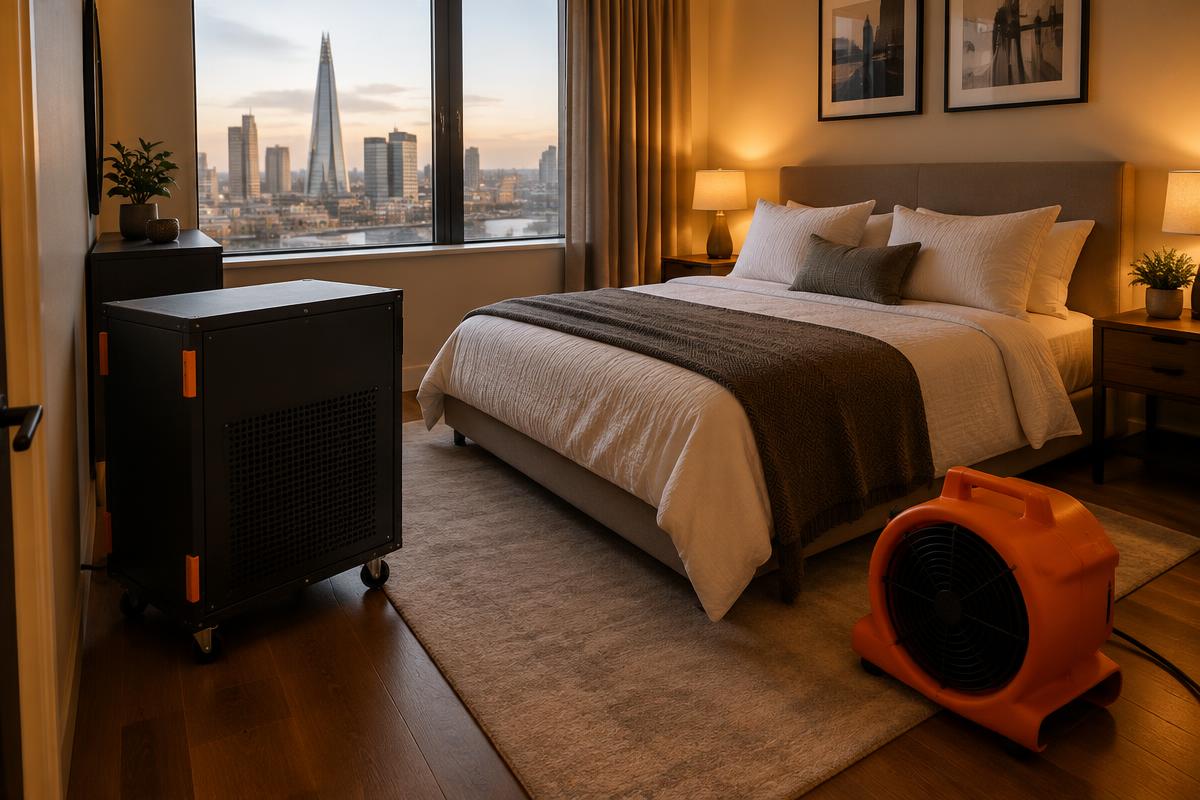
Sussex properties vary considerably. A coastal guesthouse may have occupied rooms beside the affected bedroom, while a city apartment may involve shared entrances and restricted parking. Student housing requires coordination between residents, and a rural home may have a long approach or limited loading space. Preparation needs to reflect those differences.
Use this guide as a starting point rather than a substitute for your treatment instructions. We assess each property from the details provided, so accurate information is important. If you cannot complete a task, or are unsure whether something should stay in the treatment area, ask before changing the room.
Provide a clear account of the problem
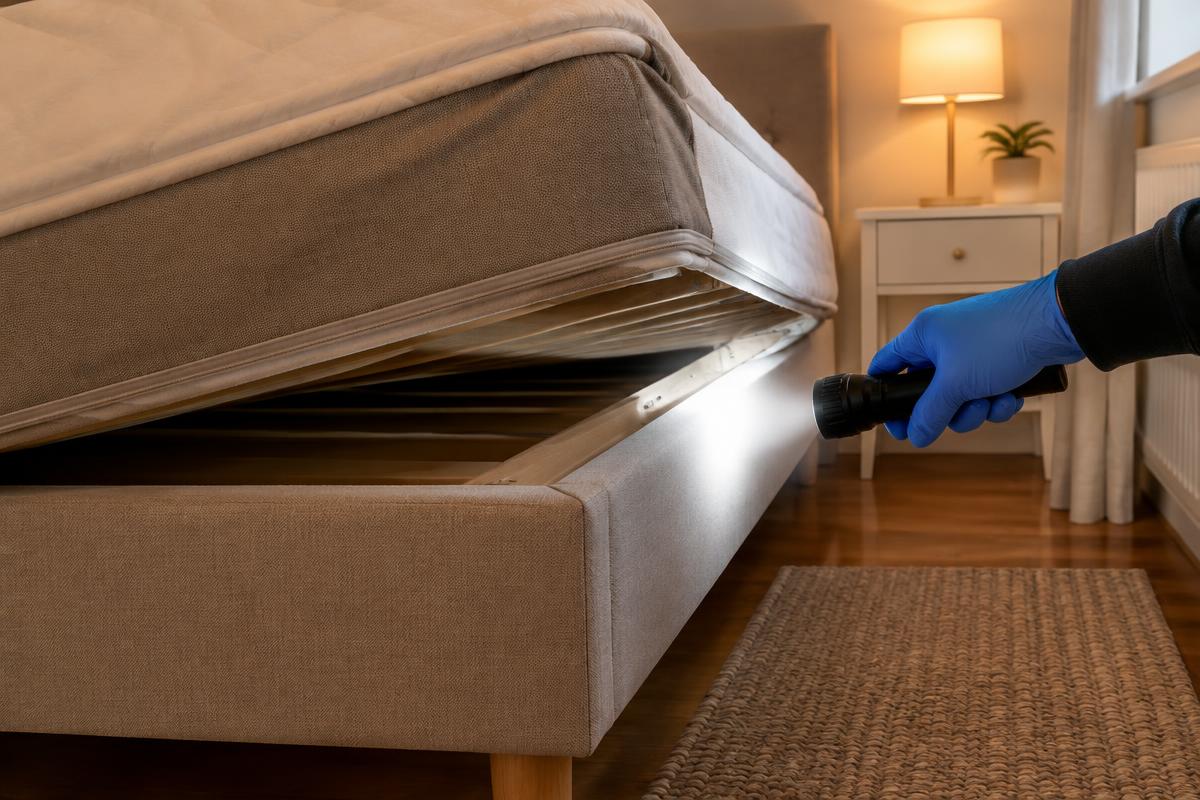
Start by explaining where signs of bed bugs have been found and when they were first noticed. Describe the rooms involved, the beds or furniture affected and any evidence you can safely photograph. Skin marks alone do not confirm bed bugs, so include sightings, shed skins or marks on bedding where available.
Tell us whether anyone has changed sleeping location since the problem began. Moving from a bedroom to a sofa or another bed can change the areas that need assessment. The same applies if bedding, suitcases, clothing or furniture have been carried elsewhere. This information helps planning; it is not a reason to feel embarrassed.
Include details of any previous pest-control work, household sprays or other products used. Give the product name and approximate application date if you know them. Do not apply further products before treatment unless specifically advised. Unplanned spraying can complicate preparation and introduce avoidable exposure without resolving the underlying problem.
Describe the layout as well as the infestation history. Mention adjoining bedrooms, fitted storage, rooms above or below the affected area and any shared accommodation arrangements. Explain whether access depends on a landlord, managing agent or reception team. A complete account helps establish the treatment scope before belongings are disturbed.
- Record where bed bugs or other signs have been seen.
- Note when the first signs appeared.
- Explain any changes of sleeping room or bed.
- Identify belongings moved out of affected rooms.
- List previous treatments and products used.
- Provide a simple description of the property layout.
Keep belongings contained while preparing
A common preparation mistake is emptying an affected bedroom into an untreated room. Although this creates floor space, it can also move bed bugs with the contents. Do not transfer bedding, clothes, bags or small furniture between rooms unless the preparation plan specifically tells you how to handle them.
Some possessions may need to remain in the treatment area, while others require removal because they are unsuitable for heat exposure. Those decisions must be coordinated. Removing an item without considering whether it could harbour bed bugs may create a route for reintroduction after treatment, even when the room itself has been treated correctly.
Where instructions require potentially affected items to be moved, follow the agreed containment method and destination. Suitable sealed bags or containers can help prevent loose items being carried through shared areas uncovered. Do not reopen contained belongings in another bedroom or pack them into a car without guidance on their next step.
Avoid automatically throwing away mattresses, bed frames or upholstered furniture. Disposal is not always necessary, and carrying exposed items through a building can spread the problem. If an item genuinely needs to leave the property, agree a contained removal route and suitable disposal arrangements rather than leaving it in a hallway.
Create safe access without stripping the room
The treatment team needs room to bring in equipment and work safely. Clear the agreed routes through entrances, corridors and stairs, keeping fire exits unobstructed. Concentrate on obvious trip hazards and accessible floor space rather than undertaking a complete room clearance that shifts the infestation into other areas.
Explain where furniture is heavy, fixed in place or difficult to move. Fitted wardrobes, storage beds and densely packed cupboards can affect preparation and heat circulation. Do not dismantle furniture, lift flooring or pull apart fitted units without instructions. Unnecessary disruption can damage the property and make an otherwise straightforward setup more difficult.
Avoid leaving piles of loose laundry, tightly packed bags or mixed possessions across the floor. Tell the team about these items before the appointment so their handling can be agreed. Instructions may differ according to the contents and treatment scope, so do not assume every drawer must be emptied or every wardrobe cleared.
Report damaged sockets, unstable furniture, leaks and other known hazards in advance. Do not alter electrical fittings or interfere with alarms and other safety systems. Where building-management involvement is needed, arrange it beforehand so the treatment team can follow the correct procedures without relying on improvised access or last-minute decisions.
- Clear the agreed equipment route and working space.
- Keep exits and shared escape routes unobstructed.
- Identify heavy furniture and fitted storage.
- Explain where belongings are densely packed.
- Report known electrical or structural hazards.
- Arrange any required building-management access.
Identify heat-sensitive items and plan for people and pets
Before treatment, flag anything that may be affected by elevated temperatures. Examples include medicines, aerosols, pressurised containers, candles, certain cosmetics and valuable or delicate possessions. This is not an exhaustive removal list. The appropriate decision depends on the item, its storage requirements and the treatment instructions supplied for your property.
Discuss electronics, batteries, musical instruments, artwork and specialist equipment rather than assuming they are either safe to leave or must all be removed. Manufacturer guidance may be relevant. If an item is unsuitable for the treatment area, its removal also needs to account for any possibility that bed bugs are present on it.
Make arrangements for residents, visitors and pets to remain outside the treatment area until authorised to return. Tell us about aquariums, vivariums, houseplants and any animal-care equipment before the visit. These require advance planning and should not be dealt with by simply moving them into a nearby room without agreement.
Prepare the essentials you will need while away, including medication, keys and necessary care items. Take only what is required and follow advice on handling possessions from affected rooms. If someone has limited mobility, health needs or difficulty leaving the property, explain this early so practical arrangements can be discussed.
Prepare bedding, clothing and laundry carefully
Laundry can become a source of unnecessary movement during preparation. Do not strip every bed and carry uncovered linen around the property unless instructed to do so. First establish which bedding should remain for treatment and which items, if any, need a separate laundering process as part of the agreed plan.
If laundering is advised, follow the fabric care label and the specific instructions provided for handling affected textiles. A routine cool wash should not be assumed to resolve an infestation. Keep the process organised from collection through washing, drying and storage so that handled items are not mixed back into potentially affected belongings.
Shared laundry rooms need particular care in student buildings, apartment developments and guest accommodation. Avoid sorting suspect bedding on communal tables or leaving open bags beside machines. Discuss a suitable route and handling method in advance, especially where other residents or housekeeping staff will be using the same facilities.
After any agreed laundering, use clean containment and follow the instructions on where items should be stored. There is little benefit in carefully processing bedding and then returning it to an untreated storage space. Likewise, do not bring bags of belongings back into a treated room until their status and handling are clear.
Coordinate Sussex guest accommodation and student housing
For coastal guest accommodation, provide the affected room history rather than only the current room number. Explain when concerns were reported, whether the room has remained in use and whether beds or furnishings have changed. Include any moves to neighbouring rooms, particularly where guests took luggage or bedding with them.
Room changes do not automatically mean every nearby room requires treatment, but they are relevant to assessment. Tell us which alternative rooms were used and whether staff moved spare bedding, folding beds or upholstered items between them. Avoid relocating guests and their exposed belongings again without first considering how to limit further spread.
Housekeeping teams need one consistent set of instructions. Nominate a person to coordinate room access, linen handling, maintenance information and communication with the treatment team. Staff should know which rooms are within the agreed treatment area and should avoid clearing or resetting them using normal turnaround procedures before guidance is received.
Student housing presents similar coordination challenges, especially when bedrooms are privately used but kitchens, lounges and corridors are shared. Ask residents to report signs and disclose changes of sleeping location without blame. Landlords or managers should arrange permissions and communicate preparation duties clearly, rather than leaving each resident to make separate assumptions.
Arrange equipment access for apartments and rural homes
For Sussex city apartments, explain how the team will reach the property from the parking or loading area. Mention entry systems, stairs, lift availability, narrow corridors and any restrictions imposed by the building manager. A convenient address does not necessarily mean equipment can be unloaded close to the entrance.
Check whether parking permits, loading permissions or booked access are required. Do not promise a space that belongs to another resident or assume a communal entrance can be held open indefinitely. If there are limits on lift use or contractor attendance, share them before the appointment so the access plan can be reviewed.
For rural homes, describe the approach road, gates, surface conditions and distance between the vehicle parking position and the entrance. Long gravel paths, steps, low branches or narrow gateways may affect equipment loading and movement. Provide photographs or measurements where requested rather than relying on a general description such as easy access.
Keep the agreed unloading location available and arrange for gates to be unlocked when needed. Tell us about livestock, loose dogs, delivery traffic or other activity along the access route. Equipment movement should not block emergency access or force the team to use an unsafe path across the property.
- Confirm the practical parking and unloading position.
- Describe stairs, lifts, gates and narrow access points.
- Check permits and building access restrictions.
- Explain rural track surfaces and loading distances.
- Arrange keys, entry codes and an authorised contact.
- Keep the agreed route clear of vehicles and obstacles.
Understand what happens on treatment day
Before work begins, the team needs to confirm that preparation matches the agreed plan and that the treatment area is accessible. Let them know about any changes since your initial discussion, including newly affected rooms, additional belongings or recent guest movements. Do not leave important changes until after equipment has been set up.
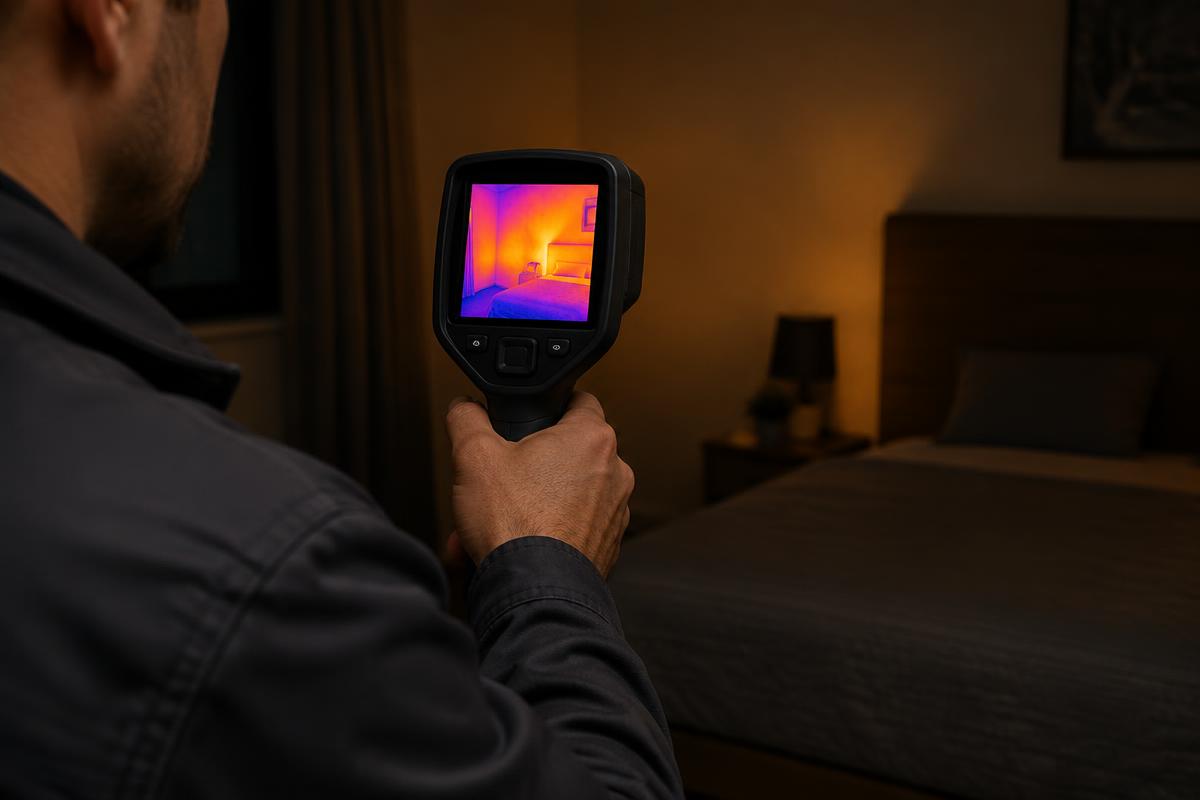
Our primary treatment uses controlled industrial heat of 60-65 degrees C across the whole treatment area, without harmful chemicals as the primary treatment. Monitoring uses active live thermal imaging cameras only. The team manages the heating process; household heaters and improvised attempts to reproduce professional treatment are not a safe alternative.
The heating period is usually 3-6 hours, but residents and accommodation managers should allow for the wider visit and subsequent return instructions. Setup, property conditions and the arrangements needed before re-entry are separate considerations. Avoid scheduling a guest arrival or essential appointment around an assumed finish time.
Once treatment is underway, do not enter the treatment area, adjust equipment or open doors and windows unless directed by the team. Keep an agreed contact available for questions, but remain outside the restricted area. Safe return depends on authorisation from the team, not simply on the expected heating period having elapsed.
Return safely and follow the aftercare plan
Return only when advised that it is safe, and follow the instructions given for the property. Do not immediately unpack every bag or bring back items that were excluded from treatment. Their handling remains part of the overall plan, particularly if they were removed from an affected room before the visit.
Ask what cleaning and room-resetting work is appropriate after treatment. Guest accommodation managers should pass the same guidance to housekeeping and maintenance staff so that rooms are not returned to use through conflicting routines. Keep a record of the treatment area and any separately handled belongings for future reference.
If you notice possible signs afterwards, record where and when they appeared and contact the company for advice. Photographs can help explain what you have found. Avoid making an immediate judgement from skin marks alone or applying additional products without discussion, as doing so can make subsequent assessment less straightforward.
Bed Bug Heat Solutions UK serves England and Wales, including Sussex. We bring over 40 years of hands-on pest-control experience, are fully insured and hold RSPH Level 2 certification. A six-month guarantee is available on qualifying treatments. Ask about eligibility, terms and preparation requirements when discussing your property so you understand what applies.
Useful next steps
Frequently asked questions
Six-month guarantee
Qualifying treatments are covered for six months. Send your details for a free assessment.
More from the blog
How Long Does Bed Bug Heat Treatment Take?
Read the full guide: How Long Does Bed Bug Heat Treatment Take?