West Midlands
Bed Bug Heat Treatment in West Midlands: A Guide for Landlords, Tenants and Shared Housing
A practical guide to planning bed bug heat treatment in West Midlands rental homes, converted flats and shared housing.
4 October 202610 min read
40 years
In the trade
Four decades of hands-on bed bug experience
Fully insured
Every treatment
Comprehensive liability cover on all work
RSPH Level 2
Certificated
Royal Society for Public Health qualified
Key points
- Agree the treatment area using a clear infestation history.
- Coordinate preparation and access across shared accommodation.
- Confirm loading, floor level and lift access before booking.
- Check eligibility and conditions for the six-month guarantee.
Why shared housing needs a coordinated approach
Bed bugs in a rented home can quickly become a concern for more than one household. Across the West Midlands, dense urban housing, converted flats and houses in multiple occupation can place bedrooms and living spaces close together. When people share accommodation or move belongings between rooms, deciding where treatment is needed requires more care than simply identifying the first bed where someone noticed a problem.
An infestation is not evidence that a tenant keeps an untidy or dirty home. Bed bugs can arrive with luggage, furniture or other belongings, and their presence may go unnoticed at first. Blame makes it harder to collect useful information. A calm discussion about sightings, affected rooms and recent movements is usually more helpful than trying to establish who introduced them.
For landlords and managing agents, the priority is to establish a workable plan with the people living in the property. Tenants need to know what will happen, what preparation is required and when they must leave the treatment area. In a shared house, those arrangements should cover everyone affected rather than relying on one resident to pass messages around.
Bed Bug Heat Solutions UK provides professional bed bug heat treatment across England and Wales, including the West Midlands. Our approach combines controlled industrial heat with practical planning for the property concerned. In shared accommodation, that planning includes looking at the infestation history, the relationship between rooms and the access needed to bring commercial equipment into the building safely.
Build an infestation history before deciding the scope
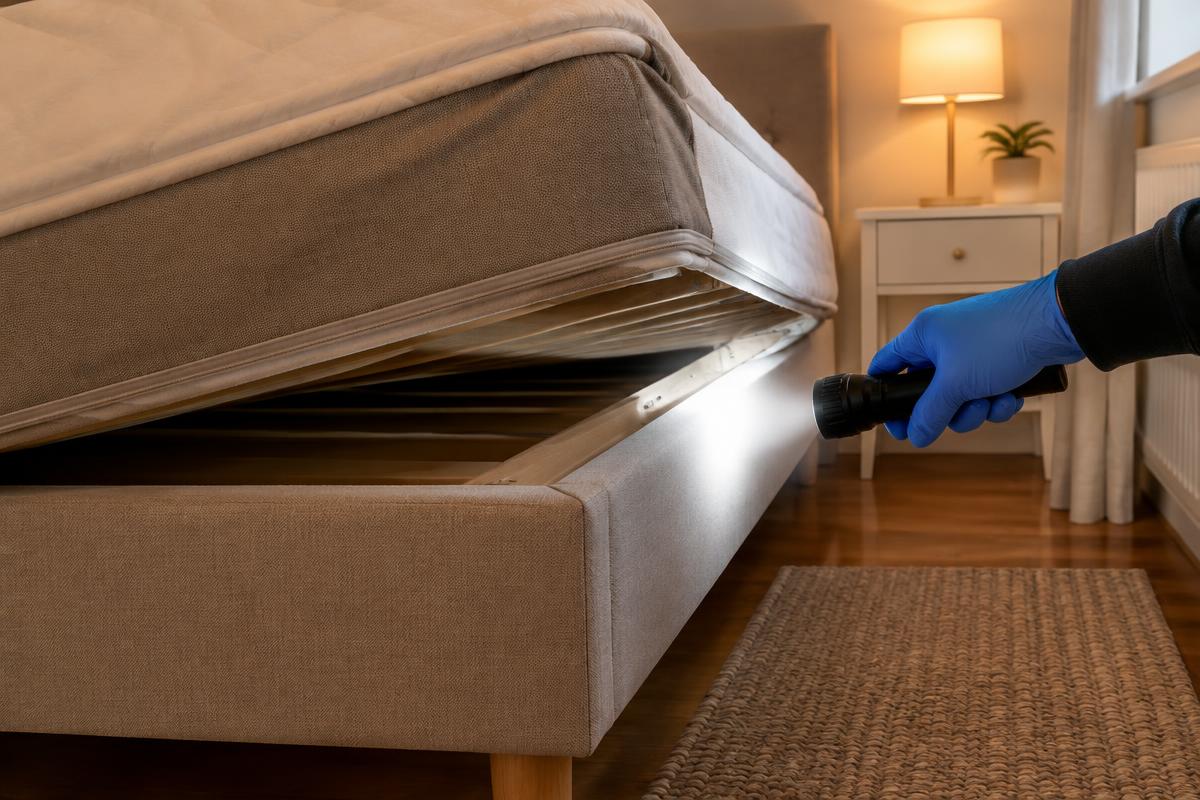
A clear infestation history helps define the correct treatment area. Start with the earliest known signs and work forwards, noting where live insects, dark spotting or other possible evidence have been found. Skin reactions alone cannot reliably confirm bed bugs, because other causes can look similar. Where possible, provide clear photographs or retain a specimen safely for professional identification.
Explain which bedrooms are occupied, which are temporarily empty and whether anyone has changed sleeping locations since the problem began. Moving from an affected bedroom to a sofa or another room can complicate the picture. The same applies when bedding, clothing or furniture has been taken into shared spaces or stored in another tenant's room.
Previous treatment matters too. Tell the treatment team about any shop-bought products, professional visits or attempts to heat individual items. Include approximate dates and the rooms involved, even if the details are incomplete. This information is not collected to criticise earlier decisions. It helps the team understand why signs may be concentrated in some places while appearing less obvious elsewhere.
In converted flats and HMOs, the room with the most visible activity may not tell the whole story. Adjoining rooms, shared areas and relevant neighbouring accommodation may need assessment before the treatment scope is agreed. This does not mean every property automatically needs the same approach. It means the decision should follow the evidence and layout rather than an assumption about where the infestation ends.
- Record the earliest known sighting and its location.
- Note all rooms with suspected or confirmed activity.
- Explain any changes in sleeping arrangements.
- Describe movements of furniture, bedding and luggage.
- Provide details of previous pest-control attempts.
- Identify adjoining rooms and shared living spaces.
Agree responsibilities without delaying useful action
Questions about who should arrange or pay for treatment can cause understandable tension. In rented housing, responsibility can depend on the circumstances, the tenancy terms and relevant legal duties. It is not safe to assume that the tenant must always pay, or that the landlord is automatically responsible in every case. Establish the facts before making claims about liability.
Tenants should report suspected bed bugs promptly through the usual landlord or managing-agent contact route. A written report creates a useful record and should describe the evidence, the affected rooms and when the signs were first noticed. Landlords should acknowledge the concern and explain how identification, assessment and any necessary treatment decisions will be handled.
Where responsibility is disputed, obtain appropriate housing or legal advice rather than treating general pest-control information as a legal ruling. Tenants may wish to speak to Citizens Advice or their local council's housing team. Meanwhile, sensible containment and information gathering can continue. Avoid letting a disagreement lead to unplanned furniture movements or repeated treatment attempts by different occupants.
Appoint one main contact to coordinate the booking, but make sure every affected tenant receives the relevant instructions directly. Agree who can authorise the work, who will arrange access and who will answer questions about preparation. Any access arrangements should respect applicable notice requirements and residents' privacy. Clear written responsibilities reduce confusion on the treatment day.
How professional bed bug heat treatment works
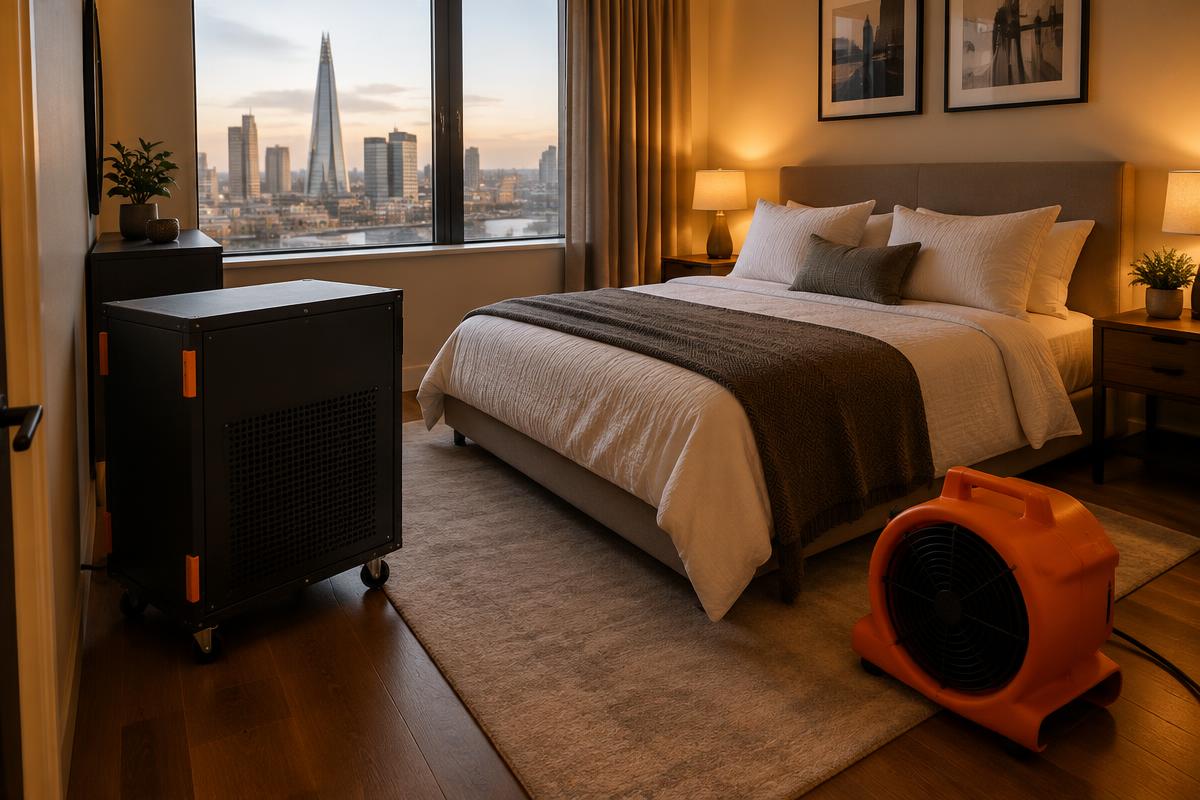
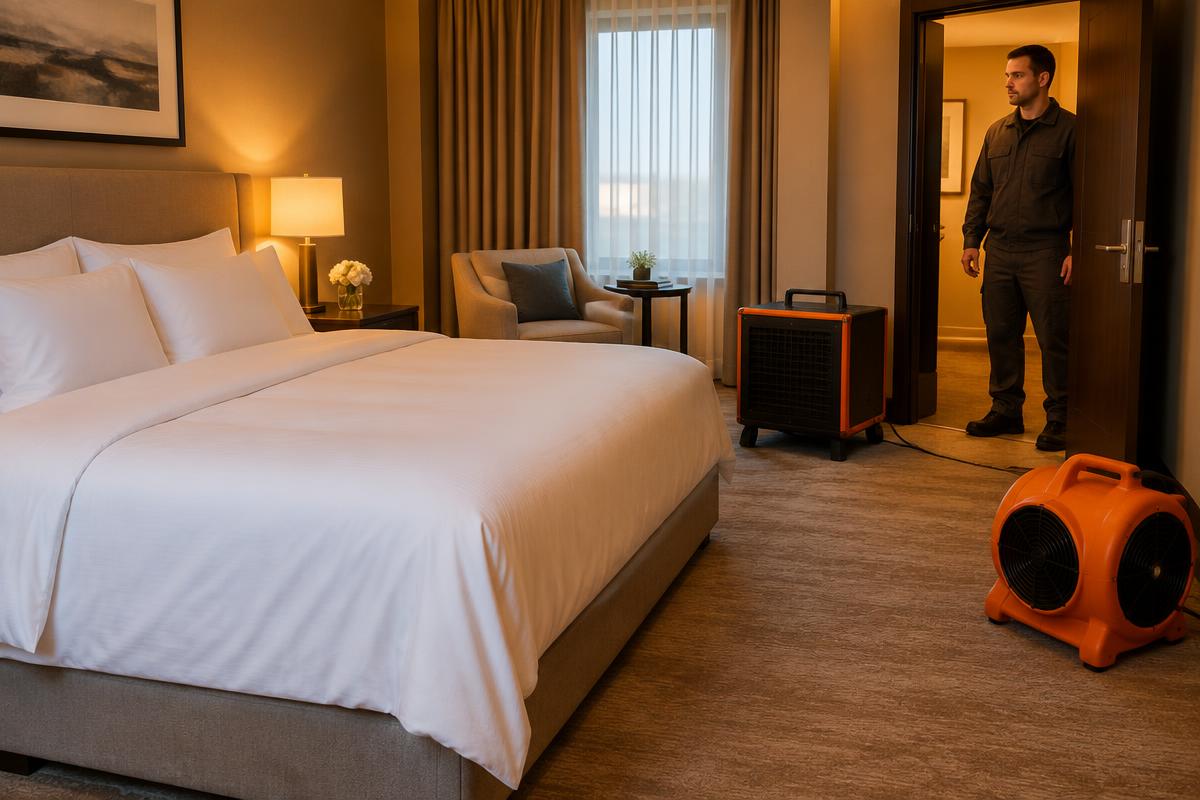
Bed Bug Heat Solutions UK uses controlled industrial heat of 60–65°C across the whole treatment area. The aim is to address bed bugs and their eggs within the agreed scope, including the places where they hide. This is a professional process requiring planning and equipment, not something that can be reproduced safely with domestic heaters or improvised heating methods.
The heating period is usually 3–6 hours. That is a guide to the heating stage, not a promise that the entire appointment or time away from the property will fit into that window. Equipment setup, property conditions, the agreed treatment area and the steps needed before safe re-entry all affect the practical arrangements for residents.
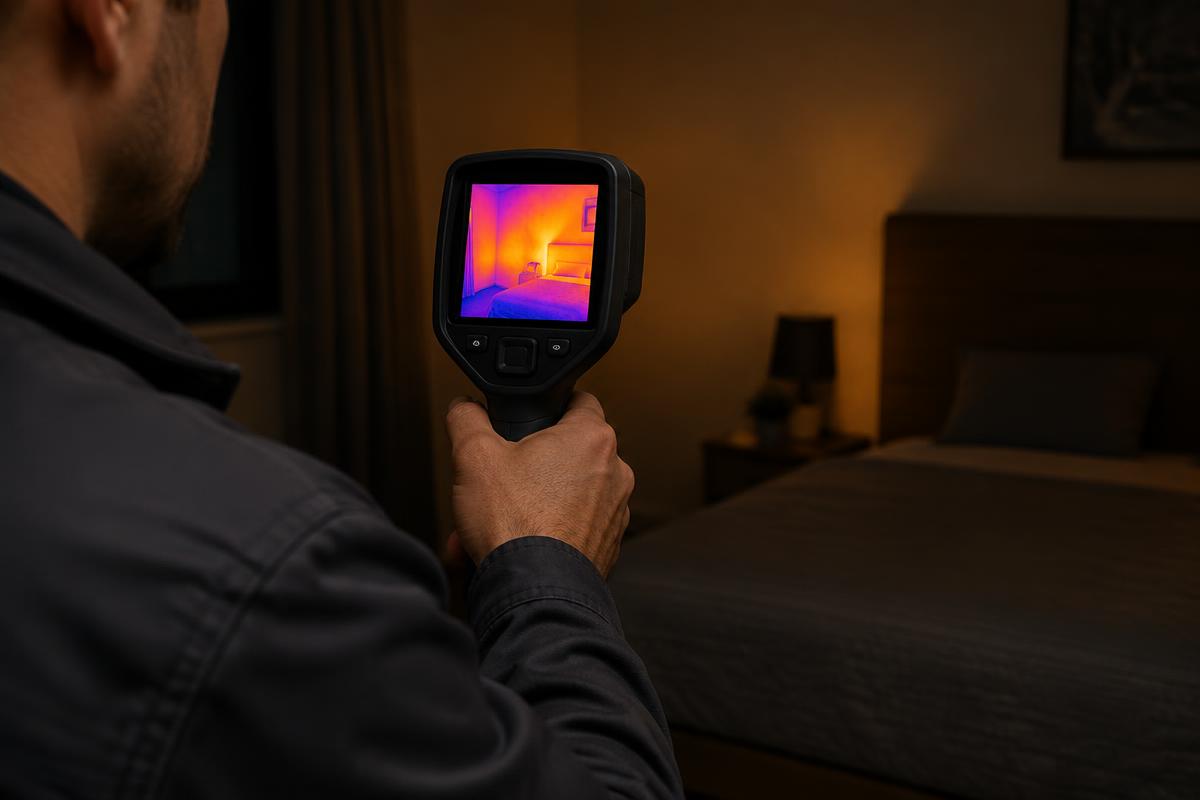
Monitoring uses active live thermal imaging cameras only. These allow the team to observe visible surface heat patterns during the process and support decisions about heat distribution within the treatment area. Thermal imaging does not see through walls or furniture, so professional judgement, suitable setup and an accurately defined scope remain important parts of the work.
No harmful chemicals are used as the primary treatment. However, a heat-led approach still requires proper safety precautions and preparation. Residents, visitors and pets must remain outside the treatment area until the team confirms re-entry is safe. Discuss any concerns about sensitive belongings, medical equipment or the building itself before the booking is finalised rather than waiting until equipment arrives.
Prepare rooms without spreading the problem
Preparation should follow property-specific instructions from the treatment team. Generic advice found online can conflict with the requirements of a professional heat treatment, particularly around moving items or emptying storage. Before starting, ask for a clear explanation of what should stay in place, what needs attention and which belongings must be discussed because they may be affected by heat.
Avoid carrying uncontained bedding, clothing or soft furnishings through communal corridors and other bedrooms. Moving possessions into an untreated room can transfer the problem and undermine the agreed plan. If something must leave the treatment area, ask how it should be contained and handled. Do not assume that placing an item outside the room makes it safe.
Flag medicines, aerosols, batteries, heat-sensitive valuables and specialist equipment for advice. The correct approach depends on the item and the treatment arrangements. Tenants should not be expected to guess which possessions are suitable to remain. Landlords and agents can help by distributing the instructions early and making sure residents have an opportunity to ask questions.
In a shared house, preparation needs checking across all included rooms. One prepared bedroom does not resolve access problems in another, and a locked storage space may affect the planned work. Use a simple checklist with named responsibilities, but avoid turning it into a blame exercise. The purpose is to make the agreed treatment possible and prevent avoidable movement of potentially affected belongings.
- Read the property-specific preparation instructions in full.
- Ask before moving belongings outside the treatment area.
- Discuss heat-sensitive items and medical equipment.
- Arrange for people and pets to leave safely.
- Confirm access to every room included in the booking.
- Raise preparation difficulties before the treatment visit.
Manage communication in HMOs and converted flats
Shared accommodation works best with one consistent set of instructions. If different residents receive different advice, they may prepare rooms in conflicting ways or misunderstand which spaces are included. A landlord, agent or nominated coordinator should circulate the agreed plan and keep a record of questions that need answers from the treatment team.
Respect confidentiality when discussing the infestation. Other residents may need information about assessment, access or preparation, but they do not need personal speculation about a neighbour's habits or travel. Keep communications factual and limited to what is needed to organise the work. This helps maintain cooperation, especially where tenants do not know each other well.
Converted buildings can present a particular challenge because neighbouring flats may look separate while sitting close together within an older layout. Report relevant signs in adjoining accommodation and ask whether further assessment is appropriate. Do not assume that heating one flat treats the flat beside it, or that a room outside the agreed boundary has been covered.
Frequent occupant movement can make coordination harder in HMOs and busy hotel settings. Where residents are arriving, leaving or changing rooms, tell the team what is planned. Moving someone into a different room is not, by itself, a treatment strategy. Decisions about room use and belongings should support the wider plan rather than simply moving the immediate inconvenience elsewhere.
Plan equipment access at West Midlands properties
Commercial heat-treatment equipment needs a safe route into and around the property. For city-centre or restricted-access sites in the West Midlands, confirm loading arrangements before booking. A nearby parking space may not provide a suitable unloading point, particularly where there are building rules, delivery restrictions or a long route between the vehicle and the entrance.
Give the team the correct floor level and explain whether a lift is available. If access depends on a lift, check its availability and any restrictions with the building manager. Mention stairs, narrow landings, controlled entrances and anything else that could affect safe equipment movement. These details help the team assess the arrangements before the visit.
Communal areas also need consideration. Equipment movement should be coordinated so that escape routes are not obstructed and residents understand any temporary access arrangements. In managed blocks, the person booking may need to liaise with a concierge, caretaker or facilities contact. Do not assume that permission to enter a flat automatically covers every practical requirement in the wider building.
Access planning is particularly important when the person paying for treatment does not live on site. A landlord may know the address but not the current entry arrangements or lift status. Check the details with someone familiar with the building and pass them on accurately. Raising a restriction early is easier than discovering it while residents are waiting to leave.
- Confirm a suitable loading location and any restrictions.
- Provide the floor level and details of stair access.
- Check lift availability and building management rules.
- Explain entry codes, keys and controlled-access arrangements.
- Identify narrow routes or other equipment access concerns.
- Nominate an available contact for building access questions.
Organise the treatment day around residents' needs
Every affected occupant should know when they need to be ready to leave and how they will receive the re-entry instruction. The usual heating period of 3–6 hours should not be used as a fixed return time. Make arrangements that allow for the full visit and wait for confirmation from the team before entering the treatment area.
Discuss practical support needs in advance. A resident with reduced mobility, a family with young children or someone who relies on medical equipment may need more planning for time away from home. The coordinator should help resolve those arrangements without asking residents to disclose unnecessary personal information to other tenants. Treatment planning should remain both safe and respectful.
Keep keys, essential medicines, travel items and anything needed during the absence in mind when reviewing preparation instructions. Ask the team how necessary possessions should be handled if they have been kept in an affected room. Taking potentially infested belongings to another home or shared waiting place without advice can create an avoidable risk of transfer.
Once work begins, residents should not return to collect forgotten items or enter to check progress. Queries should go through the nominated contact and treatment team. After the team authorises re-entry, follow the handover instructions rather than assuming every room and possession can immediately be used in the same way. Raise any uncertainties while the guidance is still fresh.
Aftercare, reporting and the six-month guarantee
After treatment, landlords and tenants should keep a shared record of the agreed scope, the completion date and the aftercare instructions. This is particularly useful if a managing agent changes or a new tenant moves in later. Good records make it easier to explain what was treated without relying on incomplete messages between former occupants.
Bed Bug Heat Solutions UK offers a six-month guarantee on qualifying treatments. Ask whether the proposed work qualifies and request the applicable terms before booking. The treatment boundary, resident cooperation and other relevant conditions should be understood clearly. A guarantee should not be interpreted as unconditional cover for every future concern in every part of a building.
If you notice possible signs after treatment, report them promptly and describe what you have found. Photographs or a safely retained specimen can help with assessment. Skin symptoms alone do not establish whether live bed bugs remain, and old marks on furniture may still be visible. Follow the agreed reporting process rather than immediately applying additional products.
Heat treatment does not create a permanent barrier against bed bugs being brought into a property again. Continue taking care with incoming second-hand furniture, luggage and belongings moved between addresses. In shared housing, keep the reporting route clear for existing and new residents. Prompt, factual communication remains useful even after the immediate treatment has been completed.
Arrange a clear treatment plan for your property
The most useful starting point for a West Midlands enquiry is a straightforward description of the property and the problem. Explain whether it is a single tenancy, shared house, converted flat or another type of accommodation. Include the affected rooms, any known signs elsewhere and who is coordinating the work on behalf of residents.
Ask for a clear explanation of the proposed treatment area, preparation requirements and access arrangements. If adjoining rooms are excluded, understand the basis for that scope and what to do if evidence appears there. A well-defined plan helps landlords and tenants compare the actual work proposed rather than focusing only on the name of the treatment.
Bed Bug Heat Solutions UK brings over 40 years of hands-on pest-control experience, is fully insured and holds RSPH Level 2 certification. We serve England and Wales using controlled industrial heat, with active live thermal imaging cameras only for monitoring. Those credentials sit alongside the practical need to assess each property and coordinate the people involved.
To discuss treatment, contact Bed Bug Heat Solutions UK with the infestation history and available access information. Explain any restrictions, resident support needs or unresolved preparation questions at the outset. For landlords, tenants and shared housing managers, the aim is a calm, coordinated process with a clear scope, safe working arrangements and aftercare that everyone understands.
Useful next steps
Frequently asked questions
Six-month guarantee
Qualifying treatments are covered for six months. Send your details for a free assessment.
More from the blog
How Long Does Bed Bug Heat Treatment Take?
Read the full guide: How Long Does Bed Bug Heat Treatment Take?