West Midlands
Bed Bugs In HMOs And Shared Houses: A West Midlands Guide
A practical guide to recognising, reporting and managing bed bugs in West Midlands HMOs, shared houses and managed accommodation.
22 August 202610 min read
40 years
In the trade
Four decades of hands-on bed bug experience
Fully insured
Every treatment
Comprehensive liability cover on all work
RSPH Level 2
Certificated
Royal Society for Public Health qualified
Key points
- Investigate connected rooms, not just the first reported bedroom.
- Coordinate access, preparation and communication across the household.
- Whole-area heat treatment requires a professionally agreed scope.
- Clear reporting and follow-up help reduce the risk of reintroduction.
Why Bed Bugs Need a Shared-House Response
Bed bugs in a house in multiple occupation, usually called an HMO, are rarely just an individual resident’s problem. Bedrooms may be separately rented, but the building contains connected spaces, shared furniture and regular movement of belongings. An effective response therefore needs to consider the property as a whole, even when the first evidence appears beside one bed.
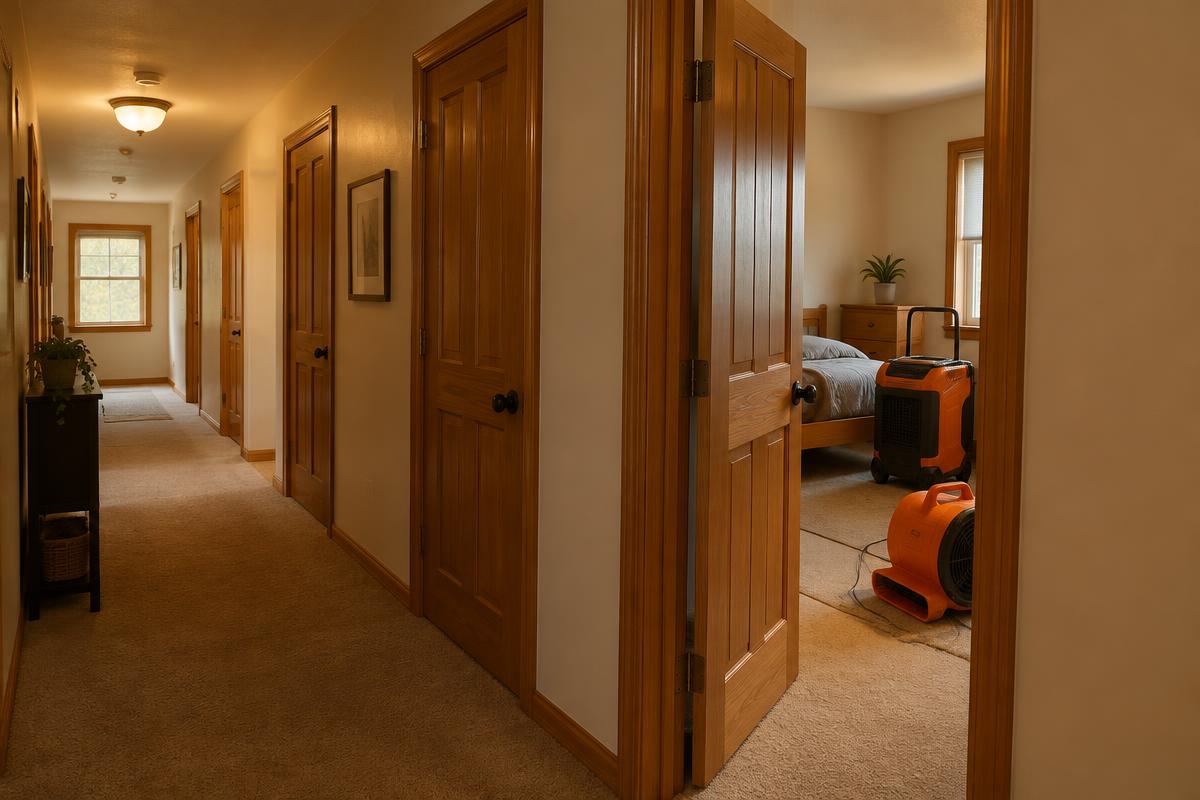
Across Birmingham, Coventry, Wolverhampton and the wider West Midlands, shared accommodation includes converted terraces, student houses, bedsits and professionally managed properties. Each layout creates different inspection and access challenges. A converted house with adjoining bedrooms and boxed-in services may need a different treatment plan from accommodation arranged around a communal corridor.
Bed bugs can arrive in luggage, used furniture, clothing or other belongings. Their presence is not proof of poor hygiene, and a clean, well-managed house can still experience an infestation. Blaming a particular resident can discourage early reporting, which makes it harder to establish where activity is occurring and coordinate a sensible response.
The immediate aim is to confirm the pest, understand the likely extent of activity and prevent unnecessary movement between rooms. A landlord or manager should appoint one person to coordinate information and access. Residents should have a clear route for reporting concerns without being expected to diagnose the problem or organise separate treatments themselves.
Recognising Evidence Without Relying on Bites
Bites alone cannot confirm bed bugs. Skin reactions vary, some people show little visible reaction, and several other causes can produce itchy marks. In a shared house, one resident reporting bites while others report nothing does not reliably establish which rooms are affected. Physical evidence and a competent inspection provide a much stronger basis for decisions.
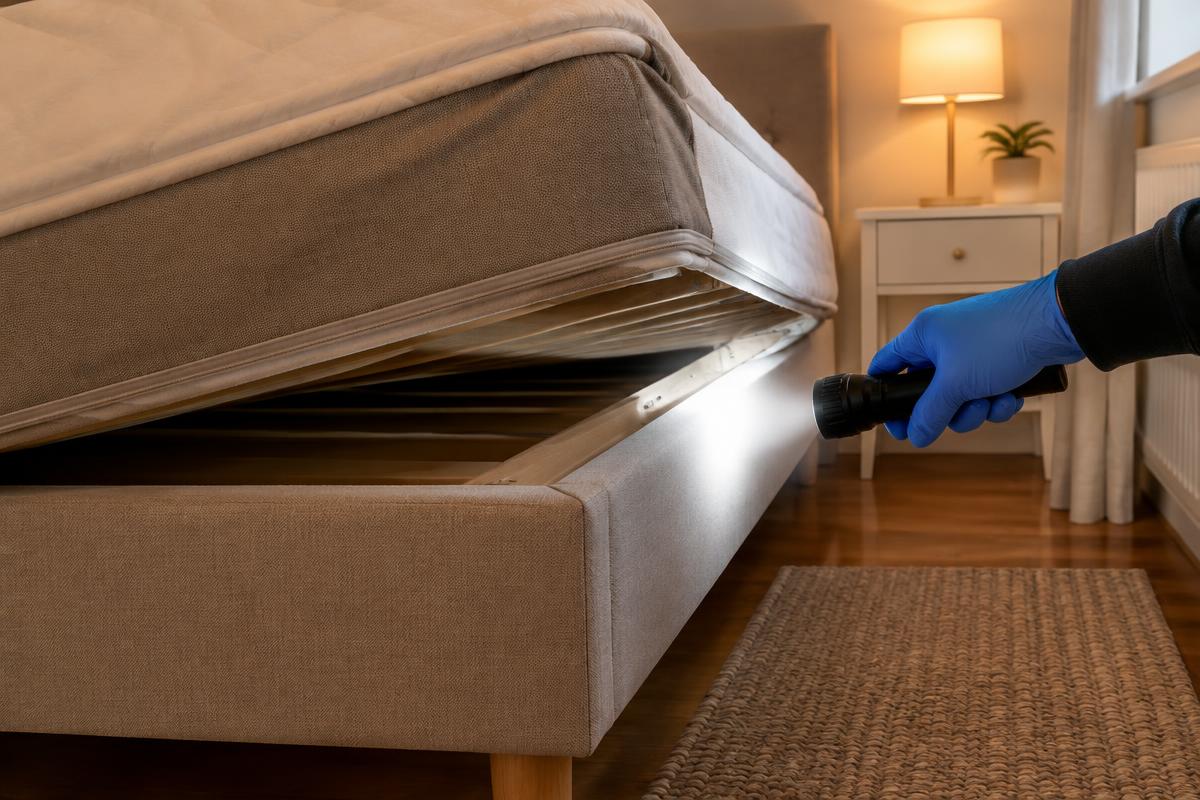
Useful signs include live insects, pale shed skins, small eggs and dark spotting around harbourages. Mattress seams, bed-frame joints, headboards and the edges of nearby furniture deserve attention. Bed bugs are small and hide in narrow spaces, so a quick look across the top of a mattress can easily miss relevant evidence.
Residents can photograph suspected insects and marks before cleaning or disturbing them. Where practical, an insect can be secured in a sealed clear container for identification without carrying loose bedding through the house. Record the room, exact location and date, and pass that information to the person coordinating the response.
Inspection should extend beyond the bed when the evidence warrants it. Upholstered chairs, bedside furniture, skirting gaps and items stored close to sleeping areas may all need examination. Residents should not dismantle electrical fittings or damage the building to search for insects; inaccessible areas should be discussed with the attending professional.
- Record the room number and date of each suspected sighting.
- Photograph insects and signs clearly, including their location.
- Report evidence promptly to the landlord or managing agent.
- Keep suspected items in place unless advised otherwise.
- Avoid treating bite patterns as a confirmed diagnosis.
- Tell the assessor about any recent room changes or furniture moves.
Understanding Movement Between Bedrooms and Communal Areas
Bed bugs do not fly or jump, but they can crawl between nearby hiding places and travel on belongings. In shared houses, movement may involve adjoining rooms, communal seating or bags placed on another resident’s bed. Building gaps and service routes can also be relevant when deciding how widely to inspect.
A resident who starts sleeping in the lounge or another bedroom may unintentionally complicate the situation by moving bedding and possessions. Changing sleeping locations can also change where bugs seek a host. Before making a room move, residents should seek advice and avoid transferring untreated bedding, mattresses or soft furnishings elsewhere in the property.
Communal spaces need proportionate attention rather than an assumption that every room is infested. A lounge sofa used for sleeping may be more relevant than a regularly cleaned kitchen with no resting furniture. The assessment should consider how spaces are actually used, including informal sleeping arrangements that may not appear on the tenancy paperwork.
For a converted West Midlands terrace, it can help to provide a simple floor plan showing bedrooms, shared lounges, storage areas and adjoining units. Previous sightings and treatments should be marked against that layout. This supports a treatment scope based on evidence and building connections, rather than the limits of individual room contracts.
Landlord, Agent and Tenant Responsibilities
Responsibility for dealing with bed bugs is not determined simply by the fact that a property is an HMO. The circumstances, tenancy arrangements, condition of the building and applicable legal duties may all matter. A landlord or agent should investigate promptly rather than assume that the resident who first reports activity must have introduced it.
HMO management and licensing requirements can be relevant, but they do not create one universal answer to every treatment-cost dispute. Keep factual records of reports, inspections, advice and action taken. Where responsibility is disputed, obtain appropriate housing advice instead of making unsupported statements about liability or withholding a coordinated response while the infestation develops.
Access must be organised lawfully and with suitable notice, taking account of tenancy terms and residents’ rights. A contractor’s availability does not remove the need for proper access arrangements. Agree who will notify residents, obtain any necessary permissions and make sure all rooms within the agreed treatment area can be reached.
In England, residents can seek housing advice from their local council or an independent advice service where a landlord is not addressing a reported problem. For properties in Birmingham, Dudley, Sandwell, Solihull, Walsall, Wolverhampton or Coventry, the relevant council’s housing or environmental health team can explain local routes. Different council areas may operate different HMO licensing arrangements.
Creating a Practical Property-Wide Treatment Plan
A useful treatment plan brings inspection findings, room access and resident needs together before equipment arrives. It should identify the agreed treatment area, rooms requiring further assessment and any preparation that must be completed. Treating one bedroom without considering connected activity can leave the underlying problem unresolved, although the appropriate scope must be decided for each property.
Managed accommodation often has complications that are easy to overlook during booking. Residents may work nights, have limited English, need mobility support or be away when notices are issued. Give instructions in an accessible form and check understanding, rather than relying entirely on a message in a shared group chat.
The property contact should supply accurate information about occupancy, previous treatments and any products residents have already applied. Relevant building details include restricted access, electrical arrangements, fragile finishes and stored belongings. These details help the team assess practical constraints and identify questions that need resolving before the treatment date is confirmed.
Temporary arrangements should cover everyone who must leave the treatment area, including pets. Medication, essential documents and items needed during the visit should be planned for in advance, following advice on safe handling. The contractor should confirm the departure arrangements and explain that re-entry depends on professional clearance, not an assumed finishing time.
- Nominate one property contact and a backup contact.
- Provide a room list, occupancy details and a basic floor plan.
- Agree access to every space within the treatment scope.
- Identify residents who need practical or communication support.
- Disclose earlier pesticide use and previous bed bug treatments.
- Confirm arrangements for pets, essential items and temporary absence.
- Circulate the contractor’s preparation instructions to every resident.
How Professional Heat Treatment Works in an HMO
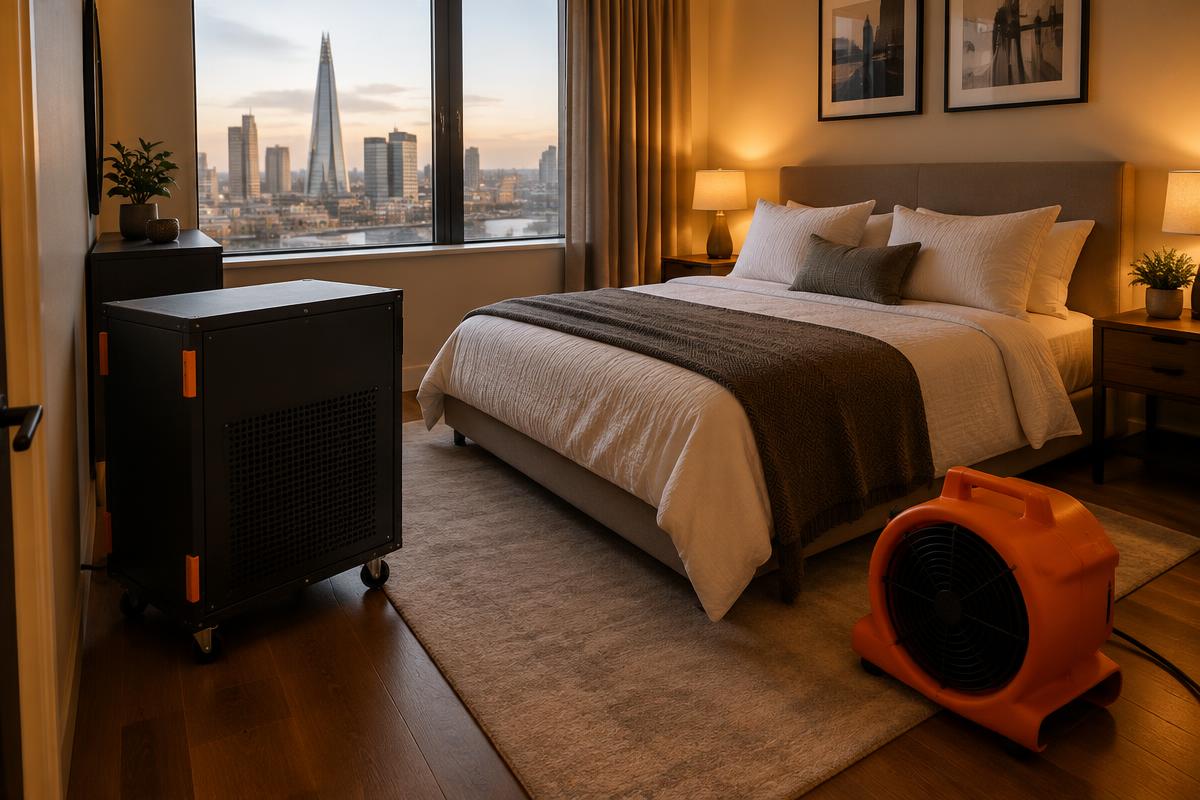
Bed Bug Heat Solutions UK uses controlled industrial heat of 60-65 degrees C across the whole treatment area. The agreed area needs to be clearly defined before work begins, particularly where rooms are separately occupied. Equipment placement and the management of contents are planned to help heat reach the hiding places identified during assessment.
The heating period is usually 3-6 hours, with timings confirmed on the day. This is the heating period rather than a promise for the entire visit or the total time residents will be away. Setting up, checking the property and allowing safe re-entry are separate considerations that depend on conditions at the premises.
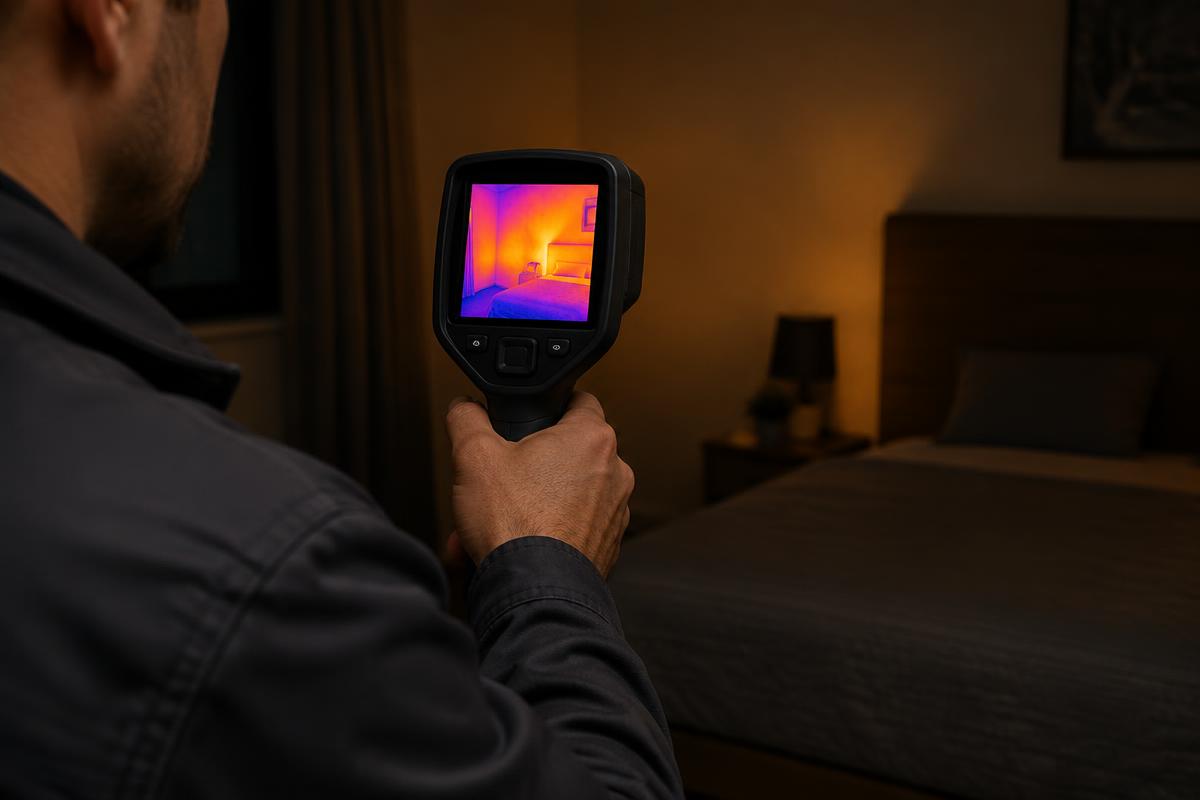
Monitoring is carried out using active live thermal imaging cameras only. Live thermal imaging helps the team assess visible surface heat patterns and identify areas needing attention during treatment. It does not see through furniture or walls, so professional assessment, suitable preparation and careful management of the treatment area remain important.
No harmful chemicals are used as the primary treatment. Nevertheless, industrial heat is a controlled professional process, not something to reproduce with domestic heaters or improvised equipment. Residents and managers should follow the team’s instructions about occupancy, heat-sensitive possessions and re-entry, and should not change equipment settings or enter the area without authorisation.
Preparing Rooms Without Spreading Bed Bugs
Preparation should follow the instructions issued for the property, rather than a generic online checklist. Over-preparation can be counterproductive if residents clear bedrooms by moving untreated belongings into corridors, cars or neighbouring rooms. The aim is to make the agreed treatment area workable while keeping potentially infested possessions under controlled handling arrangements.
Ask the team how clothing, bedding and stored textiles should be presented. Do not assume that tightly packed cupboards, sealed containers or piled bags can remain unchanged during treatment. Where laundering is advised, follow the garment’s care instructions and the contractor’s handling guidance, separating processed items from belongings that have not yet been dealt with.
Heat-sensitive items require particular attention. Medicines, aerosols, pressurised containers, batteries, wax items, some electronics and valuable objects should be declared so the team can give specific advice. Removing an item from heat does not establish that it is free of bed bugs; a safe alternative handling plan may still be needed.
Bulky furniture should not be discarded automatically. Moving an unwrapped mattress down shared stairs can spread insects, and replacement furniture may become affected if the infestation remains. If disposal is advised, agree how the item will be contained and collected, and follow local waste rules rather than leaving it in communal areas for someone else to reuse.
- Use the property-specific preparation instructions supplied by the team.
- Avoid moving untreated belongings into unaffected rooms.
- Declare heat-sensitive possessions before the visit.
- Keep escape routes and agreed working areas clear.
- Ask how densely packed storage and sealed bags should be handled.
- Separate processed laundry from untreated textiles.
- Arrange controlled disposal only where it is actually necessary.
Managing Treatment Day in Occupied Shared Accommodation
On treatment day, the nominated contact should be available to resolve access questions and clarify anything that has changed since booking. An unexpected locked bedroom or a resident still sleeping after a night shift can affect the agreed plan. Check attendance and departure arrangements in advance rather than discovering these issues when work is due to start.
Residents should receive a consistent explanation of what is happening and where they can wait away from the treatment area. Avoid sharing unnecessary personal information about the person who first reported the problem. Calm, factual communication helps maintain cooperation and prevents rumours about cleanliness, blame or the safety of a particular resident’s possessions.
The team may need to reassess arrangements if the property differs materially from the information provided. Additional clutter, inaccessible spaces or previously undisclosed activity can influence how work proceeds. Managers should not pressure residents or contractors to bypass preparation and safety requirements simply to keep to an anticipated schedule.
Re-entry should take place only when the team confirms that it is appropriate. Residents should not use the usual 3-6 hour heating period as a countdown to returning independently. The handover should explain what was treated, any limitations or unresolved concerns, and the specific instructions for handling possessions and using rooms afterwards.
Follow-Up, Records and the Six-Month Guarantee
After treatment, keep a central record of any further suspected activity. Ask residents to report the date, room and physical evidence rather than simply posting that the bugs are back. Bites and itching alone may not show whether activity is continuing, so clear photographs or a retained specimen can help guide the next assessment.
Do not add shop-bought sprays, smoke products or other pest treatments without discussing them with the professional team. Additional products can introduce exposure risks and make it harder to interpret what is happening. Follow the aftercare instructions provided, including any guidance about cleaning, room use and possessions that were kept outside the treatment area.
Bed Bug Heat Solutions UK provides a six-month guarantee on qualifying treatments. Ask for the written terms and confirmation that the proposed treatment qualifies before booking. Coverage, reporting requirements and any relevant conditions should be understood rather than inferred, particularly where only part of a managed property falls within the agreed treatment scope.
A guarantee does not mean that a building cannot receive a new introduction through luggage or furniture. Equally, a later sighting should not automatically be dismissed as something a resident has brought in. Prompt reporting and accurate records allow the circumstances to be reviewed fairly and any next steps to be explained against the actual treatment and guarantee terms.
Reducing Future Risk Across West Midlands Properties
Prevention in an HMO works best as a routine management process rather than an occasional warning. Include a short, non-judgemental explanation of bed bug signs in move-in information and identify who residents should contact. Make clear that early reports are welcome and that residents should not move furniture or begin improvised treatments before seeking advice.
Room changeovers offer a useful opportunity to inspect bed frames, mattress seams and nearby furniture before the next resident arrives. Keep findings in the property record and investigate suspicious evidence before introducing new furnishings. Second-hand beds and upholstered items deserve careful assessment, although a visual check cannot guarantee that an item is free of hidden insects.
For managers overseeing several properties, use a consistent reporting form and avoid moving suspect furniture between addresses. Maintenance staff and cleaners should know how to report signs without taking on diagnostic or treatment responsibilities. Practical consistency is particularly valuable when different landlords, agents and support workers share responsibility for accommodation.
Bed Bug Heat Solutions UK serves England and Wales, including the West Midlands, with over 40 years of hands-on pest-control experience. The company is fully insured and RSPH Level 2 certificated. To discuss an HMO or shared house, use the quote request form or contact page and provide the location, room count, known evidence and any access concerns.
- Include bed bug reporting guidance in resident welcome information.
- Inspect beds and nearby furniture during room changeovers.
- Keep dated inspection and treatment records for each property.
- Do not transfer suspect furniture between managed addresses.
- Train cleaners and maintenance staff to report possible signs.
- Review access and communication arrangements after an incident.
Useful next steps
Frequently asked questions
Six-month guarantee
Qualifying treatments are covered for six months. Send your details for a free assessment.
More from the blog
How Long Does Bed Bug Heat Treatment Take?
Read the full guide: How Long Does Bed Bug Heat Treatment Take?