Kent
Bed Bugs In Hotels: Protecting Rooms And Reputation In Kent
A practical guide to recognising bed bugs, containing incidents and arranging professional heat treatment in Kent hotels, guest houses and serviced rooms.
5 September 202610 min read
40 years
In the trade
Four decades of hands-on bed bug experience
Fully insured
Every treatment
Comprehensive liability cover on all work
RSPH Level 2
Certificated
Royal Society for Public Health qualified
Key points
- Treat guest reports seriously without assuming bites confirm bed bugs.
- Isolate suspect rooms and control how linen, luggage and furniture move.
- Plan professional treatment around room layouts and hotel operations.
- Protect reputation through clear communication and documented follow-up.
Why Bed Bugs Need a Clear Hotel Management Plan in Kent
Bed bugs in hotels are an operational issue as well as a pest-control concern. A single report can affect room allocation, housekeeping schedules, guest confidence and bookings. For hotels, guest houses and serviced rooms in Kent, the most useful protection is a clear process that staff can follow calmly, rather than an improvised response after a complaint.
Kent accommodation serves a varied mix of visitors, including holidaymakers, business travellers, contractors and guests travelling through transport hubs. Bed bugs can arrive in luggage, clothing and other belongings, including at premises with excellent housekeeping standards. Their presence does not, by itself, show that a room is dirty or that staff have neglected routine cleaning.
Different properties face different practical challenges. A small guest house may have few alternative rooms available, while a larger hotel may need to coordinate reception, housekeeping, maintenance and management across several floors. Serviced rooms can involve longer stays, more personal possessions and access arrangements that make inspection and preparation harder to organise.
A written incident plan should identify who receives reports, who can take a room out of service and who arranges professional help. It should also explain how evidence is recorded and how guests receive updates. Assigning these responsibilities in advance reduces conflicting instructions and helps prevent an isolated concern becoming a wider operational problem.
Recognising Signs Without Relying on Bite Reports
Guest reports of bites deserve prompt attention, but skin marks alone cannot reliably identify bed bugs. Reactions vary between people, and other insects or skin conditions can produce similar symptoms. Staff should record what the guest has noticed without diagnosing the cause, dismissing the concern or stating that the room definitely has an infestation before it has been assessed.
More useful evidence includes live insects, shed skins, eggs and dark spotting around likely harbourages. Adult bed bugs are small, flattened insects that are usually brown, although their appearance changes after feeding. Young bed bugs and eggs are harder to spot, so a brief glance across clean sheets is not a dependable inspection method.
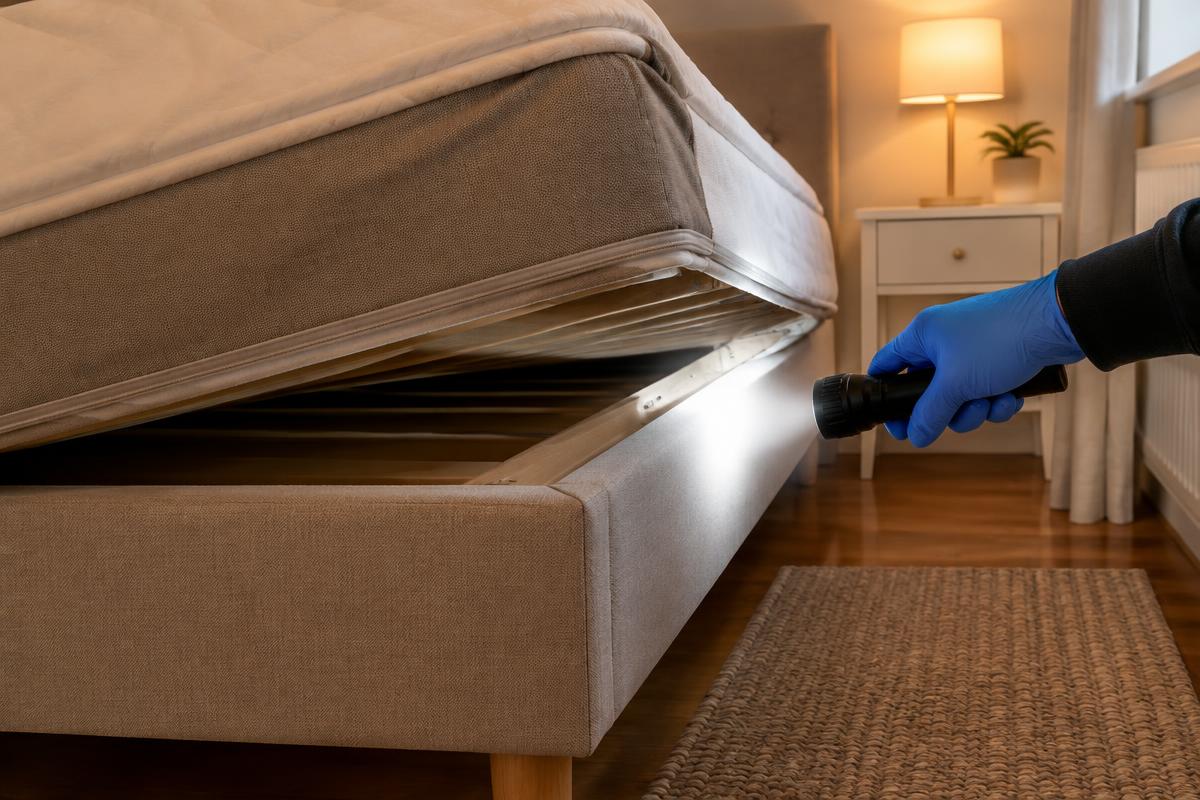
Housekeeping checks should concentrate on mattress seams, bed-frame joints, headboard edges and nearby upholstered furniture. Bedside units, skirting gaps and fittings close to sleeping areas may also warrant attention. Staff should not dismantle electrical fittings or heavy furniture; access requiring tools, specialist knowledge or safe lifting should be left to suitably competent people.
When a suspect insect is found, a clear photograph and securely contained specimen can assist identification. Record the room number, precise location, date and name of the staff member who found it. Avoid carrying loose bedding or the insect through the building, and do not disturb the entire room simply to gather more evidence.
- Check mattress piping, seams and labels during routine room servicing.
- Look around accessible headboard edges and bed-frame joints.
- Note dark spotting, shed skins or insects rather than relying on bites.
- Photograph findings clearly without including guest belongings unnecessarily.
- Record the exact location of evidence within the room.
- Escalate concerns to the designated manager before reallocating the room.
What to Do When a Guest Reports Bed Bugs
The first conversation should be private, respectful and practical. Thank the guest for raising the concern, explain that it will be investigated and identify a manager who will oversee the response. Avoid debating whether the guest brought the insects into the property, because the source is often uncertain and speculation rarely helps resolve the immediate situation.
Place a temporary hold on the suspect room while the report is assessed. Reception and housekeeping need the same information so that the room is not accidentally cleaned for a new arrival or returned to the booking system. Use a clear internal status that explains the restriction without exposing the guest's personal information to unnecessary staff.
If alternative accommodation is being considered, avoid simply transferring all luggage and loose possessions to another room. Explain the potential for belongings to carry insects and obtain professional advice on a practical handling approach. Guest comfort matters, but an unplanned move can make the inspection area larger and complicate an otherwise contained incident.
Document what was reported, what staff observed and which actions were agreed. Keep factual pest-control records separate from assumptions about responsibility, and manage compensation or refund discussions through the property's normal complaints process. If a guest reports significant symptoms or feels unwell, suggest appropriate medical advice rather than offering a diagnosis or recommending a specific medicine.
Containing the Incident and Assessing Nearby Rooms
Once a room is under investigation, unnecessary movement in and out should be reduced. This does not mean treating the room as a sealed biological hazard; it means controlling activities that could move insects with fabric, furniture or equipment. Tell relevant staff not to borrow cushions, spare bedding, portable beds or upholstered chairs from the affected room.
Linen handling is a particular priority because housekeeping routes connect bedrooms, corridors, stores and laundry areas. Bag suspect bedding within the room before transport and keep it separate from clean stock. Agree suitable washing and drying arrangements with the laundry provider, taking account of fabric care requirements and professional advice rather than assuming that an ordinary cycle is sufficient.
Do not automatically discard mattresses or furniture. Moving unwrapped items through communal areas can spread insects, and replacing a bed without addressing nearby harbourages may leave the underlying problem unresolved. A professional assessment can help determine which items can remain for treatment and which, if any, require controlled removal or separate handling.
Rooms beside, above and below an affected room may need inspection, depending on the evidence, construction and history of reports. Shared service routes and connected fittings can influence the assessment, but proximity alone does not prove infestation. Give the specialist a floor plan and information about recent room moves so the inspection scope reflects actual risk rather than guesswork.
- Hold the suspect room in the booking system pending assessment.
- Bag affected linen before it leaves the room.
- Keep clean linen and housekeeping supplies outside the controlled area.
- Pause furniture transfers between rooms.
- Record any guest or equipment moves linked to the incident.
- Provide access to neighbouring rooms when recommended.
Planning Professional Heat Treatment Around Hotel Operations
Treatment planning begins with understanding the premises and the extent of the problem. A Kent guest house with tight stairs and timber furniture will have different access considerations from a hotel with lifts, meeting spaces and multiple bedroom wings. The assessment should cover room layout, affected contents, available access and the practical boundaries of the proposed treatment area.
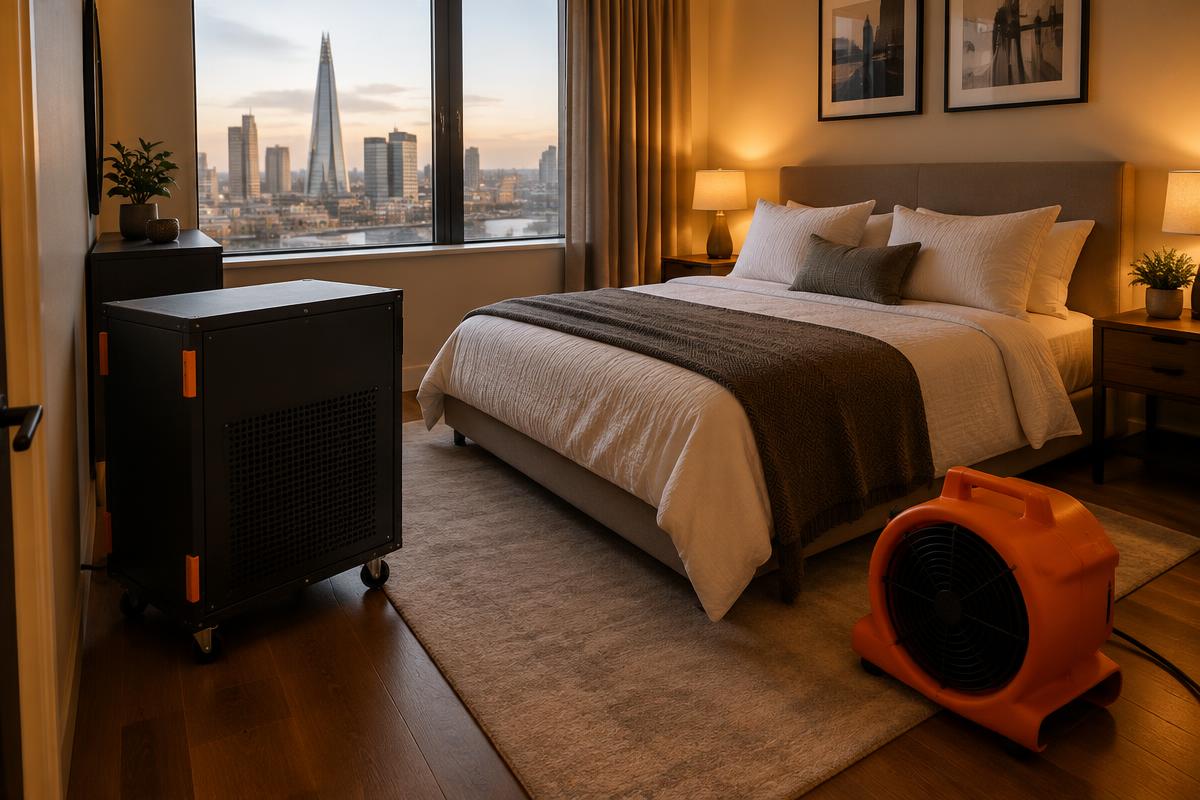
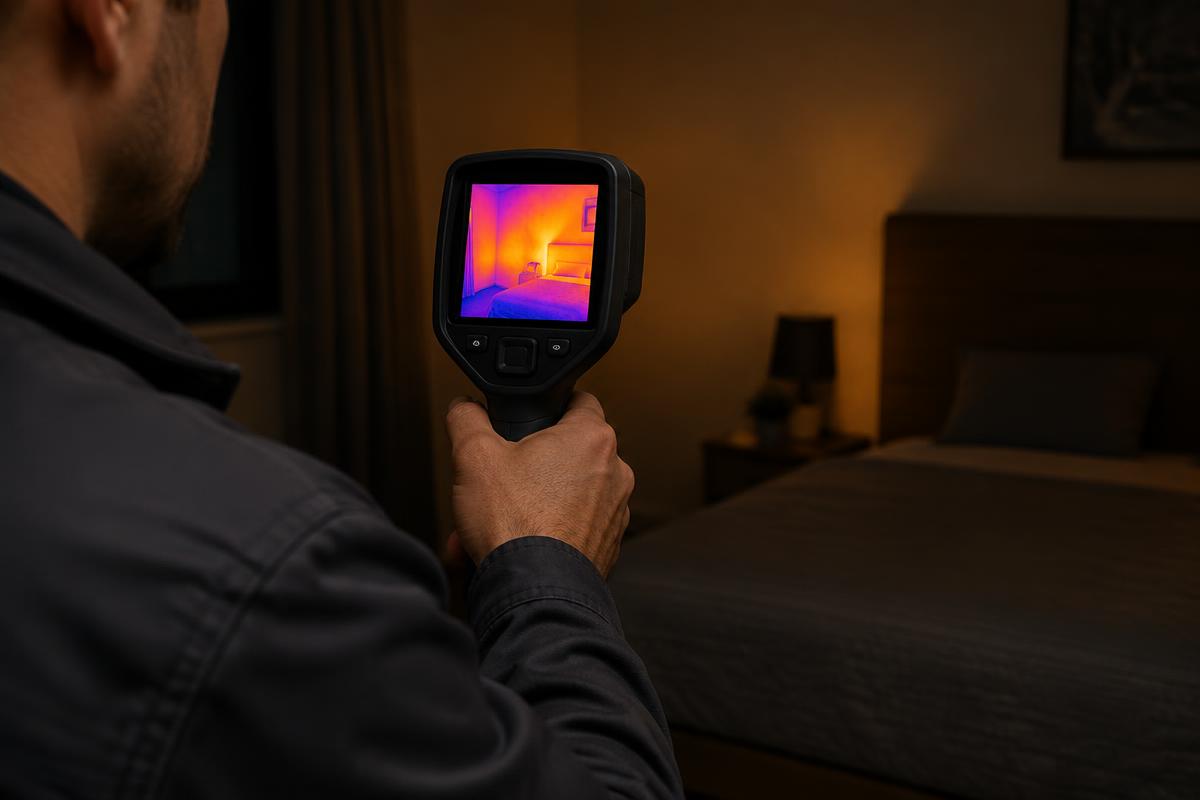
Bed Bug Heat Solutions UK uses controlled industrial heat of 60–65°C across the whole treatment area. Monitoring is carried out using active live thermal imaging cameras only. Live thermal imaging supports the team's assessment of heat distribution as treatment progresses, rather than relying on an assumption that switching on equipment means every part of the area is ready.
The heating period is usually 3–6 hours, with timings confirmed on the day. This is not a promise that a room will be ready for occupation within that same window. Preparation, equipment setup, cooling and final handover also need to be considered when deciding which bookings can be accommodated and when housekeeping can return.
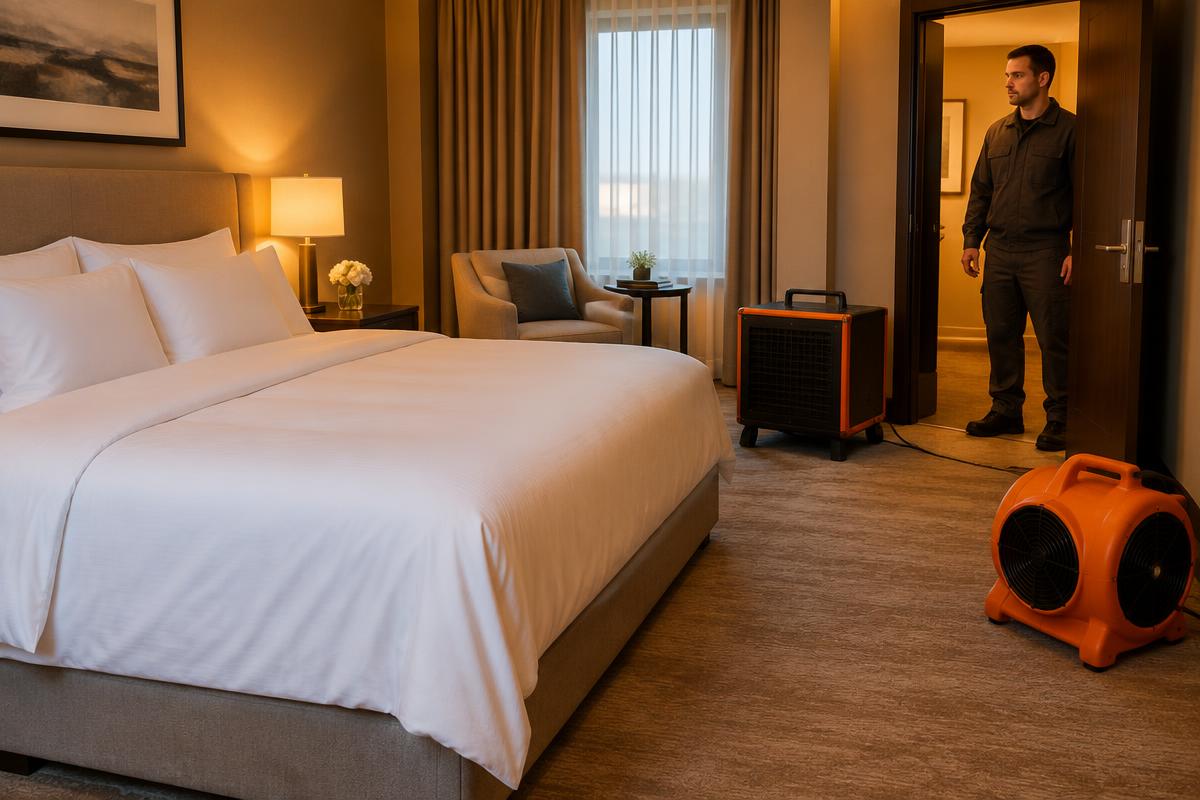
The primary treatment uses no harmful chemicals, but professional heat treatment still requires controlled access and careful preparation. Staff and guests must remain outside the treatment area until the team authorises access. The property manager should agree how corridors, access points and nearby operations will be managed without obstructing necessary escape routes or disrupting building safety arrangements.
Preparing Bedrooms, Furnishings and Guest Possessions
Preparation should follow instructions specific to the treatment, not a generic checklist downloaded without advice. Removing too much can take bed bugs out of the area intended for treatment, while leaving unsuitable items in place can create avoidable risks. Appoint one manager to coordinate preparation and confirm any uncertainties with the treatment team before staff start moving contents.
Provide information about heat-sensitive items, medicines, pressurised containers, specialist equipment and valuable or delicate possessions. These require individual consideration rather than a blanket rule that everything must stay or go. Where items need removal, agree how they will be checked, contained or handled so they do not become an untreated route back into the room.
Occupied serviced rooms need particular care because guests may have substantial clothing, work equipment and personal supplies on site. Explain the preparation process clearly and agree access through the appropriate arrangements. Do not ask housekeeping staff to make unsupported decisions about private belongings, and keep a record of possessions moved with the guest's agreement.
Give the treatment team accurate details about fitted furniture, divan storage, sofa beds and any inaccessible voids. Also flag recent maintenance work or known building defects that may affect safe setup. Preparation is more reliable when access issues are discussed early, rather than discovered after equipment has arrived and the room has already been taken out of service.
- Nominate a preparation lead and a deputy.
- Obtain room-specific preparation instructions before moving contents.
- Identify heat-sensitive possessions and discuss their handling.
- Confirm access to bed frames, storage compartments and fitted furniture.
- Agree arrangements for guest belongings and valuables.
- Share relevant building and fire-safety information with the team.
- Keep treatment access routes clear without blocking exits.
Keeping Reception, Housekeeping and Maintenance Coordinated
Many avoidable mistakes happen between departments rather than during treatment itself. Reception may believe a room is available while housekeeping is awaiting clearance, or maintenance may move a chair without knowing why it was left in place. A shared incident record should show room status, responsible contacts and the next authorised action in plain language.
Hold a short briefing for staff whose work touches the affected area. Explain what they need to do, which tasks should stop and where questions should go. Keep information proportionate: staff need clear working instructions, not speculation about individual guests, dramatic descriptions of infestation or unverified claims about other rooms.
External providers also need relevant instructions. Contract cleaners, laundry teams and furniture delivery workers may otherwise follow their normal routines and move items through the property. Tell them about handling restrictions before their visit, while sharing only the operational information necessary for them to work safely and avoid undermining the containment plan.
For small guest houses, one person may perform several of these roles, but written notes still matter. For larger hotels, include the incident in shift handovers until the agreed follow-up is complete. A named decision-maker should authorise changes to room status so that a verbal message or an assumption does not lead to premature reoccupation.
Protecting Reputation Through Honest Guest Communication
Reputation is better protected by a measured response than by denial or sweeping reassurance. Explain what has been reported, what remains unconfirmed and which practical steps are being taken. Guests do not need every technical detail, but they should know who is handling the matter and how they can raise questions about their accommodation or belongings.
Avoid claiming that the property could never have bed bugs because it is cleaned thoroughly. Cleaning standards matter, but they do not eliminate the possibility of an introduction in luggage or furnishings. Equally, do not suggest that one confirmed room means the whole building is affected when inspection evidence does not support that conclusion.
If a public review mentions bed bugs, respond without disclosing the guest's name, room movements, medical information or private correspondence. Acknowledge the concern and invite direct contact through the property's established complaints channel. Where appropriate, explain that a professional assessment or treatment process has been arranged, but only describe actions that have actually happened.
Internally, retain accurate records of reports, inspection findings, treatment instructions and follow-up decisions. These can support consistent guest communication and help managers review how the incident was handled. They should not be used to promise that bed bugs can never return, because future introductions remain possible in accommodation with continuing guest turnover.
Reopening Rooms and Maintaining Proportionate Checks
A room should return to use only after the treatment team has provided clearance and the property has completed the agreed operational checks. Staff should understand any instructions about cooling, access and subsequent cleaning. Do not set the reopening time solely by adding the usual heating period to the equipment arrival time.
Before releasing the room, confirm that furniture is correctly positioned, housekeeping is complete and normal room facilities are ready for guests. Any building services or safety arrangements affected by authorised treatment preparations must be properly restored by the responsible people. Record who completed the checks and who approved the room's return to the booking system.
Continue targeted visual inspections according to the professional advice received. A guest reporting marks after treatment is not automatically proof that treatment has failed, just as a clean-looking bed is not proof that no problem exists. Record fresh evidence carefully and seek advice on its significance rather than applying an improvised spray or moving furnishings again.
Bed Bug Heat Solutions UK offers a six-month guarantee on qualifying treatments. Ask which conditions apply to the proposed work, what is included and how any later concern should be reported. A guarantee provides an agreed framework for support; it should not replace routine vigilance or be presented to guests as assurance against every future introduction.
- Obtain treatment-team clearance before staff or guests re-enter.
- Complete the agreed cooling, cleaning and room-readiness checks.
- Confirm relevant building services and safety arrangements are restored.
- Record the manager's approval to reopen the room.
- Schedule proportionate visual checks and retain factual findings.
- Keep guarantee terms and reporting instructions accessible.
Building a Long-Term Bed Bug Response for Kent Accommodation
Long-term control depends on consistency rather than occasional intensive checks. Include bed bug awareness in staff induction and revisit it when housekeeping teams or contractors change. Training should cover basic recognition, evidence recording and escalation, while making clear that cleaners are not expected to diagnose every insect or decide the scope of professional treatment.
Review purchasing and furniture movement procedures as well as bedroom cleaning. Used furnishings, items transferred between properties and stored spare beds deserve a considered inspection process before they enter guest rooms. This does not mean that every incoming item is suspect; it means preventing unrecorded movements from bypassing the checks already used elsewhere in the business.
After an incident, review the response without blaming staff or guests. Ask whether the room hold worked, whether linen was handled correctly and whether communication between shifts was clear. Update the plan with practical improvements, such as better room-status labels or a clearer access contact, rather than adding paperwork that staff cannot realistically maintain.
Bed Bug Heat Solutions UK serves Kent as part of its coverage across England and Wales. The company brings over 40 years of hands-on pest-control experience, is fully insured and holds RSPH Level 2 certification. To discuss a hotel, guest house or serviced-room concern, use the quote request form or contact page and provide the property layout, known evidence and access constraints.
Useful next steps
Frequently asked questions
Six-month guarantee
Qualifying treatments are covered for six months. Send your details for a free assessment.
More from the blog
How Long Does Bed Bug Heat Treatment Take?
Read the full guide: How Long Does Bed Bug Heat Treatment Take?