Wales
Bed Bugs In Wales: Treating Rural And Coastal Properties
How to recognise, contain and treat bed bugs in Welsh cottages, holiday lets and coastal accommodation without spreading the problem.
29 July 202610 min read
40 years
In the trade
Four decades of hands-on bed bug experience
Fully insured
Every treatment
Comprehensive liability cover on all work
RSPH Level 2
Certificated
Royal Society for Public Health qualified
Key points
- Rural and coastal properties are just as vulnerable to travelling bed bugs.
- Contain suspect bedding and luggage before moving anything between rooms.
- Professional heat treatment needs planning around access, layouts and sensitive belongings.
- Qualifying treatments include a six-month guarantee.
Why Bed Bugs Affect Rural And Coastal Properties In Wales
Bed bugs do not need a busy city environment to establish themselves. A remote cottage, a seaside apartment or a small village guesthouse can develop an infestation after insects arrive in luggage, clothing or used furniture. Once indoors, access to sleeping occupants and sheltered hiding places matters more than the surrounding landscape.
Across Wales, holiday accommodation often welcomes a succession of guests carrying suitcases, backpacks and travel bags. Walking holidays, coastal breaks and visits to family can all involve several overnight stops. This creates opportunities for bed bugs to travel between properties, although frequent guest turnover alone does not mean an accommodation business has a problem.
Cleanliness is not a reliable measure of bed bug risk. An immaculate coastal bedroom can harbour insects behind a headboard, while regular cleaning may miss the narrow gaps they occupy. Owners should avoid treating a report as an accusation about housekeeping and instead concentrate on confirming the evidence and preventing unnecessary movement of belongings.
Rural cottages and coastal accommodation also present practical treatment considerations that differ from one building to another. Thick masonry, converted lofts, interconnected bedrooms and limited vehicle access can affect planning. A useful response therefore starts with the specific property, rather than assuming that every Welsh holiday let can be treated in exactly the same way.
Recognising Evidence Before Taking Action
Bites can raise suspicion, but they cannot confirm bed bugs on their own. Skin reactions vary between people, and other insects or skin conditions can cause similar marks. More useful evidence includes live insects, shed skins, eggs and dark spotting around mattress seams, bed-frame joints and nearby furniture.
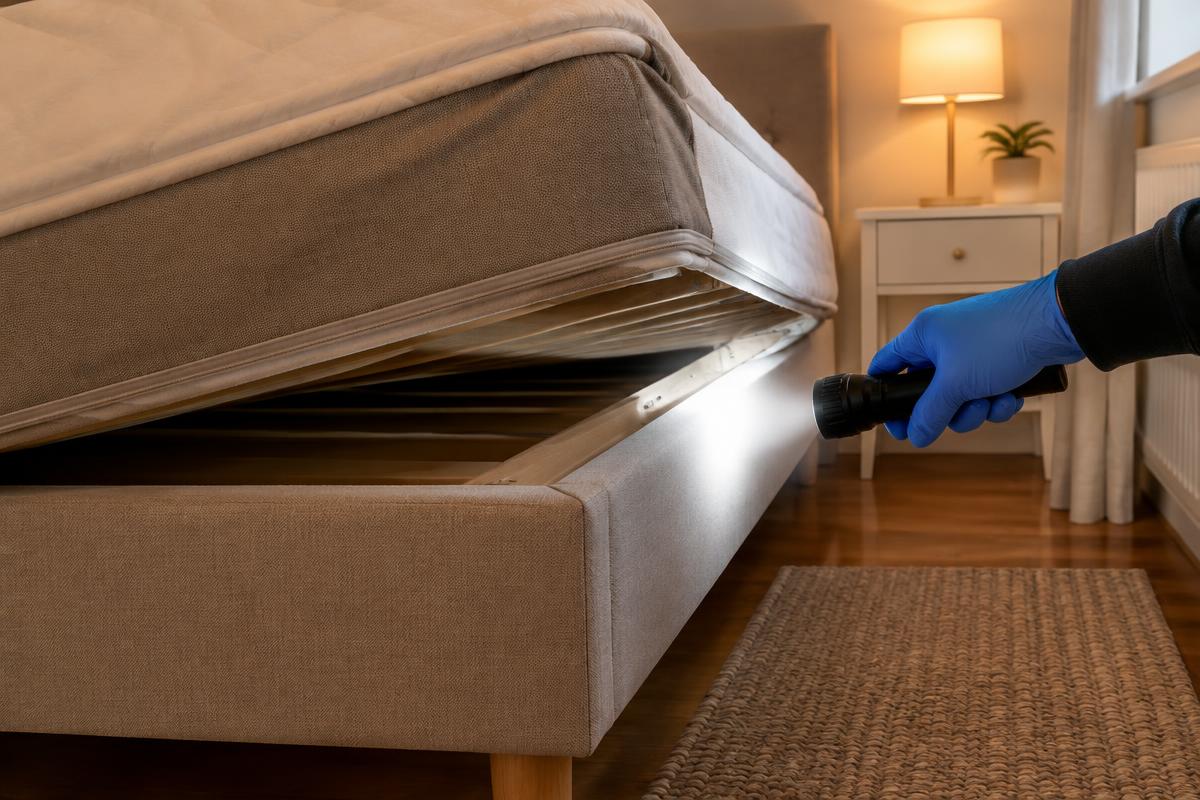
Inspect carefully in good light, beginning with the places where someone has been sleeping. Look along mattress piping, behind accessible headboards, beneath bed-frame edges and around bedside furniture. In furnished holiday cottages, upholstered chairs or sofa beds used for sleeping also deserve attention, especially when guest reports relate to the sitting room rather than a bedroom.
If a suspected insect is found, take a clear photograph and, where practical, retain it in a secure transparent container for identification. Record the room, the precise location and the date. These details are more useful to an assessor than a general statement that someone has noticed bites somewhere in the property.
Avoid pulling apart every item of furniture or carrying the mattress outside while investigating. Extensive disturbance can scatter insects and make evidence harder to interpret. If identification remains uncertain, use the contact page to arrange advice before committing to disposal, chemical products or a treatment approach based only on assumptions.
- Record when and where possible signs were first noticed.
- Photograph suspected insects and spotting clearly.
- Check mattress seams, frame joints and accessible headboards.
- Include sofa beds and upholstered sleeping areas in the inspection.
- Keep suspect belongings in their original room until advised otherwise.
Containing A Suspected Infestation In A Holiday Let
The immediate aim is to avoid moving bed bugs into additional rooms, vehicles or other properties. Do not transfer guests into another bedroom within the same cottage along with their untreated bedding and bags. Moving where people sleep does not remove the infestation and can complicate the assessment of its extent.
For owners managing several holiday lets, shared linen handling needs particular care. Suspect bedding should not be carried loose through corridors, placed in a shared laundry basket or loaded alongside clean supplies. Bag it at the point of removal and agree a suitable handling and laundering process before it leaves the affected area.
Pause use of the affected accommodation while professional advice is obtained about the appropriate scope of action. If the property contains separately occupied units, explain the layout and any shared entrances, lounges or housekeeping storage. A report in one bedroom does not automatically prove that every unit is affected, but connected spaces should not be overlooked.
Give cleaners, caretakers and maintenance staff clear instructions without asking them to improvise treatment. They should know which rooms to leave undisturbed and how to report further evidence. Keep a factual record of guest reports, inspections and actions taken so decisions are based on an accurate timeline rather than conflicting recollections.
- Stop moving loose bedding and soft furnishings between rooms.
- Separate suspect linen from clean housekeeping supplies.
- Tell the assessor about shared spaces and neighbouring units.
- Brief cleaners before their next visit to the accommodation.
- Keep dated notes of reports, evidence and containment measures.
Planning Treatment For Rural Cottages And Converted Buildings
Older Welsh cottages can have room arrangements that are not obvious from an address or booking photograph. A sleeping loft above a living room, a bedroom reached through another bedroom or an attached annexe may change how the treatment area is defined. Share a straightforward description of the complete layout before attendance.
Building features also deserve attention during assessment. Exposed beams, uneven floors, deep skirting gaps and fixed joinery may offer sheltered harbourages or affect access around furniture. Their presence does not make successful treatment impossible, but it reinforces the need for a controlled plan rather than simply heating the most visibly affected bed.
Access is an equally important part of rural preparation. Narrow lanes, steep steps, remote parking and gates can influence how industrial equipment reaches the building. Owners should describe these conditions accurately and explain any loading restrictions, rather than assuming equipment can be carried in from wherever a visitor would normally leave a car.
Provide information about electricity arrangements, known electrical defects, alarms and any restrictions imposed by the building owner. Equipment requirements should be confirmed during planning; household extension leads or improvised supplies are not a substitute for an agreed setup. For listed or unusually constructed properties, discuss delicate finishes and fittings before any preparation begins.
Special Considerations For Coastal Accommodation
Seafront flats, guesthouses and coastal holiday homes often combine compact bedrooms with substantial guest belongings. Suitcases may be stored beneath beds, beach bags beside upholstered seating and spare bedding in tightly packed cupboards. These arrangements can create overlooked harbourages and make it harder to establish which possessions need to remain within the treatment area.
Coastal location does not provide a natural cure for bed bugs. Sea air, a draughty room or a period without bookings should not be relied upon to eliminate an infestation. Equally, a warm conservatory or a car parked in sunshine cannot be assumed to expose every hidden insect and egg to an adequate, controlled heat treatment.
Apartments above shops or within shared buildings require clear access planning. Tell the treatment team about communal stairs, entry systems, lift restrictions and the distance from suitable unloading points. If building management must approve access arrangements, resolve this ahead of attendance so the visit is not delayed by avoidable administrative or practical obstacles.
Ask guests or staff about other sleeping locations within the accommodation, not just the main bedrooms. A sofa bed in a sea-facing lounge or a foldaway guest bed may be relevant to the infestation. Defining the whole required treatment area is more important than concentrating exclusively on the room named in the first report.
How Professional Whole-Area Heat Treatment Works
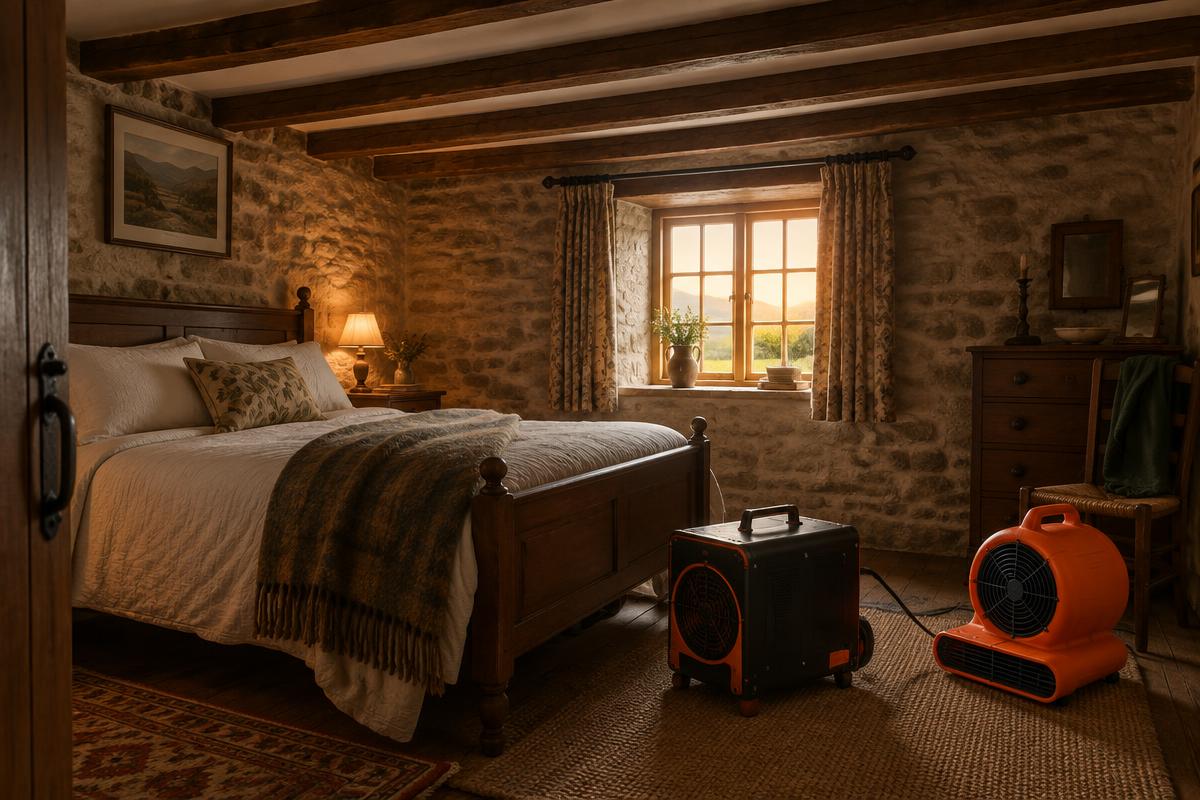
Bed Bug Heat Solutions UK uses controlled industrial heat of 60-65 degrees C across the whole treatment area. The process is designed to target bed bugs and their eggs within that defined area, rather than addressing only visible insects. Treatment planning considers the layout, contents and locations in which insects may be sheltering.
The heating period usually lasts 3-6 hours, with timings confirmed on the day. This is the heating period, not a promise that access, preparation, setup, cooling and handover will all fit within the same window. Holiday-let owners should leave operational flexibility instead of arranging a guest arrival around an assumed finishing time.
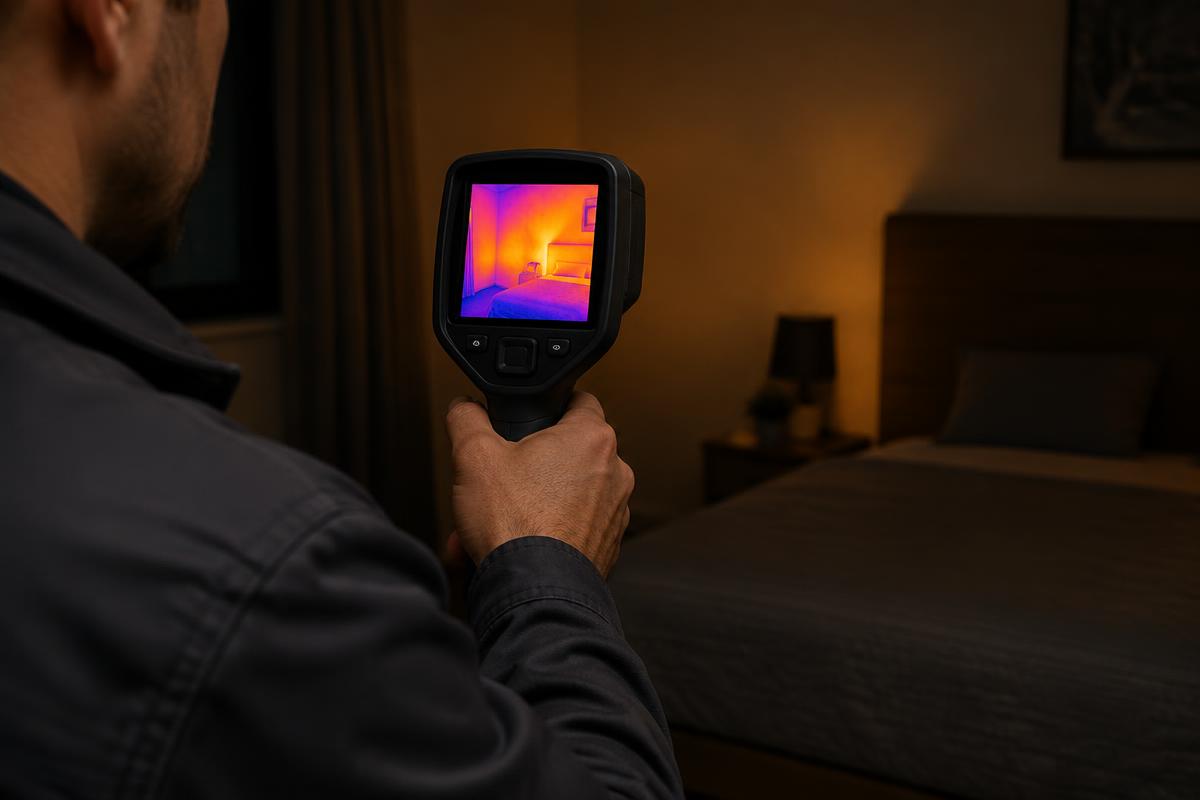
Monitoring is carried out with active live thermal imaging cameras only. Live thermal imaging helps the treatment team assess visible surface heat patterns during the process and identify areas requiring attention. It should not be understood as seeing through every solid object; professional judgement and the planned treatment setup remain essential.
No harmful chemicals are used as the primary treatment. However, industrial heat still requires professional control and clear safety arrangements, including keeping people and pets outside the treatment area until return is authorised. Portable domestic heaters, household steam appliances and improvised room-heating methods should not be treated as equivalent substitutes.
Preparing Contents Without Spreading Bed Bugs
Preparation should follow property-specific instructions from the treatment team. Removing large quantities of belongings before those instructions arrive can accidentally remove bed bugs from the treatment area and return them later. Start by identifying sensitive items and storage areas, then agree what should remain, what needs protection and what requires separate handling.
Heat-sensitive belongings may include medicines, wax items, some adhesives, pressurised containers and objects with particular manufacturer limits. Batteries, electronics, artwork and musical instruments should be discussed rather than automatically left in place or indiscriminately removed. Any necessary removal needs a containment plan if the item could harbour insects.
Laundry preparation should distinguish between handling bedding safely and assuming that every washing programme kills bed bugs. Follow advice appropriate to the fabric and the available equipment, and keep processed items separate from suspect contents. Do not place clean, bagged linen back on untreated beds or into potentially affected storage before the agreed stage.
Access around beds and furniture may need to be improved, but avoid dismantling fixtures or emptying cupboards without guidance. In a cottage containing owners' locked storage, arrange access where assessment requires it. Ensure that a responsible person can explain what is stored in inaccessible spaces and authorise decisions about contents on the day.
- Obtain and follow the preparation instructions for the property.
- Flag medicines, pressurised containers and heat-sensitive belongings.
- Agree safe handling before removing potentially affected items.
- Separate processed laundry from suspect bedding and storage.
- Arrange access to relevant locked rooms and cupboards.
- Confirm arrangements for occupants, pets and indoor plants.
Managing Guests, Staff And Booking Decisions
A calm, factual response to guests is more useful than either dismissing concerns or announcing a confirmed infestation before identification. Acknowledge the report, explain that it is being assessed and provide clear instructions about avoiding unnecessary movement of belongings. Do not speculate about which visitor introduced insects or make unsupported statements about the source.
Where an upcoming booking could be affected, base decisions on the assessment, preparation requirements and treatment arrangements. Avoid promising that a cottage will be ready simply because the usual heating period is 3-6 hours. Reopening also depends on completion of the work, safe return instructions and the practical tasks required to make the accommodation guest-ready.
Guests who have already departed may need measured information about checking luggage and handling belongings. Keep communications specific to the evidence available and avoid implying that every visitor has carried bed bugs home. Where booking platforms, insurers or property managers are involved, check their reporting requirements and retain factual records of relevant correspondence.
Staff should receive a consistent briefing so a cleaner, caretaker and booking manager do not give different advice. Assign one person to coordinate access, preparation and post-treatment arrangements. This is particularly valuable for owners who live away from Wales and rely on local contractors to manage a rural cottage or coastal apartment.
After Treatment: Returning Safely And Reducing Reintroduction
Return to the property only when the treatment team confirms that it is safe and provides handover instructions. Do not assume that the end of active heating means rooms can immediately be reoccupied. Follow the agreed advice about cooling, handling furnishings and bringing any separately managed belongings back into the accommodation.
Post-treatment housekeeping should be coordinated with the instructions given rather than carried out as an automatic deep clean. Ask when to replace linen, vacuum and rearrange furniture, and clarify what observations should be reported. Keeping records helps distinguish a new concern from old marks or previously unnoticed remains.
Pay particular attention to items that were outside the treatment area. An untreated travel bag, stored blanket or piece of furniture can undermine an otherwise carefully managed process if insects are brought back with it. Follow the separate handling plan for those contents before returning them to bedrooms or guest storage.
Longer-term prevention is about sensible routines, not a promise of making a property permanently bed bug-proof. Include bed-frame joints and accessible headboards in turnover checks, inspect second-hand furnishings before introduction and encourage prompt reporting. Bed Bug Heat Solutions UK offers a six-month guarantee on qualifying treatments; confirm the applicable terms, coverage and reporting requirements with the team.
- Wait for confirmation that the property is safe to re-enter.
- Follow the handover advice for cleaning and replacing bedding.
- Resolve the handling of belongings kept outside the treatment area.
- Record and report any fresh suspected evidence promptly.
- Add targeted bed and furniture checks to turnover routines.
- Retain the treatment paperwork and applicable guarantee terms.
Arranging Bed Bug Heat Treatment In Wales
A useful enquiry gives enough information to assess the property rather than simply asking for a price per bedroom. Describe the accommodation type, the number and arrangement of sleeping spaces, the evidence found and whether guests are currently staying. Mention sofa beds, annexes and any areas that may have received bedding or luggage from the affected room.
For rural or coastal addresses, include practical access details from the outset. Parking distance, narrow approaches, stairs and shared entrances can all matter to planning. Photographs of relevant rooms and the suspected evidence may help the initial discussion, although they do not replace the assessment needed to establish a suitable treatment scope.
Bed Bug Heat Solutions UK serves England and Wales, bringing over 40 years of hands-on pest-control experience. The company is fully insured and RSPH Level 2 certificated. Its approach combines controlled industrial heat with live thermal imaging and property-specific preparation, with a six-month guarantee available on qualifying treatments.
Use the quote request form or contact page to discuss a Welsh cottage, holiday let or coastal accommodation property. Ask what preparation is required, how the treatment area will be defined and which guarantee terms apply. Availability, treatment arrangements and costs should be confirmed for the individual enquiry rather than assumed from a general article.
Useful next steps
Frequently asked questions
Six-month guarantee
Qualifying treatments are covered for six months. Send your details for a free assessment.
More from the blog
How Long Does Bed Bug Heat Treatment Take?
Read the full guide: How Long Does Bed Bug Heat Treatment Take?