Science
Do Bed Bug Eggs Survive Heat Treatment?
Bed bug eggs can survive inadequate heating, but controlled whole-room heat is designed to target eggs, nymphs and adults throughout the treatment area.
27 August 202610 min read
40 years
In the trade
Four decades of hands-on bed bug experience
Fully insured
Every treatment
Comprehensive liability cover on all work
RSPH Level 2
Certificated
Royal Society for Public Health qualified
Key points
- Bed bug eggs can survive if heat exposure is insufficient.
- Whole-room heat targets eggs, nymphs and adult bed bugs.
- Controlled heating and live thermal imaging support effective treatment.
- Preparation and follow-up help reduce the risk of continuing problems.
Do bed bug eggs survive professional heat treatment?
Bed bug eggs should not survive a properly delivered heat treatment when lethal heat reaches them for sufficient time. They can, however, survive inadequate heating, particularly where insulation, clutter or an incomplete treatment area leaves a protected hiding place. The important distinction is between simply making a room hot and delivering controlled heat throughout the area being treated.
Bed Bug Heat Solutions UK uses controlled industrial heat of 60–65°C across the whole treatment area. The heating period is usually 3–6 hours, with timings confirmed on the day. This approach is designed to target eggs as well as the mobile stages of bed bugs, rather than dealing only with insects visible on bedding or furniture.
Eggs cannot run away from rising heat, but their location can make them difficult to reach. A small egg attached inside a furniture joint is not exposed in the same way as one sitting on an open surface. Effective treatment therefore depends on heat distribution and sustained exposure, not simply the highest temperature reached in the room.
No responsible assessment should assume that every infestation or property behaves identically. Room layout, furniture construction, the amount of stored material and the spread of the infestation all influence planning. Understanding these factors helps explain why a professional whole-room approach is more reliable than turning up the central heating or warming individual items without a clear treatment plan.
Understanding eggs, nymphs and adult bed bugs
Bed bugs develop through three broad life stages: eggs, nymphs and adults. The eggs are very small, pale and usually attached to a surface with an adhesive substance. Their size and positioning mean they can be overlooked during ordinary cleaning, especially when they are deposited in narrow seams, recesses or rough surfaces close to a sleeping area.
After hatching, a bed bug passes through five nymph stages before becoming an adult. Nymphs need a blood meal to progress from one stage to the next. The youngest are particularly difficult to spot because they are small and pale before feeding, so an infestation can contain active insects even when no obvious adults are seen.
Adult bed bugs are larger and easier to recognise, although they still spend much of their time hidden. Females can continue laying eggs when conditions and feeding opportunities allow. Removing a few adults from the bed may therefore make activity seem lower without resolving the hidden population or the eggs already present around the room.
Treatment needs to address this entire life cycle rather than one visible stage. If eggs survive while the mobile insects are killed, newly hatched nymphs can create a continuing problem. Whole-room heat is intended to interrupt that cycle by exposing eggs, nymphs and adults within the treatment area during the same controlled heating process.
Why hidden eggs need more than a brief burst of warmth
Heat affects living tissue, but its effectiveness depends on both temperature and duration. Bed bug eggs have different heat tolerances from mobile bed bugs, making them an important consideration when planning treatment. A brief exposure that affects an exposed adult should not automatically be assumed sufficient for every egg hidden elsewhere in the room.
Another difficulty is the difference between warm room air and the conditions inside an object. Air can heat relatively quickly while dense furniture, tightly packed belongings and enclosed spaces take longer to warm. An egg in a protected recess may therefore experience a different heating pattern from the exposed surface immediately beside it.
This is why a single temperature figure cannot tell the whole story. Seeing a hot surface does not establish that everything beneath it has received the same exposure. Professional treatment considers the way heat moves through the room and its contents, allowing time for less exposed areas to warm rather than relying on an initial rise in air temperature.
Trying to reproduce treatment with a hairdryer, domestic fan heater or portable heater is not a dependable alternative. These methods can leave large untreated areas and may create electrical or fire hazards. They also encourage attention to individual visible insects, when the real task is to address an infestation spread across multiple concealed locations.
How whole-room heat targets all bed bug life stages
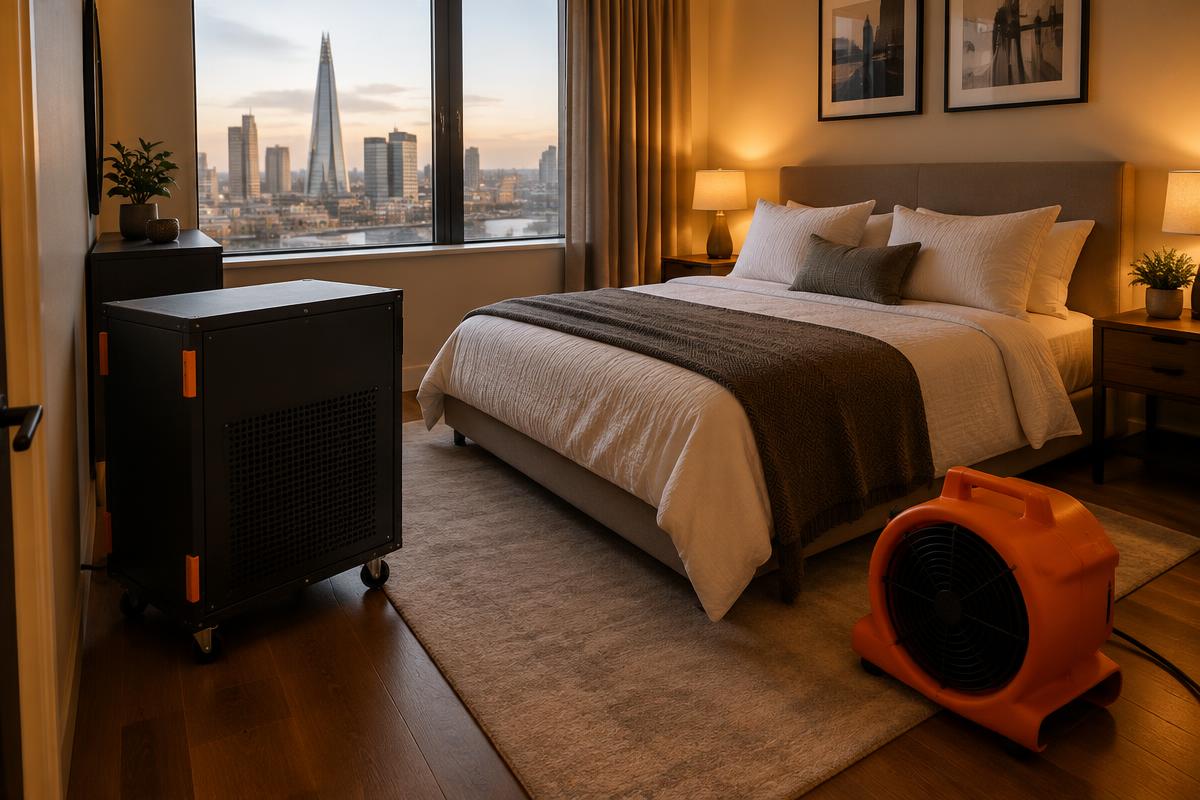
Whole-room heat treats the environment in which bed bugs hide, rather than relying on finding and treating every insect individually. Industrial heating equipment raises conditions across the planned treatment area, with heat movement managed to reach accessible harbourages. Eggs, nymphs and adults are all targets of the same process, even though their hiding places and exposure can differ.
At Bed Bug Heat Solutions UK, the controlled treatment range is 60–65°C across the whole treatment area. The usual heating period is 3–6 hours, and timings are confirmed on the day according to the property and treatment requirements. This heating period should not be confused with a promise that every appointment, including preparation and safe re-entry, takes the same time.
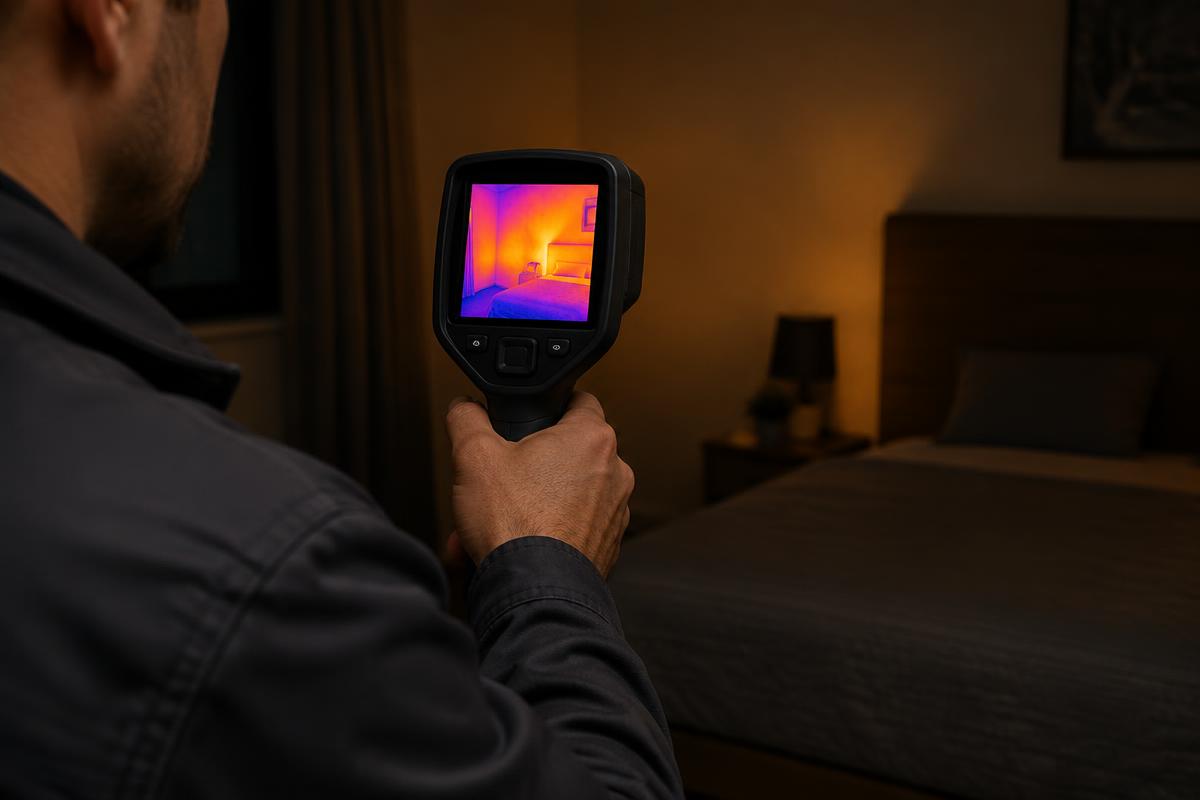
Monitoring uses active live thermal imaging cameras only. Live thermal imaging helps the technician assess visible surface temperatures and identify patterns that need attention as the treatment progresses. It supports decisions about heat distribution, but it does not see through furniture, walls or closed containers, so careful preparation and informed assessment remain important.
Whole-room treatment does not mean that heat will automatically reach every space regardless of access or construction. The technician must consider packed contents, enclosed furniture and possible harbourages beyond the obvious sleeping area. Agreeing the treatment boundaries beforehand is essential, especially where signs suggest that activity extends into another bedroom, a sitting room or adjoining accommodation.
- Confirm which rooms and areas are included in the treatment.
- Tell the technician about sightings away from the main bed.
- Identify bulky furniture and heavily packed storage areas.
- Discuss enclosed spaces that may need particular attention.
- Follow the agreed preparation instructions before heating begins.
Where bed bug eggs hide around a room
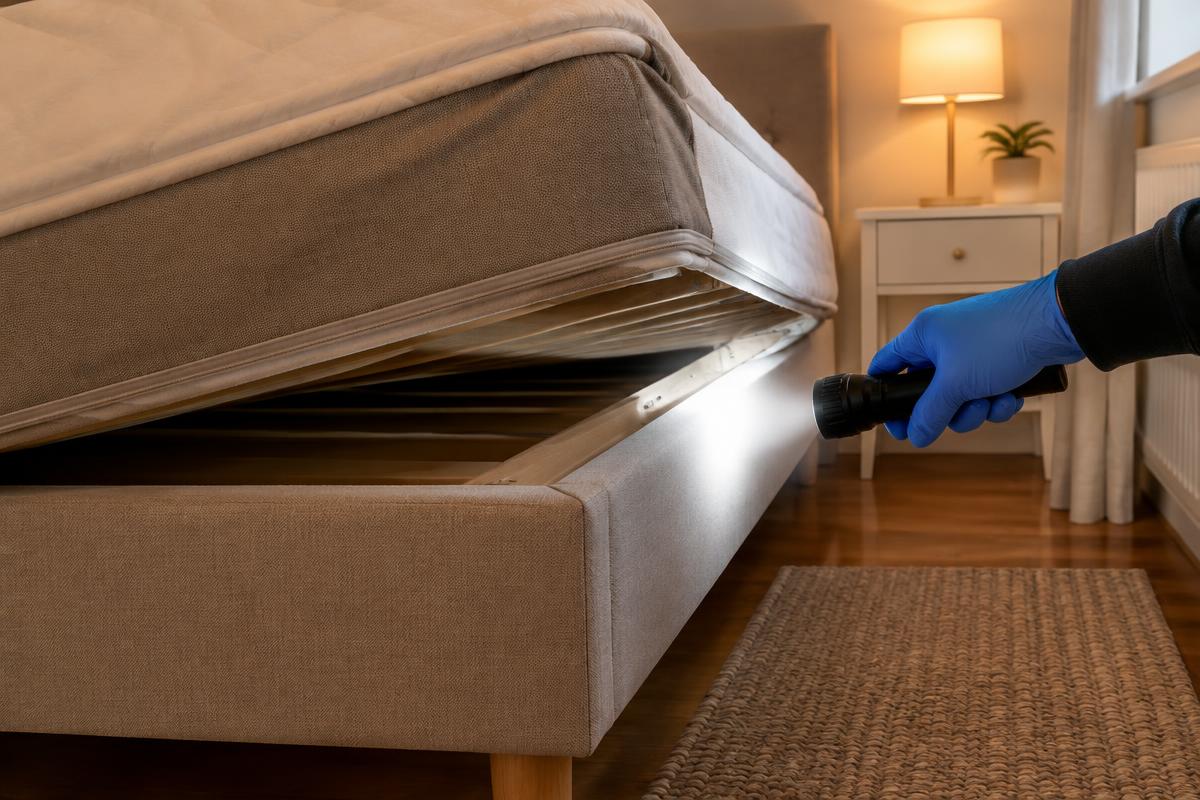
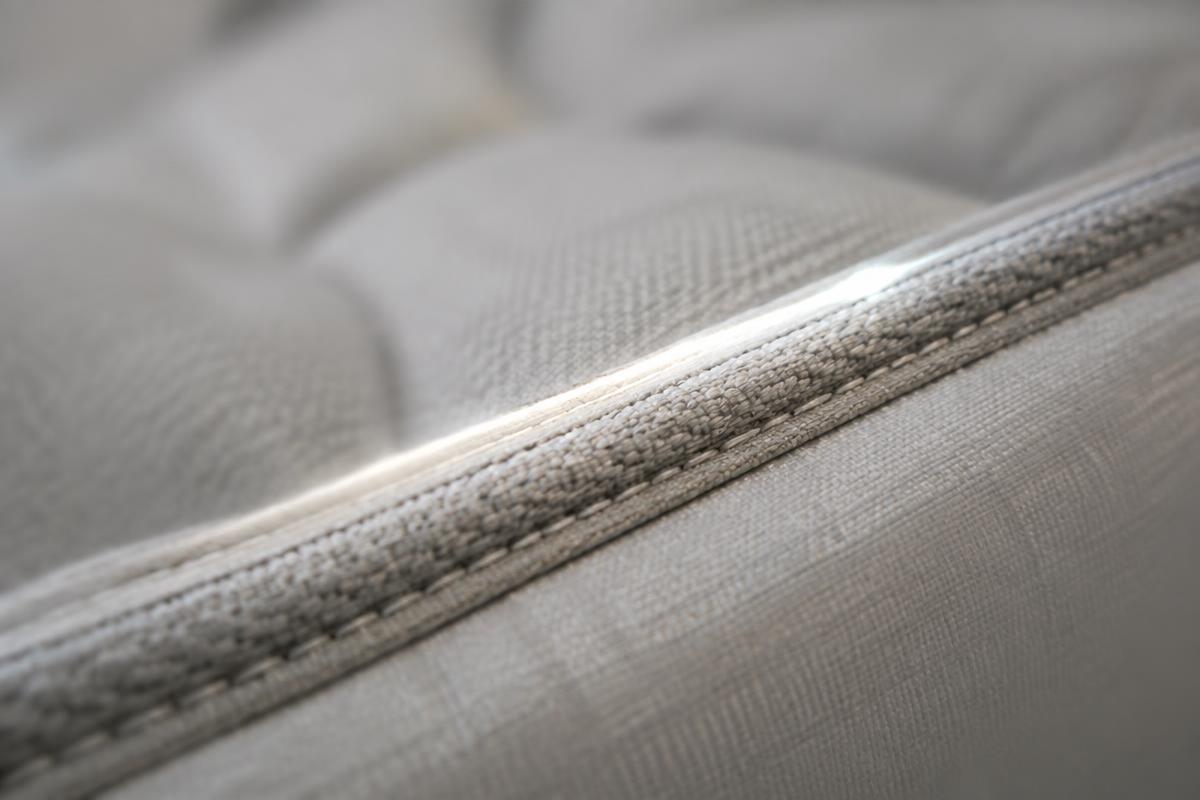
Eggs are often found near places where bed bugs rest between feeds. Around a bed, this can include mattress seams, bed-frame connections, the rear of a headboard and folds in upholstered furniture. They may occur alongside dark spotting, shed skins or live insects, although the absence of obvious markings does not prove a hiding place is clear.
The infestation may also extend beyond the bed itself. Bedside furniture, skirting gaps, loose coverings and nearby seating can provide shelter, particularly as activity becomes established. A person sleeping on a sofa may unintentionally create another feeding location, which is one reason moving to a different room is not a reliable way to stop bites.
Eggs are attached to surfaces rather than carried around independently. Nevertheless, moving an infested object can transport eggs to another room or property. Bed frames, bags, clothing and other belongings should therefore be handled according to the treatment instructions, rather than shifted into an untreated space simply to make the affected room look tidier.
There is rarely a need to dismantle everything or throw away furniture before an assessment. Unplanned dismantling can scatter insects, while unnecessary disposal may spread the problem along corridors or through shared areas. Ask what needs opening, moving or inspecting so that access improves without turning preparation into a route for transferring bed bugs elsewhere.
Preparing a room so heat can reach concealed eggs
Preparation should make treatment practical while keeping potentially infested belongings under control. The most useful first step is to obtain property-specific instructions and read them before making changes. A general internet checklist may conflict with the planned approach, particularly over which belongings should remain in the room and which items need separate handling.
Dense piles and tightly packed storage can obstruct heat movement. The technician may ask for particular arrangements that allow better access around furniture and through the treatment area. This does not mean every cupboard should be emptied into another room; it means contents should be managed in a controlled way that supports the heating plan.
Heat-sensitive belongings require separate consideration. Medicines, pressurised containers, candles and some valuable or delicate items may need removal or an alternative arrangement, depending on the instructions provided. Tell the technician about medical equipment, specialist electronics or unusual materials rather than assuming that an item is either safe to leave or safe to move untreated.
People and pets must remain outside the treatment area during the process, and arrangements for their return should follow the technician's advice. Raise any issues involving aquariums, plants or restricted access in advance. Good communication reduces last-minute disruption and helps ensure that a difficult item is not overlooked or removed in a way that carries bed bugs elsewhere.
- Read and follow the preparation instructions supplied for your property.
- Ask before moving potentially infested belongings out of the treatment area.
- Highlight tightly packed cupboards, drawers and storage containers.
- Identify medicines, aerosols and other heat-sensitive items.
- Discuss pets, aquariums, plants and specialist equipment in advance.
- Arrange to stay outside the treatment area until re-entry is authorised.
Why eggs might survive an incomplete heat treatment
One reason for survival is insufficient exposure in a concealed location. A room can feel extremely hot to a person while an insulated pocket remains cooler for part of the heating period. Stopping too early, overlooking dense contents or leaving part of the affected area untreated can therefore undermine an otherwise promising approach.
Another problem is treating the wrong scope. If bed bugs are present in a second sleeping area, treating only the first room leaves a possible source of continuing activity. In flats or shared buildings, neighbouring spaces may also need investigation where the evidence suggests movement between units, although this should be assessed rather than assumed.
Removing belongings before treatment and returning them afterwards can also cause confusion. An untreated bag or piece of furniture may bring eggs or live bed bugs back into a successfully treated area. From the occupant's perspective, this can look like eggs survived the heating, when the actual issue was that the affected belongings never received appropriate treatment.
These possibilities explain why accurate history matters. Tell the technician where people sleep, when activity was first noticed, what has already been moved and whether any DIY treatments have been attempted. A clear account helps distinguish between protected harbourages, incomplete coverage and the risk of reintroduction, rather than treating every recurring sign as the same problem.
What to expect after treatment and how to check for activity
After treatment, follow the instructions about re-entry, cleaning and the handling of belongings. Avoid judging the result from old marks alone: dark spotting, cast skins and dead insects may remain after an effective treatment. Photographing existing evidence can help you recognise later changes, particularly if you are unsure whether a mark was already there.
Finding something that resembles an egg does not automatically mean that a viable egg survived. Heat-killed eggs or empty shells can remain attached to surfaces, and identifying their condition by eye is difficult. If you discover suspicious material, take a clear photograph and ask for advice rather than assuming either that treatment failed or that the material is harmless.
Skin reactions are also an imperfect guide. People respond differently to bites, reactions can appear after a delay, and other causes of skin irritation can look similar. Continued marks on the skin deserve attention, but they should be considered alongside evidence such as a correctly identified live insect rather than used as the only measure of treatment success.
Report suspected live activity promptly through the contact page, following any aftercare directions already supplied. Include the date, location and a photograph if one can be taken safely. Avoid immediately applying insecticides or moving into another room, as these actions may complicate assessment and make it harder to establish what is happening after treatment.
- Wait for authorisation before returning to the treated area.
- Keep the aftercare instructions available for reference.
- Photograph existing marks if they could be mistaken for new evidence.
- Record the location and date of any suspected live activity.
- Ask for identification advice about eggs, shells or unfamiliar insects.
- Seek guidance before adding DIY pest-control products.
Reducing the risk of bringing bed bugs back
Heat treatment addresses the infestation within the agreed treatment area at the time of treatment. It does not create a lasting barrier against bed bugs introduced afterwards. A newly infested suitcase, second-hand bed frame or untreated item returned from storage can start another problem even when the original eggs, nymphs and adults were successfully controlled.
Keep the distinction between treated and untreated belongings clear throughout preparation and aftercare. If something was removed because it could not tolerate heat, ask how it should be checked or managed before it returns. Simply leaving an item unused for a short period should not be assumed to eliminate bed bugs or make it safe.
When travelling, pay attention to luggage and sleeping areas without assuming every unfamiliar mark indicates bed bugs. If there has been a credible exposure, avoid unpacking onto a bed and seek advice about handling the contents. Laundry measures should suit the fabric and the treatment guidance; an ordinary wash alone should not automatically be treated as a complete solution.
Second-hand furniture warrants careful inspection, especially along joints, seams and concealed surfaces. In shared accommodation, early reporting to the responsible landlord or manager can support a coordinated assessment where needed. These habits cannot remove every risk, but they reduce avoidable opportunities for reintroduction and make a new problem easier to recognise before it becomes established.
- Keep untreated belongings separate until their handling has been agreed.
- Check second-hand furniture carefully before bringing it indoors.
- Avoid unpacking potentially exposed luggage directly onto a bed.
- Follow fabric-care guidance alongside any recommended laundry measures.
- Report suspected activity early in shared accommodation.
Choosing professional heat treatment in England and Wales
When arranging treatment, ask how the provider plans to address eggs and concealed harbourages, not just visible adult bed bugs. Useful discussions cover the treatment boundaries, required preparation, management of heat-sensitive items and the aftercare process. Clear answers help you understand what the service involves and what responsibilities remain with the occupant before and after the visit.
Bed Bug Heat Solutions UK serves England and Wales, with over 40 years of hands-on pest-control experience. The company is fully insured and RSPH Level 2 certificated. Its primary treatment uses controlled industrial heat, with no harmful chemicals used as the primary treatment, and monitoring is carried out using active live thermal imaging cameras only.
A six-month guarantee is available on qualifying treatments. Ask whether your proposed treatment qualifies and request the applicable terms so that the scope, requirements and process for reporting concerns are clear. A guarantee should be understood alongside preparation and aftercare advice, rather than interpreted as a promise that bed bugs can never be introduced again.
The practical answer to the title question is therefore conditional but reassuring: bed bug eggs can survive inadequate heating, while correctly delivered whole-room heat is designed to kill all life stages. Use the quote request form or contact page to discuss the affected rooms, suspected spread and any preparation concerns, so that the treatment can be planned around your property.
Useful next steps
Frequently asked questions
Six-month guarantee
Qualifying treatments are covered for six months. Send your details for a free assessment.
More from the blog
How Long Does Bed Bug Heat Treatment Take?
Read the full guide: How Long Does Bed Bug Heat Treatment Take?