Comparison
Heat Versus Chemical Sprays: Why One Treatment Beats Repeat Visits
Discover why a properly planned bed bug heat treatment can offer a more direct route to control than a programme of repeat insecticide applications.
9 September 202610 min read
40 years
In the trade
Four decades of hands-on bed bug experience
Fully insured
Every treatment
Comprehensive liability cover on all work
RSPH Level 2
Certificated
Royal Society for Public Health qualified
Key points
- Heat can target bed bugs and their eggs in one planned treatment.
- Spray programmes often need follow-up visits and careful residual management.
- Preparation, access and treatment scope matter whichever method is used.
- Qualifying heat treatments include a six-month guarantee.
Heat Versus Chemical Sprays: Why One Treatment Beats Repeat Visits
When bed bugs disrupt a home, the immediate question is usually how to get rid of them with the least uncertainty. Heat treatment and insecticide sprays work in different ways, and that difference affects preparation, disruption and the possible need for further visits. Comparing only the initial appointment misses much of what matters.
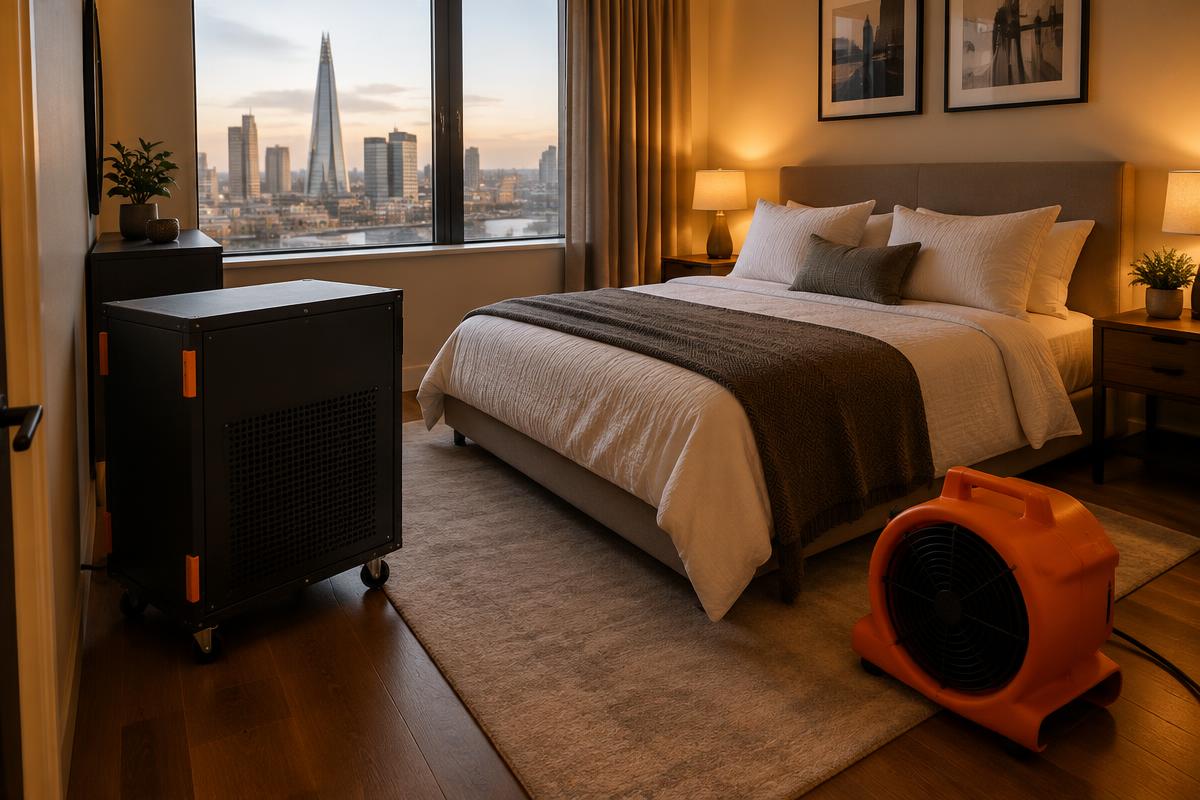
Professional heat treatment uses controlled industrial heat of 60–65°C across the whole treatment area. The aim is to expose bed bugs and their eggs to lethal heat within that defined area, including the places where they hide. This creates the opportunity to deal with the infestation in one planned treatment rather than through successive applications.
An insecticide programme relies on suitable products reaching bed bugs directly or leaving effective residues where they will travel. Depending on the product and circumstances, eggs may survive an initial application, while hidden insects may not encounter a treated surface immediately. Follow-up visits can therefore be an intended part of the programme rather than evidence of poor workmanship.
The advantage of heat is not a promise that every property can be resolved in one visit regardless of circumstances. It is the ability to tackle multiple life stages during one controlled process when the treatment scope, preparation and access are right. Understanding those conditions makes the comparison more useful than a simple claim that one method always wins.
Why Bed Bug Hiding Places Make Treatment Difficult
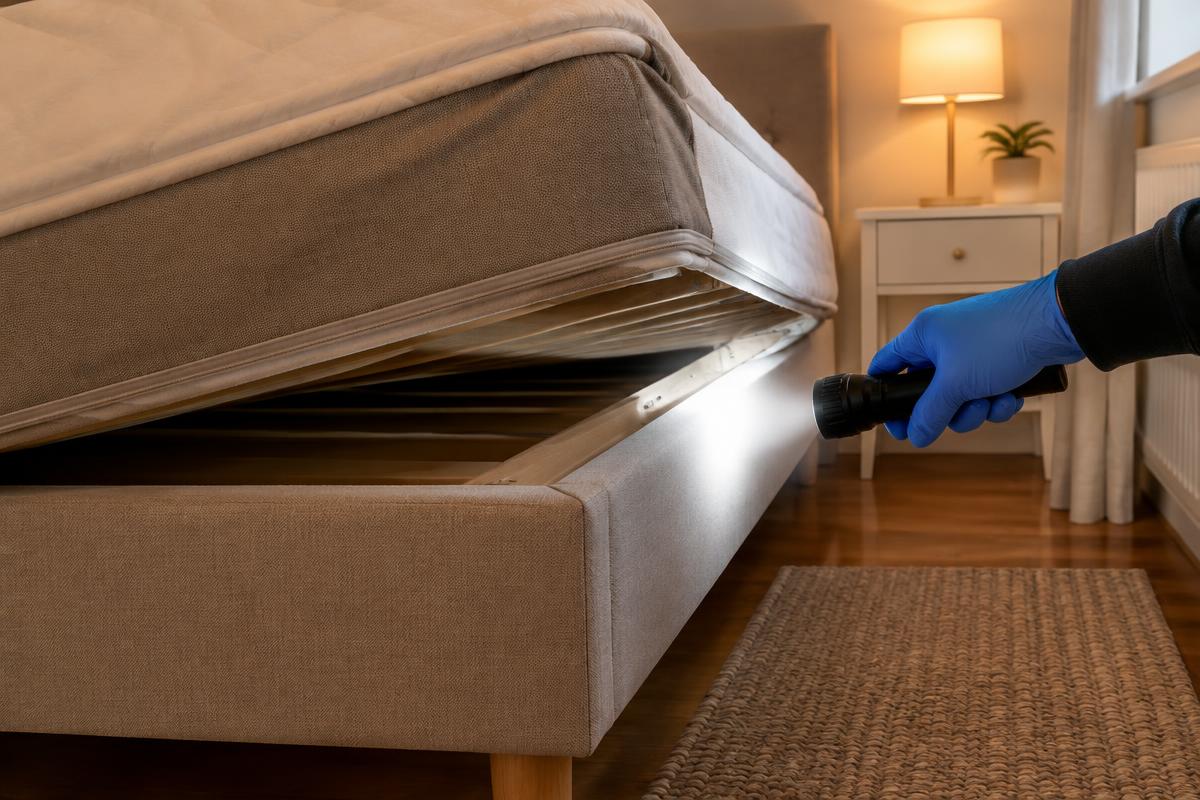
Bed bugs spend much of their time out of sight, often close to where people sleep or rest. Mattress seams, bed-frame joints, headboards, upholstered furniture and gaps around skirting can all offer shelter. An infestation is therefore not limited to the surface where a person notices a bug or wakes with a suspected bite.
Their flattened bodies allow them to use narrow spaces that are difficult to inspect and treat directly. Eggs can be attached to sheltered surfaces, while clutter creates additional hiding places and obstructs access. Treating the visible insects alone leaves uncertainty about what remains behind furniture, within joints or in other occupied rooms.
Sprays have practical limits because products must be applied in accordance with their labels, including restrictions on surfaces and application methods. A professional cannot simply saturate every item or spray indiscriminately into every opening. Successful chemical control depends on inspection, appropriate product selection and a realistic plan for reaching insects over time.
Heat approaches the hiding-place problem differently by heating the contents and surfaces within the agreed treatment area. However, warmth does not move through every material at the same rate, and densely packed belongings can impede heat transfer. Professional planning and live thermal imaging are important because heating a room's air alone is not enough.
What a Professional Heat Treatment Actually Involves
Bed Bug Heat Solutions UK uses controlled industrial heat of 60–65°C across the whole treatment area. The heating period is usually three to six hours, with timings confirmed on the day. This heating period should not be confused with the complete appointment, which also involves preparation checks, equipment positioning and arrangements for safe re-entry.
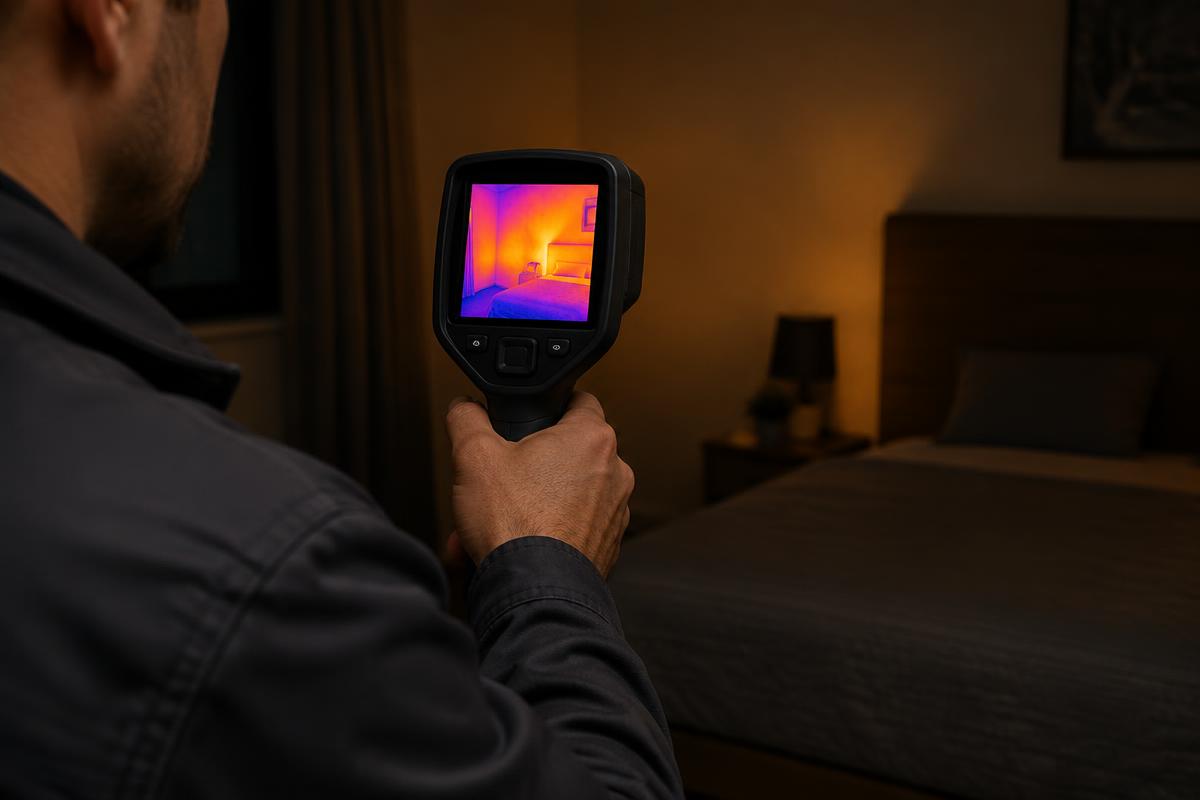
Monitoring is carried out using active live thermal imaging cameras only. Live thermal imaging helps the team assess visible surface temperatures and identify cooler areas that need attention during treatment. It does not see through solid furniture or walls, so access, inspection and the arrangement of belongings remain essential parts of the process.
Furniture layout and the density of stored items influence how effectively heat moves around the treatment area. The team may need access around beds, upholstered items and storage locations rather than simply placing equipment in the centre of a room. Customers should follow the specific preparation instructions instead of guessing which items to move or unpack.
No harmful chemicals are used as the primary treatment. People and animals must remain outside the treatment area until the team confirms that re-entry is appropriate, and heat-sensitive belongings need an agreed plan beforehand. A clear briefing makes the appointment easier to manage and reduces the risk of avoidable delays or untreated items being reintroduced.
- Confirm which rooms and belongings are included in the treatment.
- Tell the team about bulky furniture and densely packed storage.
- Identify pets, aquariums, plants and heat-sensitive belongings in advance.
- Arrange somewhere suitable to stay during treatment and cooling.
- Follow the written preparation guidance rather than moving items between rooms.
- Wait for the team's confirmation before re-entering.
Why Insecticide Programmes Often Need Repeat Visits
Chemical treatment is usually a programme rather than a single act of spraying. Some products work through direct contact, while others leave residues intended to affect insects after application. The professional must choose an approach that suits the infestation and the permitted uses of the products, then explain what happens between appointments.
Egg control is one reason follow-up work may be required. Many insecticide applications do not reliably eliminate every egg, so newly hatched bugs may need to encounter a remaining residue or be addressed at a later visit. The timing of that visit should reflect the treatment plan and product instructions rather than an arbitrary schedule.
Resistance can also complicate insecticide control. Some bed bug populations are less susceptible to particular active ingredients, which can reduce the effectiveness of an otherwise careful application. This does not mean every chemical treatment will fail, but it does mean repeated use of the same unsuitable product is not a sound strategy.
Household activity can influence the programme as well. Cleaning treated areas too soon, moving beds or changing sleeping rooms without advice may interfere with the intended approach or spread the infestation. Customers need to understand which surfaces can be cleaned, what should remain undisturbed and when observations should trigger a review.
Where Heat Has the Strongest Advantage
The central advantage of heat is its ability to affect eggs, immature bed bugs and adults during the same treatment when lethal exposure is achieved. It does not depend on a newly hatched insect later crossing a treated surface. That distinction can shorten the route from treatment to resolution compared with a programme built around successive applications.
Heat also avoids relying on susceptibility to an insecticide's active ingredient. Insecticide resistance does not protect a bed bug from properly delivered lethal heat. Nevertheless, insufficient exposure can still allow survival, which is why treatment planning and the management of cooler or obstructed areas matter more than simply quoting a high operating temperature.
For a household balancing work, childcare or caring responsibilities, consolidating treatment into one planned intervention can be valuable. Repeated appointments may require several rounds of access arrangements and preparation. A single heat treatment still involves disruption, but it offers a different pattern of disruption from a chemical programme that unfolds over multiple visits.
The benefit is strongest when the full infestation is within the agreed treatment scope and customers can follow preparation guidance. Heat applied to one room cannot be assumed to resolve insects in an untreated room or neighbouring property. A credible recommendation should explain these boundaries before presenting one treatment as the better option.
Preparation That Helps Heat Reach the Right Places
Good preparation is about safe access and effective exposure, not simply making the property look tidy. Overfilled storage, tightly packed bedding and piles of belongings can create difficult treatment conditions. The company should provide instructions tailored to the property, including what needs to remain, what requires special handling and what must be discussed before the appointment.
Moving possessions out of an affected room without a plan can carry bed bugs elsewhere. A bag of clothes placed in an untreated bedroom may become a route back into the treated area later. If laundering or another separate process is recommended, contain items for transport and keep processed belongings apart from those still awaiting attention.
Heat-sensitive items deserve particular care. Medicines, aerosols, some cosmetics, wax products and certain valuables may need to be removed or managed differently, but removal should not become an excuse to transfer potentially infested belongings unchecked. Ask for item-specific guidance when there is uncertainty rather than relying on a general assumption that everything can stay.
Avoid using household heaters, improvised heating arrangements or extra sprays in an attempt to assist the treatment. Uncontrolled heat can create fire and damage risks, while additional chemicals may introduce unnecessary exposure or complicate the agreed plan. Disclose any products already used so the team can take that history into account.
- Provide access to beds, headboards, skirting and affected furniture.
- Ask how to manage packed drawers, wardrobes and under-bed storage.
- Report recent DIY spray use before the treatment begins.
- Discuss medicines, aerosols and delicate possessions with the team.
- Keep untreated belongings separate from items processed as instructed.
- Do not take potentially infested possessions to another household without advice.
Comparing Costs Means Looking Beyond the First Visit
The fairest cost comparison is between complete treatment plans, not isolated appointment prices. A spray quotation may cover one application or a defined series of visits, while a heat quotation may cover a different treatment area and level of preparation. Ask what is included before deciding that the lower opening figure represents better value.
Practical costs also matter even when they do not appear on an invoice. Time away from work, arrangements for pets, repeated laundry and access for further visits can all affect a household. These factors vary, so there is no honest universal calculation showing that one method will always be cheaper for everyone.
Heat treatment costs depend on the property, the extent of the infestation, the agreed treatment area and practical access requirements. Unusual layouts or large quantities of stored belongings can change the work involved. An assessment-based quotation is more useful than a fixed-price promise made without understanding the conditions inside the property.
Bed Bug Heat Solutions UK serves England and Wales, with a six-month guarantee on qualifying treatments. Customers should ask whether their proposed treatment qualifies and read the applicable terms before booking. The quote request form or contact page is the appropriate place to discuss scope, preparation and what support is included.
- Check whether the quote covers one appointment or a complete programme.
- Confirm the rooms, furniture and belongings included.
- Ask what preparation the customer must complete.
- Compare likely disruption as well as the quoted treatment cost.
- Request the terms of any guarantee in writing.
- Clarify what happens if further signs are reported.
When Sprays May Still Have a Place
A balanced comparison should recognise that professional insecticide treatment can be appropriate in some circumstances. Property conditions, access limitations or items that cannot safely undergo the proposed heat process may affect the choice. The right response is an assessment-led plan, not forcing every infestation into the same treatment format regardless of practical constraints.
Chemical programmes can also form part of a wider pest-management strategy where the professional considers them suitable and lawful. Any application must follow the product label and relevant safety requirements, with clear instructions for occupants. More spray is not automatically more effective, and repeated unsupervised applications should not substitute for proper investigation.
Heat has limitations of its own, including the absence of a lasting insecticidal residue after the area cools. It addresses the bed bugs exposed during treatment but does not create a barrier against future introductions. A bug brought in later on luggage or second-hand furniture is a new risk, even after a successful treatment.
In flats, shared accommodation or properties with repeated introductions, the surrounding situation may matter as much as the chosen method. Reporting activity to the landlord or managing agent can help coordinate inspection where appropriate. Neither heat nor a spray programme should be described as a permanent solution to an unmanaged source outside the treatment area.
What to Expect After Treatment and During the Guarantee
After heat treatment, follow the team's re-entry and aftercare instructions rather than judging readiness by the clock alone. Allow the property and belongings to cool as advised before normal handling and use. Return separately managed items only in accordance with the plan, particularly where they were removed because they could not safely remain during heating.
Old spotting, shed skins or dead insects may still be present after a successful treatment. Their presence does not automatically demonstrate ongoing activity, so it helps to understand what was already there and what appears later. Bite-like skin reactions alone are also unreliable evidence because they can be delayed or have causes unrelated to bed bugs.
If a live insect is seen, record where and when it was found and take a clear photograph if possible. Contact the treatment provider for advice before moving furniture, applying a shop-bought spray or booking an unrelated intervention. A calm, documented report is more useful than making changes that obscure where activity is occurring.
The six-month guarantee offered by Bed Bug Heat Solutions UK applies to qualifying treatments, subject to its terms. It should not be interpreted as an unconditional promise covering every circumstance or future introduction. Ask how to report concerns and what the guarantee covers so there is a clear route to support if questions arise.
- Follow the agreed cooling and re-entry instructions.
- Avoid bringing untreated belongings back without guidance.
- Photograph suspected live bed bugs and note their location.
- Distinguish old infestation signs from new observations.
- Contact the provider before applying additional insecticides.
- Keep the treatment paperwork and guarantee terms accessible.
Choosing a Treatment Plan That Reduces Uncertainty
A useful treatment recommendation starts with questions about where activity has been found, how long it has been occurring and what has already been tried. It should also consider sleeping areas, furniture, clutter and adjoining accommodation where relevant. These details establish whether the proposed treatment area matches the likely extent of the problem.
Ask the provider to explain the method in practical terms rather than relying on slogans about speed or strength. For heat, that includes the temperature range, heating period, live thermal imaging, preparation and safe re-entry arrangements. For sprays, it includes the planned applications, product restrictions, follow-up expectations and what occupants must do between visits.
Bed Bug Heat Solutions UK brings over 40 years of hands-on pest-control experience, is fully insured and is RSPH Level 2 certificated. Its professional heat service covers England and Wales, using controlled industrial heat with live thermal imaging. Those credentials support an informed approach, while the property assessment determines the appropriate scope of work.
One properly planned heat treatment can offer a more direct route to control than waiting through repeat insecticide applications, particularly when eggs and concealed insects are addressed together. The strongest decision is based on suitability, preparation and clear treatment boundaries rather than an absolute promise. Use the quote request form or contact page to discuss your property and request a tailored quotation.
Useful next steps
Frequently asked questions
Six-month guarantee
Qualifying treatments are covered for six months. Send your details for a free assessment.
More from the blog
How Long Does Bed Bug Heat Treatment Take?
Read the full guide: How Long Does Bed Bug Heat Treatment Take?