Preparation
Preparing Your Home For Bed Bug Heat Treatment: The Practical Guide
A practical room-by-room guide to preparing for bed bug heat treatment without spreading insects or overlooking belongings that need special care.
1 September 20269 min read
40 years
In the trade
Four decades of hands-on bed bug experience
Fully insured
Every treatment
Comprehensive liability cover on all work
RSPH Level 2
Certificated
Royal Society for Public Health qualified
Key points
- Leave furniture and belongings in their usual rooms unless instructed otherwise.
- Declare heat-sensitive items, medical equipment and household hazards early.
- Bag items before moving them, but agree how their contents will be treated.
- Follow the property-specific preparation plan and wait for clearance before returning.
Start with a preparation plan for your property
Preparing your home for bed bug heat treatment is about making the property safe and accessible without carrying insects into new places. It is not a request to empty every room or throw away your belongings. Before moving anything, ask for the preparation instructions that apply to your home, the agreed treatment area and the equipment being used.
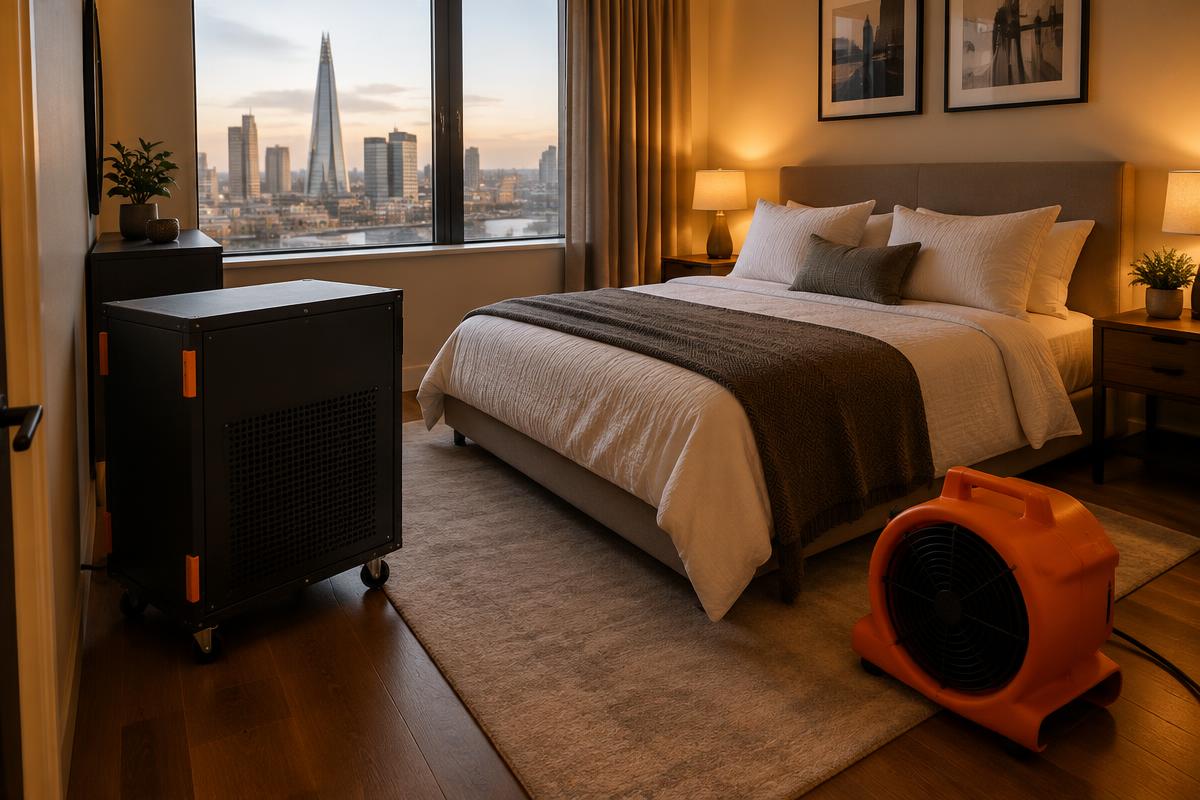
Bed Bug Heat Solutions UK uses controlled industrial heat of 60–65°C across the whole treatment area. The heating period is usually 3–6 hours, with timings confirmed on the day. This is not necessarily the total time you will need to be away, because assessment, setup, cooling and checks also affect access to the property.
Tell the team which rooms have signs of activity, where people normally sleep and whether anyone has recently changed sleeping places. Include sofas used as beds, spare bedrooms, travel bags and any adjoining rooms of concern. These details help shape the treatment plan; they are not a reason to start relocating belongings yourself.
If a preparation task is unclear, ask before attempting it. A densely furnished flat, a family home and a property with mobility equipment may need different arrangements. Raise access difficulties and anything you cannot lift well in advance, so the plan reflects what can realistically and safely be done.
Know what to leave in place and why
Most furniture and ordinary belongings should remain in their usual rooms unless the treatment team gives different instructions. Moving a bedside cabinet into the hallway or carrying cushions into another bedroom can transfer bed bugs with them. Keeping the layout broadly intact also helps the team understand where activity has been concentrated.
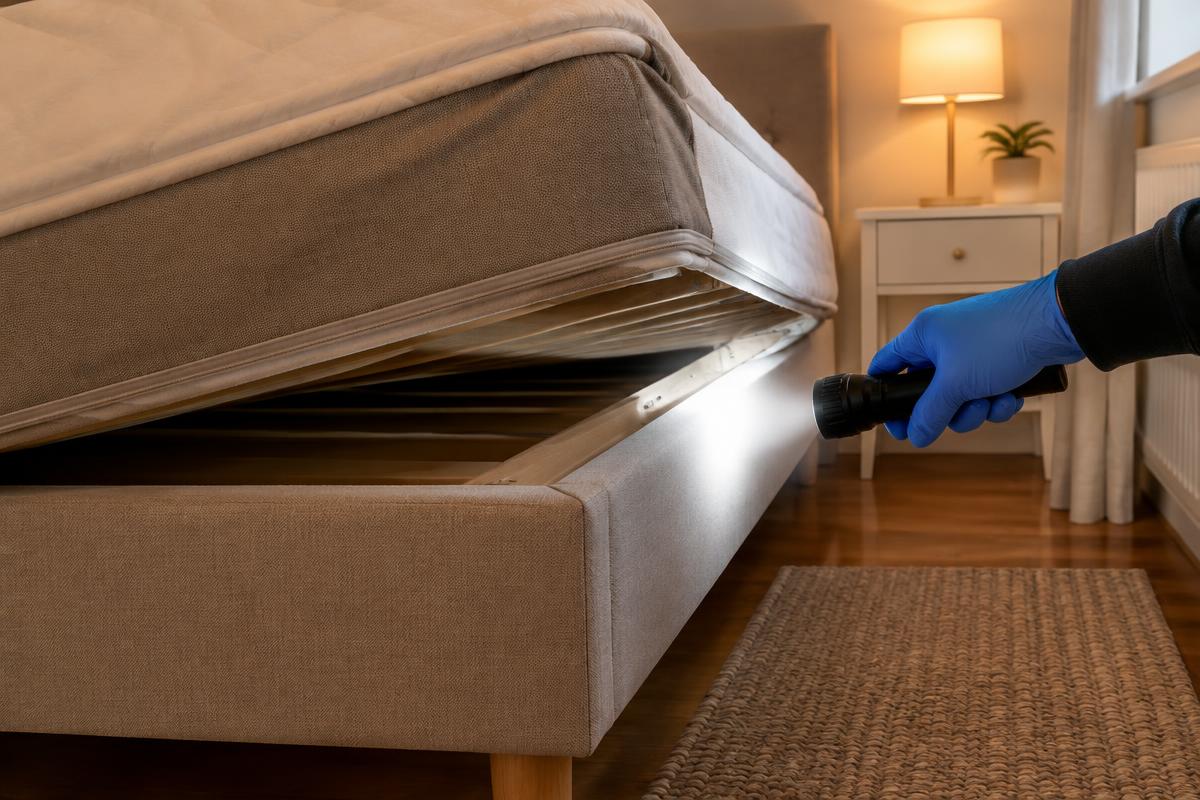
Do not automatically remove mattresses, divan bases, bed frames or upholstered seating. These can contain important harbourages and may need to remain within the agreed treatment area. Heat treatment does not routinely require replacing a bed, although the suitability and condition of individual items should be discussed during the assessment.
Avoid taking drawers out, dismantling furniture or pulling heavy wardrobes away from walls without guidance. Some adjustments may be necessary for access and heat circulation, but the team should specify them. Unsupported furniture, loose bed components and piles of drawer contents can introduce hazards while making a room harder to work in.
Keep sleeping arrangements stable where practical until you receive advice. Moving from an affected bedroom to the sofa can encourage activity in another part of the home. If you have already changed rooms, simply explain when and where; accurate information is more useful than trying to restore the original arrangement without instruction.
Declare heat-sensitive belongings before removing them
Make a written inventory of items that may not tolerate the planned heat. Medicines, aerosols, pressurised containers, candles, wax objects, some cosmetics and certain adhesives deserve particular attention. Food, drinks and items with specific storage limits should also be declared rather than assumed safe because they sit in a cupboard.
Flag valuable or delicate possessions such as musical instruments, artwork, photographs, antiques and items with glued finishes. Their materials, condition and manufacturer guidance may affect what is suitable. A list with photographs can help the team discuss these belongings before treatment day, especially where moving them would require specialist handling.
Do not treat removal as a simple instruction to carry everything into the car or a neighbour’s home. An object taken from an affected room may carry bed bugs even if it cannot safely stay in the heat. Agree how it will be contained, checked or treated separately before deciding where it should go.
Keep declared items identifiable and accessible, but avoid gathering them into one large pile from different rooms. Note their normal locations and any signs of insects nearby. The aim is to resolve each exception without creating untreated belongings that are later brought straight back into the prepared property.
- List medicines and products with labelled storage limits.
- Declare aerosols, pressurised containers and flammable products.
- Identify candles, wax ornaments and heat-sensitive cosmetics.
- Flag artwork, antiques, instruments and delicate finishes.
- Ask about food, drinks and other temperature-sensitive supplies.
- Agree containment and separate handling before anything leaves.
Bag belongings to contain them, not to avoid treating them
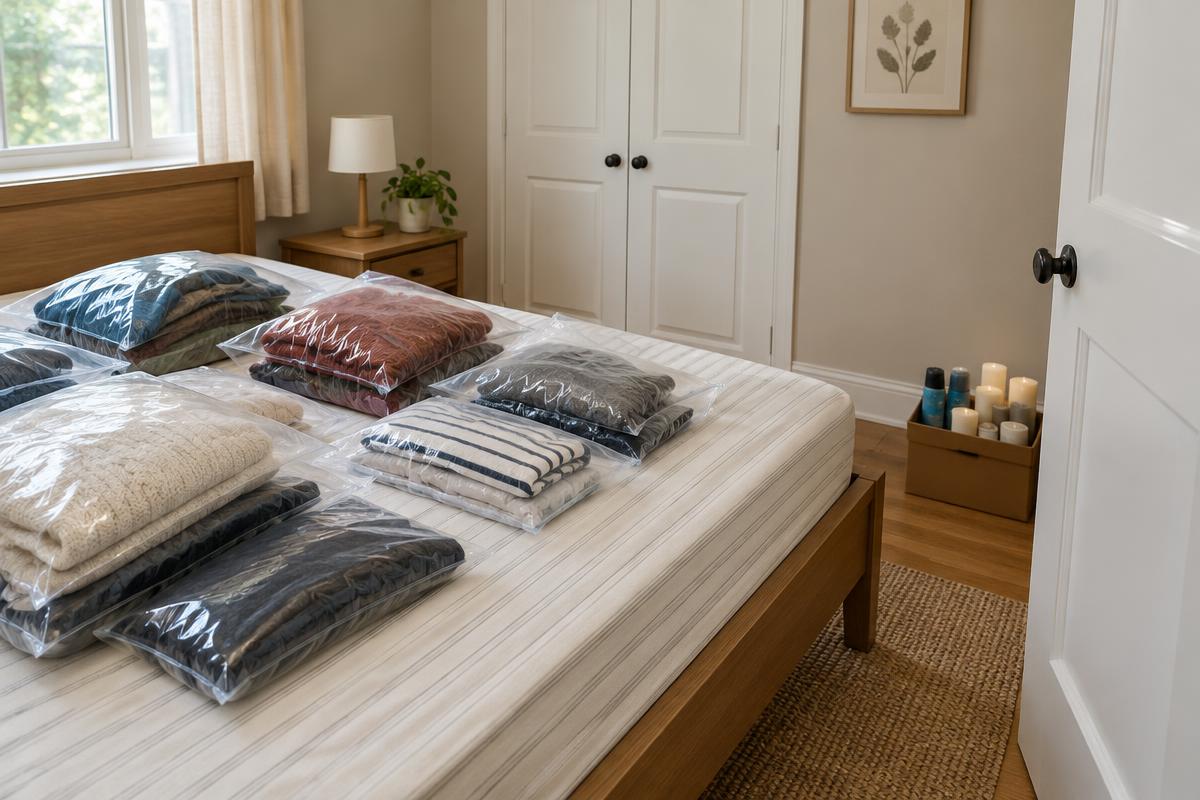
Bags are useful for containing potentially affected items during an agreed move, but sealing belongings does not kill bed bugs. Dense bags and tightly packed containers can also make it harder for heat to reach their contents. Ask which items should be bagged for transport and which need to be opened or arranged differently during treatment.
Where bagging is instructed, do it in the room where the belongings are already located. Use sound bags that can be securely closed without being overfilled. Avoid carrying loose laundry through the property to reach a bag in the kitchen, because insects could be dropped along the route before containment begins.
Label each bag with its room of origin, contents and treatment status. Keep untreated or uncertain belongings separate from items that have completed an agreed laundry or handling process. A simple label prevents someone from opening the wrong bag in a temporary sleeping space or returning untreated clothing to a cleared wardrobe.
Do not wrap mattresses, sofas or entire pieces of furniture in plastic unless specifically directed. Large coverings can affect access and heat circulation, while also hiding areas the team needs to inspect. Tell the technicians about any items already sealed in bags, storage boxes or protective covers so these can be included in the preparation review.
- Bag items in their original room when instructed.
- Use bags that close securely without splitting.
- Label contents, room of origin and treatment status.
- Keep processed belongings separate from untreated items.
- Declare all sealed bags and tightly packed containers.
- Ask before covering mattresses or upholstered furniture.
Prepare clothing, bedding and laundry without spreading insects
Ask whether bedding should remain on the bed for inspection or be bagged before the team arrives. Do not strip every bed automatically or shake sheets across the room. When removal is requested, handle bedding gently and contain it beside the bed rather than carrying an armful of loose fabric through the home.
The team may recommend a separate laundry process for suitable textiles. Follow the item’s care label and the specific washing or tumble-drying guidance provided; a normal wash should not be assumed to resolve an infestation. Heat-sensitive fabrics and dry-clean-only clothing need their own discussion rather than an improvised hotter programme.
Wardrobes and drawers should be assessed for how tightly they are packed. Compressed stacks of clothing, bundled blankets and full under-bed storage can require preparation to support heat circulation. Avoid emptying all these spaces onto the floor, as that simply replaces organised storage with a dense pile and obstructs working routes.
Plan a small set of departure clothes and any essential overnight supplies according to the team’s instructions. Once items have completed an agreed process, protect them from contact with untreated bedding, bags or upholstery. This reduces the chance of carrying insects into your car, workplace or temporary accommodation while treatment is taking place.
Reduce clutter while keeping furniture and access safe
Concentrate on providing clear walking routes and access to the areas identified in your preparation plan. Floors around beds, doorways and main routes should not be blocked by loose possessions. This is different from a full house clearance: the goal is safe working space, not moving all your belongings into an untreated room.
Sort ordinary rubbish carefully and bag it before taking it out. Do not leave potentially affected items loose in shared hallways, communal bin rooms or beside entrances. If you are discarding furniture for a separate reason, ask how to contain and identify it so another person does not unknowingly take an infested item home.
Vacuuming may be recommended as part of preparation, but it is not a replacement for treatment. Ask which areas to clean and how to handle the vacuum’s contents afterwards. Avoid moving the vacuum between affected and unaffected homes, and do not disturb evidence the team has asked to inspect before they arrive.
Point out unstable furniture, damaged sockets, trailing cables, loose floor coverings and fragile fixtures. Do not disconnect electrical fittings or attempt structural repairs as part of bed bug preparation. If clearing a route would involve unsafe lifting, explain this in advance rather than risking injury or leaving an unstable arrangement for the technicians.
- Clear the agreed routes through rooms and doorways.
- Keep access to beds and other identified treatment areas available.
- Contain rubbish before carrying it outside.
- Ask before moving heavy or unstable furniture.
- Report damaged fittings and other existing hazards.
- Avoid placing unwanted furniture in communal areas.
Discuss electronics, batteries and specialist equipment individually
Do not assume every electrical item must leave the property, or that every device can safely remain. Televisions, computers, games consoles and other equipment have different storage limits and materials. Give the team an inventory of significant devices and follow item-specific advice, supported by manufacturer information where available.
Declare loose batteries, power banks, rechargeable devices, e-bikes and mobility equipment with battery packs. Damaged, swollen or overheating batteries need particular caution and should not be charged or casually handled. Tell the team about any known defect before treatment day so an appropriate safety plan can be agreed.
Medical equipment requires early discussion, especially if it is essential throughout the day. Oxygen cylinders, powered care equipment and temperature-sensitive medical supplies must not be overlooked in a bedroom or cupboard. Arrange any necessary advice from the equipment supplier, pharmacist or healthcare professional rather than interrupting essential care to meet a preparation checklist.
Ask which devices should be switched off or unplugged and whether appliances need any special preparation. Do not disconnect a fridge, freezer, alarm or essential support system based on a general assumption. Photographing cable arrangements can help with later reconnection where unplugging is requested, but leave fixed electrical installations to appropriately qualified people.
Arrange safe time away for people, pets and plants
Arrange for everyone to leave the treatment area as directed, including children, visitors and anyone who normally works from home. Consider transport, toilet access, meals and rest needs rather than planning only around the heating period. Timings are confirmed on the day, and re-entry depends on the team’s clearance rather than a preselected return time.
Tell the team about all pets, including animals that are easy to overlook in a tank, cage or vivarium. Aquariums and their occupants need a specific plan and must not be assumed safe because the water initially feels cool. Arrange suitable temporary accommodation with appropriate temperature control, ventilation and welfare provisions.
Plants should also be declared so their removal or protection can be agreed. Pots, baskets and stands taken from affected rooms may need consideration as potentially contaminated objects. The same principle applies to pet beds, carriers and blankets: moving an animal safely should not become a route for carrying insects elsewhere.
Prepare essential keys, documents and approved belongings before the departure check. If you need to take a laptop bag, handbag or child’s comfort item, ask how it should be handled. Avoid last-minute trips back into bedrooms to collect forgotten possessions after you have changed into clothing prepared for leaving.
- Arrange somewhere suitable for all occupants to stay.
- Declare every pet, aquarium and vivarium.
- Agree handling for plants and their containers.
- Prepare medicines and essential care supplies safely.
- Check pet carriers, bedding and departure bags with the team.
- Wait for explicit clearance before entering the treatment area.
Complete a careful handover on treatment day
Before the appointment, explain parking restrictions, stairs, lifts, entry codes and any rules affecting access to the building. In flats or managed properties, discuss whether the landlord or managing agent needs to assist with access arrangements. Keep communal escape routes clear and avoid placing bagged belongings outside your front door while waiting.
When the team arrives, walk through the preparation that has been completed and identify anything still unresolved. Show them declared valuables, packed storage, essential equipment and rooms where activity has been seen. Mention belongings removed from the property, including where they have gone and whether an agreed handling process has been completed.
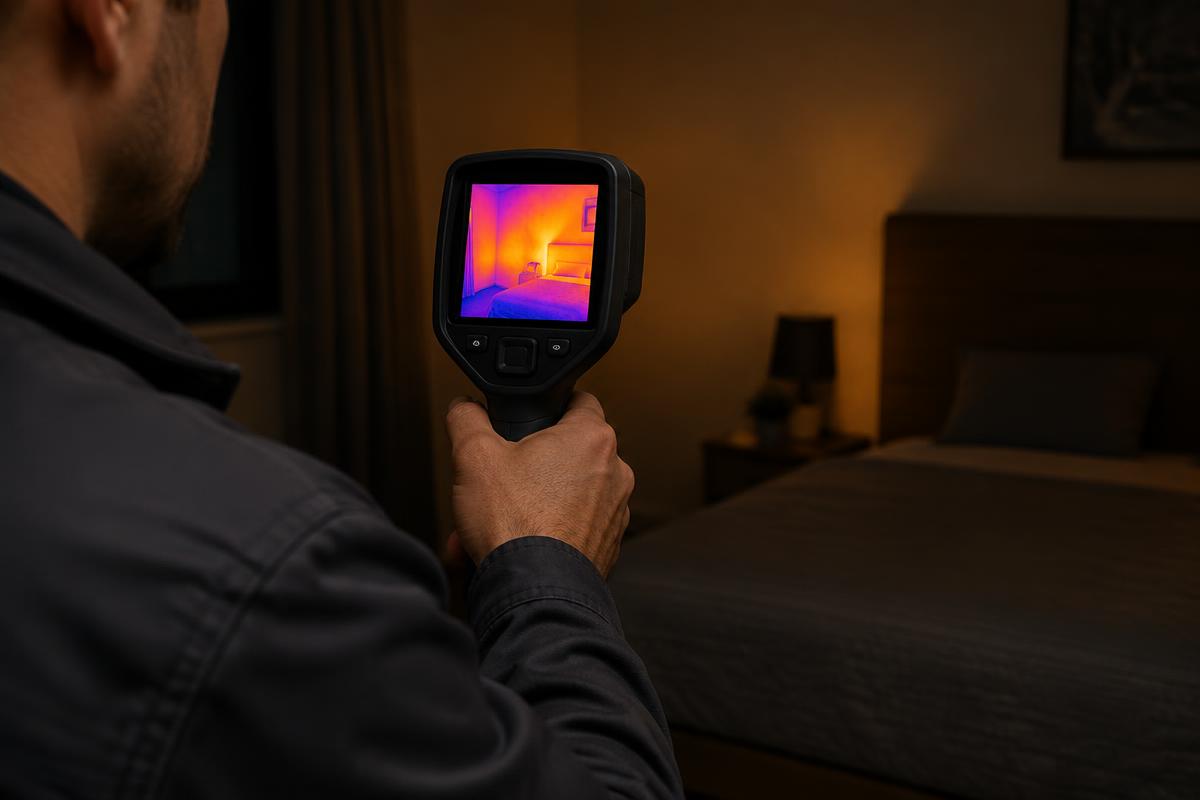
During treatment, active live thermal imaging cameras are the only monitoring equipment used. Live thermal imaging helps the technicians assess heat distribution while they manage the controlled industrial heating process. Residents should not try to adjust equipment, open windows or enter the treatment area to check progress themselves.
The primary treatment uses no harmful chemicals, but professional heat treatment still requires strict safety and access controls. The team will confirm the day’s arrangements and explain when you can return. Provide a reliable way to contact you during the appointment without assuming that the usual 3–6-hour heating period is a guaranteed collection time.
Plan what comes back into the home after treatment
Re-entry and unpacking are separate decisions. Once access is authorised, follow the team’s instructions about cooling, ventilation and handling belongings that may still be warm. Do not immediately return every excluded object, because items removed before heating may still need their agreed separate process before they can safely rejoin household storage.
Keep labels on bags until their contents and treatment status are clear. Unpack methodically rather than mixing untreated possessions with processed clothing or bedding. If you discover an overlooked suitcase, sealed storage tub or other item whose status is uncertain, contact the team before opening it or assuming the surrounding heat addressed its contents.
Ask what follow-up signs to watch for and how to report concerns. Skin marks alone cannot confirm continuing bed bug activity, so note any insects or other evidence and provide photographs where possible. Avoid adding shop-bought sprays or moving sleeping rooms in response to uncertainty without first discussing the situation.
Bed Bug Heat Solutions UK serves England and Wales, with over 40 years of hands-on pest-control experience, full insurance and RSPH Level 2 certification. A six-month guarantee is available on qualifying treatments; confirm eligibility, terms and aftercare requirements for your booking. Use the quote request form or contact page to discuss your property and receive preparation guidance before treatment day.
Useful next steps
Frequently asked questions
Six-month guarantee
Qualifying treatments are covered for six months. Send your details for a free assessment.
More from the blog
How Long Does Bed Bug Heat Treatment Take?
Read the full guide: How Long Does Bed Bug Heat Treatment Take?