Guarantee
What A Six-Month Bed Bug Guarantee Really Means
A six-month bed bug guarantee offers reassurance, but understanding its scope, conditions and reporting process is essential before you book.
24 July 20269 min read

40 years
In the trade
Four decades of hands-on bed bug experience
Fully insured
Every treatment
Comprehensive liability cover on all work
RSPH Level 2
Certificated
Royal Society for Public Health qualified
Key points
- The six-month guarantee applies to qualifying treatments.
- Written terms should explain cover, exclusions and the reporting process.
- Preparation, access and aftercare can affect treatment and guarantee eligibility.
- Report suspected activity promptly rather than treating it yourself.
A Six-Month Guarantee Is Reassurance With Defined Limits
A six-month bed bug guarantee should help you understand what support is available if you suspect bed bug activity after treatment. It is not a promise that bed bugs can never enter your property again. The important questions are which treatment qualifies, what circumstances are covered and what happens when you report a concern.
Bed Bug Heat Solutions UK offers a six-month guarantee on qualifying treatments. That qualification matters: it should not be assumed that every booking, treatment arrangement or part of a property carries identical cover. Your quotation and the applicable written guarantee terms should establish what applies to your particular treatment.
This article explains how to assess that cover and meet your responsibilities without turning possible conditions into invented company policy. Where a point depends on the agreement, such as whether a return visit is included, you should obtain confirmation before booking. General guidance cannot replace the terms supplied for your property.
The most useful way to view a guarantee is as an agreed route for dealing with a potential treatment problem. Keep the quotation, treatment instructions, completion information and guarantee terms together. Having those documents available makes any later conversation clearer and helps distinguish a covered concern from a separate pest problem.
Confirm What Your Qualifying Treatment Actually Covers
Start with the treatment area. The whole treatment area and the whole property are not necessarily the same thing, particularly where the quotation identifies specific rooms, units or floors. Ask for a clear description of the agreed area and whether the guarantee relates only to that area or has any wider application.
Next, confirm what the company undertakes to do if activity is reported during the guarantee period. Assessment, inspection and repeat treatment are different actions. Do not assume that a guarantee automatically provides an immediate repeat heat treatment, unlimited visits, a refund or replacement belongings unless the written terms expressly say so.
The start and end of the six-month period also need to be clear. Ask which date starts the guarantee and how the deadline applies to reporting a concern. If further work becomes necessary, check whether the original expiry date remains in place rather than assuming that another six months begins automatically.
Any special arrangements should be recorded before work starts. For example, if access to one room is unavailable or treatment is being coordinated across separate flats, ask how that affects eligibility and scope. A written answer is more useful than relying on a broad understanding of the word guaranteed.
- Confirm that the booked treatment qualifies for the six-month guarantee.
- Identify the rooms or areas included in the agreement.
- Ask what assessment or remedial work is covered.
- Check the guarantee start date and expiry date.
- Clarify whether any visits or circumstances could involve a charge.
- Keep written confirmation of any property-specific arrangements.
Understand What the Heat Treatment Is Designed to Achieve
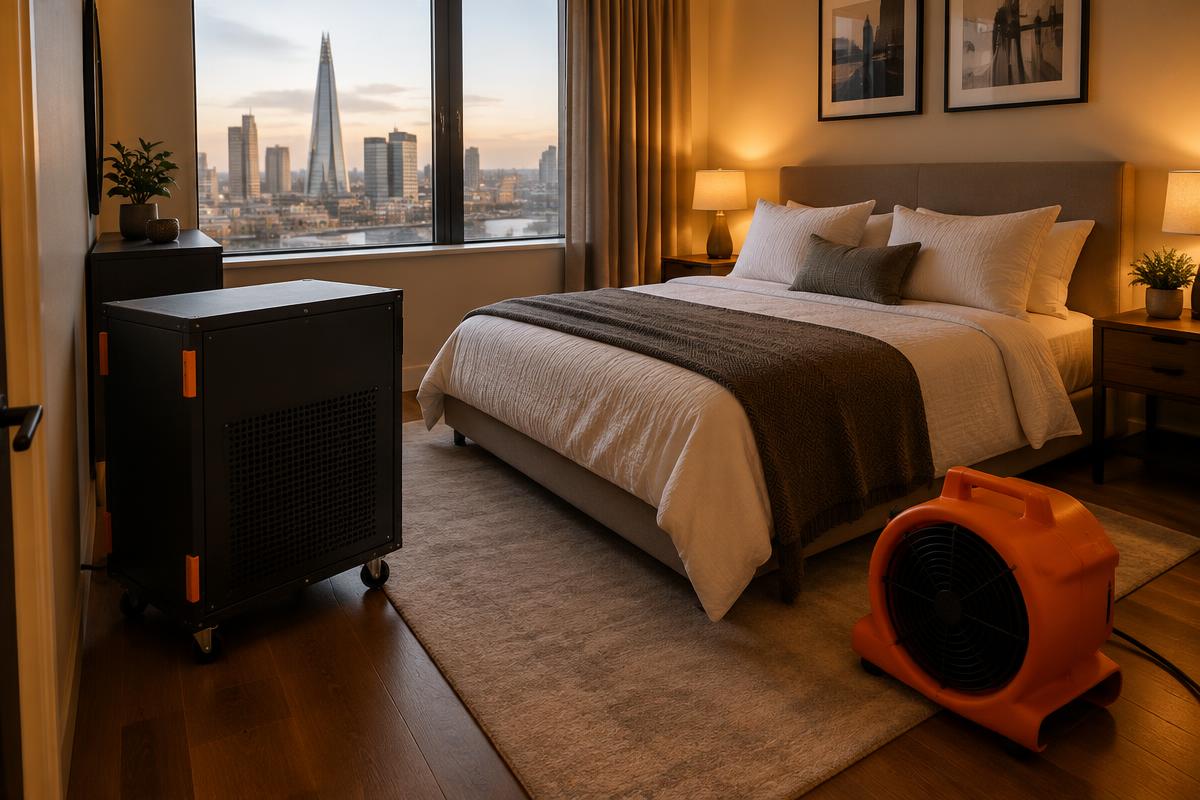
Bed Bug Heat Solutions UK uses controlled industrial heat of 60–65 degrees C across the whole treatment area. The heating period is usually 3–6 hours, with timings confirmed on the day. This is a professional treatment process, not simply a matter of making a bedroom feel hot or increasing the central heating.
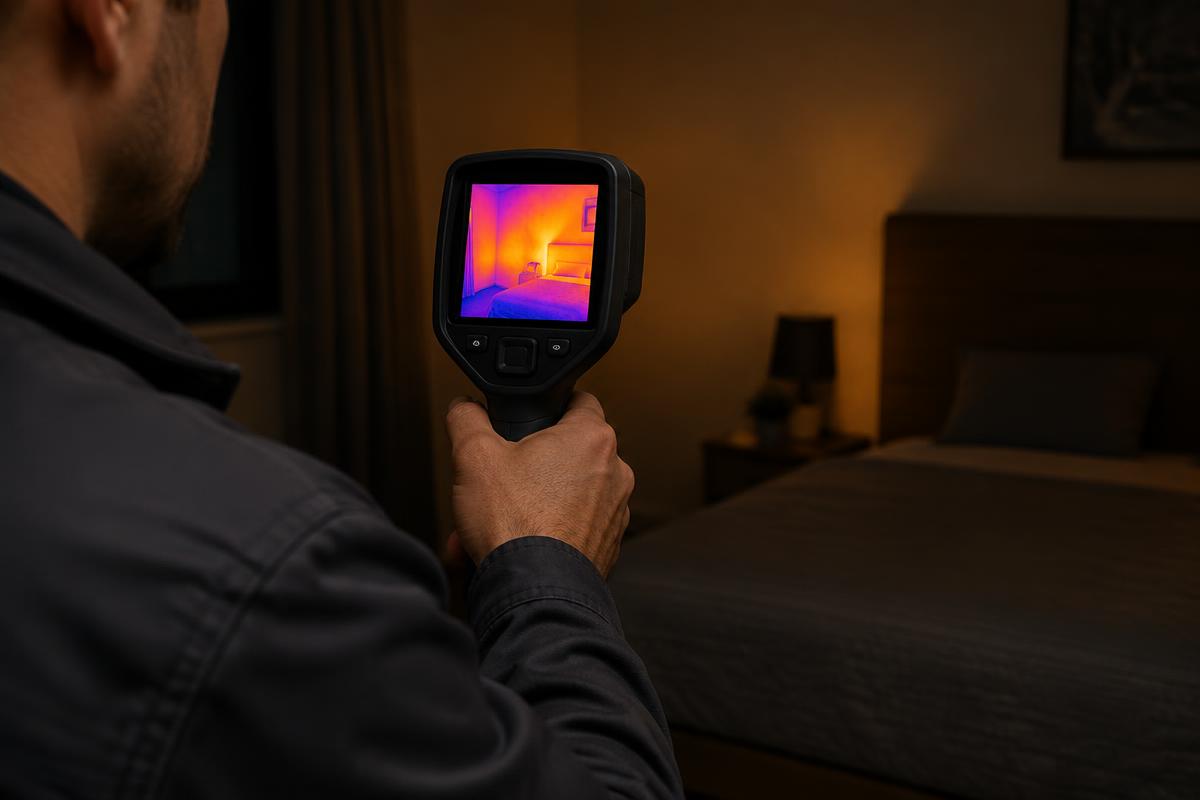
Monitoring is carried out using active live thermal imaging cameras only. Live thermal imaging helps the treatment team observe heat distribution and assess the treatment area during the process. The agreed area, its contents and the way heat can circulate all matter, which is why access and preparation require careful attention.
No harmful chemicals are used as the primary treatment. Nevertheless, professional heat treatment requires specific instructions for occupants, belongings and safe access. Follow the team's directions about leaving the treatment area and returning afterwards, rather than deciding for yourself that a room is ready because the heating equipment has stopped.
Understanding the process helps explain why a guarantee has conditions. The treatment addresses bed bugs within the agreed treatment area under the circumstances encountered on the day. It cannot prevent someone subsequently bringing an infested suitcase, item of furniture or other affected possession into that area from somewhere else.
Separate Continuing Activity From a New Introduction
One of the most important distinctions in any bed bug guarantee is between activity associated with the original infestation and a new introduction after treatment. These situations may look similar to an occupant, but they do not necessarily fall within the same cover. Ask how the applicable terms distinguish between them.
A new introduction could involve luggage returning from an affected property, second-hand furniture brought indoors or belongings returning from untreated storage. These examples do not prove where any particular infestation came from. They illustrate why the treatment history and movement of items may be relevant when a concern is assessed.
Continuing activity is not something you should have to diagnose alone. Seeing a suspected live bed bug after treatment warrants contacting the company, but the sighting itself does not establish the cause. A useful assessment considers identification, where it was found, when it appeared and any relevant changes since treatment.
Keep your account factual rather than trying to decide immediately whether the guarantee must apply. Note recent travel, furniture deliveries or items brought back into the home, including anything that seems unimportant. Accurate information supports a more useful investigation and should not be replaced by assumptions about blame or treatment failure.
Check Exclusions Rather Than Guessing What They Are
A responsible explanation of guarantee exclusions starts with the written terms, not a generic list presented as company policy. New introductions, untreated areas and departures from preparation instructions are matters worth asking about. Whether they exclude a claim, limit a remedy or require further assessment depends on your actual agreement.
Ask specifically about rooms or possessions left outside the treatment area. If an affected item was removed before treatment and later returned, that may complicate the situation. Similarly, an inaccessible space can create a limitation that should be discussed and recorded rather than discovered only when a concern arises afterwards.
Financial expectations also deserve attention. Do not assume the guarantee pays for accommodation, time away from work, discarded furniture, replacement mattresses or services booked with another provider. These are separate questions from whether the company will assess suspected bed bug activity or provide remedial treatment under its guarantee.
Some properties have circumstances that need individual discussion, including shared buildings, repeated introductions or restricted access. Raise these issues before accepting the quotation. The aim is not to find a guarantee without any boundaries, but to understand whether the offered treatment and its cover suit the problem you actually have.
- Ask how suspected new introductions are assessed.
- Check the position on untreated rooms and excluded belongings.
- Discuss any access restrictions before the treatment date.
- Clarify the consequences of incomplete preparation.
- Ask whether additional expenses fall outside the guarantee.
- Request written clarification of any unclear exclusion.
Your Responsibilities Begin Before Treatment Day
Preparation is part of the treatment plan, not an optional housekeeping exercise. Follow the instructions supplied for your booking and ask about anything you cannot complete. Generic advice found online may conflict with the planned approach, especially where it encourages moving possessions between rooms or taking potentially affected items elsewhere.
Tell the team about known or suspected activity throughout the property, not just in the room where bites were first noticed. Mention previous treatments, sprays or powders, relevant travel and any furniture already removed. This information helps the team understand the situation and identify matters that could affect the proposed scope.
Heat-sensitive belongings require particular care, but do not improvise by clearing rooms into a garage, vehicle or neighbouring property. Ask what should be removed, how it should be handled and what needs to stay in place. Moving affected possessions without a plan can create a route for bed bugs to return.
If mobility, illness, childcare or the volume of belongings makes preparation difficult, raise that early through the contact page. Also report any changes between the quotation and the visit, such as another room showing signs. Ask whether the treatment plan or guarantee eligibility needs review rather than hoping the original arrangements remain suitable.
- Read the preparation instructions supplied for your booking.
- Disclose suspected activity in every relevant room.
- Explain what previous pest-control products have been used.
- Ask how to handle heat-sensitive and potentially affected items.
- Confirm access to all areas included in the quotation.
- Report any preparation difficulties or changes before treatment.
Aftercare Should Protect the Work Already Completed
After treatment, follow the specific aftercare instructions provided rather than adding your own pest-control measures. If something is unclear, ask before acting. A guarantee may attach importance to following those instructions, but the exact effect of any departure should be explained in the applicable terms rather than assumed.
Avoid applying insecticide sprays, powders or other pest treatments without discussing them with the company. Additional products can introduce safety considerations and make the treatment history harder to interpret. If you have already used something, disclose the product and where it was applied instead of withholding the information out of concern about cover.
Pay attention to belongings that were outside the treatment area. Before bringing back bags, bedding, stored clothing or furniture that might have been exposed, ask what handling is appropriate. Returning a potentially affected item without advice can undermine the practical benefit of treating the rooms where it will be used.
Routine precautions remain sensible during the six months and afterwards. Check second-hand furniture before accepting it, be attentive to luggage after travel and take credible signs seriously without inspecting the home constantly. The guarantee provides a defined period of support on qualifying treatments; it does not replace sensible steps to reduce future introductions.
Report Suspected Activity With Useful Evidence
If you suspect bed bugs after treatment, contact Bed Bug Heat Solutions UK through the contact page promptly. State that the property has already been treated and give the treatment date if available. Check your guarantee documents for any reporting requirements, and do not leave a concern unreported while waiting to gather perfect evidence.
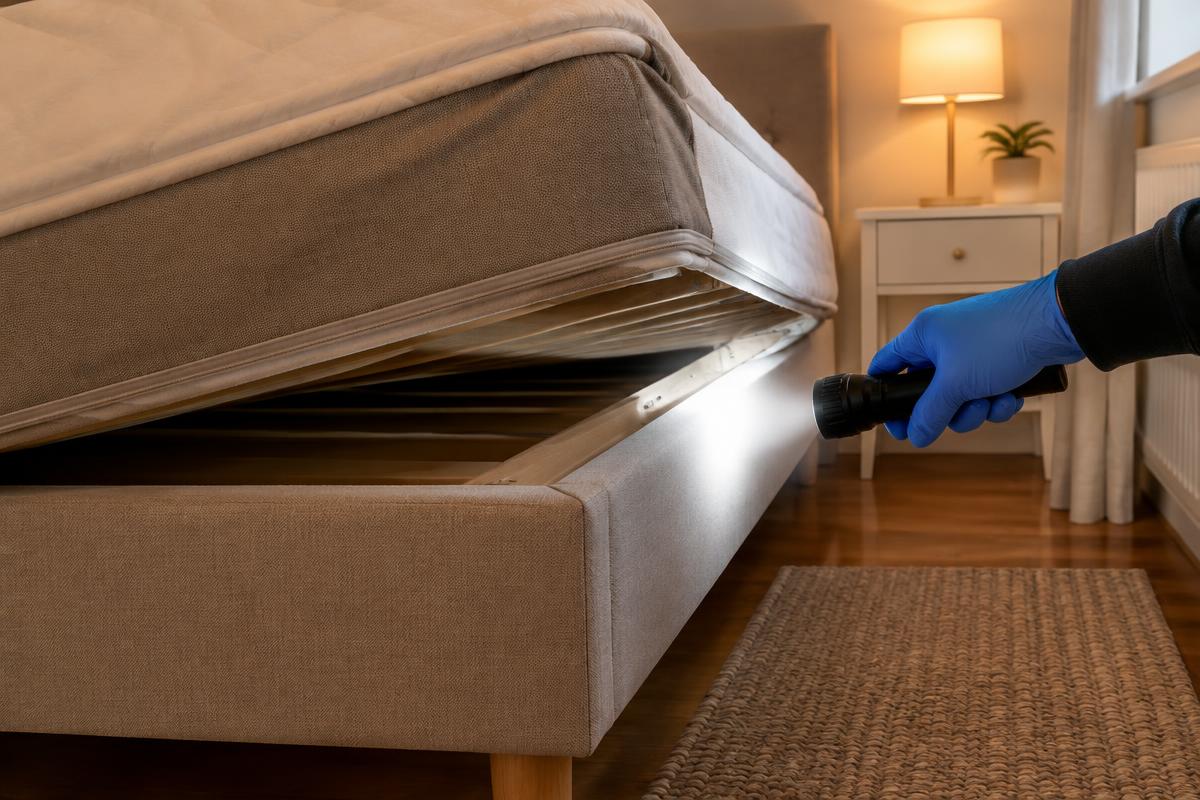
Useful information includes the date, room and exact location of each sighting. A clear photograph can help with identification, particularly when the insect might be something else. If practical, retain a suspected specimen in a securely closed container without taking it around the property or exposing other belongings.
Skin marks alone cannot reliably establish an active bed bug infestation or show when exposure occurred. People react differently, and other conditions can cause similar marks. Likewise, marks or debris already present before treatment may remain afterwards, so explain whether the sign is genuinely new or something you have only just noticed.
Keep a short, dated record rather than relying on memory. Include photographs, sightings and relevant changes such as returning luggage or a new furniture delivery. The company can then explain the assessment process and any next steps under the applicable guarantee, without you having to diagnose the cause or decide the remedy yourself.
- Provide the booking reference or treatment date if available.
- Record where and when each suspected sign appeared.
- Take clear photographs where possible.
- Keep any specimen securely contained if practical.
- Explain any products used since treatment.
- Mention relevant travel or belongings brought into the property.
Shared Homes, Flats and Changes of Occupant Need Clarity
Bed bug problems in shared or connected accommodation can involve more than one person's room or belongings. If you live in a flat, house share or managed building, explain the arrangement before booking. Ask whether the proposed treatment scope is suitable and how activity outside that area would be handled.
An individual treatment cannot automatically extend its guarantee to neighbouring homes, communal areas or rooms that were not included. Suspected activity elsewhere may require coordination with a landlord, managing agent or other occupiers. The practical priority is an appropriate assessment, not assuming that every later sighting must relate solely to the treated room.
Where a landlord or agent arranges the work, establish who receives the instructions and who can report a guarantee concern. Occupants need access to preparation and aftercare information even if they are not paying the invoice. Clear communication reduces the chance that an important condition or a new sighting is overlooked.
If the tenancy changes or the property is sold during the six months, do not assume the guarantee transfers automatically. Ask whether it remains valid, who can use it and whether any notification is required. These details are especially important when treatment is arranged shortly before a move or a new occupancy.
Book With a Clear Understanding of the Agreement
Before booking, you should be able to explain the guarantee in plain language: which treatment qualifies, which areas are covered, when the six months starts and how concerns must be reported. You should also know what remains uncertain and have those points clarified in writing, particularly where your property has unusual access or occupancy arrangements.
Bed Bug Heat Solutions UK serves England and Wales, with over 40 years of hands-on pest-control experience. The company is fully insured and RSPH Level 2 certificated. These credentials provide useful context when choosing professional help, but they do not remove the need to read the specific treatment and guarantee information.
Use the quote request form or contact page to explain your situation and request the relevant terms. Include the property type, areas showing suspected activity and any preparation concerns. Attendance arrangements, pricing and treatment details need to be confirmed for the booking rather than inferred from the existence of a six-month guarantee.
A well-understood guarantee gives reassurance without suggesting that every future problem is automatically covered. Your part is to provide accurate information, follow the agreed instructions and report concerns promptly. The company's written agreement should make its responsibilities equally clear, so that both the treatment and any necessary follow-up have a defined basis.
Useful next steps
Frequently asked questions
Six-month guarantee
Qualifying treatments are covered for six months. Send your details for a free assessment.
More from the blog
How Long Does Bed Bug Heat Treatment Take?
Read the full guide: How Long Does Bed Bug Heat Treatment Take?